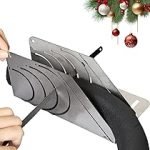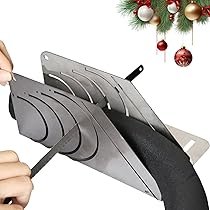
When you’re working with pipes, getting the measurement just right can make all the difference. Using a pipe cutter for precise measurements isn’t just about cutting—it’s about accuracy, efficiency, and making your project look professional.
If you’ve ever struggled with uneven cuts or wasted material, this guide is for you. Keep reading to discover how you can take control of your pipe cutting and achieve perfect results every time. Your tools and skills are about to get a serious upgrade.
Choosing The Right Pipe Cutter
Using a pipe cutter helps you get clean and accurate cuts. Picking the right cutter makes your work easier.
Different pipe cutters fit different pipes and jobs. Knowing which one to choose saves time and effort.
Types Of Pipe Cutters
There are several types of pipe cutters. Each type works best for certain pipe materials and sizes.
- Wheel Cutter: Has a sharp wheel that rolls to cut pipes smoothly.
- Plastic Pipe Cutter: Designed for cutting plastic pipes cleanly without cracking.
- Tubing Cutter: Made for thin metal pipes like copper or aluminum.
- Ratchet Cutter: Uses a ratchet mechanism to cut thick pipes easily.
- Hacksaw: Not a pipe cutter but can be used if no cutter is available.
Materials And Sizes Compatibility
Pipe cutters work with specific pipe materials and sizes. Choose one that fits your pipe type and diameter.
| Pipe Material | Recommended Cutter Type | Common Sizes |
|---|---|---|
| Copper | Tubing Cutter | 1/8″ to 2″ |
| PVC and Plastic | Plastic Pipe Cutter or Wheel Cutter | 1/2″ to 3″ |
| Steel and Iron | Ratchet Cutter or Hacksaw | 1/2″ to 4″ |
| Aluminum | Tubing Cutter | 1/8″ to 2″ |

Credit: www.amazon.ca
Preparing The Pipe For Cutting
Preparing the pipe before cutting ensures clean and accurate results. Proper preparation reduces mistakes and saves time.
This guide covers marking the pipe and securing it for precise cutting with a pipe cutter.
Marking Accurate Measurement Points
Marking the pipe correctly helps you cut at the right length. Use a measuring tape and a fine-tip marker.
- Measure twice to avoid errors.
- Mark the pipe clearly at the cutting point.
- Use a square or angle tool for straight marks.
- Check the mark from different angles before cutting.
Securing The Pipe Properly
Hold the pipe firmly to prevent movement during cutting. A stable pipe ensures a smooth and precise cut.
| Tool | Purpose | Tips |
| Pipe Vise | Clamps the pipe securely | Do not overtighten to avoid damage |
| Bench Clamp | Holds the pipe on a workbench | Use padding to protect the pipe surface |
| Hands | Can hold small pipes | Keep pipe steady and use both hands |
Step-by-step Cutting Process
Using a pipe cutter helps you get clean and exact cuts. This tool is easy to use once you know the right steps. Follow these instructions to cut pipes safely and accurately.
Each step focuses on how to hold the cutter, apply pressure, and turn it smoothly. These tips will improve your cutting results.
Positioning The Cutter Correctly
Place the pipe cutter on the pipe where you want to make the cut. Make sure the cutting wheel lines up with the mark on the pipe. The cutter should sit evenly around the pipe for a straight cut.
- Hold the pipe steady on a firm surface.
- Open the cutter wide enough to fit the pipe.
- Align the cutting wheel with the marked spot.
- Close the cutter so it grips the pipe firmly.
Applying The Right Pressure
Apply pressure by tightening the cutter’s knob. Use just enough force to press the cutting wheel into the pipe. Too much pressure can damage the tool or pipe. Too little pressure will not cut properly.
| Pressure Level | Effect |
| Light | Wheel slips, no cut |
| Moderate | Clean cut, easy rotation |
| Heavy | Pipe crushes or cutter breaks |
Rotating The Cutter Smoothly
Turn the cutter around the pipe in a steady motion. Keep the pressure even as you rotate. Stop every few turns to tighten the knob slightly. This helps the blade cut deeper without breaking.
- Grip the cutter handle firmly.
- Rotate the cutter around the pipe slowly.
- Pause after a few turns to tighten the knob.
- Continue until the pipe separates cleanly.
Ensuring Clean And Precise Cuts
Using a pipe cutter helps you make clean cuts on pipes. Precise cuts fit better and reduce leaks.
It is important to cut pipes carefully. This keeps the pipe strong and easy to join.
Avoiding Common Cutting Mistakes
Cutting pipes poorly can cause problems. Pipes may crack, bend, or fit badly.
Watch out for these common mistakes to get better results.
- Not tightening the cutter enough before turning
- Cutting at an angle instead of straight across
- Using a dull blade that crushes the pipe
- Turning the cutter too fast and unevenly
- Not cleaning the pipe before cutting
Using Deburring Tools Effectively
After cutting, the pipe edges may be rough or sharp. Deburring tools smooth these edges.
Smooth edges help pipes connect better and stop leaks. They also make the pipe safer to handle.
- Use a deburring tool that fits the pipe size
- Rotate the tool inside the pipe edge to remove burrs
- Check the edge by running your finger gently along it
- Remove any leftover rough spots with light sanding if needed
- Keep the tool clean and sharp for best results
Maintenance For Consistent Performance
Using a pipe cutter often needs care to keep it working well. Regular maintenance helps you get precise measurements every time.
Small tasks like cleaning and replacing parts can make a big difference in the cutter’s life and accuracy.
Cleaning And Lubricating The Cutter
Cleaning the cutter removes dirt and metal bits that build up during use. Lubricating the moving parts keeps them smooth and easy to turn.
- Wipe the cutter with a dry cloth after each use.
- Use a small brush to clean hard-to-reach areas.
- Apply light machine oil to the wheel and joints.
- Open and close the cutter a few times to spread the oil evenly.
- Remove excess oil to avoid attracting dust.
Replacing Worn Blades
Sharp blades cut pipes cleanly and measure precisely. Dull blades can crush or deform pipes. Check the blade often and replace it if needed.
| Sign of Worn Blade | Effect on Cutting | Action |
|---|---|---|
| Dull edges | Rough or uneven cuts | Replace blade immediately |
| Chips or cracks | Damage to pipe surface | Do not use, change blade |
| Blade slips during cutting | Inaccurate pipe length | Install a new blade |
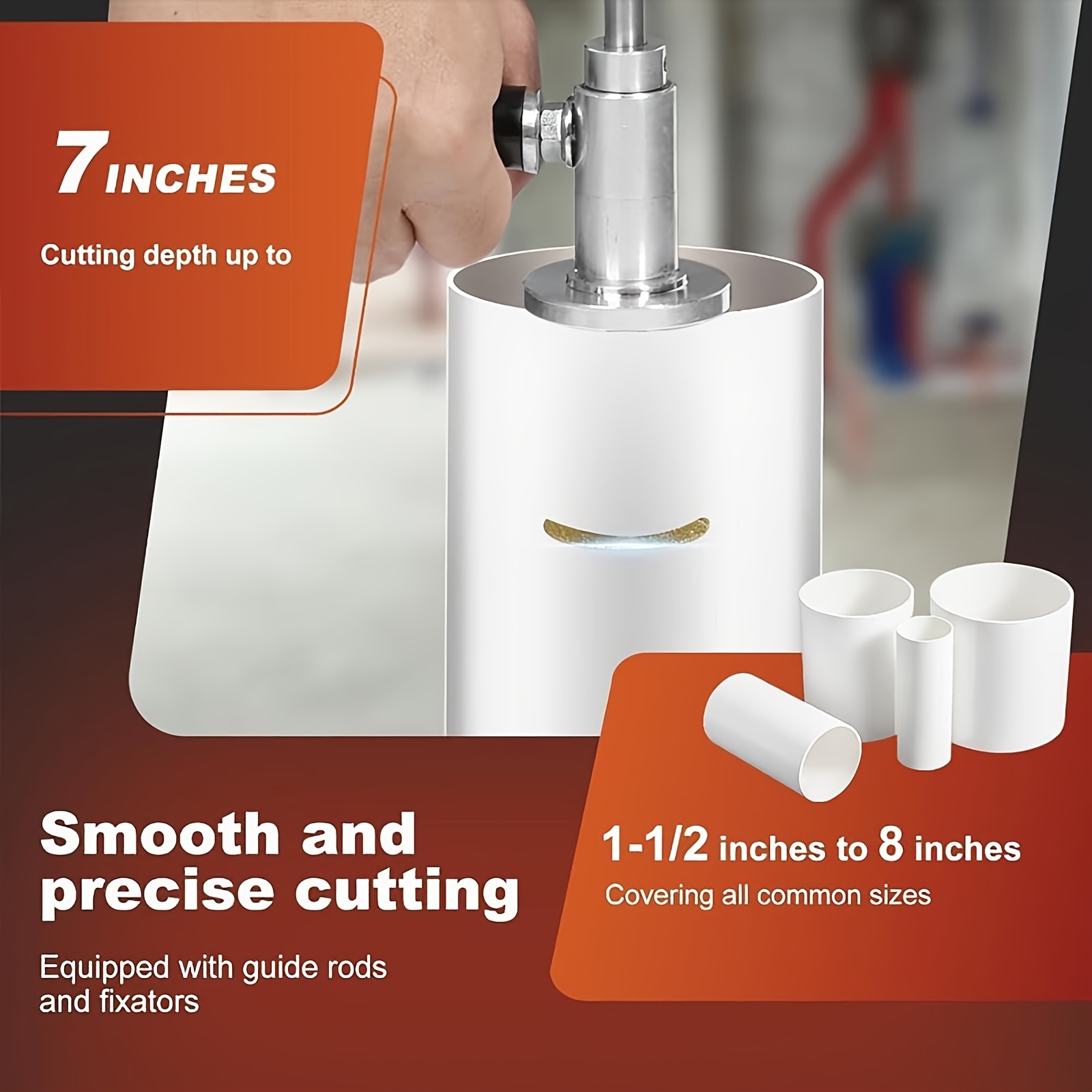
Credit: www.temu.com
Safety Tips During Pipe Cutting
Cutting pipes can be dangerous without the right precautions. Using a pipe cutter safely helps prevent injuries.
Following safety tips keeps you protected and makes the job easier. Focus on protective gear and handling.
Protective Gear Recommendations
Wear proper gear to protect your eyes, hands, and body. Sharp edges and metal fragments can cause harm.
Safety glasses shield your eyes from flying bits. Gloves protect your hands from cuts and pinches.
- Use safety glasses or goggles
- Wear cut-resistant gloves
- Consider long sleeves to protect arms
- Wear closed-toe shoes to protect feet
Safe Handling Practices
Hold the pipe cutter firmly and keep your hands clear of the cutting blade. Control the tool carefully.
Cut pipes on a stable surface to avoid slips. Make slow, steady turns with the cutter for clean cuts.
- Secure the pipe before cutting
- Keep fingers away from the blade
- Use steady, even pressure when turning
- Check the cutter blade for damage before use
- Work in a well-lit area

Credit: www.amazon.com
Frequently Asked Questions
What Is The Best Way To Use A Pipe Cutter?
To use a pipe cutter, first mark the cutting spot clearly. Align the cutter’s wheel with the mark, then tighten it gradually. Rotate the cutter around the pipe, tightening slightly each turn until the pipe is cut cleanly.
How Do Pipe Cutters Ensure Precise Measurements?
Pipe cutters provide precise cuts by allowing controlled rotation and gradual tightening. This prevents pipe deformation and ensures clean, accurate edges essential for proper fitting and installation.
Can A Pipe Cutter Measure Pipe Length Accurately?
No, pipe cutters do not measure pipe length. They are designed to cut pipes precisely, but you should use a tape measure or ruler to measure pipe length before cutting.
What Types Of Pipes Work Best With A Pipe Cutter?
Pipe cutters work best with copper, aluminum, brass, and thin-walled steel pipes. Avoid using them on thick or hardened steel pipes, which require specialized cutting tools.
Conclusion
Using a pipe cutter helps achieve clean and accurate cuts every time. It saves effort and reduces mistakes in your work. Measuring precisely before cutting ensures pipes fit well and function properly. A good cut makes joining pipes easier and prevents leaks.
Practice makes the process faster and more reliable. Keep your pipe cutter sharp and clean for best results. Small tools can make big differences in your projects. Trust the tool, follow steps, and enjoy smoother plumbing tasks.