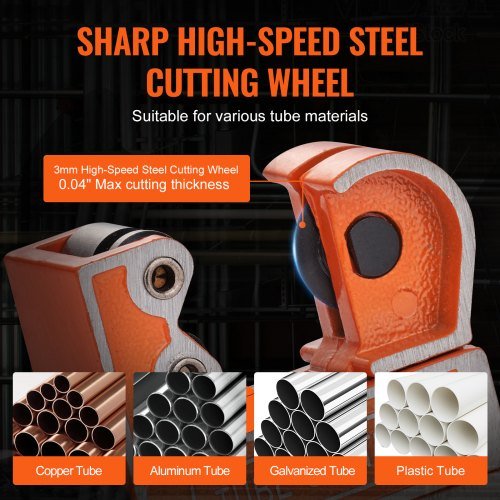
Cutting steel pipes might seem tough, but with the right tool, it becomes simple and precise. If you’ve ever struggled with uneven cuts or wasted materials, using a pipe cutter for steel pipes can change the game for you.
Imagine finishing your project faster, with clean edges every time. You’ll discover how to use a pipe cutter the right way, avoid common mistakes, and get professional results without extra effort. Ready to make your work easier and more efficient?
Keep reading to unlock these helpful tips.
Benefits Of Pipe Cutters
Pipe cutters offer a simple way to cut steel pipes. They make the task easier and faster. Using a pipe cutter can improve your work quality.
This tool is popular among plumbers and metal workers. It gives clean and accurate cuts without much effort.
Efficiency Compared To Other Tools
Pipe cutters save time compared to saws or grinders. They require less force and are easier to handle. The cutting process is quicker and less tiring.
- Less physical effort needed
- Faster cutting speed
- Easy to use in tight spaces
- No need for power tools or electricity
Cleaner Cuts And Reduced Debris
Pipe cutters produce smooth edges with minimal burrs. This reduces cleanup time after cutting. It also lowers the risk of injury from sharp edges.
| Tool | Cut Cleanliness | Debris Produced |
| Pipe Cutter | Very Clean | Low |
| Hacksaw | Rough | High |
| Angle Grinder | Moderate | Moderate |
Precision And Accuracy In Cutting
Pipe cutters allow for exact cuts every time. The tool grips the pipe firmly and turns smoothly. This control helps avoid mistakes and waste.
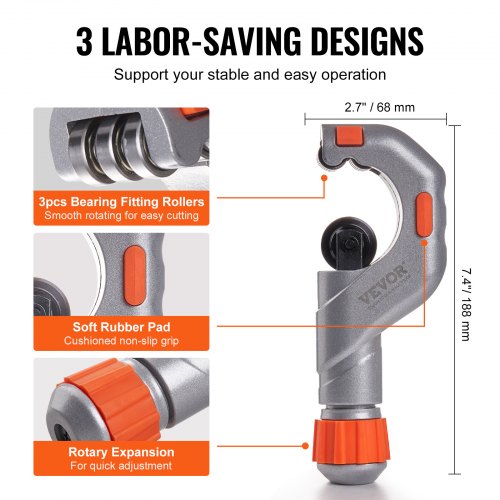
- Adjustable cutting wheel for different pipe sizes
- Consistent pressure prevents pipe deformation
- Guided cutting path keeps the line straight
Credit: www.vevor.ca
Types Of Pipe Cutters For Steel
Cutting steel pipes needs the right tools for clean and safe cuts. Pipe cutters come in different types, each suited for specific tasks.
Knowing the types helps you choose the best cutter for your steel pipe jobs.
Manual Pipe Cutters
Manual pipe cutters use hand force to cut steel pipes. They are simple tools with a sharp wheel and adjustable handles.
These cutters work well on small to medium pipes and require physical effort to rotate around the pipe.
Rotary Pipe Cutters
Rotary pipe cutters have a circular blade that spins around the pipe. They provide smoother and faster cuts than manual cutters.
- They reduce pipe deformation during cutting.
- Suitable for pipes of various sizes.
- Often used in plumbing and construction.
Electric And Pneumatic Cutters
Electric and pneumatic cutters use motors or air pressure to drive the cutting blade. They handle thick steel pipes with ease.
| Type | Power Source | Best Use |
| Electric Cutter | Electric Motor | Medium to large pipes |
| Pneumatic Cutter | Compressed Air | Heavy-duty industrial work |
Selecting The Right Pipe Cutter
Choosing the right pipe cutter is important for cutting steel pipes properly. The cutter must match the pipe size and material.
Using the correct pipe cutter makes the job easier and gives clean cuts. Here are key points to consider.
Considering Pipe Diameter And Thickness
Pipe cutters come in different sizes to fit pipe diameters. The thickness of the pipe wall also matters.
- Check the cutter’s maximum pipe diameter capacity.
- Choose a cutter that can handle the pipe’s wall thickness.
- For thick pipes, use a heavy-duty cutter to avoid damage.
Material Compatibility
Steel pipes vary in type, such as stainless steel or galvanized steel. Not all cutters work well on all materials.
| Pipe Material | Recommended Cutter Type |
| Carbon Steel | Standard steel pipe cutter |
| Stainless Steel | Heavy-duty cutter with hardened blade |
| Galvanized Steel | Cutter with corrosion-resistant blade |
Portability And Ease Of Use
Consider how easy the cutter is to carry and use on the job site. Portability helps when working in tight spaces.
- Look for lightweight cutters for better control.
- Check if the cutter has comfortable grips.
- Choose a model with easy adjustment features.
Step-by-step Cutting Process
Cutting steel pipes needs care and the right tools. Using a pipe cutter makes the job easier and more precise.
This guide shows you the main steps to cut steel pipes safely and cleanly with a pipe cutter.
Preparing The Pipe And Workspace
Start by clearing your workspace. Make sure it is well-lit and free of clutter. This will keep you safe and help you work faster.
Wear safety gloves and glasses to protect your hands and eyes from metal shards and dust.
- Clean the pipe surface to remove dirt and rust.
- Secure the pipe in a stable position using a vise or clamps.
- Check the pipe cutter to ensure it is sharp and working well.
Marking The Cut Line
Mark the exact spot where you want to cut. Use a measuring tape to measure the length carefully.
Draw a clear, straight line around the pipe using a permanent marker or a scribe tool. This line guides your cut.
Positioning The Pipe Cutter
Open the pipe cutter and place its cutting wheel on the marked line. Make sure it touches the pipe evenly.
Tighten the cutter’s knob until the wheel presses firmly against the pipe but does not deform it.
- Place the cutter on the mark.
- Tighten the knob slowly.
- Check alignment from all sides.
Executing The Cut
Rotate the pipe cutter around the pipe smoothly. Keep the pressure steady and avoid forcing the tool.
After each full turn, tighten the knob a little to deepen the cut. Repeat this until the pipe separates.
| Action | Tip |
|---|---|
| Rotate Cutter | Turn slowly and evenly |
| Tighten Knob | Increase pressure gradually |
| Check Progress | Stop if pipe cracks or deforms |
Finishing And Deburring
After cutting, remove the pipe cutter and inspect the edge. It may have sharp burrs or rough spots.
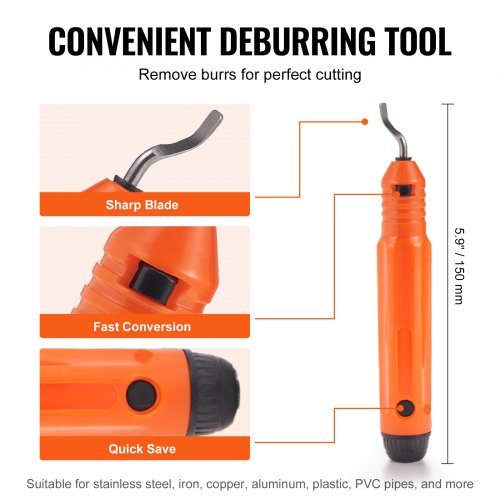
Use a deburring tool or fine sandpaper to smooth the cut edge. This prevents injury and ensures a good fit for fittings.
- Wear gloves while deburring.
- Work gently to avoid removing too much material.
- Clean the pipe after finishing.
Safety Tips During Cutting
Cutting steel pipes with a pipe cutter needs care to avoid injury. Safety rules help protect you and others nearby.
Knowing how to use tools safely keeps the job smooth and damage-free. Follow these tips to stay safe.
Protective Gear Recommendations
Wearing the right gear lowers the risk of cuts and eye injuries. Always prepare before cutting steel pipes.
- Wear safety goggles to shield your eyes from metal shards.
- Use heavy-duty gloves to protect your hands from sharp edges.
- Wear long sleeves and pants to cover your skin.
- Use ear protection if the cutting noise is loud.
Handling Sharp Edges
Steel pipes have sharp edges after cutting. Handle them carefully to prevent cuts and scrapes.
| Action | Reason |
| Use a file or sandpaper | To smooth sharp pipe edges |
| Wear gloves | Protect hands from cuts |
| Keep cut pipe ends away from body | Avoid accidental injury |
| Dispose of metal scraps safely | Prevent hazards to others |
Maintaining Tool Condition
Well-kept tools work better and reduce accidents. Check your pipe cutter before each use.
- Clean the cutter blade after every job.
- Lubricate moving parts to keep smooth operation.
- Inspect the blade for damage or dullness.
- Replace worn or broken parts immediately.
Common Issues And Troubleshooting
Using a pipe cutter on steel pipes can be tricky. Common problems like uneven cuts, stuck cutters, and pipe deformation often happen. Knowing how to fix these helps keep your work clean and safe.
This guide covers ways to avoid uneven cuts, deal with stuck cutters, and prevent pipe deformation. Follow these tips for better results with your pipe cutter.
Avoiding Uneven Cuts
Uneven cuts can cause leaks and poor pipe connections. To avoid this, keep the cutter steady and aligned properly. Make sure the pipe sits straight in the cutter.
- Check the cutter blade for sharpness before use.
- Rotate the cutter slowly and evenly around the pipe.
- Apply consistent pressure; avoid pressing too hard.
- Keep the pipe clean and free of debris.
- Use guide marks on the pipe to keep the cut straight.
Dealing With Stuck Cutters
Cutters may get stuck if the blade is dull or the pipe is too thick. Trying to force the cutter can damage the tool or pipe. Use these steps to free a stuck cutter safely.
- Stop turning and release the pressure on the cutter.
- Inspect the blade for damage or rust and clean it.
- Apply a small amount of lubricant to the cutter wheel.
- Gently twist the cutter back and forth to loosen it.
- If stuck still, remove the cutter and check the pipe for burrs.
Preventing Pipe Deformation
Deformation happens when too much force bends or dents the pipe. This weakens the pipe and causes fitting problems. Use the right method to keep the pipe shape intact.
| Cause | Solution |
|---|---|
| Excessive pressure while cutting | Apply steady, moderate pressure |
| Incorrect cutter size for pipe diameter | Use a cutter that fits the pipe size |
| Improper pipe support during cutting | Secure pipe firmly using a clamp or vise |
| Worn or damaged cutter blade | Replace or sharpen the blade before cutting |
Maintenance For Longevity
Using a pipe cutter for steel pipes needs regular care. Proper maintenance keeps the tool working well.
Simple steps like cleaning and oiling help the cutter last longer. Good storage also protects it.
Cleaning After Use
Remove metal shavings and dirt from the cutter after each use. This stops rust and damage.
Use a brush or cloth to clean the blades and rollers. Avoid water to keep parts dry.
- Brush off metal bits
- Wipe blades with a dry cloth
- Check for stuck debris
Lubricating Moving Parts
Apply oil to the moving parts of the pipe cutter. This lowers friction and prevents wear.
Focus on the rollers, screws, and pivot points. Use light machine oil for best results.
- Use a few drops of oil
- Move parts to spread oil evenly
- Wipe off extra oil to avoid dirt
Storage Best Practices
Store the pipe cutter in a dry place to stop rust. Keep it in a toolbox or hang it on a pegboard.
Close the cutter jaws slightly to protect the blades. Avoid storing with heavy tools on top.
- Keep the tool dry and clean
- Store in a safe, dry spot
- Protect blades from damage

Credit: www.honglitools.com
Credit: www.vevor.ca
Frequently Asked Questions
What Is The Best Pipe Cutter For Steel Pipes?
The best pipe cutter for steel pipes is a heavy-duty rotary cutter. It offers clean, precise cuts and reduces metal deformation. Look for adjustable cutting wheels and sturdy grips for durability and ease of use.
How Do You Properly Use A Pipe Cutter On Steel?
To use a pipe cutter, place it around the steel pipe. Tighten the cutter wheel gradually while rotating it. Continue tightening until the pipe is cut through. Ensure steady pressure for a smooth, clean cut without crushing the pipe.
Can A Pipe Cutter Cut Thick Steel Pipes?
Yes, a pipe cutter can cut thick steel pipes if it’s designed for heavy-duty use. Choose a cutter with a strong cutting wheel and adjustable clamp. For extremely thick pipes, a specialized heavy-duty cutter or alternative tools may be required.
How To Maintain A Pipe Cutter For Steel Pipes?
Clean the cutter after each use to remove metal shavings. Lubricate the cutting wheel and moving parts regularly. Store it in a dry place to prevent rust. Proper maintenance ensures smooth operation and extends the tool’s lifespan.
Conclusion
Using a pipe cutter for steel pipes is straightforward and efficient. It ensures clean, precise cuts every time. Safety should always be a priority when handling tools. Always wear protective gear and follow instructions. Practice makes perfect, so don’t rush your work.
A steady hand and patience lead to better results. Choosing the right cutter size is crucial for success. Always check the cutter’s condition before use. A well-maintained tool lasts longer and performs better. Remember, the right tool simplifies your task.
Happy cutting, and stay safe while working with steel pipes!