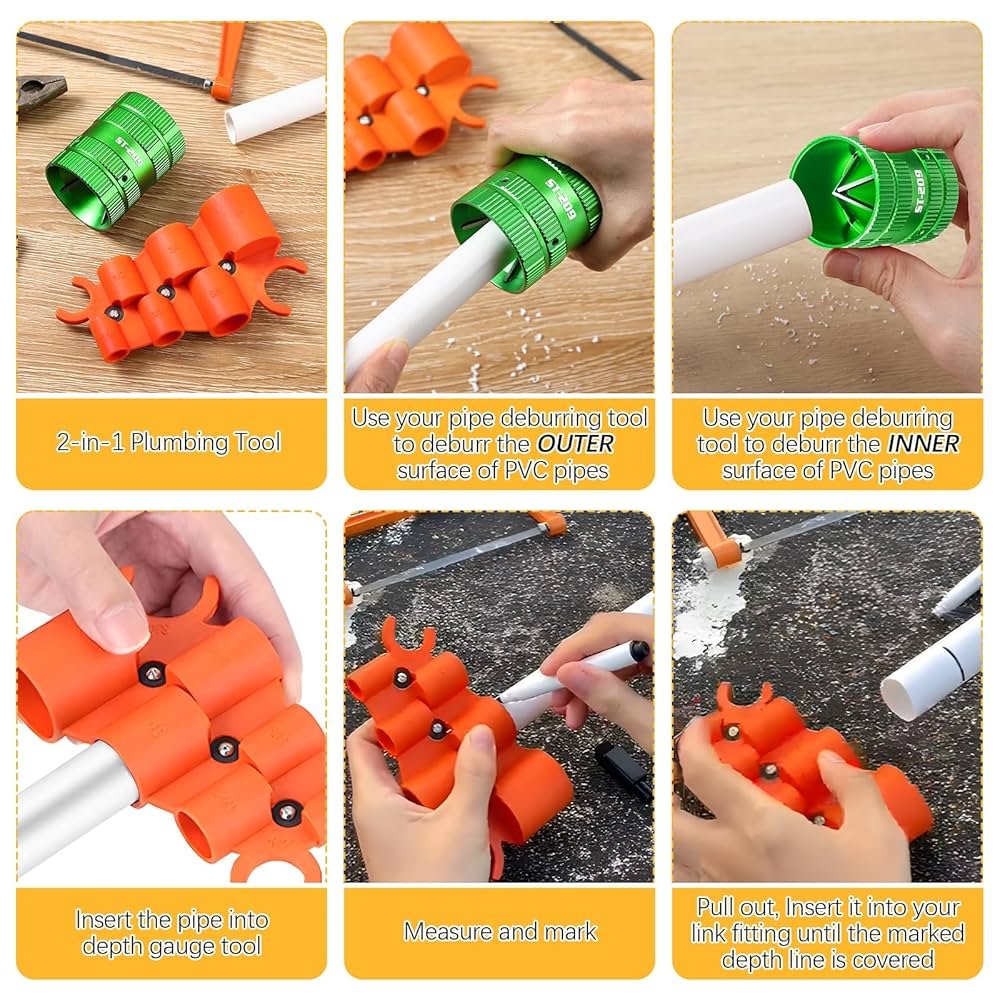
When you work with pipes, getting a clean, smooth finish is key to making sure everything fits perfectly and works safely. Using a pipe deburring tool can save you time and frustration by quickly removing rough edges and sharp burrs from your pipes.
If you want your projects to look professional and last longer, learning how to use this simple tool can make all the difference. Keep reading, and you’ll discover easy steps and tips that will help you master pipe deburring like a pro.
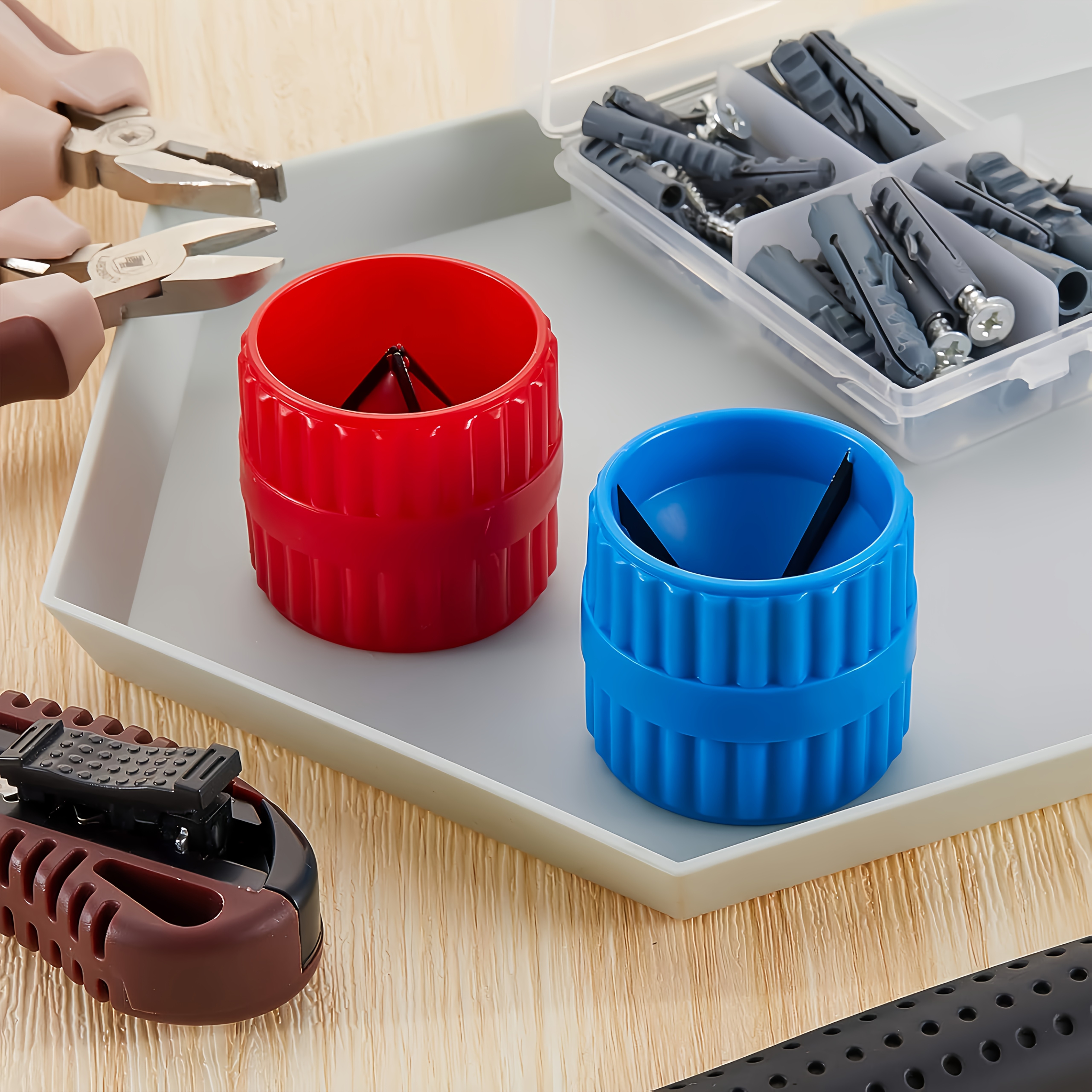
Credit: www.temu.com
Why Deburring Matters
Deburring removes rough edges and small pieces left on pipes after cutting. This makes the pipe safer and easier to use. Using a pipe deburring tool helps keep pipes clean and smooth.
Without deburring, pipes can have sharp edges that cause problems. Proper deburring improves how pipes work and last longer.
Impact On Pipe Performance
Deburring affects pipe performance in many ways. Smooth edges help pipes fit better and reduce leaks. It also stops damage to seals and connectors.
- Improves flow by removing blockages
- Prevents damage to fittings and seals
- Reduces risk of corrosion at rough edges
- Makes pipe installation easier and faster
- Increases pipe lifespan and reliability
Common Issues Without Deburring
Not deburring pipes can cause many problems. Sharp edges may cut hoses or injure workers. Burrs can block fluid flow or trap dirt and debris.
| Issue | Description | Effect |
| Leakage | Gaps from poor fitting edges | Water or gas leaks |
| Damage | Sharp edges harm seals or hoses | Pipe or equipment failure |
| Blockages | Burrs obstruct fluid flow | Reduced pipe efficiency |
| Corrosion | Rough edges trap moisture | Faster pipe wear |
Choosing The Right Deburring Tool
Using a pipe deburring tool is key to clean pipe edges. Picking the right tool makes the job easier and safer.
This guide helps you understand different types of tools and what to think about before choosing one.
Types Of Pipe Deburring Tools
There are several pipe deburring tools. Each fits different pipe materials and sizes.
- Manual Deburring Tools:Simple handheld tools for small jobs and thin pipes.
- Rotary Deburring Tools:Use motor power for fast and smooth edges on metal pipes.
- Adjustable Deburring Tools:Can change size to fit various pipe diameters.
- Pipe Reamers:Remove burrs inside the pipe end for a clean finish.
- Electric Deburring Machines:Best for large jobs needing speed and precision.
Factors To Consider
Choose a deburring tool by checking pipe type, size, and job needs. Safety and ease matter too.
| Factor | Description | Why It Matters |
|---|---|---|
| Pipe Material | Metal, plastic, or copper pipes | Some tools work better on certain materials |
| Pipe Size | Diameter and wall thickness | Tool must fit pipe to remove burrs properly |
| Job Volume | Number of pipes to deburr | High volume may need electric or rotary tools |
| User Skill | Experience with deburring tools | Simple tools suit beginners; advanced tools need skill |
| Safety Features | Grip, blade guards, and tool design | Prevents accidents and improves control |
Step-by-step Deburring Process
Deburring a pipe is important to remove rough edges. This makes the pipe safe and ready for use.
Using a pipe deburring tool is easy if you follow the right steps. This guide helps you work safely and correctly.
Preparing The Pipe
Start by cleaning the pipe end. Remove any dirt, dust, or moisture to get a clear view of the edges.
Secure the pipe in a stable position. This will prevent it from moving while you work.
- Wipe the pipe with a dry cloth
- Check the pipe end for sharp edges
- Use a clamp or vise to hold the pipe
Using The Deburring Tool
Place the deburring tool inside the pipe end. Hold the handle firmly to control the tool.
Rotate the tool gently around the pipe’s edge. Make sure to cover the entire inner and outer surface.
- Insert the tool into the pipe
- Turn the handle clockwise several times
- Check if all rough edges are smoothed
Checking The Results
After deburring, look closely at the pipe edge. It should be smooth and free from sharp bits.
Run your finger carefully along the pipe edge. It should feel even without any cuts or bumps.
- Inspect the pipe with good lighting
- Feel the edges gently with your hand
- Repeat deburring if needed
Safety Tips During Deburring
Using a pipe deburring tool helps smooth pipe edges safely. It removes sharp burrs that can cause cuts or damage.
Follow safety tips to avoid injuries and work more efficiently. Protect yourself and handle tools with care.
Protective Gear To Wear
Wear the right protective gear before starting deburring. It keeps you safe from flying debris and sharp edges.
- Safety goggles to protect your eyes
- Cut-resistant gloves to shield your hands
- Long sleeves to protect your arms
- Dust mask to avoid inhaling particles
Handling Tools Safely
Handle your pipe deburring tool carefully to prevent accidents. Use the tool as instructed and keep control at all times.
| Safety Tip | Details |
| Inspect Tool | Check for damage or dull blades before use |
| Firm Grip | Hold the tool tightly to avoid slipping |
| Work Slowly | Remove burrs gently to prevent tool kickback |
| Clear Area | Keep workspace free of clutter to avoid tripping |
Maintaining Your Deburring Tool
Keeping your pipe deburring tool in good shape helps it work well. Regular care saves time and money.
Simple steps like cleaning and checking the blades keep the tool ready for use. Learn how to maintain it properly.
Cleaning And Storage
After using the deburring tool, clean off any metal shavings or dirt. Wipe the blades and handle with a dry cloth.
- Use a brush to remove stuck debris from the blades.
- Avoid water to prevent rust on metal parts.
- Store the tool in a dry place to keep it in good condition.
- Keep the tool in a case or pouch to protect the blades.
When To Replace Blades
Blades wear out after many uses. Dull blades make uneven cuts and can damage pipes.
| Sign | Action |
| Blade looks dull or chipped | Replace blade immediately |
| Deburring takes more effort | Check blade sharpness |
| Edges are rough after deburring | Change blade for clean cuts |
| Blade feels loose in the tool | Secure or replace blade |

Credit: www.reedmfgco.com
Common Mistakes To Avoid
Using a pipe deburring tool helps clean rough edges inside pipes. This makes pipe fitting easier and safer.
Many people make mistakes that reduce the tool’s effectiveness. Avoiding these errors keeps your work smooth.
Over-deburring Risks
Removing too much material can damage the pipe. It weakens the pipe wall and can cause leaks later.
Focus on just removing the burrs and rough edges. Avoid pressing too hard or going over the same spot many times.
- Over-thinning pipe walls can cause cracks.
- Excessive deburring may affect pipe fit and seal.
- Too much force can break the tool or pipe.
Ignoring Tool Maintenance
Not cleaning or sharpening the tool causes it to work poorly. A dull tool takes more effort and risks damage.
Check the blade regularly and clean debris after each use. Proper care extends the tool’s life and keeps it safe.
- Dull blades increase the chance of slips and accidents.
- Debris buildup reduces cutting precision.
- Regular maintenance saves time and money.
Benefits Of Flawless Pipes
Using a pipe deburring tool removes sharp edges and rough spots inside pipes. This process makes pipes smooth and clean. Flawless pipes help systems run better and last longer.
Properly finished pipes reduce damage and improve how fluids move through them. These benefits save money and prevent problems in plumbing and industrial systems.
Improved Durability
Removing burrs and rough edges stops cracks and corrosion. Pipes last longer without leaks or breaks. This means fewer repairs and less downtime for the system.
- Prevents metal fatigue and cracks
- Reduces corrosion risk by removing sharp edges
- Improves joint connections for stronger seals
- Extends pipe life in harsh environments
Enhanced Flow Efficiency
Smooth pipe interiors let fluids pass without obstacles. This lowers pressure loss and saves energy in pumping or heating. Cleaner flow also reduces buildup inside pipes.
| Benefit | Effect on System |
| Reduced friction | Better flow rate and lower energy use |
| Fewer blockages | Less maintenance and downtime |
| Consistent pipe diameter | Accurate fluid control and measurement |
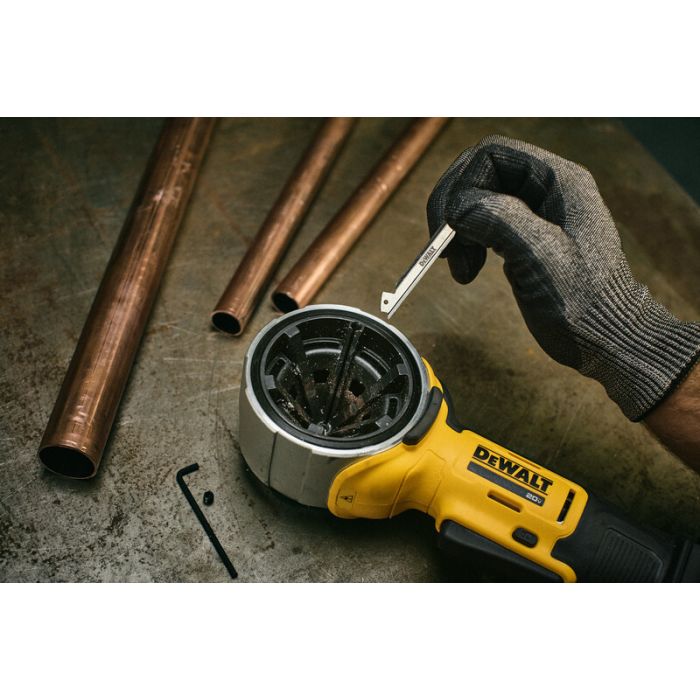
Credit: www.jccayer.com
Frequently Asked Questions
What Is The Purpose Of A Pipe Deburring Tool?
A pipe deburring tool removes rough edges and burrs from cut pipes. It ensures smooth pipe ends, preventing leaks and damage. This tool improves pipe fitting accuracy and safety during installation.
How Do You Use A Pipe Deburring Tool Correctly?
Insert the tool into the pipe end and rotate gently. Move it around the inner and outer edges to remove burrs. Repeat until the edges feel smooth and safe to handle.
Can A Pipe Deburring Tool Work On All Pipe Materials?
Most pipe deburring tools work on metal, plastic, and copper pipes. However, check the tool’s specifications to ensure compatibility with your pipe type. Using the correct tool prevents damage to the pipe surface.
Why Is Pipe Deburring Important Before Installation?
Deburring removes sharp edges that can cause leaks or damage fittings. It ensures a tight seal and smooth connections. Proper deburring extends pipe lifespan and improves system reliability.
Conclusion
Using a pipe deburring tool makes pipe work easier and safer. It removes sharp edges quickly and prevents damage. The tool helps pipes fit better and reduces leaks. Anyone working with pipes should keep this tool close. It saves time and improves the quality of your work.
Simple, effective, and worth having for any pipe project. Give your pipes a smooth finish every time.