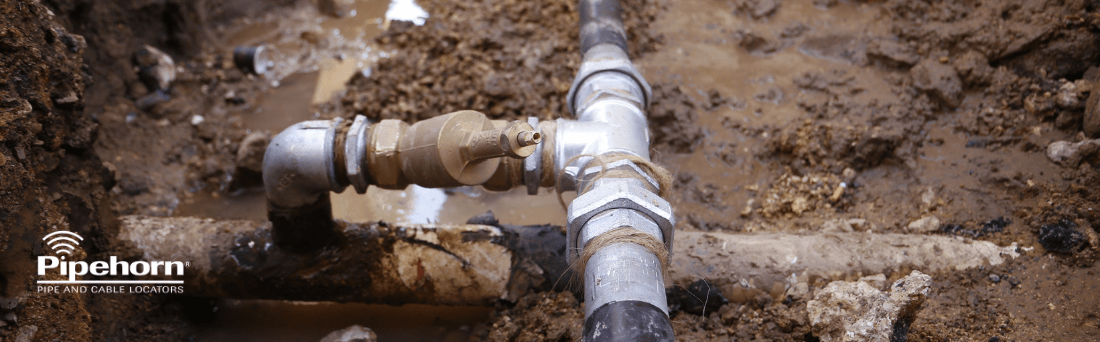
Imagine you’re about to dig into the ground for your next big project. The excitement builds as you picture your vision coming to life.
But wait! What lies beneath the surface? If you’re not careful, you might hit a pipe or cable, turning your dream into a costly nightmare. That’s where using a pipe locator for accuracy becomes your best ally. This tool ensures you avoid any underground surprises, saving you time and money.
You’ll discover how a pipe locator works and why it’s essential for your projects. Stick around to learn how this simple device can make a world of difference for you and your work.

Credit: www.amazon.ca
Benefits Of Pipe Locators
Pipe locators help find underground pipes quickly and accurately. They reduce guesswork and errors in detection. Using these tools makes the process safer and more efficient.
Many industries rely on pipe locators to prevent damage and save money. The benefits cover accuracy, time, cost, and safety improvements.
Improved Accuracy In Detection
Pipe locators use advanced technology to detect pipes with high precision. This reduces the chance of hitting the wrong spot. Accurate detection helps avoid costly repairs and delays.
Time And Cost Efficiency
Using a pipe locator saves time by quickly identifying pipe locations. This speeds up project completion and cuts down labor costs. It also lowers the risk of expensive damage to underground utilities.
- Faster detection reduces overall project time
- Less digging means lower labor and equipment costs
- Prevents costly repairs from accidental pipe damage
- Minimizes project interruptions and delays
Safety Enhancements
Pipe locators improve safety by reducing the risk of hitting gas or electrical lines. This protects workers and nearby residents. Safety is a key priority on any digging site.
| Safety Benefit | Description |
| Accident Reduction | Prevents strikes on hazardous pipes |
| Worker Protection | Limits exposure to underground dangers |
| Site Security | Reduces risk of project site injuries |
| Compliance | Helps meet safety regulations and standards |
Types Of Pipe Locators
Using a pipe locator helps find underground pipes accurately. Different types of locators work in different ways. Choosing the right tool depends on the pipe and ground conditions.
This guide explains three main types of pipe locators. Each type has unique features for specific situations.
Electromagnetic Locators
Electromagnetic locators detect metal pipes by sending a signal through the pipe. The locator picks up this signal above the ground. This method works well with metal or conductive pipes.
- Easy to use for metal pipes
- Works best in dry soil
- Cannot detect non-metal pipes directly
- Requires a signal transmitter for plastic pipes with metal tracer wire
Ground Penetrating Radar
Ground penetrating radar (GPR) uses radar pulses to map underground objects. It can find pipes made of metal, plastic, or concrete. GPR shows a picture of what lies below the surface.
| Feature | Description |
| Detection Range | Up to several meters deep |
| Pipe Types | Metal, plastic, concrete |
| Best Soil Types | Dry sandy or rocky soils |
| Limitations | Less effective in wet clay soils |
Acoustic Pipe Locators
Acoustic locators find pipes by detecting sound waves. A device sends a sound or vibration into the pipe. The locator listens for the echo to find the pipe’s path.
- Works with plastic and metal pipes
- Good for noisy or crowded areas
- Needs direct contact with the pipe
- Effective for locating leaks and blockages
Choosing The Right Pipe Locator
Using a pipe locator helps find underground pipes with more accuracy. Picking the right tool makes the job safer and easier.
Different projects need different types of pipe locators. Knowing what to look for saves time and money.
Assessing Project Requirements
Think about what the project needs before choosing a pipe locator. Consider pipe depth, material, and size. Also, check if you need to locate cables or only pipes.
- Type of pipes to locate
- Depth of pipes underground
- Size and material of pipes
- Need to detect cables or other utilities
- Accuracy level required
Evaluating Environmental Conditions
Check the environment where the pipe locator will be used. Different conditions affect the tool’s performance.
| Condition | Effect on Locator |
| Wet soil | Better signal conductivity |
| Rocky ground | Signal may weaken |
| High electrical interference | Possible false readings |
| Cold weather | Battery life may shorten |
Considering Budget And Features
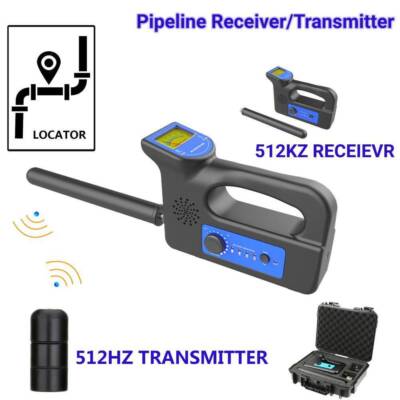
Look at the price and features of pipe locators. Choose one that fits your budget and has the needed functions.
- Price range for pipe locators
- Battery life and type
- Display and ease of use
- Depth range and accuracy
- Additional features like signal strength indicator
Credit: www.ebay.ca
Preparing For Pipe Location
Using a pipe locator helps find underground pipes accurately. Proper preparation makes the process easier and safer.
Before starting, you need to gather information and plan your steps carefully.
Reviewing Site Plans
Look at the site plans to understand where pipes might be. Plans show the layout of underground utilities and structures.
Check for any updates or changes to the plans that may affect pipe location.
Marking Known Utilities
Mark areas where you know utilities already exist. This helps avoid damaging pipes during the search.
- Use flags or paint to mark utility lines
- Label each mark with the type of utility
- Keep a safe distance from marked utilities
Safety Precautions
Safety is important when locating pipes. Wear proper gear and follow safety rules to prevent accidents.
Be aware of underground hazards and have emergency contacts ready before starting work.
Operating A Pipe Locator Effectively
Using a pipe locator helps find underground pipes safely and accurately. Knowing how to operate it well saves time and prevents damage.
This guide explains key steps to use a pipe locator correctly. Focus on calibration, scanning, and reading signals for best results.
Calibrating The Device
Calibrate the pipe locator before use to ensure accurate readings. Calibration sets the device to the right sensitivity and frequency.
Follow the instructions in the user manual for your model. Check the battery and reset the device if needed.
- Turn on the device and select the correct mode
- Adjust sensitivity to match ground conditions
- Test calibration over a known pipe or metal object
- Recalibrate if readings seem off during use
Scanning Techniques
Move the pipe locator slowly and steadily over the ground. Keep the device close to the surface for better detection.
Scan in overlapping passes to cover the area fully. Change direction to confirm pipe location and depth.
- Hold the locator flat and steady
- Walk at a slow pace to avoid missing signals
- Scan in straight lines with some overlap
- Repeat scans at different angles
Interpreting Signals
Listen for changes in tone and watch the display for signal strength. Stronger signals usually mean closer pipes.
Note signal patterns to understand pipe direction and depth. Weak or erratic signals may need rescanning or recalibration.
- High tone means you are near the pipe
- Signal strength increases when directly above the pipe
- Signal fades when moving away from the pipe
- Check for consistent signals before marking
Credit: m.tvcmall.com
Common Challenges And Solutions
Using a pipe locator helps find underground pipes accurately. It can be hard to get exact results due to many factors.
Understanding common problems can improve your locating work. Here are challenges and ways to fix them.
Dealing With Interference
Other signals and metal objects can cause interference. This makes pipe signals weak or hard to read.
To reduce interference, move the locator slowly and try different positions. Use filters if the device has them.
- Stay away from power lines and metal fences
- Check for other buried utilities nearby
- Use signal frequency settings to avoid noise
- Repeat scans from different angles
Locating Non-metallic Pipes
Non-metallic pipes do not carry electric signals. This makes them harder to find with standard locators.
You can use special locating rods or tracer wires inside pipes. Another way is to use ground-penetrating radar.
- Insert a tracer wire in the pipe before locating
- Use a locator designed for plastic pipes
- Try ground-penetrating radar for tough spots
Handling Complex Underground Networks
Many pipes and cables underground can overlap. This makes it hard to tell which pipe is which.
Mark pipes as you find them and use different frequencies. Keep notes to avoid confusion during the work.
- Scan slowly and mark each pipe on the surface
- Use multiple frequencies to separate signals
- Keep a map of located pipes for future reference
- Work in sections to avoid mixing signals
Maintaining Your Pipe Locator
Keeping your pipe locator in good shape helps it work well. Regular care makes it last longer and stay accurate.
This guide shows easy ways to maintain your pipe locator. Follow these tips to get the best results every time.
Regular Cleaning
Clean your pipe locator often to remove dirt and dust. Dirt can block sensors and affect accuracy.
Use a soft, dry cloth to wipe the surface. Avoid water or harsh chemicals that can damage parts.
- Wipe the screen gently
- Keep sensor areas clear
- Store in a clean, dry place
Battery Care
Check the battery level before each use. Low batteries can cause wrong readings or shut down.
Use the correct batteries and replace them when needed. Remove batteries if the locator will not be used for a long time.
- Charge rechargeable batteries fully
- Use fresh batteries for best power
- Store batteries in a cool, dry place
Software Updates
Keep your pipe locator’s software up to date. Updates fix bugs and improve accuracy.
Check the manufacturer’s website or app for updates. Follow instructions to install new software safely.
- Connect the device to your computer or phone
- Download the latest software version
- Install updates as soon as possible
Frequently Asked Questions
What Is A Pipe Locator Used For?
A pipe locator detects underground pipes to prevent accidental damage during digging. It ensures safety and precision in construction and maintenance projects.
How Does A Pipe Locator Improve Accuracy?
Pipe locators use electromagnetic signals to trace pipes accurately. This technology reduces errors and avoids costly repairs or delays caused by hitting hidden pipes.
Can A Pipe Locator Detect All Pipe Materials?
Most pipe locators detect metal and plastic pipes with tracer wires. However, detection efficiency varies by pipe type and soil conditions, so verify compatibility before use.
Is Using A Pipe Locator Essential For Construction?
Yes, it prevents damaging utilities, ensuring worker safety and project compliance. Using a pipe locator minimizes risks and costly disruptions on construction sites.
Conclusion
Using a pipe locator helps find pipes quickly and safely. It reduces mistakes and saves time during work. Accurate locating prevents damage to underground utilities. This tool makes digging and repairs easier and safer. Anyone working near pipes should consider using one.
It brings peace of mind on any job site. Simple, effective, and reliable—pipe locators improve accuracy every time.
