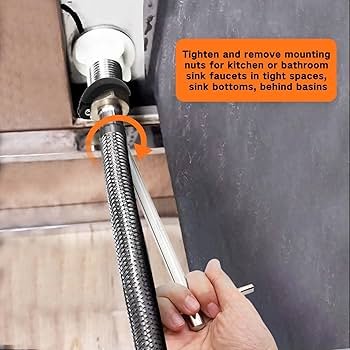
Have you ever struggled to fix a pipe in a cramped spot, wishing you had the right tool to make the job easier? Using a pipe wrench in tight spaces can feel tricky, but with the right tips and techniques, you can handle even the most stubborn pipes without frustration.
You’ll discover simple ways to get a solid grip and turn those hard-to-reach fittings like a pro. Keep reading, and you’ll never dread tight plumbing jobs again.

Credit: www.reddit.com
Choosing The Right Pipe Wrench
Using a pipe wrench in tight spaces can be tricky. Picking the right wrench helps you work faster and safer.
Different pipe wrenches fit different jobs. Knowing the types and sizes makes your choice easier.
Types Of Pipe Wrenches
There are several types of pipe wrenches. Each type works best in certain situations, especially in tight spaces.
- Stillson Wrench:The most common type with adjustable jaws. Good for gripping round pipes.
- End Pipe Wrench:Has a narrow head for tight spots. Useful where space is limited.
- Compound Leverage Wrench:Uses extra leverage for tough jobs. Best for very tight or stuck pipes.
- Strap Wrench:Uses a strong strap instead of jaws. Works well on delicate pipes without damage.
Size And Grip Considerations
Choose a pipe wrench size that fits the space and pipe size. Large wrenches may not fit in small areas.
The wrench’s grip should hold the pipe firmly without slipping. A secure grip reduces effort and prevents damage.
- Smaller wrenches work better in tight spaces.
- Adjustable jaws let you fit different pipe sizes.
- Check the teeth on the jaws for a strong grip.
- Use a wrench with a comfortable handle for better control.
Preparing For Tight Space Work
Using a pipe wrench in tight spaces needs careful preparation. It helps you work safely and efficiently.
Preparing your work area and following safety rules keeps you safe and avoids damage.
Clearing The Area
Remove anything blocking your workspace before starting. This makes it easier to move and use the wrench.
Clear tools, debris, and other objects near the pipe. This helps prevent accidents and damage.
- Move furniture or boxes away from the work area
- Keep only the tools you need nearby
- Clean up oil, water, or dust that may cause slipping
- Ensure good lighting to see the pipe clearly
Safety Precautions
Wear protective gear to avoid injuries. Tight spaces can increase risks of cuts or bruises.
Check the pipe wrench for damage before use. A broken tool can slip and cause accidents.
- Wear gloves to protect your hands
- Use safety glasses to protect your eyes
- Make sure the wrench fits the pipe properly
- Keep a firm grip on the wrench at all times
- Work slowly and carefully to avoid sudden slips
Techniques For Tight Spaces
Using a pipe wrench in tight spaces can be tricky. The right techniques help you work safely and efficiently. This guide covers ways to adjust your approach for cramped areas.
With some simple tips, you can use your pipe wrench even where space is limited. Try different angles, handles, and grips to get the job done.
Adjusting The Wrench Angle
Changing the wrench angle helps you reach nuts and pipes in narrow spots. Tilt the wrench slightly to fit the space without losing grip. Small angle changes can make a big difference.
- Hold the wrench handle at a low angle to clear obstacles.
- Rotate the wrench in short movements to avoid hitting nearby parts.
- Use the wrench jaws at an angle to maintain pressure on the pipe.
Using Extension Handles
Extension handles give extra reach when space is tight. They let you apply more force without straining your hands. Attach an extension to the wrench handle for better control.
| Extension Type | Best Use | Notes |
| Metal Pipe | Extra length | Strong, but heavy |
| Rubber Grip Extension | Comfort grip | Reduces slipping |
| Telescoping Handle | Adjustable length | Compact for storage |
Leveraging Alternate Grip Positions
Changing your grip can help in tight spaces. Hold the wrench closer to the jaws for more power. Use a lower grip to fit into narrow areas.
- Grip near the wrench head for strong turns.
- Hold the handle end for longer leverage.
- Use a two-handed grip for better control.
- Try a sideways grip to clear nearby obstacles.
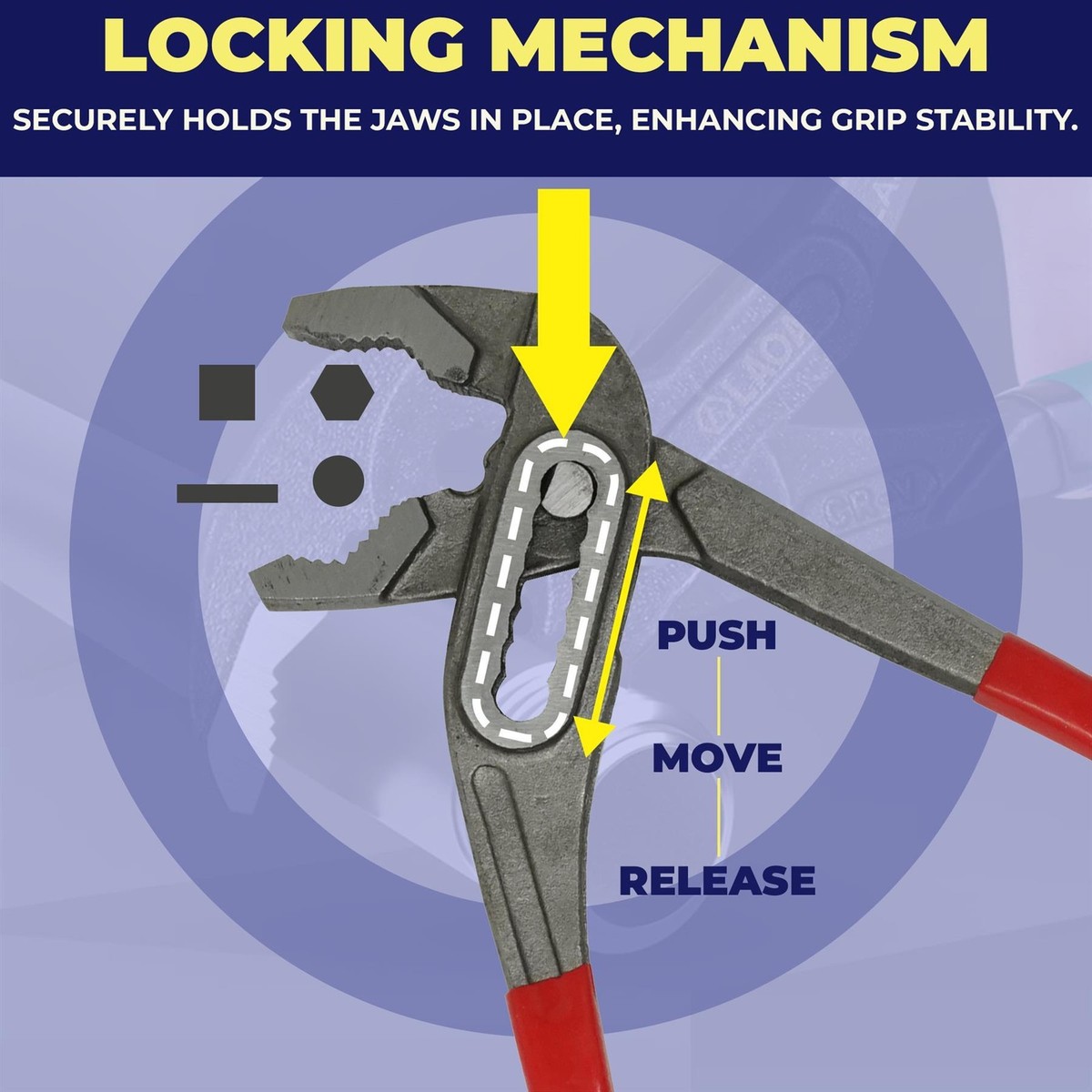
Credit: www.ebay.com
Alternative Tools And Accessories
Using a pipe wrench in tight spaces can be hard. Some tools and accessories help you work better in small areas.
This guide covers compact wrenches, flexible pipe wrenches, and adapters for pipe wrenches.
Compact Wrenches
Compact wrenches are smaller than standard ones. They fit easily into narrow spaces where regular wrenches cannot reach.
These wrenches still provide good grip and torque for turning pipes in tight spots.
- Shorter handle for better control
- Smaller jaw size for narrow gaps
- Lightweight for easier use
Flexible Pipe Wrenches
Flexible pipe wrenches have a bendable handle or joint. This flexibility helps reach pipes at odd angles.
You can adjust the wrench to fit around corners or obstacles without losing grip.
- Adjusts to different angles
- Good for awkward or blocked spaces
- Maintains strong grip on pipes
Using Pipe Wrench Adapters
Pipe wrench adapters connect to your wrench to help work in tight spaces. They extend reach or change the tool’s shape.
Adapters let you use one wrench for many jobs. They can add angled heads or extra length.
- Extension adapters add length for hard-to-reach pipes
- Angle adapters allow turning at sharp angles
- Universal adapters fit different wrench sizes
Maintenance And Care
Using a pipe wrench in tight spaces can be tough on the tool. Proper care helps keep it working well. Regular maintenance makes the wrench last longer.
Cleaning, storing, and inspecting the wrench are key tasks. These steps keep it safe and ready for your next job.
Cleaning After Use
After using a pipe wrench, clean off dirt and grease. Use a brush or cloth to remove grime from teeth and moving parts. This stops rust and keeps the wrench gripping well.
- Wipe metal parts with a dry cloth
- Use a wire brush for stuck dirt
- Apply light oil to moving parts after cleaning
- Remove excess oil to avoid dirt buildup
Storing Properly
Store your pipe wrench in a dry place to avoid rust. Hang it or place it in a tool box where it won’t get damaged. Keep it away from moisture and dust.
- Use a pegboard hook or tool rack
- Keep the wrench in a closed toolbox if possible
- Do not store near water or damp areas
- Make sure the wrench is dry before storing
Regular Inspection
Check your pipe wrench often for wear and damage. Look at the teeth for signs of wear. Make sure the jaw moves smoothly. Replace parts if needed to avoid accidents.
- Inspect the teeth for chips or wear
- Check the jaw movement and adjust if stiff
- Look for cracks or bent parts
- Test the wrench grip before use
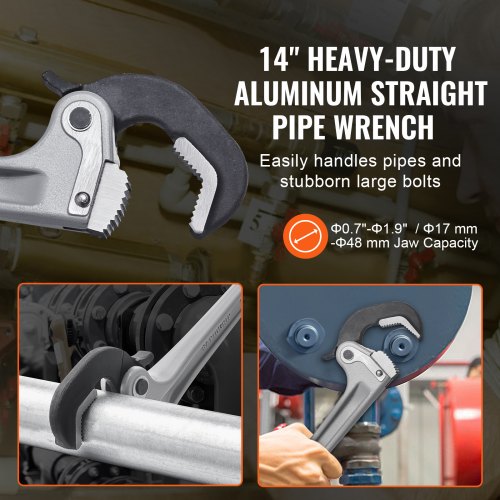
Credit: www.vevor.com
Frequently Asked Questions
How To Use A Pipe Wrench In Tight Spaces Effectively?
To use a pipe wrench in tight spaces, choose a smaller size wrench. Position the wrench firmly on the pipe. Apply steady pressure and adjust the grip as needed. Use angled or offset pipe wrenches for better access in confined areas.
What Pipe Wrench Types Work Best In Tight Areas?
Compact or mini pipe wrenches work best in tight spaces. Offset or swivel pipe wrenches also provide better angles. These types allow better maneuverability and grip where regular wrenches cannot fit comfortably.
How To Prevent Damage When Using A Pipe Wrench Tightly?
Ensure the wrench teeth are sharp and clean for a firm grip. Avoid excessive force to prevent pipe deformation. Use protective wraps or pads on delicate pipe surfaces. Always release pressure slowly to maintain control.
Can I Modify A Pipe Wrench For Tight Space Use?
Modifying a pipe wrench is not recommended as it may reduce safety. Instead, opt for wrenches designed for tight spaces. Specialized models offer better access and control without compromising strength or durability.
Conclusion
Using a pipe wrench in tight spaces can seem tricky. But with practice, it gets easier. Always choose the right size for your task. Smaller wrenches fit better in cramped areas. Ensure a firm grip to prevent slips. Remember, safety first.
Wear gloves to protect your hands. Keep your tools clean and well-maintained for smooth operation. These tips will help you work efficiently, even in limited spaces. Your skills will improve over time. So, tackle those tight spots with confidence. Happy plumbing!