
When you’re working on a project that involves a router, safety should be your top priority. Using a router safely doesn’t just protect you from injury—it also ensures your work turns out smooth and precise.
Imagine avoiding costly mistakes and finishing your project confidently, without any accidents slowing you down. You’ll discover simple yet powerful tips that make handling your router safer and easier. Keep reading to learn how to protect yourself and get the best results every time you use your router.
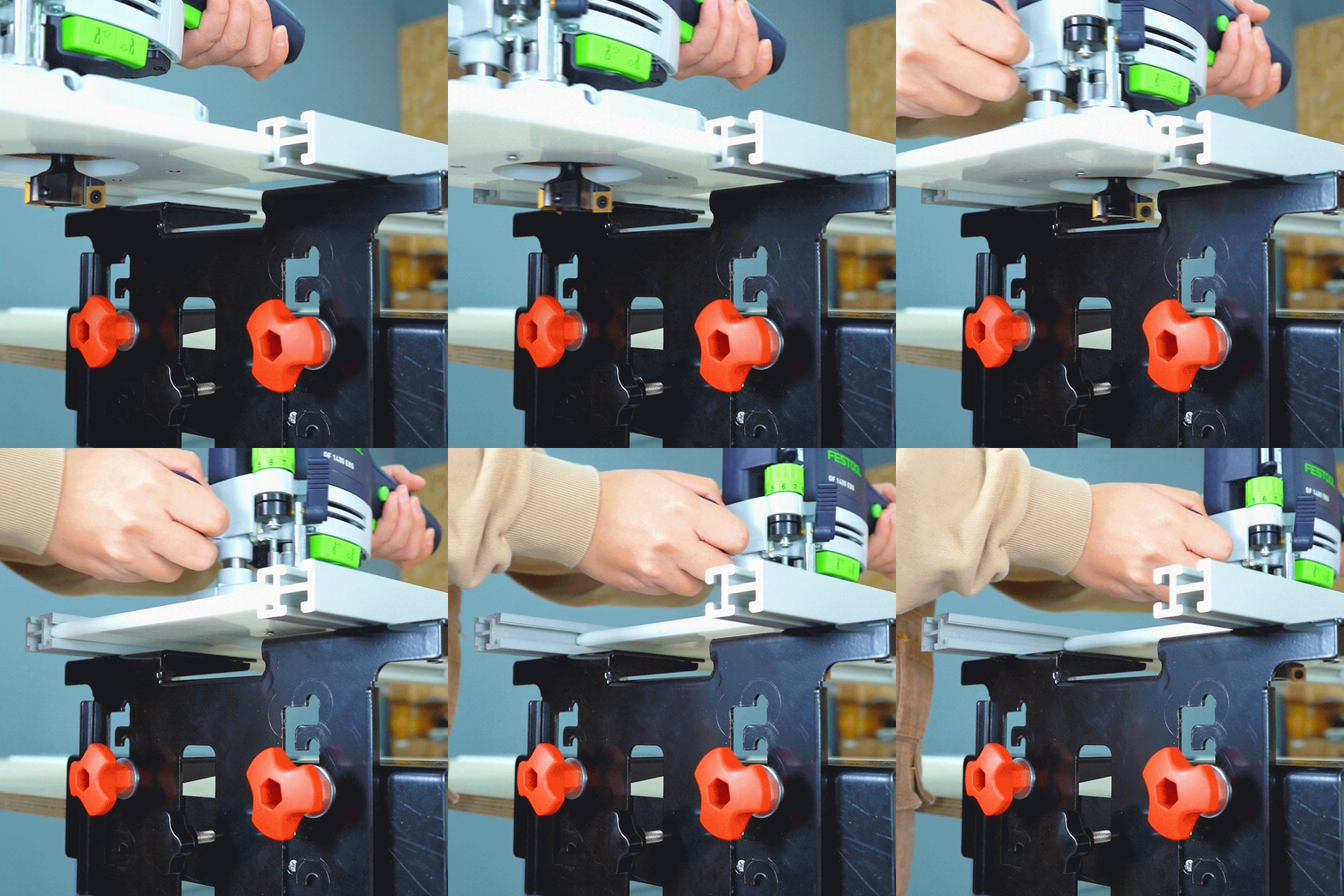
Credit: spetools.com
Choosing The Right Router
Using a router safely starts with picking the right tool. A router helps shape wood edges and create designs.
Choosing the best router depends on your project and skill level. Learn about types, key features, and matching tools.
Types Of Routers
There are three main types of routers. Each type fits different tasks and skill levels.
- Fixed-Base Router:The base stays still. You lower or raise the bit to cut.
- Plunge Router:You push the bit down into the wood. Good for deep cuts.
- Combination Router:Switch between fixed and plunge bases. Offers more flexibility.
Key Features To Look For
| Feature | Description |
| Power | Stronger motors cut wood faster and cleaner. |
| Speed Control | Adjust speed for different materials and bits. |
| Ergonomics | Comfortable handles help control the router safely. |
| Dust Collection | Keeps work area clean and improves visibility. |
| Bit Change System | Easy bit changes save time and reduce errors. |
Matching Router To Project Needs
Select a router based on what you want to build. Simple projects need less power and fewer features.
- For edge shaping, a fixed-base router is best.
- For dadoes or grooves, choose a plunge router.
- For varied tasks, a combination router works well.
- Match router power to wood hardness and project size.
- Look for speed control if you work with different materials.
Setting Up Your Workspace
Using a router safely starts with preparing your workspace. A clean and organized area helps you work better and avoid accidents.
Good lighting and a steady workpiece keep your project on track. These steps protect you and improve your results.
Organizing The Work Area
Clear your workbench of clutter before you start. Keep tools and materials within easy reach but out of the way of the router.
Make sure the floor is clean and free from obstacles. This prevents trips or falls while you work.
- Remove unnecessary tools and scraps
- Arrange needed items in order of use
- Keep cords and cables tidy and away
- Maintain a clean floor around your workspace
Ensuring Proper Lighting
Good lighting helps you see your project clearly. It reduces mistakes and keeps you safe from hazards.
Use bright, even light to avoid shadows on your workpiece. Natural light is good, but add lamps if needed.
- Use overhead lights for general brightness
- Add focused lamps for detailed work
- Check for shadows before starting
- Adjust lights to reduce glare on surfaces
Securing The Workpiece
Hold your workpiece firmly to stop it from moving. Movement can cause poor cuts or injuries.
Use clamps or a vise to fix the piece in place. Make sure it is stable before you turn on the router.
- Choose clamps that fit your workpiece size
- Check that clamps are tight but not damaging
- Test stability by gently trying to move the piece
- Keep clamps clear of the router path
Personal Safety Gear
Using a router safely means wearing the right gear. Personal safety gear protects you from dust, noise, and flying debris.
Always prepare before starting your project. This helps prevent injuries and keeps your work area safe.
Essential Protective Equipment
Wear safety glasses to protect your eyes from wood chips. Use hearing protection to guard against loud noise. Gloves help protect your hands from splinters and sharp edges.
- Safety glasses or goggles
- Earplugs or earmuffs
- Work gloves
- Dust mask or respirator
- Non-slip footwear
Clothing And Accessories To Avoid
Avoid loose clothing that can get caught in the router. Remove jewelry like rings and bracelets. Tie back long hair to keep it away from moving parts.
| Items to Avoid | Reason |
|---|---|
| Loose sleeves or scarves | Can get caught in the router |
| Rings, bracelets, watches | May get caught or cause injury |
| Open-toed shoes | Offer little protection from falling objects |
| Long, loose hair | Can get tangled in the tool |
Maintaining Clear Visibility
Keep your work area well-lit. Use a dust collection system or vacuum to reduce dust. Clean your safety glasses often to avoid smudges that block your view.
Good visibility helps you control the router better. It lowers the chance of mistakes and accidents. Clear safety glasses with anti-fog coating work best.

Credit: www.youtube.com
Router Operation Basics
A router is a powerful tool for shaping wood and other materials. It spins a bit at high speed to cut clean edges and designs. Learning basic operation helps you work safely and accurately.
Before using a router, know its parts and controls. Always prepare your workspace and check the tool for damage. Proper use prevents accidents and improves your project results.
Correct Handling Techniques
Hold the router firmly with both hands. Keep a steady grip to control the tool well. Use smooth, even movements and do not force the router through material.
- Always wear safety glasses and hearing protection.
- Keep your fingers away from the cutting area.
- Use clamps to secure your workpiece.
- Stand in a balanced position to avoid slips.
- Check the router bit is installed tightly before use.
Adjusting Speed And Depth
Adjust the router speed to match the material and bit size. Higher speeds suit small bits and soft wood. Lower speeds work better for large bits and hard wood.
| Material | Recommended Speed (RPM) | Suggested Depth of Cut (inches) |
| Softwood | 22,000 – 28,000 | 0.125 – 0.25 |
| Hardwood | 16,000 – 22,000 | 0.062 – 0.125 |
| MDF or Plywood | 20,000 – 26,000 | 0.125 – 0.25 |
Using Router Bits Safely
Use the right router bit for your task and material. Inspect bits for damage before use. Replace dull or chipped bits immediately to avoid accidents.
- Always unplug the router before changing bits.
- Use bits with sharp edges and proper shank size.
- Do not exceed the recommended speed for the bit.
- Store bits safely to protect their edges.
Preventing Common Hazards
Using a router can be dangerous if you do not follow safety rules. Taking precautions helps stop accidents. It keeps you safe while working on projects.
Many hazards come from kickbacks, dust, and electricity. Knowing how to avoid these risks protects your health and tools.
Avoiding Kickbacks
A kickback happens when the router suddenly jumps back at you. It can cause serious injury. Always hold the router firmly with both hands.
Make sure the router bit is sharp and installed correctly. Never force the router to cut too fast or too deep.
- Use the right router bit for your task
- Keep hands away from the spinning bit
- Feed the router against the bit’s rotation
- Hold the router firmly with both hands
- Turn off the router before changing bits
Managing Dust And Debris
Router work creates a lot of dust and small chips. These can harm your eyes and lungs. Use a dust collection system or vacuum to reduce dust.
Wear safety glasses and a dust mask to protect yourself. Clean your workspace often to avoid slips or fires caused by debris.
- Attach a dust collection bag or vacuum
- Wear safety glasses and a dust mask
- Work in a well-ventilated area
- Clean debris from the work area regularly
Electrical Safety Tips
Electric shock is a risk when using power tools like routers. Always check the power cord for damage before use. Do not use the router if the cord is frayed or cut.
Use a grounded outlet and avoid wet conditions. Turn off and unplug the router before making adjustments or changing bits.
- Inspect power cords for damage before use
- Use grounded outlets only
- Keep cords away from the cutting area
- Do not use the router in wet or damp areas
- Unplug the router before changing bits or cleaning

Credit: www.amazon.com
Maintenance For Safety And Longevity
Using a router safely helps protect you and your tools. Proper maintenance keeps the router working well for a long time.
Regular care prevents accidents and saves money on repairs. Follow simple steps to maintain your router every time.
Cleaning The Router
Dust and debris can build up inside the router. Clean it after each use to avoid damage and overheating.
Use a soft brush or compressed air to remove dust from vents and moving parts. Wipe the outside with a dry cloth.
- Unplug the router before cleaning
- Do not use water or wet cloths
- Remove dust from vents and motor area
- Keep the base plate clean and smooth
Inspecting And Replacing Bits
Router bits wear out with use. Check them regularly to keep cuts clean and safe.
Look for dull edges, cracks, or chips. Replace any damaged bits right away to avoid accidents.
- Inspect bits before each project
- Use the right bit for your material
- Store bits in a safe case
- Replace dull or damaged bits immediately
Storing The Router Properly
Store the router in a dry, clean place when not in use. Proper storage prevents rust and damage.
Keep the router in its case or on a shelf away from dust and moisture. Secure the power cord to avoid tangles.
- Unplug and clean before storing
- Use the original case if available
- Keep bits separate and organized
- Store in a cool, dry place
Advanced Tips For Complex Projects
Using a router safely is key for complex woodworking projects. Careful planning and technique reduce accidents and improve results.
This guide covers advanced tips for working with jigs, routing in multiple passes, and fixing common problems.
Using Jigs And Guides
Jigs and guides help keep your router steady and accurate. They reduce slipping and ensure straight cuts.
- Clamp jigs firmly to your workpiece before routing.
- Use edge guides to follow straight or curved lines smoothly.
- Make or buy templates for repeatable shapes.
- Check that your router base fits the jig snugly.
- Practice on scrap wood before routing your project piece.
Multi-pass Routing Techniques
Cutting deep grooves in one pass can cause tear-out and strain the router. Multi-pass routing helps avoid these problems.
- Set the router to cut a shallow depth on the first pass.
- Make several passes, increasing depth slightly each time.
- Keep your feed rate steady and avoid forcing the tool.
- Check your progress often to ensure even cuts.
- Use sharp router bits to reduce tear-out and heat build-up.
Troubleshooting Common Issues
Even with care, issues may arise. Troubleshoot quickly to keep your project on track.
| Problem | Cause | Solution |
| Burn marks on wood | Dull bit or slow feed rate | Sharpen bit; increase feed speed |
| Chipped edges | Router speed too high | Lower speed; use sharp bit |
| Router stalls | Too deep cut or dull bit | Reduce depth; change bit |
| Uneven cuts | Unstable jig or uneven pressure | Secure jig; apply steady pressure |
| Router bit slipping | Loose collet or bit | Tighten collet; check bit fit |
Frequently Asked Questions
What Safety Gear Is Essential When Using A Router?
Always wear safety glasses and hearing protection. Use a dust mask to avoid inhaling fine particles. Gloves can protect your hands but ensure they don’t get caught in the tool. Proper footwear is also important to maintain stability.
How Do I Secure My Workpiece For Router Projects?
Clamp your workpiece firmly to a stable surface. Use non-slip pads or router tables for added stability. This prevents movement, ensuring precise cuts and reducing the risk of accidents during routing.
What Router Bit Should I Choose For Safe Cutting?
Select bits made of high-quality carbide for durability and safety. Use the correct bit size and shape for your project. Avoid dull or damaged bits as they increase the risk of kickback and poor cuts.
How Can I Prevent Kickback While Routing?
Maintain a steady feed rate and avoid forcing the router. Always route against the bit’s rotation direction. Use sharp bits and keep your hands clear of the cutting path to minimize kickback risk.
Conclusion
Using a router safely is crucial for any project. Safety goggles protect your eyes. Ear protection shields against noise. Secure the workpiece to prevent movement. Check the router bit before starting. Always hold the router firmly. Keep your hands away from the bit.
Work in a well-lit area. Take breaks to stay focused. With these tips, you can work safely and effectively. Practice makes perfect. As you gain experience, your skills improve. Stay safe and enjoy your projects.