Have you ever struggled with tightening or loosening fittings, only to end up frustrated and with sore hands? If so, you’re not alone.
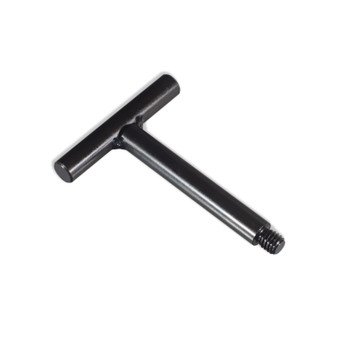
Many people face similar challenges when dealing with fittings, but there’s a simple tool that can make your life much easier: the T-handle wrench. This handy tool is designed to give you better leverage and control, making your DIY projects smoother and more efficient.
Imagine finishing your tasks quicker and with less effort, all while achieving more precise results. Ready to discover how a T-handle wrench can transform your tool kit? Keep reading to find out how this essential tool can be your new best friend for fittings.
Choosing The Right T-handle Wrench
Using a T-handle wrench helps tighten or loosen fittings easily. Picking the right wrench makes your work safer and faster.
This guide covers types, materials, and sizes to help you select the best T-handle wrench for your needs.
Types Of T-handle Wrenches
T-handle wrenches come in different types. Each type fits specific tasks and fasteners.
- Hex Key T-Handles:For hexagonal bolts and screws.
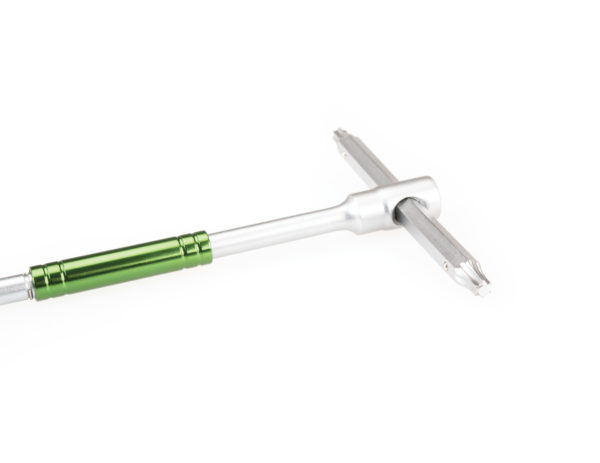
- Torx T-Handles:Designed for star-shaped fasteners.
- Socket T-Handles:Use interchangeable sockets for various bolt heads.
- Combination T-Handles:Include multiple wrench types in one tool.
Material And Build Quality
The wrench’s material affects strength and durability. Good quality tools last longer and resist damage.
| Material | Properties | Use Cases |
| Chrome Vanadium Steel | Strong, corrosion-resistant | Heavy-duty work |
| Stainless Steel | Rust-proof, durable | Outdoor and moist areas |
| Plastic or Composite Handles | Lightweight, comfortable grip | Light tasks, precision work |
Size And Compatibility
Choose a wrench size that matches your fittings. Using the wrong size can damage fasteners.
- Check the measurement of your bolts or screws.
- Use metric or imperial sizes based on your fittings.
- Pick a wrench with a comfortable handle length for better control.
- Consider adjustable T-handles for varied sizes.
Credit: www.parktool.com
Preparing For The Job
Using a T-handle wrench for fittings requires some preparation. Getting ready helps you work safely and efficiently.
Before starting, you should follow important steps. These steps make sure the job goes smoothly.
Safety Precautions
Safety is the top priority before using a T-handle wrench. Protect yourself and others around you.
Wear safety gear to avoid injuries. Check your workspace to prevent accidents.
- Wear safety goggles to protect your eyes
- Use gloves for a better grip and hand protection
- Keep the work area clean and free of clutter
- Ensure good lighting for clear visibility
- Check for any hazards like slippery floors or sharp edges
Gathering Necessary Tools
Having all the right tools ready helps you work faster. It also prevents interruptions during the task.
Gather the T-handle wrench and other tools you might need. Keep them close to your work area.
- T-handle wrench of the correct size
- Additional wrenches or pliers if needed
- Thread seal tape or lubricant for fittings
- Clean cloth to wipe fittings
- A flashlight if working in dark spaces
Inspecting Fittings
Check fittings before you start tightening or loosening. Look for damage or dirt that can cause problems.
Clean the fittings and make sure they fit well. Replace any worn or damaged parts to avoid leaks.
- Look for cracks or corrosion on the fittings
- Remove dirt, grease, or old sealant
- Check that threads are not stripped or damaged
- Make sure the fitting size matches the wrench
- Test the fitting by hand to check for looseness
Techniques For Using A T-handle Wrench
A T-handle wrench helps tighten or loosen fittings with control. Using it right avoids damage and saves effort.
Follow simple techniques to hold and turn the wrench properly. This makes your work easier and safer.
Proper Grip And Positioning
Hold the T-handle wrench with both hands on the crossbar. This grip gives better control and balance.
Position the wrench so the handle is perpendicular to the fitting. Keep your wrists straight to avoid strain.
- Use your dominant hand to steady the wrench
- Place your other hand on the opposite side for support
- Keep the wrench aligned with the fitting to prevent slipping
Applying The Right Torque
Turn the wrench slowly and steadily to apply even torque. Avoid sudden force that can damage the fitting.
Stop turning once you feel resistance. Over-tightening can cause leaks or break parts.
- Turn clockwise to tighten
- Turn counterclockwise to loosen
- Use smooth, steady pressure
- Stop when the fitting is snug
Handling Stubborn Fittings
Apply penetrating oil to stuck fittings and wait a few minutes. This helps loosen rust or dirt.
Use gentle rocking motions with the T-handle wrench. Avoid forcing the fitting to prevent damage.
- Apply lubricant before turning
- Use slow back-and-forth turns
- Increase force gradually if needed
- Stop if the fitting feels stuck to avoid breaking

Credit: ahturf.com
Common Mistakes To Avoid
Using a T-handle wrench for fittings is common in many projects. It helps tighten or loosen parts quickly.
Some mistakes can cause damage or make your work harder. Learn what to avoid to use the wrench safely.
Over-tightening Risks
Over-tightening can damage fittings or pipes. It may cause cracks or strip threads.
Too much force can also make future repairs harder. The fitting might become stuck or break.
- Apply steady, even pressure
- Stop tightening once it feels secure
- Avoid using extra tools to increase force
Incorrect Wrench Sizes
Using the wrong size wrench can slip and damage fittings. It also increases the risk of injury.
Choose the correct size before starting your work. Test the fit by hand to ensure it grips properly.
- Match wrench size to the fitting size
- Check for worn or rounded edges on wrench
- Replace damaged tools promptly
Neglecting Maintenance
Ignoring wrench maintenance can reduce its lifespan. Dirt and rust make it harder to use.
Clean your wrench after each use. Store it in a dry place to prevent rust and damage.
- Wipe off dirt and grease
- Lubricate moving parts if any
- Inspect for cracks or bends regularly
Maintaining Your T-handle Wrench
A T-handle wrench is a helpful tool for fitting jobs. Keeping it in good shape makes your work easier.
Regular care helps the wrench last longer and work better. Learn simple tips to maintain it well.
Cleaning Tips
Clean your T-handle wrench after each use. Dirt and grease can damage the tool if left on.
Use a soft cloth or brush to remove dirt. Avoid using water on metal parts to stop rust.
- Wipe off grease with a dry cloth
- Use a small brush for hard-to-reach spots
- Apply a little oil to metal to prevent rust
Storage Suggestions
Store your T-handle wrench in a dry place. Moisture can cause rust and damage the tool.
Keep it in a toolbox or hang it on a pegboard. This keeps it safe and easy to find.
- Use a case or pouch for extra protection
- Keep away from damp or dusty areas
- Organize your tools for quick access
Regular Inspection
Check your T-handle wrench often for signs of wear. Look for cracks, bends, or loose parts.
Fix small problems early to avoid bigger damage. Replace the tool if it is badly worn.
- Inspect the handle for cracks or damage
- Check the wrench head for wear or rounding
- Tighten any loose parts or screws
- Replace the wrench if it does not fit properly
Special Tips For Different Fittings
Using a T-handle wrench can make tightening and loosening fittings easier. Different fittings need different handling techniques. This guide offers tips for using the wrench on various fittings.
Knowing how to adjust your grip and force helps prevent damage. It also ensures a secure fit for plumbing, automotive, and electrical parts.
Working With Plumbing Fixtures
Plumbing fixtures often have tight spaces. Use a T-handle wrench with a slim profile for better access. Avoid over-tightening to prevent cracking pipes or fittings.
- Apply steady pressure, not sudden force.
- Turn counterclockwise to loosen, clockwise to tighten.
- Use pipe thread sealant or tape to avoid leaks.
- Check for corrosion before working on old fixtures.
Handling Automotive Parts
Automotive fittings can be rusty or stuck. Use penetrating oil before using the T-handle wrench. This reduces the risk of stripping bolts or nuts.
| Fitting Type | Recommended Wrench Size | Tip |
| Brake Line Nuts | 8mm – 10mm | Use gentle, steady pressure |
| Fuel Line Fittings | 12mm – 14mm | Apply penetrating oil first |
| Engine Bolts | 10mm – 17mm | Check torque specs after tightening |
Using On Electrical Components
Electrical fittings require care to avoid damage. Use insulated T-handle wrenches if possible. Avoid using excess force to protect wiring and contacts.
- Always disconnect power before working.
- Use non-conductive handles on the wrench.
- Work in dry conditions to prevent shocks.
- Check fittings for tightness but avoid overtightening.

Credit: www.amazon.com
Frequently Asked Questions
What Is A T-handle Wrench Used For?
A T-handle wrench is designed for tightening or loosening fittings. Its shape provides better grip and control. It’s ideal for precision work on small bolts and nuts. The tool’s ergonomic handle reduces hand fatigue during repetitive tasks.
How Do I Use A T-handle Wrench On Fittings?
Insert the wrench’s socket over the fitting securely. Turn the handle clockwise to tighten and counterclockwise to loosen. Apply steady pressure for controlled movement. Use the wrench’s leverage for stubborn fittings without damaging them.
Why Choose A T-handle Wrench Over Other Wrenches?
A T-handle wrench offers superior torque and control. Its design allows for quick and easy turning. It’s perfect for tight spaces where other wrenches struggle. The tool’s comfort reduces strain during extended use.
Can A T-handle Wrench Damage Fittings?
If used correctly, a T-handle wrench won’t damage fittings. Avoid excessive force to prevent stripping or rounding edges. Choose the right size socket for a snug fit. Proper use ensures safe and effective fitting adjustments.
Conclusion
A T-handle wrench makes fitting tasks easier and faster. It gives better grip and control during work. Using it reduces hand strain and improves accuracy. This tool suits many types of fittings well. Practice with the wrench to get comfortable handling it.
Small tools like this save time and effort. Choose the right size for each fitting job. Keep your wrench clean and store it properly. This simple tool helps you complete fittings smoothly. Try it on your next project for better results.