When you’re working on a carpentry project, getting every detail right is key. Using a torque wrench might not be the first tool you think of, but it can make a huge difference in your work.
Imagine tightening bolts and screws just enough—not too loose, not too tight—so your pieces hold strong and last longer. If you want your carpentry to be precise, safe, and professional, understanding how to use a torque wrench is a game-changer.
Keep reading, and you’ll discover simple tips to boost your skills and avoid costly mistakes.

Credit: www.walmart.com
Choosing The Right Torque Wrench
Using a torque wrench helps you tighten screws and bolts to the right strength. This is key in carpentry to avoid damage or loose parts.
Picking the right torque wrench means knowing the types and what fits your carpentry needs best.
Types Of Torque Wrenches
Torque wrenches come in different styles. Each type works for certain jobs and skill levels.
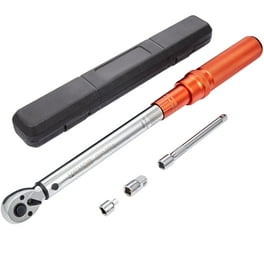
- Click Torque Wrench:Makes a clicking sound when set torque is reached. Easy to use and popular.
- Beam Torque Wrench:Uses a scale and pointer to show torque. Simple and affordable.
- Dial Torque Wrench:Has a gauge for precise torque reading. Good for careful work.
- Electronic Torque Wrench:Shows torque on a digital screen. Offers high accuracy.
Factors To Consider For Carpentry
Think about these points before buying a torque wrench for carpentry work.
| Factor | Explanation |
| Torque Range | Choose a wrench that fits the tightness needed for your wood projects. |
| Size and Weight | Lighter and smaller wrenches are easier to handle in tight spaces. |
| Accuracy | Look for a wrench that measures torque within 4% of the set value. |
| Durability | Pick tools made of strong materials to last longer on the job. |
| Ease of Use | Simple adjustment and clear markings help avoid mistakes. |
Recommended Brands And Models
Some brands are known for good quality and reliability in torque wrenches. Here are examples favored by carpenters.
- Brand A:Offers click torque wrenches with clear settings and solid build.
- Brand B:Known for durable beam torque wrenches at a budget price.
- Brand C:Makes dial torque wrenches with high accuracy and easy reading.
- Brand D:Provides electronic torque wrenches with digital displays and alerts.
Setting Torque For Wood Projects
Using a torque wrench helps control the force applied to screws and bolts. This is important to avoid damage to wood materials.
Setting the correct torque ensures strong joints without cracking or stripping the wood.
Torque Specifications For Different Materials
Wood types vary in hardness and strength. Softwoods need less torque than hardwoods.
Using the right torque prevents breaking or damaging the wood surface.
| Material | Recommended Torque (in-lbs) |
|---|---|
| Softwood (Pine, Cedar) | 20-30 |
| Hardwood (Oak, Maple) | 30-45 |
| Engineered Wood (Plywood, MDF) | 15-25 |
Adjusting Torque For Screws And Bolts
Screws and bolts come in different sizes and thread types. Adjust the torque setting to match each fastener.
Higher torque suits larger bolts, while lower torque fits small screws to avoid stripping.
- Small screws (up to 8): 10-20 in-lbs
- Medium screws (10 to 1/4” bolts): 20-40 in-lbs
- Large bolts (above 1/4”): 40-60 in-lbs or more
Avoiding Over-tightening
Over-tightening can split wood or strip screw threads. It weakens the joint and wastes materials.
Use the torque wrench to apply steady, even force within the recommended range.
- Set torque to match the wood and fastener type
- Turn wrench slowly to feel resistance
- Stop tightening once the set torque is reached
- Check joints for any signs of damage
Proper Techniques For Using A Torque Wrench
Using a torque wrench correctly helps you tighten bolts just right. Too tight or too loose can cause problems in your carpentry projects.
Follow these simple steps to use your torque wrench safely and accurately every time.
Calibrating Your Wrench
Calibration ensures your torque wrench measures force correctly. A wrench out of calibration can cause damage or unsafe joints.
Check the calibration regularly. You can send it to a professional or use a calibration device if you have one.
- Test calibration at least once a year
- Store the wrench at zero torque setting
- Handle the tool gently to avoid damage
Applying Consistent Pressure
Apply steady and even pressure while tightening. Avoid sudden force or jerky movements to get the right torque.
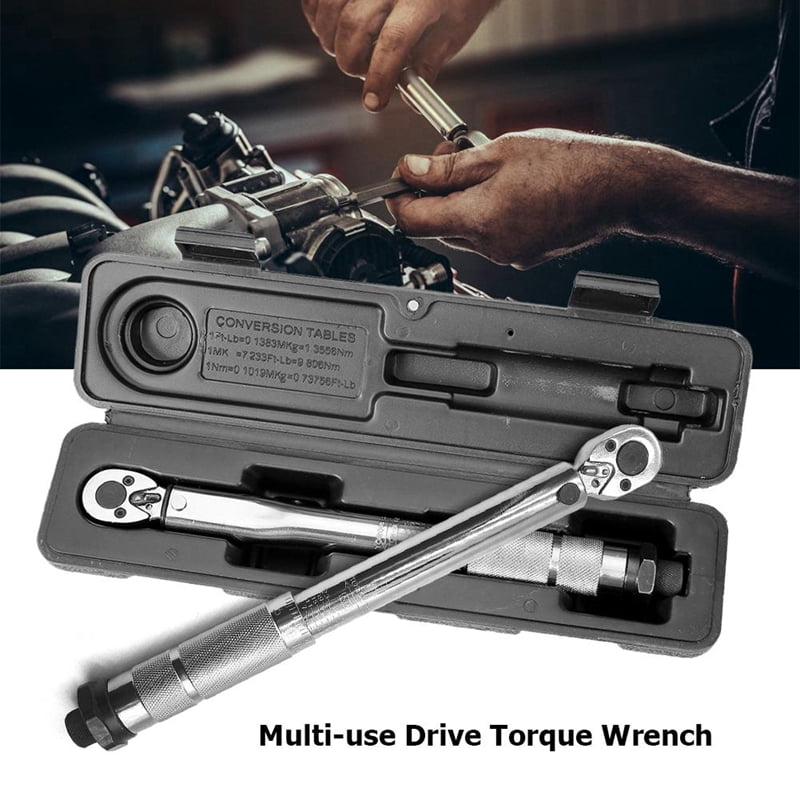
Hold the wrench firmly and turn it smoothly until you hear or feel the click, which signals the correct torque.
- Grip the wrench handle near the end
- Turn at a slow, steady pace
- Stop immediately when the wrench clicks
Maintaining Tool Accuracy
Keep your torque wrench clean and well-maintained. Dirt or wear can affect its accuracy.
Store the wrench properly and avoid dropping it. Regular checks help keep it working well for your carpentry tasks.
- Clean the wrench after each use
- Store in a protective case
- Reset to zero torque after use
- Have the tool inspected yearly
Credit: www.walmart.com
Safety Tips When Using Torque Wrenches
Using a torque wrench in carpentry helps tighten bolts and screws accurately. Safety is key to avoid accidents and tool damage.
Follow safety tips to protect yourself and keep your torque wrench working well for a long time.
Protective Gear Recommendations
Always wear protective gear when using a torque wrench. This gear reduces the chance of injuries from slips or flying debris.
Wear safety glasses to protect your eyes and gloves to improve grip and protect your hands.
- Safety glasses or goggles
- Work gloves with good grip
- Closed-toe shoes to protect feet
Handling And Storage Best Practices
Hold the torque wrench firmly and use it as the instructions say. Avoid using it as a hammer or pry bar.
Store the wrench in a dry place. Keep it in its case to avoid dust and damage.
- Use the wrench only for tightening bolts
- Do not apply extra force beyond the set torque
- Reset the torque wrench to the lowest setting after use
- Store in a clean, dry case or toolbox
- Keep away from moisture and extreme temperatures
Recognizing Tool Wear And Damage
Check your torque wrench before use. Look for cracks, rust, or worn parts that can cause errors or injury.
If the wrench clicks irregularly or feels loose, it might be damaged. Replace or repair it to stay safe.
- Inspect the handle and head for cracks or bends
- Look for rust or corrosion on metal parts
- Test the wrench’s accuracy regularly
- Do not use if the wrench slips or clicks oddly
- Send damaged wrenches for professional calibration or repair
Enhancing Efficiency In Carpentry Projects
Using a torque wrench in carpentry helps control the tightness of bolts and screws. This tool improves the quality and safety of your work.
It also saves time by making sure fasteners are not too loose or too tight. This prevents damage and reduces rework.
Integrating Torque Wrenches With Other Tools
Combine a torque wrench with drills and screwdrivers for better results. Each tool has a role in speeding up carpentry tasks.
Use the torque wrench to finish tightening after drilling or screwing. This ensures the right pressure without stripping screws.
- Start with a drill to insert screws quickly
- Switch to a torque wrench for precise tightening
- Use clamps to hold pieces steady during work
- Check fasteners with a torque wrench for safety
Time-saving Tips
Set your torque wrench to the right value before starting work. This avoids guessing and saves time checking tightness later.
Keep your torque wrench clean and calibrated. A well-maintained tool works faster and more accurately.
- Pre-set torque values for common screws and bolts
- Organize fasteners by size and type
- Work in a well-lit area to see clearly
- Use the right socket size to avoid slipping
Common Mistakes To Avoid
Do not use a torque wrench as a breaker bar. It can damage the tool and give wrong torque readings.
Avoid setting the torque too high or too low. Too much force can strip screws. Too little can cause loose joints.
- Do not use a worn or damaged wrench
- Check calibration regularly
- Use the correct torque setting for each fastener
- Do not apply sudden force or jerks
Credit: www.walmart.com
Frequently Asked Questions
What Is The Purpose Of A Torque Wrench In Carpentry?
A torque wrench ensures bolts and screws are tightened to the right tension. This prevents damage and maintains structural integrity in carpentry projects.
How Do I Use A Torque Wrench Correctly For Woodwork?
Set the torque wrench to the recommended value. Tighten bolts slowly until it clicks, indicating the proper torque is reached.
Why Choose A Torque Wrench Over A Regular Wrench?
A torque wrench provides precise control over tightening force, preventing over-tightening or under-tightening, which can weaken joints in carpentry.
Can A Torque Wrench Improve Woodworking Project Safety?
Yes, using a torque wrench ensures fasteners hold securely, reducing the risk of joint failure and increasing the safety of wood structures.
Conclusion
A torque wrench simplifies carpentry tasks. Precise tightening ensures safety and durability. It protects materials from damage. Using it improves efficiency in projects. Even beginners can handle it easily. Learning its use benefits your carpentry skills. Save time, achieve better results.
A reliable tool for your workshop. Essential for accurate and safe construction. With practice, you’ll gain confidence. Your projects will stand the test of time.