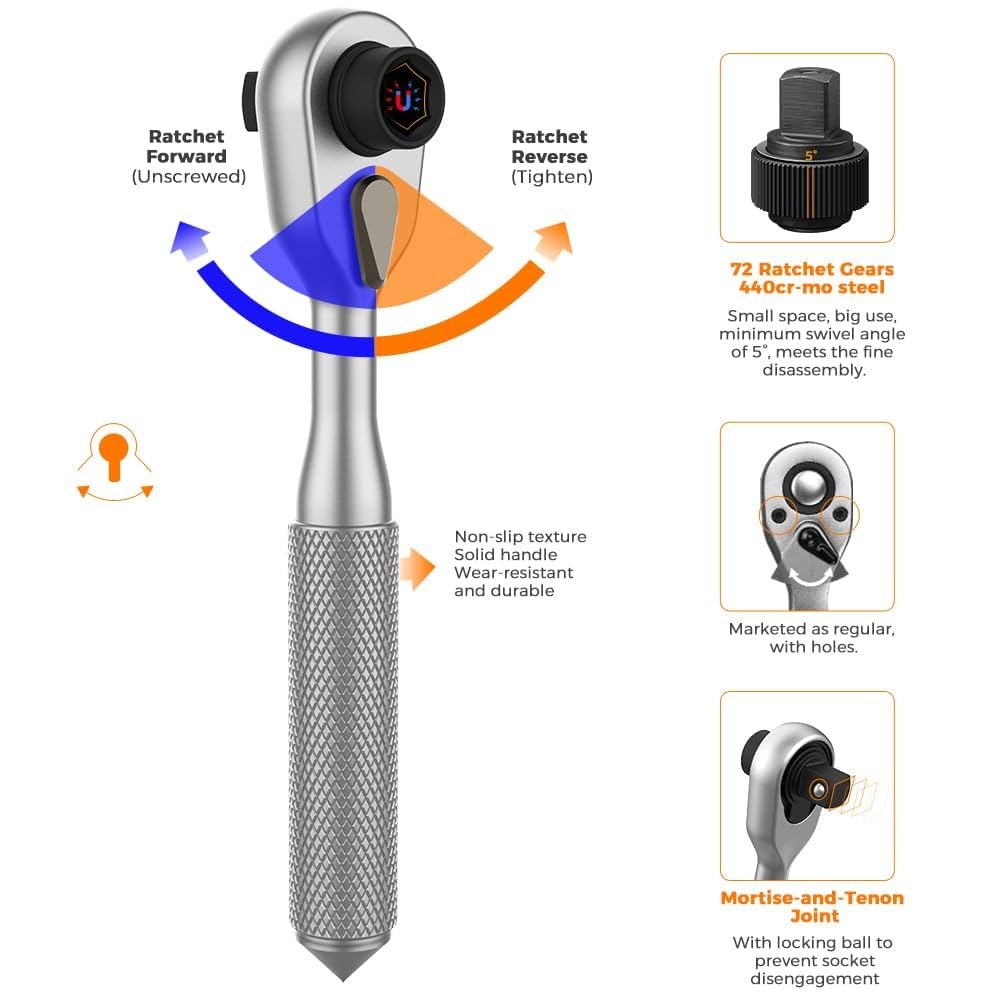
When you’re putting together new furniture, the last thing you want is loose screws or parts that don’t fit quite right. Using a torque wrench for furniture assembly can change everything.
It helps you tighten bolts and screws just enough—no more, no less—so your furniture stays strong and safe for years. If you’ve ever struggled with wobbly chairs or uneven tables, this tool might be the simple fix you need. Keep reading to discover how a torque wrench can make your furniture assembly easier and more reliable than ever before.
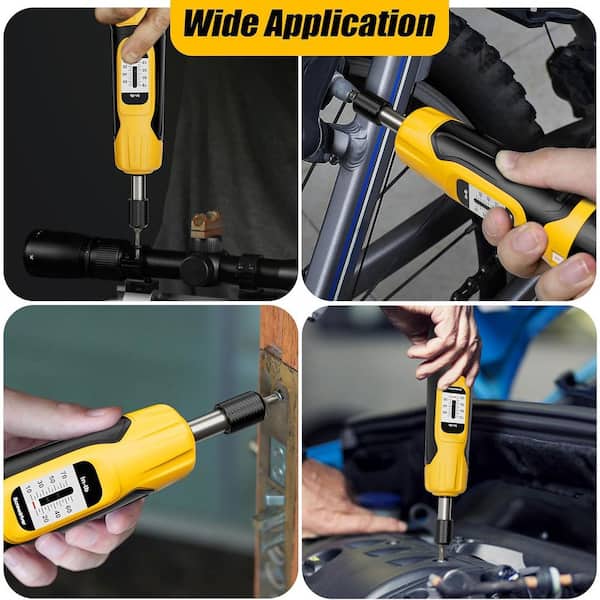
Credit: www.homedepot.com
Benefits Of A Torque Wrench
A torque wrench helps you tighten screws and bolts to the right level. It stops you from tightening too much or too little.
Using a torque wrench makes furniture assembly easier and safer. It keeps your furniture strong and lasts longer.
Ensuring Proper Tightness
A torque wrench measures the force used to tighten bolts. This ensures each bolt is tight enough without being too tight.
- Prevents loose joints that can wobble
- Ensures consistent tightness across all parts
- Helps meet manufacturer’s recommended settings
Preventing Damage To Materials
Over-tightening screws can damage wood, metal, or plastic parts. A torque wrench stops this by controlling the amount of force applied.
| Material | Risk of Over-tightening |
| Wood | Splitting or cracking |
| Metal | Stripping threads or bending |
| Plastic | Cracking or deformation |
Improving Assembly Durability
Correct torque helps parts fit well and stay secure over time. It reduces the chance of loosening and wear.
Key durability benefits include:
- Longer-lasting joints
- Less frequent repairs
- Better safety and stability
Types Of Torque Wrenches
Torque wrenches help tighten bolts to the right strength. They are important for furniture assembly.
There are different types of torque wrenches. Each type works in a special way.
Click Torque Wrenches
Click torque wrenches make a sound when you reach the set torque. This helps avoid over-tightening.
You set the torque level by turning the handle. When the right torque is hit, the wrench clicks.
- Easy to use and reliable
- Good for most furniture bolts
- Requires calibration to stay accurate
Beam Torque Wrenches
Beam torque wrenches have a simple design with a scale and a pointer. The pointer moves as you tighten.
You read the torque by looking at the pointer on the scale. It does not make a sound.
- Affordable and easy to maintain
- No need for calibration
- Harder to read in low light
Digital Torque Wrenches
Digital torque wrenches show torque on a screen. They give precise readings and alerts.
They often beep or vibrate when the correct torque is reached. Some models save data for review.
- Very accurate and easy to read
- More expensive than other types
- Needs batteries to work
Choosing The Right Torque Wrench
Using a torque wrench helps you tighten bolts to the correct strength. This is important for furniture assembly to avoid damage or loose parts.
Picking the right torque wrench makes the job easier and more accurate. Here are key points to consider.
Considering Torque Range
The torque range shows the lowest and highest force the wrench can measure. Choose one that fits your furniture bolts.
A wrench with a low range works well for small screws. For bigger bolts, pick a wrench with a higher range.
- Small furniture: 5-25 Nm (Newton meters)
- Medium furniture: 20-50 Nm
- Heavy furniture: 40-100 Nm
Size And Comfort
Pick a wrench size that fits your hand well. A comfortable grip helps you work longer without pain.
Look for a wrench that is not too heavy or too long. This makes it easier to handle in tight spaces.
- Choose a wrench with a rubber or soft handle
- Check the weight before buying
- Test the length for your working space
Accuracy And Calibration
Accuracy shows how close the wrench measures to the correct torque. High accuracy avoids over-tightening or under-tightening.
Calibration means the wrench is tested and set to measure torque correctly. Choose a wrench that can be recalibrated.
- Look for accuracy within ±4%
- Pick a wrench with calibration certificates
- Recalibrate the wrench regularly for best results
Setting Torque For Furniture Assembly
Using a torque wrench helps tighten screws just right. Setting the correct torque avoids damage and ensures strong joints.
This guide explains how to set the torque wrench for furniture assembly. Follow these steps for a safe and sturdy build.
Finding Manufacturer Specifications
Check the furniture manual for torque specifications. The manufacturer gives the exact torque needed for screws and bolts.
If no specs are listed, look online or contact the manufacturer. Using the right torque prevents over-tightening or loose parts.
- Look in the assembly instructions
- Search the product website
- Contact customer support if unsure
Adjusting The Torque Wrench
Turn the handle or dial to set the torque value. Match the wrench setting to the manufacturer’s specified torque.
Lock the setting if your wrench has a locking feature. This keeps the torque steady while you work.
- Find the scale on the wrench handle
- Rotate to desired torque number
- Lock the setting if possible
Testing The Settings
Test the torque wrench before use. This ensures the setting works and your wrench clicks at the right torque.
Try tightening a test bolt to feel the click or stop point. Adjust if needed before starting furniture assembly.
- Use a scrap bolt and nut
- Turn the wrench slowly
- Listen for the click or feel the slip
- Readjust torque if no click occurs
Step-by-step Assembly Guide
Using a torque wrench helps you tighten furniture bolts correctly. It prevents damage and ensures stability. Follow this guide for safe and easy assembly.
We cover preparing your tools, applying the right torque, and tips to check and reassemble your furniture.
Preparing Tools And Workspace
Gather all tools and clear your workspace before starting. A clean area helps avoid mistakes and lost parts.
- Find your torque wrench and the correct sockets
- Have the furniture parts and instruction manual ready
- Clear a flat surface with good lighting
- Keep a cloth handy to wipe parts
- Wear safety glasses if needed
Applying Correct Torque To Fasteners
Set the torque wrench to the recommended value. Tighten bolts carefully to avoid over or under tightening.
| Torque Value | Bolt Size |
| 10 Nm | M6 |
| 20 Nm | M8 |
| 30 Nm | M10 |
| 40 Nm | M12 |
Apply steady pressure until the wrench clicks or signals the set torque is reached.
Checking Tightness And Reassembly Tips
After tightening, check all bolts for firmness. Loose bolts can cause furniture to wobble or break.
- Test each bolt by hand for looseness
- Retighten bolts if needed with the torque wrench
- Follow the assembly instructions step by step
- Do not force parts together if they do not fit easily
- Keep the wrench set for future furniture maintenance
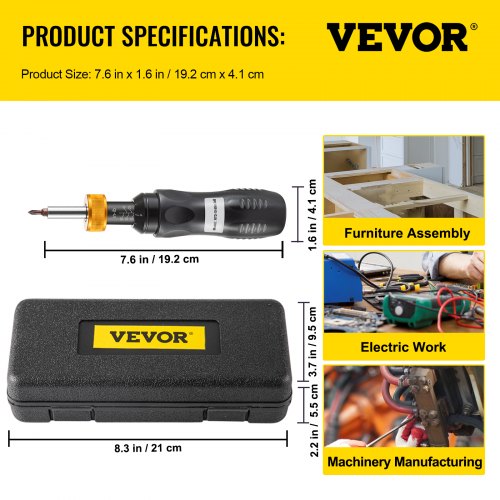
Credit: www.vevor.com
Common Mistakes To Avoid
Using a torque wrench correctly is key when assembling furniture. Many people make errors that can cause damage or loose parts.
Knowing common mistakes helps you avoid problems and build sturdy furniture that lasts.
Over-tightening Fasteners
Over-tightening can strip threads or break bolts. It also can damage the furniture material.
- Do not force the wrench past the set torque value.
- Listen for the click sound on click-type wrenches to stop tightening.
- Use smooth, steady pressure when turning the wrench.
- Check fasteners after assembly to ensure they are secure but not too tight.
Ignoring Torque Specifications
Each fastener has a torque value recommended by the manufacturer. Ignoring these can cause loose joints or broken parts.
| Problem | Effect |
| Too low torque | Parts may come loose and wobble |
| Too high torque | Fasteners can break or furniture can crack |
| No torque check | Uneven pressure leads to weak joints |
Using Incorrect Torque Wrench Types
Different torque wrenches suit different jobs. Using the wrong type can lead to bad results.
Common torque wrench types:
- Click-type: clicks when set torque is reached. Good for furniture.
- Beam-type: shows torque on a scale. Simple but less precise.
- Digital: shows exact torque on a screen. Best for accuracy.
Choose the right wrench for your furniture and follow instructions carefully.
Maintaining Your Torque Wrench
Using a torque wrench correctly helps you assemble furniture safely and tightly. Keeping your torque wrench in good shape makes sure it works well every time.
Regular care and maintenance improve the tool’s accuracy and lifespan. Learn how to store, calibrate, and clean your torque wrench properly.
Proper Storage
Store your torque wrench in a dry place to avoid rust. Keep it in its case to protect it from dust and damage. Do not leave it loaded or set to high torque when not in use.
- Keep it in a protective case
- Store in a cool, dry area
- Release torque setting before storing
- Avoid dropping or heavy impacts
Regular Calibration
Calibration keeps the torque wrench accurate. Check the tool’s accuracy once a year or after heavy use. Calibration resets the tool to deliver the correct torque.
| Calibration Tip | Why It Matters |
| Test torque output | Ensures accuracy |
| Send to professional service | Corrects errors |
| Follow manufacturer’s guidelines | Maintains warranty |
Cleaning And Care
Clean your torque wrench after each use to keep it in top condition. Wipe it with a soft, dry cloth. Avoid using water or solvents that can damage the tool.
- Remove dirt and grease gently
- Do not immerse in water
- Lubricate moving parts lightly if recommended
- Store dry after cleaning

Credit: www.amazon.com
Frequently Asked Questions
What Is A Torque Wrench Used For In Furniture Assembly?
A torque wrench ensures precise tightening of bolts and screws, preventing over-tightening or under-tightening. This tool provides consistent torque application, crucial for maintaining the structural integrity of furniture. Proper use can extend the lifespan of your furniture and improve safety during its use.
How Do You Use A Torque Wrench Correctly?
To use a torque wrench, set the desired torque level, place it on the bolt, and apply force smoothly. Listen for the click or stop when you reach the set torque. Always follow the manufacturer’s instructions for precise results and to avoid damaging the furniture.
Why Is Torque Important In Furniture Assembly?
Torque is crucial for ensuring bolts and screws are tightened to the manufacturer’s specifications. Proper torque prevents loosening over time, ensuring stability and safety. Incorrect torque can lead to structural damage or failure. Using a torque wrench helps maintain the furniture’s integrity and performance.
Can A Torque Wrench Prevent Furniture Damage?
Yes, a torque wrench helps avoid over-tightening, which can strip threads or crack wood. It ensures consistent torque application, safeguarding against potential damage. Proper use of a torque wrench helps maintain the furniture’s aesthetic and functional quality over time.
Conclusion
Using a torque wrench helps you tighten bolts just right. It stops over-tightening and keeps furniture strong. This tool makes assembly easier and safer. You save time and avoid damage. Small steps like this improve your work quality. Try using a torque wrench for your next project.
You’ll see the difference it makes. Simple tools, smart work. That’s the key.