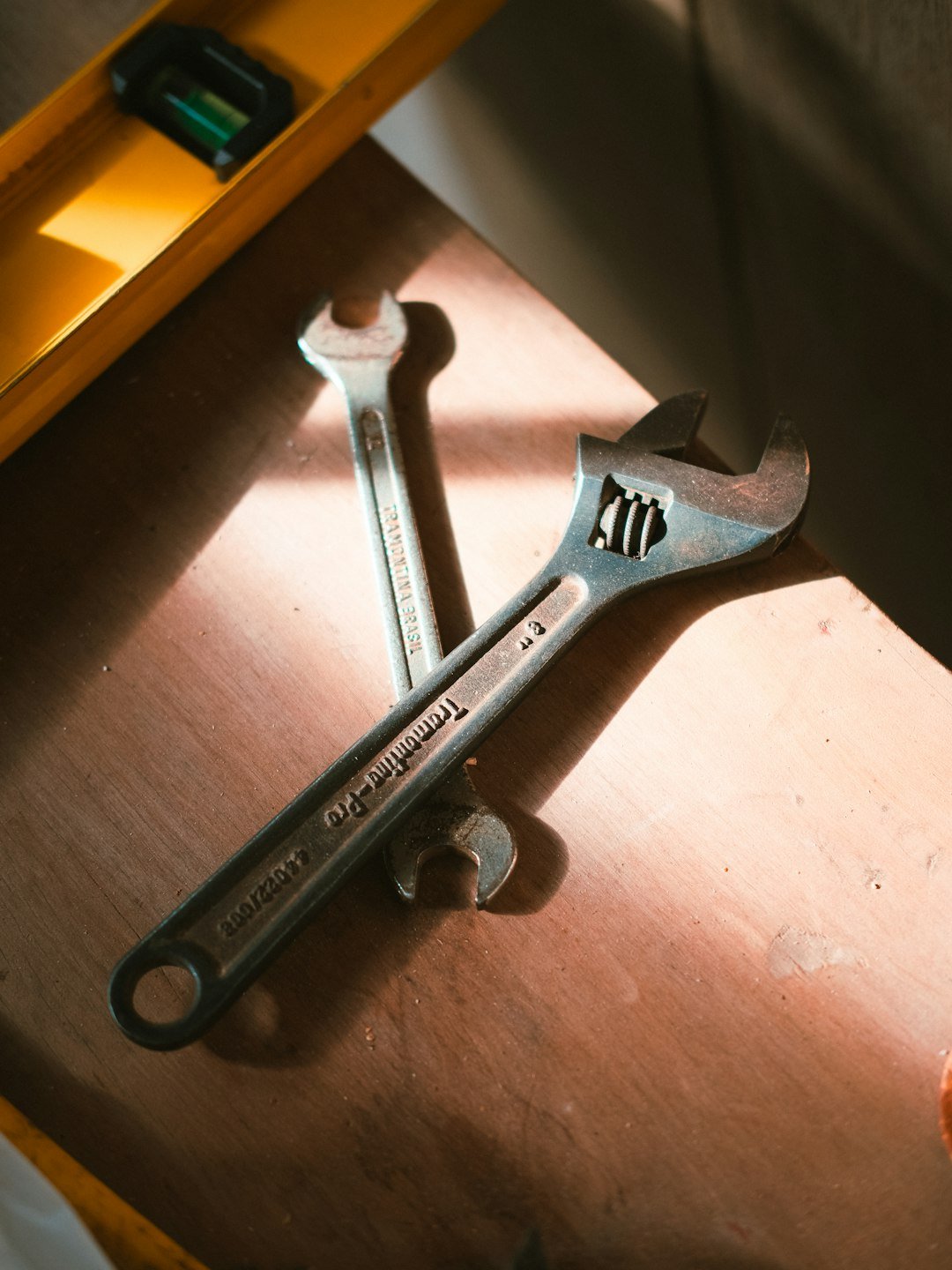
When you’re working on a carpentry project, every detail matters. Using the right tools can make the difference between a sturdy build and one that falls apart.
That’s why knowing how to use a torque wrench in carpentry can save you time, effort, and costly mistakes. You might wonder, isn’t a torque wrench just for mechanics? Think again. This tool can help you tighten bolts and screws with precision, giving your work a professional finish.
Keep reading, and you’ll discover simple tips to master this tool and take your carpentry skills to the next level.
Credit: www.aliexpress.com
Why Torque Matters In Carpentry
Using the right torque in carpentry affects how strong and lasting your joints are. A torque wrench helps you control the force when tightening screws and bolts.
Too little or too much force can cause problems. Knowing why torque matters helps you make better woodwork projects.
Impact On Joint Strength
Proper torque ensures that joints hold tightly without damage. If screws are loose, the joint can wobble or fail. If too tight, wood can crack or hardware can strip.
| Torque Level | Effect on Joint |
| Too Low | Loose connection, weak joint |
| Correct | Strong and secure joint |
| Too High | Damaged wood or hardware |
Avoiding Over-tightening
Over-tightening screws can ruin your work. It can split the wood or strip the screw head. A torque wrench stops this by setting a limit on force.
- Prevents wood damage
- Protects screw threads
- Extends tool and hardware life
- Makes repairs easier
Consistency Across Projects
Using a torque wrench helps keep the same tightness on all joints. This consistency improves the quality of your work and saves time fixing mistakes.
| Project | Torque Setting Used | Result |
|---|---|---|
| Cabinet Assembly | 25 Nm | Strong, no damage |
| Deck Building | 30 Nm | Secure, weather resistant |
| Furniture Repair | 20 Nm | Good fit, no stripping |

Credit: www.walmart.com
Choosing The Right Torque Wrench
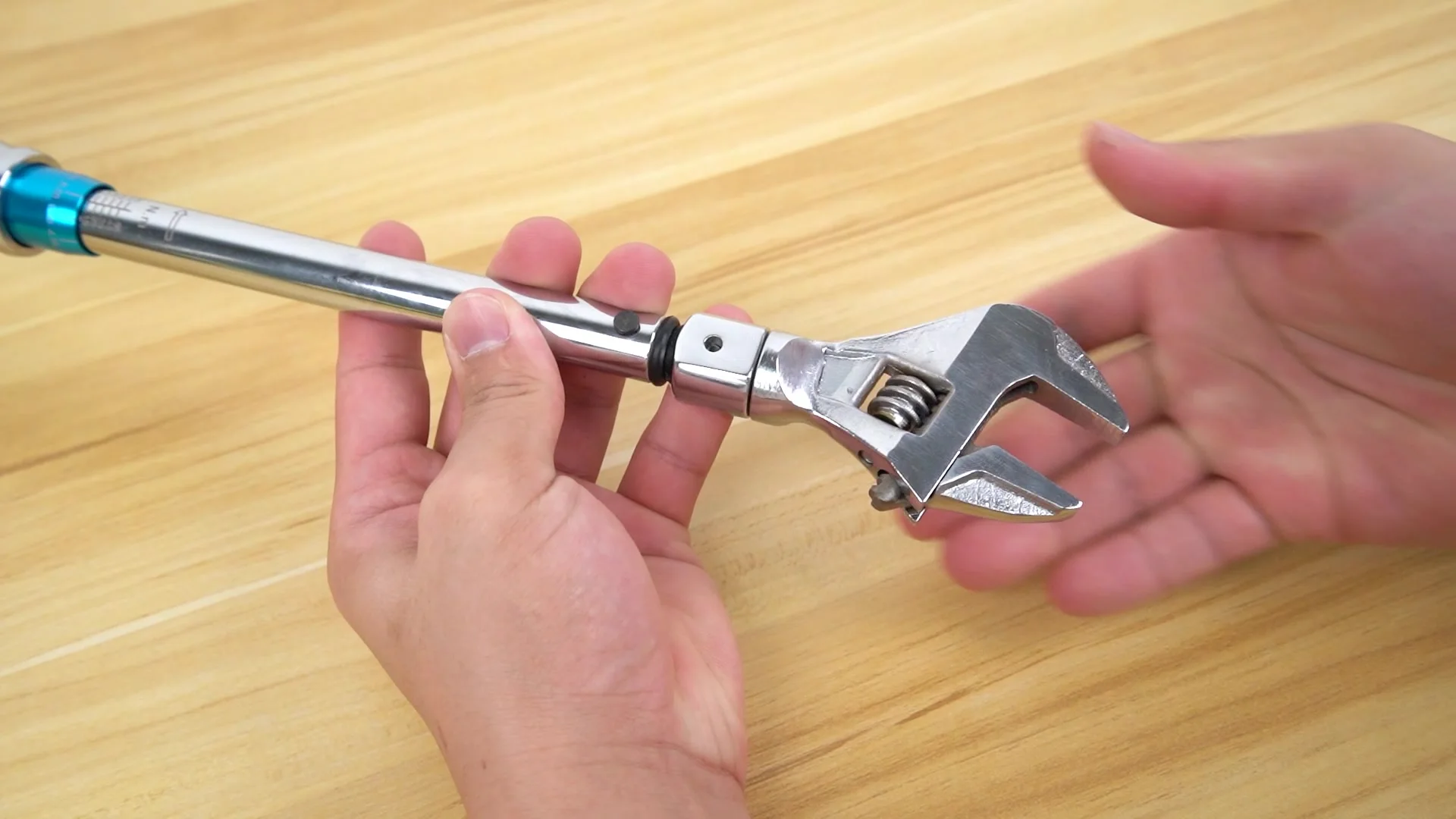
Using a torque wrench in carpentry helps tighten bolts and screws correctly. This tool prevents damage and keeps your project safe.
Choosing the right torque wrench is important. It depends on your work needs and the type of fasteners you use.
Types Of Torque Wrenches
There are different torque wrenches for various jobs. Each type works in a unique way to control how tight a fastener gets.
- Click Torque Wrench: It makes a click sound when the set torque is reached.
- Beam Torque Wrench: It has a scale that shows the torque as you turn.
- Dial Torque Wrench: It shows torque on a dial for precise readings.
- Electronic Torque Wrench: It uses digital sensors for accurate torque settings.
Size And Capacity Considerations
Torque wrenches come in many sizes. Choose one that fits your carpentry tasks and tools.
Check the torque range. It should match the bolts and screws you work with. Too small or large can cause errors.
- Small wrenches are good for light work and small fasteners.
- Medium sizes suit most carpentry bolts and screws.
- Large wrenches handle heavy-duty jobs and big bolts.
Accuracy And Calibration
Accuracy is key in torque wrenches. It ensures bolts are tightened just right, not too loose or tight.
Calibration keeps the wrench accurate. Regular checks and adjustments help maintain precision over time.
- Check calibration yearly or after heavy use.
- Use certified tools or send your wrench to a professional service.
- Keep the wrench clean and store it properly to protect accuracy.
Preparing For Torque Application
Using a torque wrench in carpentry ensures fasteners are tight enough. Proper preparation helps avoid damage and keeps joints strong.
Before applying torque, check your tools and fasteners. This prevents mistakes and saves time during your work.
Selecting Appropriate Fasteners
Choose fasteners that fit your project needs. The size, type, and material affect how much torque they can handle.
Using the right fastener helps the joint stay secure and prevents stripping or breaking.
- Use screws or bolts made for wood
- Match fastener length to wood thickness
- Pick corrosion-resistant materials for outdoor use
- Avoid over-sized fasteners that can split wood
Cleaning And Lubricating Threads
Clean fastener threads before use. Dirt and rust can change torque readings and cause poor tightening.
Applying a small amount of lubricant helps the wrench turn smoothly and gives accurate torque results.
- Remove dirt with a wire brush or cloth
- Use light oil or thread lubricant
- Do not over-lubricate; a thin layer is enough
- Check that lubricant matches fastener material
Marking Torque Settings
Set your torque wrench to the correct value for your fastener. Mark the setting clearly to avoid mistakes.
Marking helps others see the torque setting and keeps the tool ready for future use.
- Use a permanent marker or tape to mark the setting
- Double-check the wrench scale before tightening
- Reset the wrench to zero after use to keep accuracy
- Keep a record of torque values for each project
Torque Wrench Techniques For Carpentry
Using a torque wrench helps you tighten bolts and screws with the right force. This tool prevents damage to wood and fasteners.
Learn simple ways to use a torque wrench for better results in your carpentry projects.
Setting The Desired Torque
Check your project instructions to find the right torque value. Set your wrench to this number before starting.
Adjust the wrench dial slowly until the pointer matches the desired torque. Double-check the setting before use.
Applying Steady Pressure
Hold the wrench firmly and apply pressure evenly. Avoid sudden or jerky movements to get an accurate reading.
Turn the wrench smoothly until you feel it click or release. This click shows you reached the set torque.
Using A Torque Angle Gauge
A torque angle gauge measures the angle you turn a fastener after reaching initial torque. This helps tighten bolts correctly.
Attach the gauge to the wrench and zero it out. Turn the fastener the specified angle for a secure fit.
- Set the torque on the wrench first
- Attach the torque angle gauge
- Turn fastener until the gauge shows the correct angle
- Check the gauge often for accuracy
Common Mistakes To Avoid
Using a torque wrench in carpentry requires care and attention. Mistakes can cause poor results or damage.
Learn common errors to avoid and keep your tools working well for a long time.
Ignoring Manufacturer Specifications
Each torque wrench has a specific range and settings from the maker. Ignoring these can lead to wrong torque use.
Do not force the wrench beyond its limits. This can break the tool or cause bad results in your work.
Using Worn Or Damaged Tools
Old or damaged torque wrenches give wrong readings. Using them can ruin your carpentry projects.
- Check for cracks or rust on the wrench
- Look if the handle or scale is loose
- Replace parts or the whole tool if damaged
- Store tools in a dry, safe place to avoid wear
Skipping Calibration Checks
Torque wrenches need regular calibration. Skipping this step causes wrong torque application over time.
| Calibration Frequency | Reason |
| Every 6 months | Maintain accuracy |
| After heavy use | Check for damage |
| After dropping tool | Ensure proper function |
Maintaining Your Torque Wrench
Using a torque wrench correctly helps in carpentry projects. Keeping it in good shape is important. Proper care makes it last longer and work well.
Regular maintenance prevents errors and ensures safety. Follow simple steps to keep your tool accurate and ready for use.
Proper Storage Tips
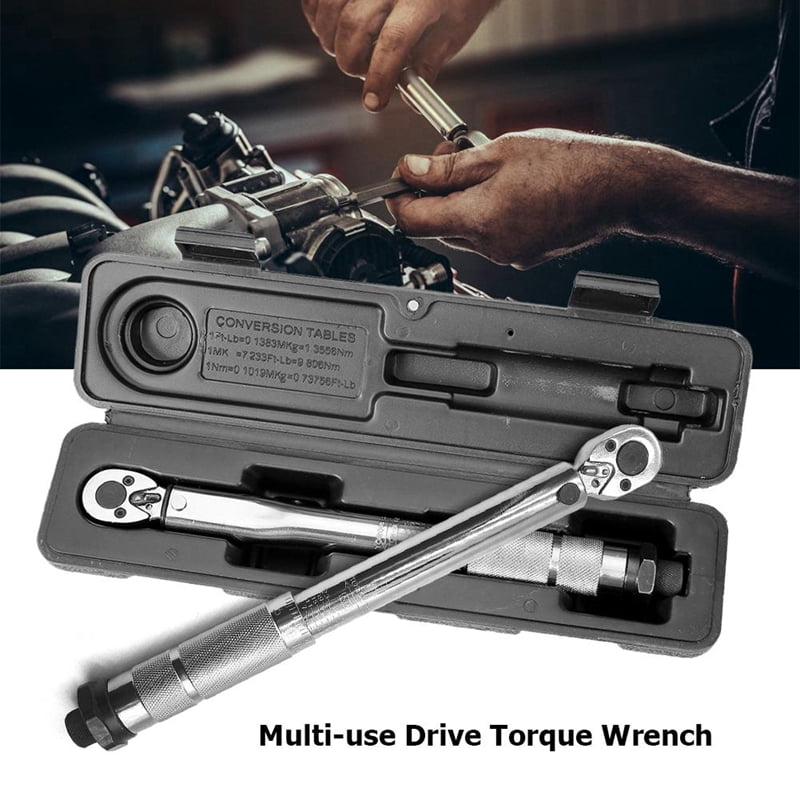
Store your torque wrench in a dry place. Avoid places with high humidity or dust. Use the case that came with the tool if possible.
- Keep it away from direct sunlight
- Do not leave it loaded or under tension
- Store it flat to avoid damage
- Use a protective cover or case
Regular Calibration Schedule
Check the calibration of your torque wrench regularly. Calibration keeps the wrench accurate for precise work. Follow the manufacturer’s advice for timing.
- Calibrate after every 5,000 uses
- Calibrate if dropped or damaged
- Calibrate at least once a year
- Use a professional calibration service
Cleaning And Handling Best Practices
Clean your torque wrench after each use. Wipe it with a dry cloth to remove dirt and grease. Avoid using water or solvents that can harm the tool.
Handle the wrench with care. Do not use it as a hammer or pry bar. Always release the tension before storing it.
- Wipe with a soft, dry cloth
- Do not soak or spray with liquids
- Release torque setting before storage
- Use the wrench only for its intended purpose
Real-life Applications In Carpentry
Using a torque wrench helps carpenters apply the right force to fasteners. It ensures parts fit tightly without damage.
This tool is useful in many carpentry tasks. It improves strength, safety, and quality of the work.
Furniture Assembly
Torque wrenches help tighten screws and bolts on furniture. Correct torque keeps joints strong and parts aligned.
- Prevents over-tightening that can crack wood
- Ensures even pressure on all fasteners
- Improves durability of movable parts like drawers
- Makes disassembly easier by avoiding damaged fasteners
Door And Window Installation
Applying precise torque secures door and window frames firmly. It avoids warping and gaps that cause drafts.
| Fastener Type | Recommended Torque (Nm) |
| Screws for Frame | 15-20 |
| Bolts for Hinges | 25-30 |
| Window Lock Screws | 10-15 |
Structural Frame Fastening
Structural frames need strong, precise fastening. Torque wrenches help reach exact tightness without damage.
Important points for using a torque wrench in structural framing:
- Check manufacturer torque specs before fastening
- Use calibrated torque wrench for accuracy
- Apply torque slowly and steadily
- Recheck torque after initial tightening
Credit: www.walmart.com
Frequently Asked Questions
What Is The Purpose Of A Torque Wrench In Carpentry?
A torque wrench ensures bolts and screws are tightened to precise force. This prevents damage and ensures structural safety in wood projects.
How Do You Set Torque On A Wrench For Woodwork?
Adjust the torque setting using the wrench’s dial or scale. Follow manufacturer guidelines for the correct torque value for your carpentry task.
Can A Torque Wrench Improve Carpentry Project Durability?
Yes, using a torque wrench ensures consistent fastener tightness. This increases joint strength and prevents loosening, improving overall project durability.
When Should You Use A Torque Wrench In Carpentry?
Use a torque wrench when precise bolt tension is critical. This includes assembling furniture, cabinetry, and structural wood components.
Conclusion
Mastering the use of a torque wrench is essential in carpentry. It ensures secure and precise connections. This tool can enhance the quality of your work. Consistent practice will improve your skills over time. Safety in carpentry is crucial. Using a torque wrench correctly helps prevent damage.
It also reduces the risk of accidents. A torque wrench is a reliable investment for carpenters. Keep it well-maintained for long-lasting use. With patience and care, carpentry tasks become easier. Your projects will benefit from this tool’s precision. Always follow guidelines for the best results.
Happy building!