Have you ever struggled with a stubborn bolt or nut, only to realize you’re not using your adjustable spanner the right way? Using this versatile tool correctly can save you time, prevent damage, and make your repairs much smoother.
You’ll discover simple tips and tricks to master your adjustable spanner like a pro. Keep reading, and you’ll never have to worry about slipping tools or stripped bolts again. Your next fix is about to get a whole lot easier!
Credit: www.ebay.co.uk
Choosing The Right Spanner
Using an adjustable spanner properly starts with picking the right one. The right spanner fits the job and makes work easier.
Choosing the correct spanner helps prevent damage to nuts and bolts. It also keeps you safe while working.
Types Of Adjustable Spanners
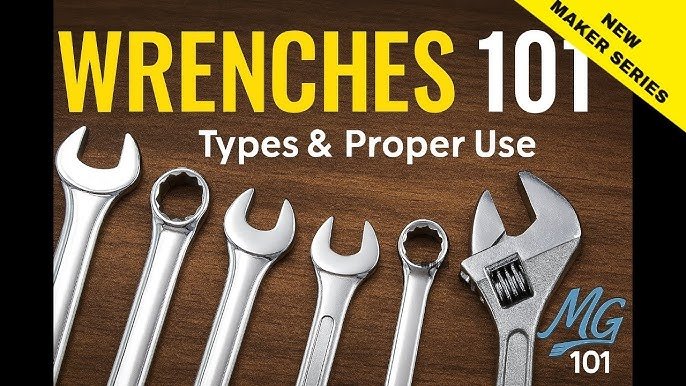
Adjustable spanners come in different types for various tasks. Each type has unique features for specific uses.
- Crescent Wrench: Common and easy to adjust
- Monkey Wrench: Strong grip with wide jaws
- Pipe Wrench: Designed for round pipes and tubes
- Shifting Spanner: Lightweight and versatile
Size And Jaw Capacity
Pick a spanner size that fits the fastener well. The jaw capacity should cover the bolt or nut size.
A spanner too small or large may slip or damage the fastener. Choose one with adjustable jaws that fit snugly.
- Small spanners for nuts under 20mm
- Medium spanners for general household use
- Large spanners for heavy machinery bolts
Material And Build Quality
Look for spanners made from strong metals like chrome vanadium steel. These last longer and resist rust.
A good build ensures the spanner does not bend or break during use. Check for smooth jaw movement and tight adjustment screws.
- Chrome plated finish prevents rust
- Hardened steel jaws resist wear
- Comfortable handles reduce hand strain
Setting The Spanner Correctly
Using an adjustable spanner the right way helps you work safely and easily. Setting the spanner correctly stops damage to the tool and the fastener.
Focus on adjusting the jaw, getting a tight grip, and checking for slippage. These steps make your work smooth and protect your tools.
Adjusting The Jaw Width
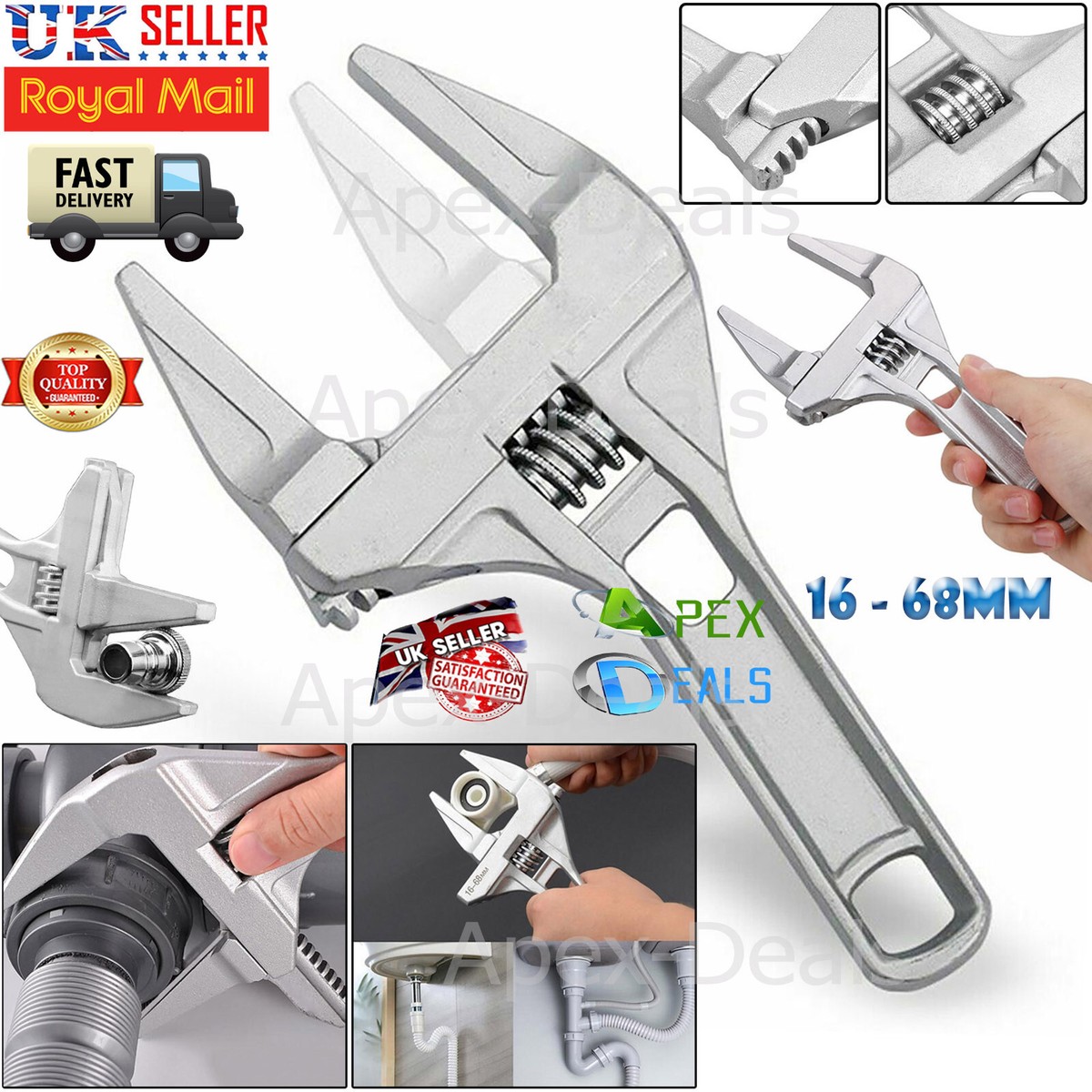
Turn the thumbwheel to open or close the jaws. Match the jaw width to the size of the nut or bolt.
Make sure the jaws fit snugly without being loose. A correct fit reduces slipping and damage.
- Turn clockwise to close the jaws
- Turn counterclockwise to open the jaws
- Fit jaws tightly around the fastener
Ensuring A Tight Grip
Place the spanner jaws fully on the fastener’s flat sides. Avoid gripping on rounded edges.
Tighten the jaws so they hold the fastener firmly. This prevents slipping and keeps the tool steady.
- Hold the spanner handle firmly
- Check that jaws cover the flat sides
- Tighten jaws until they feel secure
Checking For Slippage
Before applying force, check if the spanner moves on the fastener. If it slips, adjust the jaws again.
Slippage can strip the fastener and hurt your hand. Always test the grip by gently pulling the spanner.
- Pull the spanner handle slightly to test grip
- If it slips, readjust the jaw width
- Use a new tool if slippage continues
Proper Handling Techniques
Using an adjustable spanner correctly helps you work safely. It also prevents damage to tools and fasteners.
Learn how to hold the spanner and apply force the right way. Avoid common mistakes for better results.
Correct Hand Position
Hold the spanner close to the jaw for better control. Use your dominant hand for a stronger grip.
Place your thumb on the handle side, not on the adjustable jaw. This prevents slipping and injury.
- Grip the handle firmly but not too tight
- Keep your wrist straight and steady
- Use your other hand to support if needed
Applying Force Safely
Push or pull the spanner slowly and steadily. Avoid sudden or jerky movements to keep control.
Always apply force on the fixed jaw side. This reduces the risk of the spanner slipping off.
- Use your body weight, not just your arm strength
- Pull the spanner toward you if possible
- Keep your hands away from pinch points
Avoiding Common Mistakes
Do not use the spanner if it is damaged or worn. A loose jaw can slip and cause injury.
Avoid using the wrong size or forcing the spanner. This can damage the fastener or tool.
- Check the jaw fits snugly on the fastener
- Do not use extensions like pipes for extra leverage
- Keep the spanner clean and free of oil

Credit: www.youtube.com
Maintenance Tips
Using an adjustable spanner properly helps keep it in good shape. Regular maintenance makes it last longer and work better.
Follow simple care steps to avoid damage and ensure safety when using this tool.
Cleaning And Lubrication
Clean the spanner after every use. Remove dirt and grease with a cloth. Avoid water to stop rust.
- Wipe the tool with a dry cloth
- Use light oil on moving parts
- Remove excess oil to prevent dust build-up
- Keep the jaw mechanism smooth by regular lubrication
Storage Practices
Store the spanner in a dry, clean place. Avoid leaving it outside or in damp areas. Proper storage prevents rust and damage.
| Storage Tip | Reason |
| Use a toolbox or drawer | Keeps the spanner safe and clean |
| Hang on a pegboard | Easy to find and prevents scratches |
| Avoid stacking heavy tools on it | Prevents bending or jaw damage |
| Keep away from moisture | Reduces risk of rust |
Inspecting For Wear And Damage
Check the adjustable spanner often for signs of wear or damage. Look at the jaws and handle carefully.
- Look for cracks or bends in the handle
- Check if the jaws close tightly without gaps
- Test the adjustment mechanism for smooth movement
- Replace the tool if any part is damaged
Safety Precautions
Using an adjustable spanner safely prevents injuries and tool damage. Follow simple rules to protect yourself and others.
Always prepare your work area and handle the tool carefully. Safety starts before you begin tightening or loosening bolts.
Wearing Protective Gear
Wear the right gear to protect your hands and eyes. Gloves help avoid cuts and blisters. Safety glasses prevent eye injuries from flying debris.
- Use sturdy gloves to protect your hands
- Wear safety glasses to shield your eyes
- Choose closed-toe shoes to protect your feet
- Consider a dust mask if working in dusty areas
Working In Secure Environments
Keep your workspace clean and stable. Avoid slippery floors and clutter. Secure the item you are working on to stop it from moving.
| Environment Tips | Reason |
| Clear the floor | Prevent slipping |
| Good lighting | See tool and parts clearly |
| Clamp the workpiece | Stop sudden movement |
| Keep tools nearby | Reduce unnecessary movements |
Avoiding Over-tightening
Do not force the spanner too hard. Over-tightening can break bolts or damage threads. Use steady pressure and stop once tight.
Signs you may be over-tightening:
- Difficulty turning the spanner
- Clicking or snapping sounds
- Deformation of bolt head
- Tool slipping off the bolt

Credit: www.reedmfgco.com
Common Applications
An adjustable spanner is a useful tool for many tasks. It fits different sizes of nuts and bolts. This makes it handy for various jobs around the house and workplace.
This guide covers common uses of an adjustable spanner. Learn how it helps in home repairs, car maintenance, and industrial work.
Home Repairs
At home, an adjustable spanner helps with many repair tasks. You can fix leaking pipes, assemble furniture, or tighten loose fittings. It saves time by adjusting to different sizes quickly.
- Tightening or loosening plumbing fixtures
- Assembling flat-pack furniture
- Fixing door hinges and handles
- Adjusting bolts on bicycles or garden tools
Automotive Use
Mechanics use adjustable spanners to work on vehicles. They adjust it to fit various nuts and bolts on engines and wheels. This tool helps with quick repairs and maintenance.
| Task | Use of Adjustable Spanner |
| Changing tires | Loosening and tightening wheel nuts |
| Engine repairs | Adjusting bolts on engine parts |
| Brake adjustments | Fitting and removing brake components |
| Battery terminals | Tightening battery cable connections |
Industrial Settings
In factories and workshops, adjustable spanners handle many fasteners. Workers use them on machines, pipes, and heavy equipment. The tool’s size flexibility reduces the need for many wrenches.
| Area | Common Use |
|---|---|
| Machinery | Adjusting bolts and nuts on machines |
| Piping | Securing pipe fittings and valves |
| Equipment Maintenance | Tightening loose fasteners on tools |
| Assembly Lines | Quick adjustments of parts during setup |
Frequently Asked Questions
How Do I Adjust An Adjustable Spanner Correctly?
Turn the thumbwheel to open the jaw just wider than the nut. Fit the spanner snugly around the nut to avoid slipping. Tighten the jaw securely before applying force for safe and effective use.
What Are Common Mistakes When Using An Adjustable Spanner?
Common errors include using a loose jaw fit, applying force at the wrong angle, and using the spanner on damaged nuts. These mistakes can cause slipping, damage, or injury. Always ensure a tight fit and proper technique.
Can Adjustable Spanners Damage Nuts Or Bolts?
Yes, if used improperly. A loose fit or excessive force can round off edges. Always adjust the spanner jaw tightly and pull the handle steadily to protect fasteners.
What Materials Are Adjustable Spanners Made From?
Most adjustable spanners are made from high-strength steel or alloy steel. This ensures durability, resistance to wear, and reliable performance during heavy use.
Conclusion
Using an adjustable spanner correctly ensures your tasks are efficient. Avoid damaging your tools or materials by maintaining a proper grip. Always adjust the spanner to fit the nut tightly. This prevents slipping and potential injuries. Regular cleaning keeps your spanner in good condition.
Always store in a dry place to avoid rust. Remember, practice leads to better handling. Over time, you will gain confidence. You will find tasks easier and quicker. Safe and effective use protects your tools and projects. Enjoy more successful DIY projects with these simple tips.
Happy fixing!