When you’re working on a woodworking project, keeping your pieces steady is key to getting clean, precise results. Using clamps to secure wood pieces is one of the simplest yet most effective ways to do this.
Imagine trying to glue or saw wood that keeps shifting—frustrating, right? But with the right clamps, you can hold everything firmly in place, making your work easier and your final product stronger. You’ll discover how to choose and use clamps correctly, so your woodworking projects turn out just the way you want.
Ready to take control of your wood pieces and boost your craftsmanship? Let’s dive in.
Types Of Wood Clamps
Wood clamps hold pieces of wood together while glue dries or while working on them. They help keep the wood steady and in place. Different types of clamps fit different jobs.
Choosing the right clamp makes woodworking easier. Some clamps are better for large pieces, others for small projects.
Bar Clamps
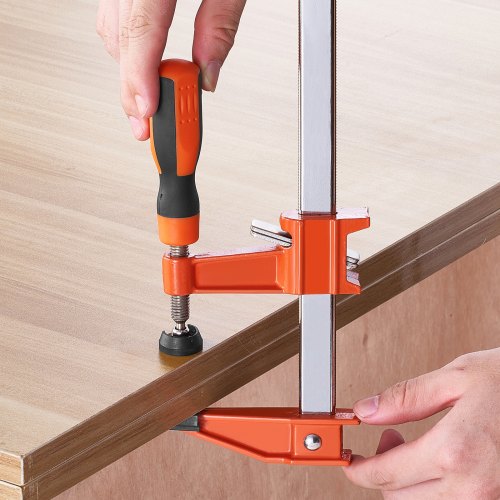
Bar clamps have a long metal bar with adjustable arms. They can hold wide or large wood pieces. You slide the arm to fit the wood and tighten it.
These clamps are strong and good for furniture or large frames. They come in different lengths for many projects.
C-clamps
C-clamps look like the letter C. They have a screw that tightens to hold wood firmly. These clamps are good for small or medium work.
They are strong but can leave marks on soft wood. Use pads to protect the wood surface.
Pipe Clamps
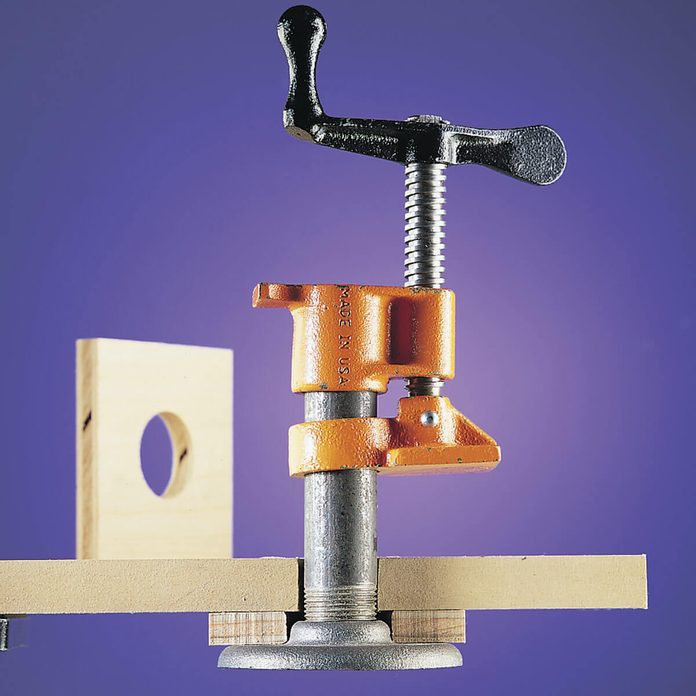
Pipe clamps use a metal pipe as the bar. You attach clamp parts to the pipe and slide them to fit the wood. They are very adjustable.
These clamps are good for long boards or wide panels. You can change the pipe length for different sizes.
Spring Clamps
Spring clamps are small and easy to use. They work like clothespins with a spring to hold wood pieces. They are good for quick jobs or holding small parts.
These clamps are not very strong but are useful for light tasks and crafts.
Choosing The Right Clamp
Clamps hold wood pieces tightly while you work. Picking the right clamp makes your job easier and safer.
Different clamps fit different tasks. Understanding size, material, and project needs helps you choose well.
Size And Capacity
Clamps come in many sizes. Choose one that fits the wood pieces you want to hold.
Check the clamp’s capacity. It should open wide enough and hold the pieces firmly.
- Small clamps work for thin or small wood pieces
- Larger clamps are needed for big or thick wood
- Too small clamps may not hold securely
- Too large clamps can be hard to handle
Material And Durability
Clamp material affects strength and lifespan. Metal clamps are strong and last long.
Plastic or wooden clamps are lighter but may break under pressure. Choose based on your work style.
- Steel clamps offer high strength
- Aluminum clamps are light and rust-resistant
- Plastic clamps are good for light tasks
- Wooden clamps suit delicate work
Specific Project Needs
Different projects require different clamps. Think about what the clamp must do for your task.
Some clamps work well for gluing. Others fit tight corners or hold irregular shapes.
- Bar clamps for wide or long pieces
- C-clamps for strong, steady pressure
- Spring clamps for quick, light holds
- Corner clamps for perfect right angles
Preparing Wood Pieces
Preparing wood pieces is important before using clamps to secure them. Proper preparation helps the wood bond well and stay aligned.
This guide covers cleaning surfaces, aligning edges, and applying glue for a strong hold.
Surface Cleaning
Clean wood surfaces remove dust, dirt, and oils. These can stop glue from sticking properly.
- Use a soft brush or cloth to clear dust.
- Wipe with a damp cloth to remove oils.
- Let the wood dry completely before gluing.
Aligning Edges
Align edges carefully to get tight joints. Misaligned pieces can weaken the bond and ruin the project.
| Tip | Reason |
|---|---|
| Dry fit pieces first | Check alignment without glue |
| Use a square or straight edge | Ensure edges are even |
| Adjust clamps slowly | Avoid shifting wood out of place |
Applying Glue
Apply glue evenly on surfaces to be joined. Too little glue weakens the bond. Too much glue can cause mess.
- Spread glue with a brush or stick.
- Cover all joining areas without gaps.
- Clamp the pieces firmly but not too tight.
- Wipe off extra glue quickly with a damp cloth.

Credit: www.familyhandyman.com
Clamping Techniques
Using clamps to hold wood pieces firmly makes woodworking easier. Clamps keep wood steady while glue dries or screws go in.
Good clamping techniques help avoid mistakes and damage. You must apply pressure carefully and evenly for strong joints.
Even Pressure Distribution
Clamp wood pieces so pressure spreads evenly over the joint. Uneven pressure can cause gaps or weak spots.
Use several clamps if needed. Place them at equal distances and tighten slowly to balance the force.
- Place clamps close to the joint
- Use multiple clamps for long pieces
- Tighten clamps gradually and evenly
Avoiding Damage
Clamps can leave marks or dents on wood if used carelessly. Protect the wood to keep a clean finish.
Do not overtighten clamps. Check clamp pads and wood surface before tightening to avoid damage.
- Use clamps with soft pads
- Place scrap wood between clamp and workpiece
- Apply just enough pressure to hold pieces
Using Cauls For Protection
Cauls are strips of wood placed between clamps and workpieces. They help spread pressure and protect the wood.
Cauls also keep clamp marks off visible surfaces. Use slightly curved cauls to apply even pressure along the joint.
- Select straight, smooth wood for cauls
- Tighten clamps over cauls, not directly on wood
- Use wax or packing tape on cauls to avoid glue sticking
Securing Perfect Joints
Using clamps helps hold wood pieces firmly in place. This ensures strong and accurate joints.
It is important to know when and how to use clamps. Proper clamping improves the final result of your woodworking project.
Timing For Clamping
Apply clamps right after you spread glue on the wood surface. The glue should still be wet to create a strong bond.
Do not wait too long or the glue may dry before clamping. This weakens the joint strength.
Checking Alignment
Make sure the wood pieces line up correctly before tightening clamps. Misalignment causes gaps or weak joints.
- Place pieces on a flat surface
- Check edges and corners for flush fit
- Adjust pieces gently to align them
- Recheck alignment after tightening clamps
Adjusting Clamp Pressure
Use the right clamp pressure to avoid damage. Too little pressure causes weak joints. Too much pressure squeezes out glue.
| Pressure Level | Effect |
| Low | Weak bond, loose joint |
| Medium | Strong bond, good fit |
| High | Glue squeeze-out, wood damage |
Credit: www.vevor.com
Common Mistakes To Avoid
Using clamps to hold wood pieces together is common in woodworking. Clamps keep wood steady while glue dries or while you work.
It is important to use clamps correctly. Some mistakes can cause damage or poor results. Avoid these common errors for better woodworking.
Overtightening Clamps
Clamping too tightly can squeeze out glue and damage the wood. It may leave marks or dents on the surface.
Use just enough pressure to hold the wood firmly. Check the clamp tension often to avoid overtightening.
- Start with light pressure and increase slowly
- Stop tightening if wood starts to bend or dent
- Use clamps with padded jaws to protect wood
Ignoring Wood Movement
Wood expands and contracts with changes in humidity. Ignoring this can cause cracks or splits over time.
Allow space for wood to move during clamping. Do not clamp wood too tightly if it needs to shift later.
- Use flexible joints that allow movement
- Do not seal all sides of wood before clamping
- Check wood moisture level before starting
Uneven Pressure Application
Applying uneven pressure can cause gaps or weak joints. Some parts may be tight while others stay loose.
Place clamps evenly and use enough clamps to spread pressure. Check alignment before the glue dries.
- Use multiple clamps for long pieces
- Check pressure at all clamp points
- Use cauls to distribute pressure evenly
Maintenance And Care For Clamps
Clamps help hold wood pieces firmly while working. To keep them working well, you must care for and maintain them properly.
Good care makes clamps last longer and stay safe to use. Simple steps can protect your clamps from damage and rust.
Cleaning After Use
Clean clamps right after use to remove wood dust and glue. Dirt and glue can cause clamps to stick or break.
Use a soft cloth or brush to wipe off dirt. For sticky glue, use warm water or mild soap to clean the clamp.
- Wipe all metal and wooden parts
- Remove glue before it dries
- Dry clamps completely to avoid rust
Storage Tips
Store clamps in a dry place to stop rust and damage. Avoid areas with moisture or dirt.
Hang clamps on hooks or keep them in a toolbox. Do not pile heavy items on top of them.
- Keep clamps away from water and humidity
- Use wall hooks or shelves for storage
- Organize clamps by size for easy use
Lubricating Moving Parts
Lubricate clamp screws and sliding parts to keep them smooth. Dry parts can wear out or get stuck.
Use light machine oil or a silicone spray. Apply a small amount and move parts to spread lubricant well.
- Clean parts before applying lubricant
- Apply oil or spray sparingly
- Work clamp parts to spread lubricant
- Wipe off extra oil to avoid dirt buildup
Credit: www.familyhandyman.com
Frequently Asked Questions
What Types Of Clamps Work Best For Securing Wood Pieces?
Bar clamps and C-clamps are ideal for woodwork. Bar clamps offer wide opening and strong pressure. C-clamps are great for smaller projects and tight spaces. Choose based on wood size and clamping force needed.
How Do Clamps Prevent Wood Pieces From Shifting?
Clamps hold wood pieces firmly by applying constant pressure. This pressure stops movement during gluing or cutting. It ensures precise alignment and strong bonding. Properly tightened clamps improve project accuracy and durability.
Can Clamps Damage Wood Surfaces?
Yes, clamps can dent wood if over-tightened. Using protective pads or scrap wood between clamp and wood helps prevent damage. Always tighten clamps gradually and monitor pressure to avoid marks or indentations.
When Should I Use Multiple Clamps On Wood?
Use multiple clamps for larger or uneven wood pieces. They distribute pressure evenly and prevent gaps or warping. For best results, space clamps evenly along the joint or surface.
Conclusion
Securing wood pieces with clamps makes woodworking easier. Clamps hold wood steady. They prevent slips and mistakes. This helps in crafting precise and clean projects. Different clamps suit different needs. Choose wisely for the best results. Using the right clamp saves time and effort.
It ensures safety too. Always check the grip before starting your work. Remember, a steady hold means a successful project. Practice using clamps to gain confidence. Experiment with various types. This will enhance your woodworking skills. So, grab your clamps and start building.