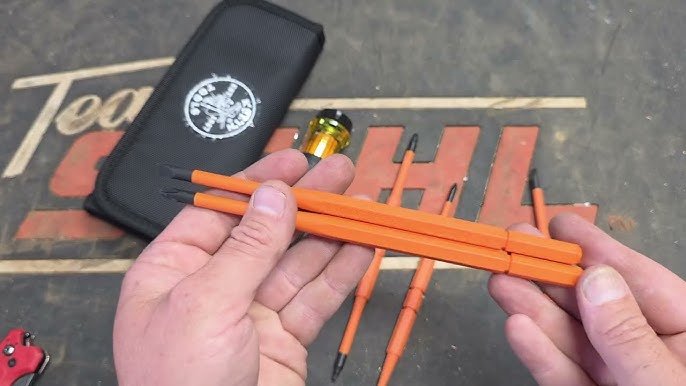
Ever wondered how a simple tool can make all the difference in your safety and efficiency? Using insulated screwdrivers properly might seem straightforward, but there’s more to it than meets the eye.
If you’re handling electrical tasks, the right technique and tool can protect you from unexpected shocks and accidents. Imagine the peace of mind, knowing you’re fully shielded while working. This article will reveal the essential tips and tricks to maximize the safety and effectiveness of your insulated screwdrivers.
Stay with us, and you’ll discover how to turn a mundane task into a smooth, risk-free experience. Curious to learn how you can ensure your safety and efficiency with every turn of the screwdriver? Keep reading to find out.

Credit: www.frefoxtool.com
Why Choose Insulated Screwdrivers
Insulated screwdrivers are important tools for electrical work. They help keep users safe and make tasks easier.
Using the right screwdriver reduces risks and improves work quality.
Protection Against Electrical Shock
Insulated screwdrivers have special handles that stop electricity from passing through. This keeps you safe from shocks.
- They have a rubber or plastic coating.
- The tips are insulated to prevent current flow.
- They meet safety standards for electrical tools.
- They reduce the chance of accidents on live wires.
Durability And Reliability
These screwdrivers are made with strong materials. They resist wear and damage over time.
| Feature | Benefit |
| High-quality steel tips | Stay sharp and fit screws well |
| Sturdy insulated handles | Provide long-lasting grip and safety |
| Corrosion-resistant finish | Work well in different environments |
Common Applications
Insulated screwdrivers are used in many places where electrical safety is key.
- Fixing electrical outlets and switches
- Working on circuit boards and panels
- Maintaining household appliances
- Installing lighting fixtures
Identifying Quality Insulated Tools
Using insulated screwdrivers keeps you safe from electric shocks. Choosing the right tool is very important.
Quality insulated screwdrivers protect well and last longer. Learn how to identify good ones before buying.
Insulation Standards To Look For
Insulated screwdrivers must meet safety standards. These rules ensure the tool can handle high voltage.
Look for tools tested to withstand at least 1000 volts. This level is safe for most electrical work.
- IEC 60900 is a common global standard
- ANSI/ISEA 107 applies in the United States
- Tools should have clear voltage rating marks
Material And Build Quality
The handle must be made from strong insulating materials. Plastic or rubber grips are common choices.
The screwdriver shaft should be tough and rust-resistant. It must not conduct electricity through cracks or breaks.
- Handles often have multiple layers for extra safety
- Good insulation covers the full handle surface
- Check that the metal shaft is securely attached
Certification Marks Explained
Certification marks show a tool passed safety tests. They help you trust the insulated screwdriver.
Common marks include symbols from testing labs or safety organizations. Always look for these on the tool or packaging.
- VDE mark means tested in Germany for insulation
- UL mark shows approval in the United States
- CSA mark indicates Canadian safety compliance
- CE mark means it meets European rules
Pre-use Inspection Checklist
Using insulated screwdrivers safely starts with a careful inspection. Checking the tool before use helps prevent accidents.
This checklist covers key points to examine before using an insulated screwdriver.
Checking For Damage Or Wear
Look closely at the screwdriver for any cracks, chips, or worn areas. Damage can reduce safety and tool effectiveness.
- Inspect the handle for cracks or splits
- Check the shaft for bends or rust
- Look at the tip for wear or damage
- Ensure the screwdriver is clean and free of oil
Verifying Insulation Integrity
The insulation protects you from electric shock. It must be intact and in good condition.
| Inspection Point | What to Check |
| Insulation surface | No cracks, cuts, or abrasions |
| Color | Bright and consistent, no fading |
| Markings | Visible safety ratings and certifications |
| Grip | Firm and not slippery |
Ensuring Proper Fit And Size
Choose a screwdriver that fits the screw head well. The right size reduces slippage and damage.
Check these points:
- The tip matches the screw type (flat, Phillips, etc.)
- The tip fits snugly without wobbling
- The handle is comfortable to hold
- The length suits the working space

Credit: www.amazon.ca
Safe Handling Techniques
Using insulated screwdrivers properly helps keep you safe from electric shocks. These tools protect you when working near electricity.
Learn how to handle insulated screwdrivers with care. Follow safety steps to avoid accidents and injuries.
Correct Grip And Positioning
Hold the insulated screwdriver by its handle only. Keep your fingers away from the metal part.
Position your hand so the tool stays steady. Use a firm grip to control the screwdriver well.
- Hold the handle fully with your hand
- Do not touch the metal shaft
- Keep your wrist straight
- Apply steady pressure when turning screws
Avoiding Contact With Live Circuits
Do not touch live wires or circuits with the screwdriver. Even insulated tools can fail if used incorrectly.
Turn off power before starting work. Check if the circuit is safe before using your screwdriver.
- Always test the circuit is off
- Use a voltage tester before starting
- Keep the screwdriver insulated part between you and the circuit
- Do not use damaged or worn tools
Using Tools In Dry Conditions
Use insulated screwdrivers only in dry places. Moisture can reduce protection and increase shock risk.
Dry your hands and the tool before work. Avoid using these tools in rain or wet environments.
- Check the tool for moisture before use
- Keep your hands dry
- Do not work in damp or wet areas
- Store tools in a dry place after use
Maintenance And Storage Tips
Insulated screwdrivers need proper care to work safely. Good maintenance keeps the insulation strong. Proper storage helps avoid damage and wear.
Follow simple steps to clean, store, and check your tools. This keeps them safe and reliable for electrical work.
Cleaning Without Damaging Insulation
Clean insulated screwdrivers gently to keep the insulation safe. Use a soft cloth and mild soap to wipe the handles. Avoid harsh chemicals or rough scrubbing.
Do not soak the handles in water. Dry them well after cleaning to stop moisture from harming the insulation.
Storing To Prevent Wear
Store insulated screwdrivers in a dry, cool place. Keep them away from direct sunlight and heat. This helps stop the insulation from cracking or fading.
Use a tool rack or organizer to keep screwdrivers from banging into each other. Avoid leaving them loose in toolboxes where they can get damaged.
- Store in a clean, dry area
- Keep out of sunlight and heat
- Use a tool rack or case
- Separate from sharp or heavy tools
Regular Testing And Replacement
Test insulated screwdrivers regularly to ensure safety. Look for cracks, cuts, or worn insulation. Check the metal parts for rust or damage.
Replace any screwdriver that shows damage. Do not use tools with broken insulation. Regular checks help prevent accidents and keep work safe.

Credit: www.youtube.com
Common Mistakes To Avoid
Using insulated screwdrivers keeps you safe around electricity. Many people make simple mistakes that can cause injury or damage. Avoiding these errors helps you use these tools properly.
Below are common mistakes to watch out for. Fixing these improves safety and tool performance.
Using Non-insulated Tools Near Electricity
Non-insulated screwdrivers do not protect you from electric shocks. Using them near live wires is very dangerous. Always choose tools with proper insulation for electrical work.
Even if the wire looks safe, an accident can happen. Insulated tools reduce the risk of electric shock or burns.
- Do not use metal screwdrivers without insulation near electricity
- Check tool labels for voltage rating and certification
- Use insulated tools designed for the job’s voltage level
Ignoring Tool Damage
Cracks, chips, or worn insulation on screwdrivers make them unsafe. Damaged tools might fail to protect you from shocks. Inspect your tools before every use.
Do not use tools with visible damage. Replace or repair them to stay safe. Small damage can cause big accidents.
- Look for cracks in the handle or insulation
- Check for bent or loose screwdriver tips
- Discard or fix tools with damaged insulation
Improper Use Beyond Tool Capacity
Insulated screwdrivers are made for specific voltage levels. Using them beyond their limits can cause failure. Do not use them for tasks they are not designed for.
Applying too much force or using the wrong size screwdriver can damage the tool. This reduces safety and may cause injury.
- Use screwdrivers rated for the voltage you work with
- Choose the right size and type for each screw
- Avoid using insulated screwdrivers as pry bars or chisels
Additional Safety Gear To Use
Using insulated screwdrivers helps protect against electric shocks. Still, you need more safety gear to stay safe.
Wearing the right gear reduces injury risks during electrical work. Always prepare well before starting.
Gloves And Protective Clothing
Use insulated gloves to prevent electric shocks. These gloves stop current from passing through your body.
Wear protective clothing made from non-conductive materials. Avoid wearing wet clothes or jewelry while working.
- Use rubber or leather gloves rated for electrical work
- Wear long sleeves and pants to cover skin
- Avoid metal accessories like rings and watches
- Keep clothes dry and clean
Eye Protection Essentials
Always wear safety glasses or goggles to protect your eyes. Sparks or debris can cause serious eye injuries.
Choose eyewear that fits well and meets safety standards. Clear lenses work best indoors or in low light.
- Use impact-resistant safety glasses or goggles
- Wear wrap-around styles for full eye coverage
- Keep lenses clean and scratch-free
Using Voltage Testers Alongside
Voltage testers check if wires or devices have live electricity. Use them before starting work with insulated screwdrivers.
Testers add an extra safety layer. They help you avoid touching live parts by mistake.
- Use non-contact voltage testers for quick checks
- Check tester batteries regularly
- Confirm voltage presence before and after work
- Never rely on testers alone; combine with other safety gear
Frequently Asked Questions
What Are Insulated Screwdrivers Used For?
Insulated screwdrivers protect against electric shocks during electrical work. They are designed to handle live wires safely. Their insulated handles prevent current flow to the user, reducing accident risks. This tool is essential for electricians and DIYers working near electricity.
How To Identify A Genuine Insulated Screwdriver?
Look for a clear voltage rating on the handle, typically 1000V. Genuine tools have certified insulation markings and quality grips. The handle is often made from non-conductive materials like plastic or rubber. Always buy from reputable brands to ensure safety and durability.
Can Insulated Screwdrivers Be Used On Non-electrical Tasks?
Yes, insulated screwdrivers work well on mechanical tasks too. However, their insulation mainly protects against electric shocks. Using them on non-electrical jobs does not harm the tool but may wear the insulation faster. It’s best to reserve them for electrical work.
How To Maintain Insulated Screwdrivers Properly?
Keep them clean and dry after use to preserve insulation. Inspect regularly for cracks or damage in the handle and shaft. Replace immediately if insulation is compromised. Store them separately to avoid damage and ensure long-term safety and effectiveness.
Conclusion
Using insulated screwdrivers keeps you safe during electrical work. Always check the tool for damage before use. Hold the handle firmly and avoid touching metal parts. Use the right size screwdriver for each task. Store them properly to keep insulation strong.
Following these simple steps protects you from shocks. Stay careful and work smart for better results. Safety matters most when handling electricity.
