Wood carving can be a rewarding and creative hobby, but it comes with its own set of risks. If you want to enjoy every moment of your craft without injury, you need to know the right safety tips.
Imagine finishing your project smoothly, pain-free, and ready to start the next one. You’ll discover simple yet crucial wood carving safety tips that protect your hands, eyes, and overall well-being. Keep reading to make your carving experience safer and more enjoyable from start to finish.

Credit: www.woodcraft.com
Choosing Safe Tools
Wood carving is a fun hobby but needs safe tools. Using the right tools helps prevent injuries.
Choosing safe tools means checking their quality and condition before use.
Selecting Quality Carving Knives
Pick knives made from strong materials that do not bend or break easily. Good handles give a firm grip and stop slipping.
- Choose knives with sharp, durable blades
- Look for handles made from non-slip materials
- Avoid cheap knives that break or rust fast
- Check that blades fit tightly in the handle
- Buy knives from trusted brands or stores
Maintaining Sharp Blades
Dull blades need more force and cause accidents. Keep blades sharp for safe carving and clean cuts.
| Maintenance Task | How Often |
| Sharpen blade with stone or sharpener | Before each use |
| Clean blade after use | Every time |
| Check for rust and remove it | Weekly |
| Oil blade to stop rust | Monthly |
Using Protective Equipment
Wear safety gear to protect hands and eyes from cuts and chips. Never carve without protection.
- Wear cut-resistant gloves on carving hand
- Use safety goggles to protect eyes
- Keep a first aid kit nearby
- Work in a well-lit area

Credit: www.schaaftools.com
Setting Up A Safe Workspace
Wood carving can be fun and creative. Safety is very important while working with sharp tools. A safe workspace helps prevent accidents and keeps you focused.
Setting up your workspace correctly makes carving easier and safer. This includes good lighting, tool organization, and securing your wood piece well.
Ensuring Proper Lighting
Good lighting helps you see fine details and avoid mistakes. Use bright lights that do not create shadows on your work area.
Natural light is best, but if not available, use LED lamps with adjustable arms. Position lights to shine directly on the carving surface.
- Use daylight or cool white bulbs for true color
- Place lights at different angles to reduce shadows
- Keep your workspace well-lit at all times
Organizing Tools Efficiently
Keep your carving tools organized and within reach. This saves time and reduces the risk of cutting yourself when searching for tools.
Use tool racks, magnetic strips, or small containers to store knives and chisels safely. Always clean and dry tools before storing.
- Arrange tools by size or function
- Keep sharp edges away from your hands
- Check tools often for damage or dullness
Securing The Workpiece
Hold your wood piece firmly to avoid slips and accidents. Use clamps or a carving vise to keep the wood steady while you work.
Make sure the workpiece is fixed at a comfortable height. This helps you control tools better and keeps your body safe from strain.
- Use non-slip pads under clamps to protect surfaces
- Check the tightness of clamps before starting work
- Adjust the position often for better access and comfort
Safe Carving Techniques
Wood carving is a fun and creative activity. It needs focus on safety to avoid injuries.
Using safe carving methods helps you work better and stay protected. Always follow good habits.
Controlling Hand Movements
Keep your hands steady while carving. Slow and careful movements reduce slips and cuts.
Hold the carving tool firmly but not too tight. This helps you guide the blade smoothly.
- Use your fingers to guide the tool gently
- Do not rush your cuts
- Practice on scrap wood to improve control
Carving Away From The Body
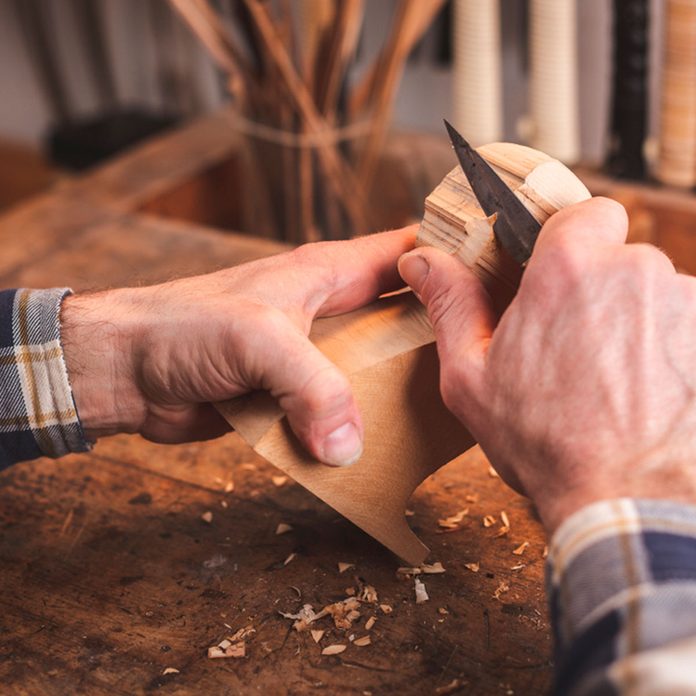
Always carve in a direction away from your body. This lowers the risk of injury if the tool slips.
Position your hands and arms so the blade moves away from you, not toward you.
- Hold the wood securely
- Plan your cuts before carving
- Keep your body clear of the cutting path
Taking Regular Breaks
Stop carving every 30 to 60 minutes. Breaks help you rest your hands and eyes.
Regular breaks reduce fatigue and keep your focus sharp. Tired hands increase accident risks.
- Stand up and stretch your fingers
- Look away from the work to rest your eyes
- Drink water to stay hydrated
Protecting Against Dust And Debris
Wood carving creates a lot of dust and small debris. This dust can harm your lungs and eyes.
Using safety tools and cleaning often helps keep your workspace safe and healthy.
Wearing Respiratory Masks
Respiratory masks stop dust from entering your lungs. Always wear a mask made for fine dust.
- Choose masks labeled N95 or higher for best protection.
- Make sure the mask fits tightly around your nose and mouth.
- Replace disposable masks after each use or when dirty.
- Clean reusable masks regularly according to instructions.
Using Dust Extraction Systems
Dust extraction systems collect dust as you carve. They keep the air clean and reduce cleanup time.
| Type | Use | Benefit |
| Shop Vacuum | Attach to tools | Captures large dust amounts |
| Air Filtration Unit | Filters air in room | Improves overall air quality |
| Dust Hood | Encloses work area | Stops dust spreading |
Cleaning Work Area Regularly
Cleaning stops dust buildup. Dust can irritate skin and eyes if left for long.
- Wipe surfaces with a damp cloth to trap dust.
- Sweep or vacuum floors after each work session.
- Empty dust collectors often to keep them working well.
- Wear gloves to protect your hands from splinters and dust.
First Aid Preparedness
Wood carving is a rewarding hobby but can cause injuries. Being ready for accidents helps you stay safe.
Knowing basic first aid and having supplies nearby makes treating cuts faster and easier.
Keeping A First Aid Kit Handy
Keep a well-stocked first aid kit near your carving area. It saves time during injuries.
- Include bandages of different sizes
- Have antiseptic wipes and creams
- Add sterile gauze pads and adhesive tape
- Keep scissors and tweezers
- Include disposable gloves for safety
- Have pain relievers and burn cream
Treating Minor Cuts
Clean small cuts right away to stop infection. Use water and antiseptic carefully.
| Step | Action |
|---|---|
| 1 | Wash hands before touching the cut |
| 2 | Rinse the cut with clean water |
| 3 | Apply antiseptic wipe or cream |
| 4 | Cover with a sterile bandage |
| 5 | Change bandage daily or if wet |
Knowing When To Seek Medical Help
Some injuries need a doctor’s care. Learn signs that need professional help.
- Deep cuts that bleed heavily
- Wounds with dirt or wood chips inside
- Injuries showing signs of infection
- Loss of feeling or movement near the cut
- Cuts caused by rusty or dirty tools
Credit: www.familyhandyman.com
Handling And Storing Tools Safely
Wood carving tools need careful handling to keep you safe. Proper storage stops damage and accidents.
Follow simple safety tips to protect yourself and your tools. Keeping tools in order saves time and prevents injuries.
Proper Tool Storage Methods
Store your tools in a dry place to avoid rust. Use racks or boxes designed for wood carving tools.
- Keep sharp edges covered with guards or sheaths.
- Organize tools by size and type for easy access.
- Label storage areas to prevent mix-ups.
- Keep tools off the floor to reduce moisture contact.
- Use magnetic strips or pegboards for small hand tools.
Transporting Tools Securely
Move your tools carefully to avoid damage or injury. Use sturdy containers or toolboxes with secure lids.
| Transport Tip | Reason |
|---|---|
| Wrap sharp tools in cloth | Prevents cuts and protects blades |
| Use toolboxes with locking mechanisms | Keeps tools from spilling |
| Carry tools in a separate bag | Avoids damage to other items |
| Check tool condition before transport | Ensures safe handling |
Regular Tool Inspections
Check your tools often for wear and damage. Fix or replace tools that are unsafe to use.
- Look for dull or chipped blades.
- Check handles for cracks or splinters.
- Test tool stability and tightness.
- Clean tools after each use.
- Store tools only when dry and clean.
Frequently Asked Questions
What Are Essential Safety Tools For Wood Carving?
Essential safety tools include sharp carving knives, gloves, safety goggles, and a carving glove to protect your hand. Using these tools reduces injury risks and ensures precise work. Always maintain tools to keep them safe and effective.
How To Prevent Injuries While Wood Carving?
Prevent injuries by carving away from your body and keeping tools sharp. Wear protective gloves and goggles. Maintain a clean workspace and focus on steady, controlled cuts to avoid slips and accidents.
Why Is Proper Lighting Important In Wood Carving?
Proper lighting helps you see details clearly, reducing mistakes and injuries. It prevents eye strain and ensures precision while carving intricate designs. Use bright, focused light sources for the best results.
How To Maintain Carving Tools Safely?
Keep tools clean, sharp, and dry to prevent rust and dullness. Store them in a safe place, like a toolbox or sheath. Regular maintenance prolongs tool life and ensures safe, efficient carving.
Conclusion
Safety first in wood carving. It protects your fingers and hands. Always wear gloves and goggles for extra protection. Keep your tools sharp, not dull. Dull tools slip more easily. Ensure your workspace is well-lit and organized. Good lighting helps you see details better.
Take breaks to avoid fatigue. Tired hands make mistakes. Practice patience and focus on each cut. Remember, safety leads to better carving. Enjoy your wood carving journey safely and creatively. Your art will thank you.