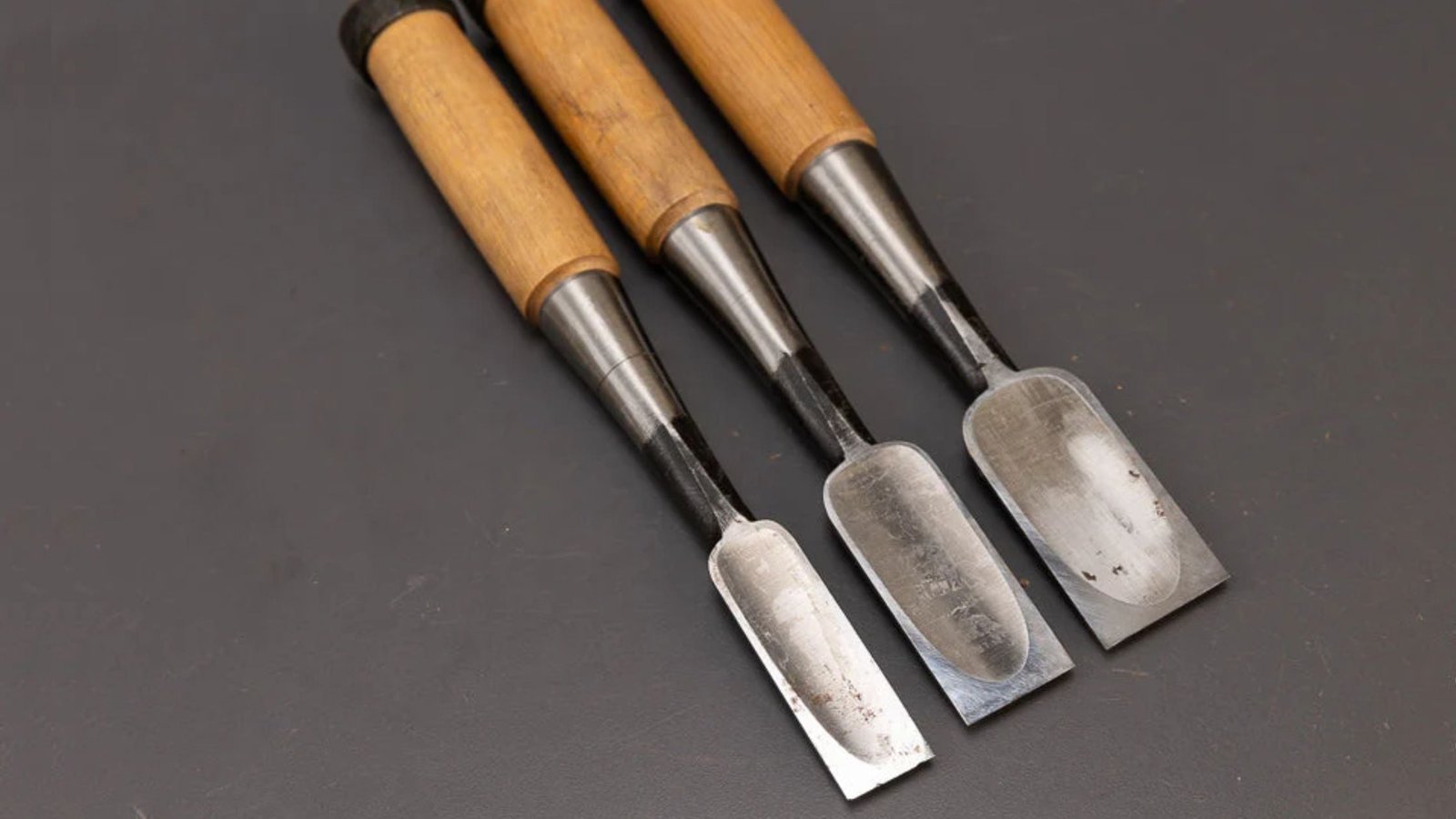
If you work with wood, having the right chisel can make all the difference in your project. But with so many types of wood chisels out there, how do you know which one fits your needs?
Understanding the different wood chisels and their uses will save you time, improve your craftsmanship, and make your work more enjoyable. You’ll discover the main types of wood chisels and exactly when and how to use each one. By the end, you’ll feel confident choosing the perfect chisel for your next woodworking task.
Keep reading to unlock the full potential of your tools!
Common Wood Chisel Types
Wood chisels are essential tools for shaping and carving wood. Different types of chisels serve specific jobs in woodworking.
Choosing the right chisel helps you work more accurately and safely. Here are some common wood chisel types and their uses.
Beveled Edge Chisels
Beveled edge chisels have angled edges that make it easier to reach tight corners. They are good for fine detail work and trimming joints.
These chisels are versatile and commonly used by woodworkers for general tasks like paring and fitting joints.
Mortise Chisels
Mortise chisels are thick and strong. They are designed to cut deep, square holes called mortises for joinery.
The sturdy blade lets you apply heavy force without bending or breaking the chisel.
Paring Chisels
Paring chisels have long, thin blades. They are used for delicate shaving and smoothing of wood surfaces.
You use these chisels with light hand pressure, not with a mallet, to remove thin wood layers.
Corner Chisels
Corner chisels have an L-shaped blade. They help clean out sharp corners inside mortises or grooves.
Their unique shape lets you reach places other chisels cannot, making corners neat and square.
Skew Chisels
Skew chisels have blades cut at an angle. They are good for cutting across wood grain and trimming end grain.
Woodworkers use skew chisels for smooth, precise cuts and clean finishing work.
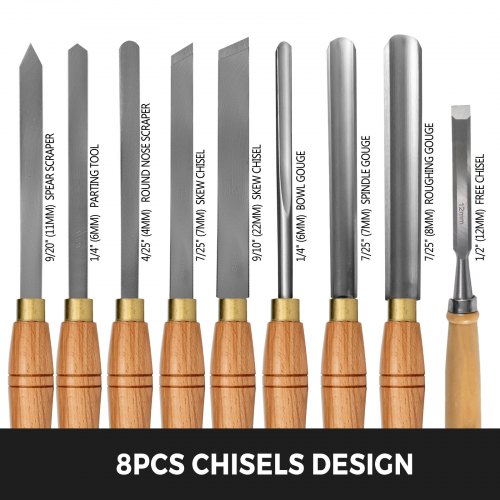
Credit: www.vevor.ca
Specialty Chisels For Woodworking
Woodworking needs tools that fit each job. Specialty chisels help shape wood with care and skill. Each chisel type has a unique use.
These chisels give woodworkers more control. They can cut, carve, and smooth wood in ways standard chisels cannot.
Firmer Chisels
Firmer chisels have thick, strong blades. They are good for heavy chopping and levering wood. The thick blade resists bending or breaking.
Woodworkers use firmer chisels for tough jobs. They work well on hardwoods and rough cuts.
- Thicker blade than standard chisels
- Strong and durable for heavy work
- Good for levering wood apart
- Used on hardwood and rough surfaces
Dovetail Chisels
Dovetail chisels have a narrow, angled blade. They fit into tight corners and small joints. These chisels are perfect for making dovetail joints.
They help create clean, precise cuts. The blade shape allows woodworkers to cut inside corners without damaging the wood.
- Narrow, angled blade for tight spaces
- Makes clean dovetail joints
- Good for detailed joinery work
- Allows precise inside corner cuts
Carving Chisels
Carving chisels have thin, sharp blades. They come in many shapes for different carving styles. These chisels remove small amounts of wood.
Woodcarvers use these chisels to make sculptures and detailed designs. Their fine edges help shape wood smoothly.
- Thin, sharp blades for fine work
- Various shapes for different cuts
- Used in wood sculpting and decoration
- Removes small wood pieces carefully
Choosing The Right Chisel
Wood chisels come in many shapes and sizes. Picking the right chisel helps you work better and safer.
Knowing the right chisel for your task makes a big difference in your woodworking projects.
Matching Chisel To Task
Each chisel type fits a specific job. Use the correct chisel for clean and precise cuts.
- Paring chisels are good for fine, detailed work.
- Bevel edge chisels fit tight corners and joints.
- Mortise chisels handle heavy chopping in hard wood.
- Firmer chisels offer strength for general tasks.
- Spoon chisels carve curved surfaces smoothly.
Blade Material And Quality
Blade material affects how sharp and strong a chisel stays. Good quality blades last longer and cut cleaner.
| Material | Features | Best Use |
| High Carbon Steel | Sharp edge, easy to sharpen | General woodworking |
| Chrome Vanadium Steel | Resists rust, stays sharp longer | Heavy use and outdoor work |
| Stainless Steel | Rust resistant, less sharp edge | Light work and wet conditions |
Handle Types And Comfort
Comfortable handles reduce hand fatigue. Choose handles that fit your hand and work style well.
- Wood handles offer a traditional feel and absorb shock.
- Plastic handles are lightweight and easy to clean.
- Rubber grips give extra comfort and slip resistance.
- Some handles have a metal cap for striking with a hammer.

Credit: www.amazon.ca
Proper Chisel Techniques
Wood chisels are essential tools for shaping and carving wood. Using the right techniques makes work easier and safer.
Good chisel skills help you create clean cuts and protect your wood from damage.
Sharpening Tips
Keep your chisels sharp for better cutting and safer use. Dull chisels need more force, which is risky.
Use a sharpening stone or honing guide to maintain a sharp edge. Regular sharpening improves control.
- Start with a coarse stone to fix chips or dull edges
- Use a fine stone to polish the cutting edge
- Keep the bevel angle consistent, usually around 25 degrees
- Finish with a leather strop for a razor-sharp edge
Safe Handling Practices
Handle chisels carefully to avoid injuries. Always direct the blade away from your body.
Use a wooden or rubber mallet, not a metal hammer, to strike the chisel handle for safety.
- Wear safety glasses to protect your eyes from chips
- Keep your hands behind the cutting edge
- Store chisels with blade guards or in a toolbox
- Work on a stable surface to prevent slips
Cutting And Paring Methods
Use cutting for removing large wood sections quickly. Hold the chisel firmly and cut with controlled force.
Paring is a gentle, precise method for fine shaping. Push the chisel slowly with your hands, not a mallet.
- Cutting: Position the chisel bevel down for deep cuts
- Paring: Hold the bevel up to shave thin wood layers
- Move the chisel along the grain to avoid splintering
- Use short, smooth strokes for better control
Maintaining Your Chisels
Keeping your wood chisels in good shape makes your work easier. Proper care helps your chisels last longer.
Learn how to clean, sharpen, and fix your chisels to keep them sharp and ready.
Cleaning And Storage
After use, clean your chisels to remove wood dust and sap. Use a dry cloth or a soft brush to wipe the blade.
- Wipe blades with a light oil to stop rust.
- Store chisels in a dry place away from moisture.
- Use a wooden box or rack to keep blades safe.
- Keep handles dry to avoid cracking.
Regular Sharpening Routine
Sharp chisels cut better and reduce accidents. Set a regular schedule for sharpening your blades.
- Use a sharpening stone or honing guide.
- Start with coarse grit, then use fine grit.
- Maintain the bevel angle on the blade.
- Finish with a leather strop for a smooth edge.
Repairing Damaged Blades
Damaged blades need quick repairs to avoid further harm. Small chips and dents can be fixed with care.
| Damage Type | Repair Method |
| Small chips | Grind carefully on a sharpening stone |
| Dents | Flatten with a fine file or stone |
| Rust spots | Remove with steel wool or rust remover |
| Loose handles | Secure with wood glue or replace handle |

Credit: daitool.com
Frequently Asked Questions
What Are The Main Types Of Wood Chisels?
Wood chisels come in bench, mortise, paring, and carving types. Each type serves different woodworking tasks. Bench chisels are versatile for general use. Mortise chisels handle heavy-duty work. Paring chisels are for delicate, precise cuts. Carving chisels shape intricate designs.
How To Choose The Right Wood Chisel?
Choose based on your project’s needs and wood type. Consider blade width, handle comfort, and chisel type. For heavy chopping, mortise chisels work best. For fine detail, pick paring or carving chisels. Always select sharp, high-quality steel chisels.
What Are Common Uses Of Wood Chisels?
Wood chisels are used for shaping, carving, and cutting wood. They help create joints like mortises and dovetails. Carving chisels add decorative details. Paring chisels smooth surfaces and trim edges. Each chisel type suits specific woodworking tasks.
How To Maintain Wood Chisels Properly?
Keep chisels sharp using sharpening stones or honing guides. Clean blades after use to prevent rust. Store chisels in a dry place or protective case. Regular maintenance extends tool life and ensures safety. Avoid using chisels on metal or hard surfaces.
Conclusion
Wood chisels are essential tools for woodworking projects. Each type serves a unique purpose. Choose wisely based on your needs. Always maintain sharpness for effective use. Proper care extends their lifespan. Invest in quality chisels for better performance. Practice regularly to improve your skills.
Safety should always be a priority. Use protective gear to avoid injuries. Understanding different chisels enhances your craftsmanship. Explore and experiment with various techniques. This knowledge boosts your woodworking confidence. Make informed decisions for successful projects. Happy woodworking!