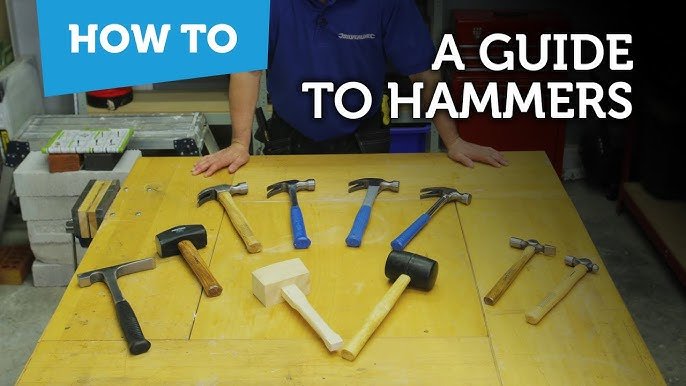
Choosing the right tool can make a big difference in your work. When it comes to pounding nails or shaping wood, should you reach for a wood mallet or a hammer?
Knowing which one fits your project can save you time, effort, and even prevent damage. In this guide, you’ll discover the key differences between a wood mallet and a hammer, how each tool works, and when to use them for the best results.
By the end, you’ll feel confident picking the perfect tool for your next task. Keep reading to make your work easier and more precise.
Tool Basics
Wood mallets and hammers are common tools used in woodworking and construction. Each tool has a specific use and design that fits different tasks.
Understanding the basics of these tools helps you choose the right one for your project and use it safely and effectively.
Wood Mallet Features
A wood mallet has a large, usually wooden head and a wooden handle. It is designed to deliver gentle, controlled force.
Wood mallets are used to strike chisels or to assemble wooden parts without damaging the surface. They reduce the risk of marring wood.
- Wooden head absorbs impact softly
- Lightweight and easy to handle
- Protects wood surfaces from dents
- Commonly used in woodworking and carpentry
Hammer Features
A hammer usually has a metal head and a handle made of wood, metal, or fiberglass. It is built for strong, heavy impact.
Hammers drive nails, break objects, and perform tasks that require force. They are versatile and used in many trades.
- Heavy metal head for powerful strikes
- Varied handle materials for durability
- Can damage wood if used carelessly
- Ideal for construction and demolition work

Credit: woodworkersinstitute.com
Material Differences
Wood mallets and hammers serve different purposes. Their materials reflect these uses. Understanding their differences helps choose the right tool.
This guide explains the materials used in wood mallets and hammers. It shows how these materials affect durability and function.
Wood Mallet Materials
Wood mallets are mostly made from hardwoods. These woods are strong but gentle on the work surface. They reduce damage to woodwork.
- Hard Maple: Dense and resistant to dents.
- Beech: Tough and fine-grained.
- Oak: Heavy and durable, with good shock absorption.
- Hickory: Strong and flexible, good for repeated strikes.
Wood mallets may have wooden heads and handles. This keeps them lightweight and easy to control.
Hammer Materials
Hammers use harder, denser materials to handle tough jobs. Metal heads are common for strength and impact.
| Material | Properties | Common Use |
|---|---|---|
| Steel | Very hard and durable | General purpose hammer heads |
| Claw Steel | Strong with a claw for nail removal | Framing and carpentry hammers |
| Fiberglass | Lightweight and shock absorbing | Handles to reduce vibration |
| Wood | Shock absorbent and traditional | Handles for comfort and grip |
Design And Construction
Wood mallets and hammers serve different purposes in woodworking and construction. Their designs reflect their unique functions. Understanding their design helps in choosing the right tool for the job.
This guide compares the design and construction of wood mallets and hammers. It highlights key features and materials used in each tool.
Wood Mallet Design
Wood mallets have a simple design focused on gentle striking. They usually have a large wooden head and a wooden handle. The head is often rectangular or cylindrical.
- The head is made from hardwood like maple or beech to resist wear.
- The handle is shaped for a comfortable grip and shock absorption.
- The head and handle are joined tightly to prevent loosening.
- The wooden construction avoids damaging delicate workpieces.
Hammer Design
Hammers have a more complex design to deliver strong, focused force. The head is made of metal with a striking face and often a claw for nail removal. The handle may be wood, fiberglass, or metal.
| Feature | Purpose | Common Materials |
|---|---|---|
| Head | Delivers strong impact | Steel or other hard metals |
| Handle | Provides grip and absorbs shock | Wood, fiberglass, metal |
| Claw | Removes nails | Steel |
| Face | Striking surface | Flat or slightly rounded steel |
Primary Uses
Wood mallets and hammers are common tools in many workshops. Each tool has specific jobs it does best.
Knowing their main uses helps you pick the right tool for your project. This guide explains their primary uses.
Wood Mallet Applications
Wood mallets are gentle tools made mainly for woodworking. They help shape and join wood without damaging it.
Carpenters use wood mallets to tap chisels and fit wooden pieces together. The soft head avoids marks and dents.
- Tapping chisels for carving wood
- Joining wooden parts without damage
- Adjusting wooden furniture parts
- Shaping wood in fine woodworking
Hammer Applications
Hammers are strong tools used for driving nails and breaking hard materials. They come in many types for different tasks.
Builders often use hammers to drive nails into wood, break concrete, or fit metal parts. The metal head delivers strong force.
- Driving nails and fasteners
- Breaking or shaping metal and concrete
- Removing old nails or parts
- General construction and repair work
Impact On Workpieces
The choice between a wood mallet and a hammer affects your workpieces differently. Each tool applies force in unique ways. Understanding these effects helps protect your materials.
Using the right tool can prevent damage and improve your results. Let’s explore how wood mallets and hammers impact workpieces.
Effects Of Wood Mallet Strikes
Wood mallets deliver softer, controlled blows. They spread the impact over a wider area. This reduces dents and marks on delicate surfaces.
- Less risk of splitting wood
- Good for joining and fitting pieces
- Prevents damage to chisels and tools
- Ideal for softer woods and fine woodworking
- Leaves minimal surface marks
Effects Of Hammer Strikes
Hammers deliver strong, focused force. This can cause dents, cracks, or splits in soft materials. They are best for heavy-duty tasks.
| Effect | Wood Mallet | Hammer |
| Force Distribution | Wide and gentle | Concentrated and sharp |
| Surface Damage | Minimal | High risk |
| Use on Soft Wood | Safe | Can cause splitting |
| Tool Protection | Protects chisels | May damage tools |
| Best Use | Fine woodworking | Heavy-duty tasks |
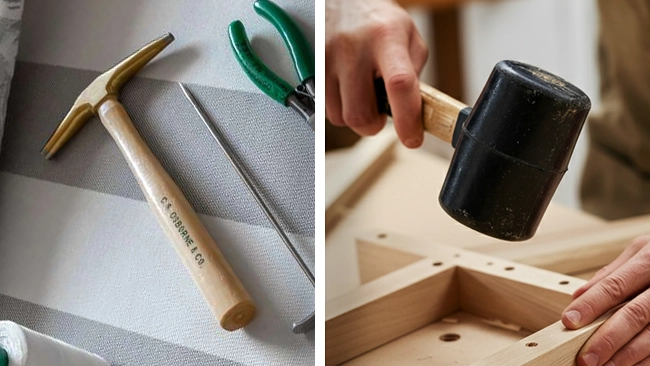
Credit: www.trivantage.com
Durability And Maintenance
Wood mallets and hammers are essential tools for many tasks. Their durability and maintenance affect how long they last. Proper care helps keep them working well.
Wood mallets often face different wear than hammers. Knowing how to maintain each tool can save money and improve safety.
Caring For Wood Mallets
Wood mallets can crack or split if not cared for. Avoid using them on very hard surfaces to prevent damage.
Keep wood mallets dry and store them in a cool place. Moisture can cause the wood to swell or rot over time.
- Wipe the mallet clean after use
- Apply wood oil to prevent drying
- Store in a dry, shaded area
- Check for cracks before each use
Caring For Hammers
Hammers need regular inspection for loose heads or damaged handles. A loose hammer head can cause accidents.
Keep the hammer clean and dry. Rust on the metal parts can reduce its strength and make it unsafe.
- Check the handle for cracks or splinters
- Tighten or replace loose heads
- Clean metal parts after use
- Apply light oil to prevent rust
Choosing The Right Tool
Picking the right tool for woodworking is important. It helps you work better and keeps your project safe.
Wood mallets and hammers look similar but work differently. Knowing their uses helps you choose well.
Factors To Consider
Think about the material you will work with. Wood mallets are gentle on wood surfaces. Hammers are stronger but can damage soft wood.
- Type of work: delicate or heavy-duty
- Material hardness: soft wood or metal
- Force needed: light taps or strong strikes
- Tool weight and size
- Comfort and control
Matching Tool To Task
Use the right tool for each task to get good results. Wood mallets work best for woodworking joints and chisels. Hammers are good for nails and metalwork.
| Task | Recommended Tool | Reason |
| Assembling wooden joints | Wood Mallet | Gentle impact avoids wood damage |
| Driving nails | Hammer | Strong force to push nails |
| Chisel work on soft wood | Wood Mallet | Controlled taps protect chisel |
| Metal shaping | Hammer | Heavy strikes needed |
Safety Tips
Using tools like wood mallets and hammers requires care to avoid injuries.
Follow safety tips to protect yourself and work better.
Using Wood Mallets Safely
Wood mallets deliver softer blows and reduce damage to workpieces.
- Wear safety goggles to protect your eyes from flying debris.
- Check the mallet head and handle for cracks before use.
- Hold the mallet firmly with a comfortable grip.
- Strike only on the designated surface to avoid chipping.
- Keep your fingers away from the striking area.
- Use the right size mallet for your task to avoid overexertion.
Using Hammers Safely
Hammers are powerful tools that require careful handling to prevent accidents.
| Safety Tip | Why It Matters |
| Wear safety goggles | Protects eyes from flying nails or fragments |
| Inspect hammer before use | Prevents handle breakage or loose heads |
| Use the correct hammer type | Ensures control and reduces injury risk |
| Keep a firm grip | Prevents slipping and unintended strikes |
| Strike squarely on the nail head | Reduces glancing blows and nail bending |
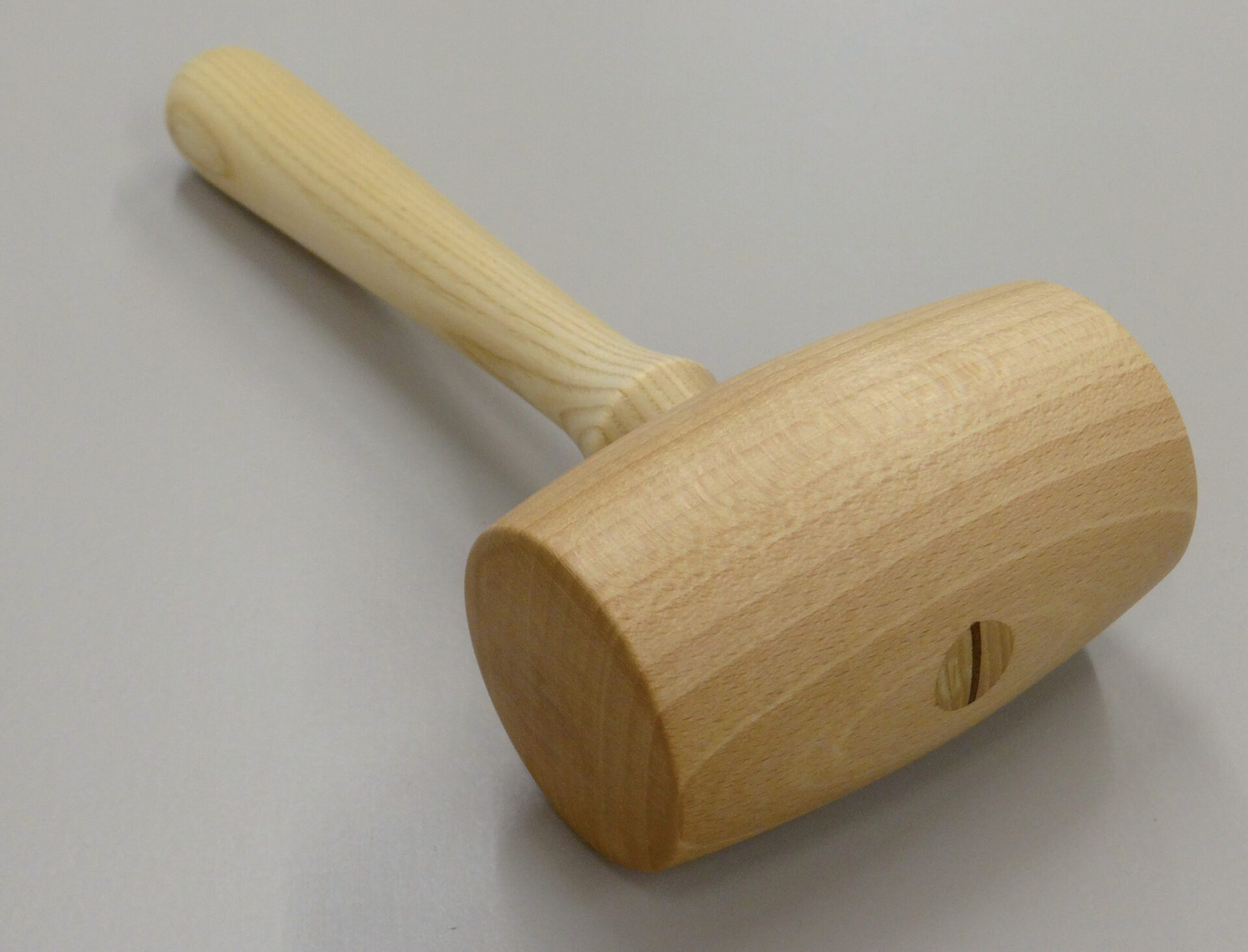
Credit: woodworkersinstitute.com
Frequently Asked Questions
What Are The Main Differences Between A Wood Mallet And Hammer?
A wood mallet has a wooden head, designed to avoid damaging surfaces. A hammer usually has a metal head, ideal for driving nails. Mallets provide gentler force, while hammers deliver stronger impact for tougher jobs.
When Should I Use A Wood Mallet Instead Of A Hammer?
Use a wood mallet for woodworking, chiseling, or assembling joints. It prevents marring delicate wood surfaces. Use a hammer for driving nails, breaking objects, or metalwork where stronger force is needed.
Can A Hammer Damage Wood During Woodworking?
Yes, metal hammers can dent or split wood. They apply concentrated force that may damage surfaces. For delicate woodworking, a wood mallet is safer and preserves the wood’s integrity.
Is A Wood Mallet Suitable For Metalworking Tasks?
No, wood mallets are not ideal for metalworking. Their wooden heads absorb impact, reducing effectiveness. Metal hammers are better for shaping or driving metal due to their hard, durable heads.
Conclusion
Choosing between a wood mallet and a hammer? Consider your project needs. Wood mallets are gentle on wood surfaces. Hammers deliver strong, precise force. Each tool has its own strengths. For woodworking, a mallet is often best. For driving nails, opt for a hammer.
Quality matters too. Invest in a good tool for long-lasting use. Always wear safety gear. Protect your hands and eyes. Happy crafting and building!