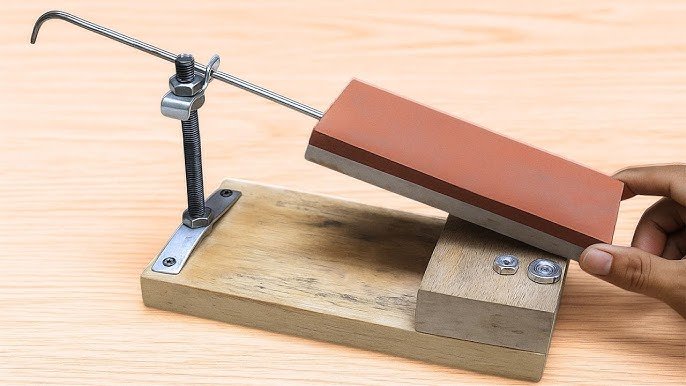
Are you tired of struggling with a dull wood rasp that makes your woodworking projects harder than they should be? Sharpening your wood rasp can save you time, effort, and frustration, giving you cleaner cuts and smoother finishes.
But how do you sharpen a tool that seems so rough and tough? This Wood Rasp Sharpening Guide will show you simple, effective techniques to bring your rasp back to life. Keep reading, and you’ll discover easy steps that anyone can follow to make your rasp work like new again.
Your hands—and your projects—will thank you.
Choosing The Right Rasp
Choosing the right wood rasp is important for smooth woodworking. It helps you shape and finish wood with ease.
Different rasps suit different tasks and wood types. Knowing the right kind saves time and effort.
Types Of Wood Rasps
Wood rasps come in many shapes and sizes. Each type fits a specific task or wood curve.
- Flat rasp: Good for straight and flat surfaces.
- Half-round rasp: Ideal for curved edges and shapes.
- Round rasp: Used for inside curves and round shapes.
- Cabinet rasp: Finer teeth for smooth finish work.
Material And Tooth Patterns
Most rasps have steel bodies. The teeth are cut or punched into the metal.
Tooth patterns affect how fast and smooth the rasp works. Coarse teeth remove wood quickly. Fine teeth give a smoother finish.
- Single-cut teeth: Remove wood slowly but smoothly.
- Double-cut teeth: Cut faster with a rougher finish.
- Coarse teeth: Best for heavy shaping and hard woods.
- Fine teeth: Good for soft woods and detailed work.
When To Sharpen Your Rasp
A wood rasp helps shape wood by removing small pieces. It needs to be sharp to work well.
Knowing when to sharpen your rasp saves time and gives better results. Watch for signs it is dull.
Signs Of Dullness
A dull rasp does not cut wood easily. You may feel it drags or slips on the surface.
Look for these signs to know if your rasp needs sharpening:
- The rasp removes wood slowly
- You must press harder to cut
- Wood dust looks finer, not coarse
- Rasp teeth look worn or flattened
- Rasp slips more than cuts
Performance Impact
A dull rasp reduces your work speed. You spend more effort but get less wood removed.
Using a sharp rasp improves control and finish. It cuts cleanly and shapes wood quickly.
- Sharp rasp cuts easily with light pressure
- Better control helps make smooth curves
- Less fatigue from pushing hard
- Cleaner cuts reduce sanding time
- Faster work saves project time
Tools Needed For Sharpening
Sharpening a wood rasp requires the right tools. Using proper tools helps keep the rasp effective and safe.
This guide covers essential tools you need for sharpening your wood rasp properly.
Files And Stones
Files and stones are key tools for sharpening a wood rasp. They help restore the cutting edges.
A flat file can clean and shape the rasp teeth. A sharpening stone smooths rough areas after filing.
- Flat file:Used to reshape dull teeth
- Sharpening stone:Smooths and polishes the teeth
- Diamond stone:Works well on very hard metals
- Coarse and fine grit stones:For rough and fine sharpening
Safety Gear
Wearing safety gear is important when sharpening a wood rasp. It protects you from injury.
Sharp metal filings can cause cuts or eye damage if not careful.
- Safety goggles:Protect your eyes from metal particles
- Work gloves:Keep your hands safe from sharp edges
- Dust mask:Prevents inhaling metal dust
- Apron or old clothes:Protects clothing from filings

Credit: www.amazon.com
Step-by-step Sharpening Process
Sharpening a wood rasp keeps it effective and safe. This guide walks you through each step clearly.
Follow these instructions carefully to restore your rasp’s cutting edge and improve its performance.
Cleaning The Rasp
Start by removing any debris stuck between the teeth of the rasp. Clean teeth sharpen better and last longer.
- Use a wire brush to clear wood particles from the teeth.
- Tap the rasp gently to loosen stubborn debris.
- Wash the rasp with warm soapy water if needed, then dry fully.
Sharpening Technique
Sharpen the rasp by filing each tooth carefully. Keep consistent pressure for even sharpening.
- Hold the rasp firmly on a flat surface.
- Use a fine triangular file to sharpen each tooth.
- File in one direction, following the tooth shape.
- Work slowly to avoid damaging the teeth.
- Sharpen all teeth evenly across the rasp.
Checking Progress
Regularly check the rasp during sharpening to avoid over-filing or uneven edges.
| Check Point | What to Look For |
| After 10 minutes | Teeth look sharper and clean |
| Midway through | Edges feel even when touched |
| Final check | Rasp cuts wood smoothly without snagging |
Maintaining Sharpness
Keeping your wood rasp sharp helps you work faster and cleaner. A sharp rasp cuts wood smoothly without extra effort.
Regular care can keep the rasp sharp for a long time. Small habits make a big difference in tool life.
Proper Storage
Store your wood rasp in a dry place to stop rust. Rust can dull the teeth and ruin the tool.
Keep the rasp separate from other tools to avoid damage. Use a tool roll or case if possible.
- Use a protective cover or sheath
- Keep in a dry, cool area
- Avoid stacking with heavy tools
Regular Cleaning
Clean your rasp after each use to remove wood dust and resin. Dust can clog the teeth and reduce cutting power.
Use a wire brush to clean between the teeth. This stops buildup and keeps the rasp effective.
- Brush rasp teeth carefully with a stiff wire brush
- Wipe with a dry cloth to remove fine dust
- Use mineral spirits if resin is sticky
Avoiding Damage
Do not use your rasp on metal or hard surfaces. This dulls the teeth quickly.
Avoid dropping the rasp or banging it on hard objects. The teeth can bend or break.
- Use the rasp only on wood and soft materials
- Handle with care to prevent dents and bends
- Check teeth regularly for damage
Common Mistakes To Avoid
Sharpening a wood rasp is important for good work. Many people make mistakes that hurt the tool or cause accidents.
Knowing what to avoid helps keep your rasp sharp and safe to use. Here are common mistakes to watch out for.
Over-sharpening
Sharpening your rasp too often wears down the teeth. This makes the rasp less effective and shortens its life.
Only sharpen your rasp when you feel it is dull. Excessive sharpening removes too much metal.
- Check the rasp before sharpening
- Sharpen gently and only as needed
- Stop if teeth look too thin or worn
Incorrect Angles
Sharpening at the wrong angle can damage the rasp teeth. The teeth will not cut properly if the angle is off.
Keep the file or sharpening stone at the same angle as the original teeth. This keeps the rasp effective.
- Study the teeth angle before sharpening
- Use guides or clamps if needed
- Sharpen evenly on all teeth
Neglecting Safety
Sharpening tools can be dangerous without care. Neglecting safety can cause injuries.
Always wear safety glasses and gloves. Work in a well-lit and stable area to avoid accidents.
- Wear protective gear like glasses and gloves
- Secure the rasp firmly before sharpening
- Keep your hands clear of the sharpening tool
- Take breaks to avoid fatigue
Tips From Experts
Sharpening a wood rasp keeps it working well and safe to use. Experts share simple tips to help you sharpen your rasp correctly.
Following these expert tips will save time and make your rasp last longer. Use the right tools and techniques for best results.
Enhancing Longevity
Clean your rasp before sharpening. Dirt and wood dust can dull the teeth faster. Use a wire brush to remove debris.
Store your rasp in a dry place. Moisture causes rust and weakens the metal. Use a protective cover if possible.
- Keep rasp dry and clean
- Use a wire brush to clean teeth
- Store in a dry, safe place
- Avoid dropping or banging the rasp
Improving Efficiency
Use a fine file or sharpening stone to sharpen the rasp teeth. Work slowly and keep the angle consistent to avoid damage.
Sharpen in one direction only. This helps keep the teeth sharp and effective for cutting wood.
- Sharpen with a fine file or stone
- Keep the angle steady while sharpening
- Move the file in one direction
- Check teeth regularly for sharpness
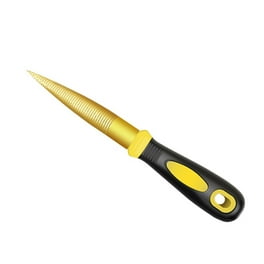
Credit: www.walmart.com
Credit: commonwoodworking.com
Frequently Asked Questions
How Often Should I Sharpen My Wood Rasp?
Sharpen your wood rasp when it feels dull or clogs easily. Regular sharpening maintains cutting efficiency and extends tool life.
What Tools Do I Need For Wood Rasp Sharpening?
You need a fine diamond file or sharpening stone. These tools help restore the rasp’s teeth without damaging them.
Can I Sharpen All Types Of Wood Rasps?
Most steel wood rasps can be sharpened. However, rasps with hardened or carbide teeth may not be suitable for sharpening.
How Do I Properly Sharpen A Wood Rasp?
Use a fine file to gently stroke each tooth. Maintain the original tooth angle and avoid over-filing to preserve sharpness.
Conclusion
Sharpening a wood rasp can extend its lifespan. It’s easier than it seems. Remember, regular maintenance ensures optimal performance. Clean and sharpen your rasp often. Use proper tools for the best results. Patience is key during sharpening. Protect your rasp by storing it properly.
Always handle with care. A well-maintained rasp cuts smoothly. Save time and effort with a sharp tool. Keep practicing, and you’ll get better. A sharp rasp makes woodworking enjoyable. Happy crafting!
