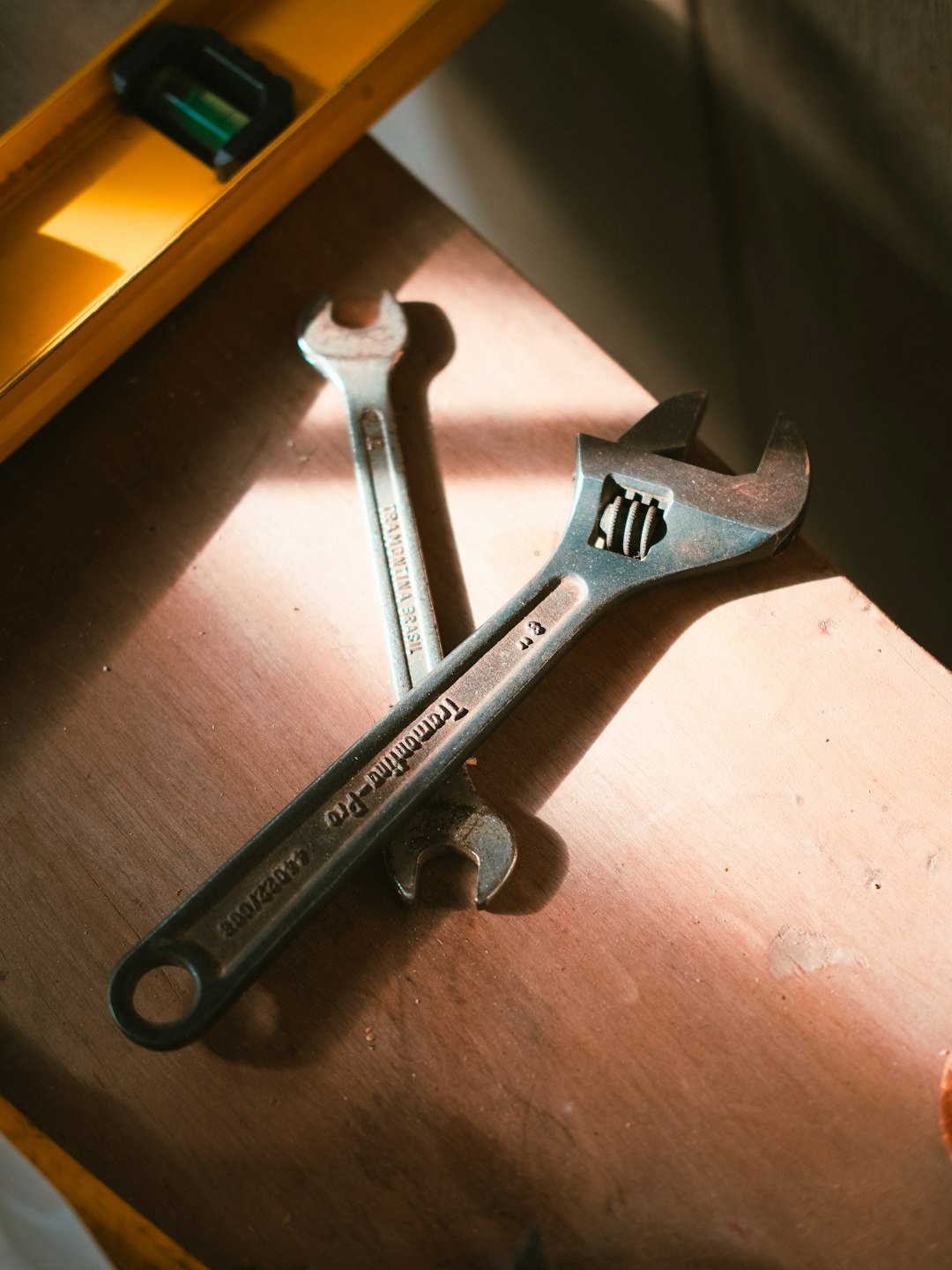
Are you tired of struggling with stubborn nuts and bolts that just won’t budge? An adjustable wrench can be your best friend—but only if you know how to use it right.
You’ll discover simple tips that make your wrench work smarter, not harder. Whether you’re a beginner or just need a few handy tricks, these easy steps will save you time, protect your tools, and get the job done faster. Keep reading, and you’ll never look at your adjustable wrench the same way again!
Choosing The Right Adjustable Wrench
An adjustable wrench is a useful tool for many jobs. Picking the right one helps you work better and safer.
Think about the type, size, and material before buying an adjustable wrench. These factors affect how well it works.
Types Of Adjustable Wrenches
There are several types of adjustable wrenches. Each type fits different tasks and tools.
- Standard adjustable wrench: has a smooth jaw for different nuts and bolts.
- Pipe wrench: has serrated jaws for gripping pipes tightly.
- End adjustable wrench: fits in tight spaces with a slim design.
- Monkey wrench: heavier and strong, used for large fasteners.
Choose the type that matches the job you do most often.
Size Matters
Adjustable wrenches come in many sizes. The right size helps you reach and turn fasteners easily.
Small wrenches work well in tight spaces. Large wrenches give more grip and power.
- 4 to 6 inches: good for small nuts and light jobs.
- 8 to 10 inches: most common size for general use.
- 12 inches or more: best for heavy-duty work and large bolts.
Material And Build Quality
Wrenches made of strong metal last longer and work better. Look for high-quality steel or alloy.
Good build quality means smooth adjustment and tight jaws. This reduces slipping and damage.
- Chrome-plated steel resists rust and corrosion.
- Forged steel adds strength and durability.
- Check for a comfortable handle with a good grip.
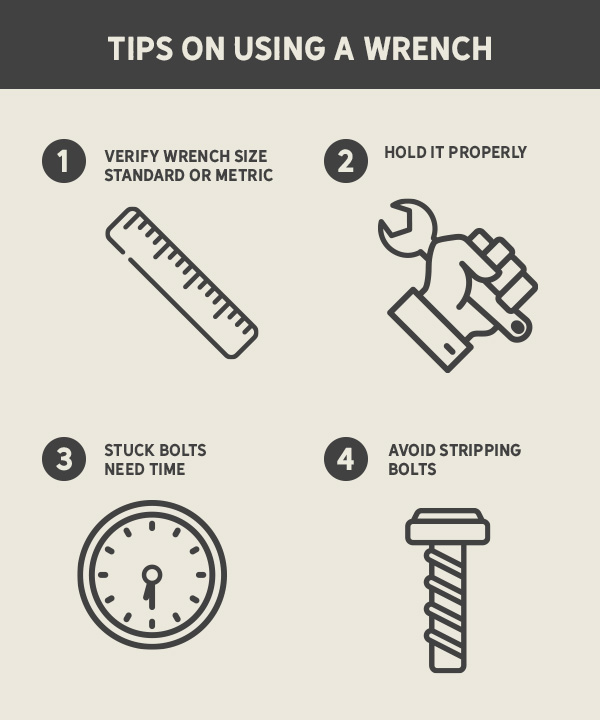
Credit: www.mccoys.com
Proper Grip And Handling
Using an adjustable wrench correctly helps you work safely and efficiently. Holding the wrench right gives you more control.
Learn how to grip and handle the wrench to avoid slips and damage to fasteners or tools.
Adjusting The Jaw Correctly
Turn the worm gear to open or close the wrench jaw. Fit it snugly around the fastener.
A tight fit prevents slipping and protects the fastener from rounding off. Avoid a loose jaw fit.
- Open the jaw wide enough to fit the fastener
- Close the jaw until it grips the fastener sides firmly
- Check the fit before applying force
Securing The Wrench On Fasteners
Place the wrench jaw so it contacts the flat sides of the fastener. Avoid gripping corners.
Hold the wrench handle close to the jaw for better control. Pull the wrench toward you for more power.
- Fit the jaw squarely on the fastener sides
- Hold the wrench handle firmly with your dominant hand
- Pull the handle toward your body to turn the fastener
Avoiding Slips And Damage
Do not use the wrench on damaged fasteners. Check for wear before use.
Keep your hands dry and clean. Use steady pressure to avoid slips and injuries.
- Inspect fasteners for damage before gripping
- Keep wrench and hands free of oil or grease
- Apply slow, steady force rather than quick jerks
- Do not use the wrench as a hammer or pry bar
Techniques For Effective Use
Using an adjustable wrench correctly helps you finish tasks faster. It protects your tools and workpieces from damage.
Learn simple ways to apply force, work in small spaces, and keep control while using the wrench.
Applying The Right Amount Of Force
Use just enough force to turn the bolt or nut. Too little force will not loosen it, and too much can damage parts.
- Adjust the wrench to fit snugly around the fastener.
- Pull the wrench handle steadily, not with sudden jerks.
- Stop if the fastener does not move easily to avoid stripping.
- Use a longer handle for more leverage, if needed.
Using The Wrench In Tight Spaces
Tight spaces make it hard to turn the wrench fully. Use small, careful movements to avoid slipping.
| Tip | How to Do It |
| Choose the right size | Fit the wrench tightly to the fastener |
| Turn in short arcs | Move the handle in small angles to avoid hitting nearby objects |
| Position your body well | Work from an angle that gives clear access |
| Use extensions | Attach a handle extender for more reach if needed |
Maintaining Control During Use
Keep a firm grip on the wrench to prevent slipping. Control helps protect your hands and the tool.
Control Tips:
- Wear gloves for better grip and safety.
- Hold the wrench handle near its end for more leverage.
- Keep your wrist straight to avoid strain.
- Check the wrench adjustment before each use.
Maintenance And Care
Keeping your adjustable wrench in good shape helps it last longer. Regular care stops rust and wear.
Simple steps like cleaning, lubricating, and storing the tool right keep it ready for work.
Cleaning After Use
Always clean your wrench after using it. Dirt and grease can build up on the tool.
Use a cloth to wipe off any dirt. For stuck grime, use a small brush with soap and water.
- Wipe the tool dry to prevent rust
- Remove any debris from the jaws and adjustment area
- Do not soak the wrench in water
Lubricating Moving Parts
Lubricate the moving parts to keep the wrench working smoothly. This stops parts from sticking.
Apply a few drops of light machine oil to the adjustment screw and sliding jaw. Move the jaw to spread the oil.
- Use oil made for tools or light machine oil
- Wipe off extra oil to avoid dirt buildup
- Lubricate regularly, especially after cleaning
Storing Properly
Store your adjustable wrench in a dry place to stop rust. Avoid damp or wet areas.
Keep the wrench in a toolbox or hang it on a pegboard. This protects it from damage and loss.
- Close the jaws slightly before storing
- Keep away from corrosive chemicals
- Check storage spots regularly for moisture
Common Mistakes To Avoid
Using an adjustable wrench correctly helps you finish jobs safely and quickly. Avoiding common mistakes protects your tools and fasteners from damage.
Learn about three common errors that can cause problems when working with an adjustable wrench.
Over-tightening Fasteners
Applying too much force with an adjustable wrench can strip or break fasteners. This weakens the connection and may cause leaks or failures.
- Check the recommended torque for the fastener.
- Turn the wrench slowly to feel the tightness increase.
- Stop turning once you feel strong resistance.
- Use a torque wrench if exact tightness is needed.
Using Wrench As A Hammer
Using your adjustable wrench as a hammer causes damage to the tool and risks injury. The wrench is not designed to absorb impact.
Instead of using the wrench as a hammer:
- Use a proper hammer for striking tasks.
- Keep the wrench only for turning bolts and nuts.
- Replace your wrench if it shows signs of impact damage.
Ignoring Wrench Wear And Tear
Old or worn adjustable wrenches may slip or fail during use. This can damage fasteners or cause injuries.
| Sign of Wear | What to Do |
| Loose jaw | Tighten or replace the wrench |
| Rounded edges | Replace the tool |
| Rust or corrosion | Clean or replace the wrench |
| Cracks or chips | Do not use; get a new wrench |

Credit: www.youtube.com
Safety Tips When Using An Adjustable Wrench
An adjustable wrench is useful for many tasks. Using it safely helps prevent injuries. Follow safety tips to work with care.
This guide covers important safety steps. These steps keep you and others safe during work.
Wearing Protective Gear
Wear protective gear to guard your hands and eyes. This gear lowers the risk of injury from slips or flying debris.
Use gloves that fit well and safety glasses that protect your eyes fully. Avoid loose clothing that can catch on tools.
- Wear sturdy work gloves
- Use safety goggles or glasses
- Avoid loose or dangling clothing
- Wear closed-toe shoes for foot protection
Inspecting Tools Before Use
Check the adjustable wrench before use. Look for cracks, rust, or worn parts. A damaged wrench can slip or break.
Make sure the wrench jaws open and close smoothly. Tighten the adjustment screw to hold firmly on the workpiece.
- Inspect wrench jaws for damage or wear
- Test the adjustment screw for smooth movement
- Clean the wrench to remove dirt and oil
- Replace the tool if it shows serious damage
Working In Safe Environments
Choose a clean, dry workspace to avoid slips and falls. Good lighting helps you see clearly what you are doing.
Keep your work area organized. Remove any hazards that can cause accidents during wrench use.
- Work on stable surfaces
- Ensure enough light for clear visibility
- Keep floors dry and free from clutter
- Store tools safely when not in use

Credit: www.youtube.com
Frequently Asked Questions
How Do I Adjust An Adjustable Wrench Correctly?
To adjust an adjustable wrench, turn the thumbwheel until the jaws fit snugly around the fastener. Ensure a firm grip to avoid slipping and damage. Proper adjustment increases efficiency and safety during use.
What Materials Are Adjustable Wrenches Made From?
Adjustable wrenches are typically made from high-quality steel or alloy steel. These materials ensure durability, strength, and resistance to rust. Some models have chrome plating for added corrosion resistance and a polished finish.
Can An Adjustable Wrench Damage Bolts Or Nuts?
Yes, an improperly sized or poorly fitted adjustable wrench can damage bolts or nuts. Always ensure the wrench jaws fit tightly to avoid rounding edges. Use the correct size tool for the best results and to protect hardware.
What Size Adjustable Wrench Should I Use?
Choose an adjustable wrench size based on the fastener you need to turn. Common sizes range from 6 to 12 inches. Larger wrenches provide more leverage but may not fit tight spaces, so select accordingly.
Conclusion
Using an adjustable wrench can make many tasks easier. Always choose the right size for a secure fit. Tighten the jaw firmly before turning. Avoid using excessive force to protect the tool and fastener. Keep the wrench clean and store it safely.
Small steps like these help you work safely and efficiently. Practice often to build confidence and skill. Simple tips make a big difference in your results. Keep these points in mind for better use every time.