
If you own a jigsaw, you know how handy it can be for cutting curves and shapes with ease. But like any tool, your jigsaw needs care to keep it working smoothly and safely.
Neglecting maintenance can lead to poor cuts, frustrating jams, or even costly repairs. Imagine finishing your project faster and with cleaner results just by spending a few minutes on simple upkeep. You’ll discover easy steps to maintain your jigsaw, boost its performance, and extend its life.
Keep reading, and your next project will feel easier than ever.
Choosing The Right Jigsaw
Selecting the right jigsaw is important for your woodworking projects. The right tool helps you cut shapes and curves easily.
There are many types of jigsaws, each with features for different tasks. Knowing what to look for saves time and effort.
Types Of Jigsaws
Jigsaws come in corded and cordless models. Corded jigsaws offer constant power. Cordless jigsaws give more freedom of movement.
There are also different sizes and power levels. Smaller jigsaws suit light work. Larger ones handle tough materials better.
- Corded jigsaw: plugged into power, steady energy
- Cordless jigsaw: battery powered, portable
- Compact jigsaw: light, good for small jobs
- Heavy-duty jigsaw: powerful, for thick materials
Features To Look For
Look for features that make cutting easier and safer. A good jigsaw should have adjustable speed and a comfortable grip.
Other useful features include dust blowers to keep the cut clear and orbital action for faster cuts. Check if the jigsaw has a sturdy base plate.
- Variable speed control for different materials
- Comfortable handle for better grip
- Dust blower to clear the cutting line
- Orbital action for faster, rough cuts
- Strong base plate for stability
Blade Compatibility
Choose a jigsaw that works with many blade types. This helps you cut wood, metal, or plastic with the same tool.
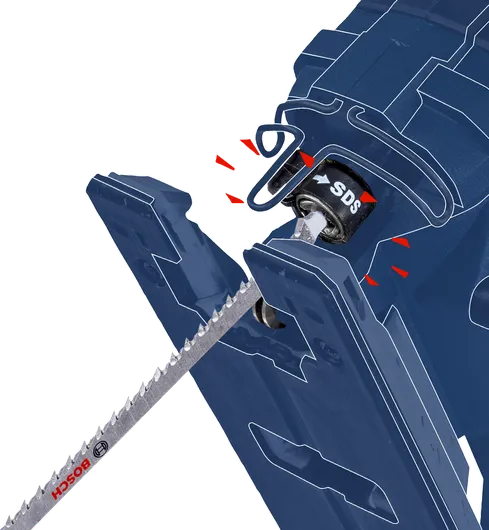
Check the blade attachment system. Some jigsaws use tool-free blade changes, which save time. Make sure blades are easy to find and replace.
- Accepts standard T-shank blades
- Tool-free blade change system
- Wide range of blade options available
- Blades for wood, metal, and plastic
Regular Cleaning Practices
Keeping your jigsaw clean helps it work well for a long time. Dirt and dust can cause problems if you do not clean often.
Regular cleaning stops parts from wearing out fast. It also makes your jigsaw safer to use every time.
Removing Dust And Debris
Dust and small bits of wood can get inside the jigsaw. This dirt can slow down the motor and cause damage.
Use a small brush or compressed air to clean the tool after each use. Pay close attention to vents and crevices.
- Turn off and unplug the jigsaw before cleaning
- Brush away dust from the body and vents
- Blow compressed air into hard-to-reach areas
- Wipe the outside with a dry cloth
Cleaning The Blade Clamp
The blade clamp holds the blade tightly in place. Dust or wood chips can make it hard to change blades.
Remove the blade and clean the clamp with a brush. Check for rust or damage and clean with a cloth if needed.
- Unplug the jigsaw and remove the blade
- Use a small brush to clean the clamp area
- Wipe with a dry cloth to remove leftover dirt
- Check for rust and clean with a rust remover if needed
Lubricating Moving Parts
Lubrication helps the jigsaw move smoothly. It stops parts from wearing out quickly and reduces noise.
Apply a small amount of oil or grease on the moving parts like the blade holder and guide roller. Wipe off extra oil.
- Use machine oil or recommended lubricant
- Apply oil to the blade holder and guide roller
- Move parts to spread the lubricant evenly
- Wipe off any excess oil to avoid dirt build-up
Blade Care And Replacement
Keeping your jigsaw blade in good shape is important for clean cuts and safety. Proper care helps the blade last longer.
Replacing blades at the right time keeps your jigsaw working well and prevents damage to your project materials.
When To Replace Blades
Look for signs that your blade needs replacement. A dull blade cuts slower and may burn the wood. Bent or broken teeth reduce cutting accuracy.
- Blade teeth are worn down or missing
- Cutting speed drops noticeably
- Blade bends or warps during use
- Cut edges become rough or splintered
- Excessive vibration or noise while cutting
Selecting The Right Blade
Choose a blade that matches your material and cutting needs. The blade’s tooth count affects the cut smoothness and speed.
| Material | Recommended Tooth Count (TPI) | Blade Type |
| Wood | 6-10 | High-Speed Steel (HSS) |
| Metal | 18-24 | Bimetal or Tungsten Carbide |
| Plastic | 10-14 | Fine-Tooth HSS |
| Laminate | 12-14 | Reverse-Tooth Blade |
Proper Blade Installation
Installing the blade correctly ensures safety and good cutting performance. Follow these simple steps to fit your blade properly.
- Turn off and unplug the jigsaw before changing the blade.
- Open the blade clamp or release lever as per your tool’s design.
- Insert the blade with teeth facing forward and downward.
- Make sure the blade is seated firmly and straight in the holder.
- Lock the clamp securely to hold the blade in place.
- Test the blade by moving it by hand to check stability.
Proper Usage Techniques
Maintaining your jigsaw helps it work better and last longer. Using the tool correctly is very important.
Follow simple rules to keep your jigsaw safe and efficient. This guide explains how to use it well.
Correct Cutting Speeds
Cutting at the right speed prevents damage to the jigsaw and the material. Too fast or too slow can cause problems.
Match the speed to the type and thickness of the material you cut. Soft materials need faster speeds, hard ones need slower speeds.
- Use slower speeds for metal and hard wood
- Use medium speeds for plywood and plastic
- Use faster speeds for soft wood and foam
- Check the jigsaw manual for speed settings
Avoiding Overheating
Overheating can wear out the jigsaw motor and blade quickly. Keep the tool cool by working carefully.
Take breaks during long cuts. Let the jigsaw rest and cool down before continuing.
- Do not force the blade through the material
- Keep blades sharp to reduce effort
- Use the right blade for the material
- Pause regularly to cool the tool
Safe Handling Tips
Handle your jigsaw safely to avoid accidents and damage. Always keep control and follow safety rules.
Wear safety gear and keep your hands away from the blade. Use clamps to hold your work steady.
- Wear safety glasses and gloves
- Keep fingers clear of the blade
- Secure materials with clamps
- Use both hands to hold the jigsaw
- Turn off and unplug before changing blades
Storage And Protection
Keeping your jigsaw in good shape needs proper storage and protection. This helps the tool last longer and work well every time.
Storing the jigsaw correctly avoids damage and keeps it ready for use. Let’s look at the best ways to store and protect your jigsaw.
Ideal Storage Conditions
Store your jigsaw in a dry, cool place away from direct sunlight. Avoid areas with extreme heat or cold as they can harm the tool parts.
- Keep the jigsaw off the floor to prevent dust buildup.
- Store in a stable place to avoid falls or knocks.
- Ensure good ventilation to stop moisture from building up.
- Place it where it is easy to reach but safe from children.
Protecting From Moisture
Moisture can cause rust and damage your jigsaw’s motor. Protect it by keeping it dry and checking for damp spots regularly.
| Risk | Protection Tip |
| Rust on metal parts | Dry the tool after use and store in a moisture-free area |
| Electrical damage | Keep the jigsaw unplugged and away from water sources |
| Mold growth | Use silica gel packs in the storage box to absorb humidity |
Using Protective Cases
A protective case shields your jigsaw from dust, shocks, and moisture. Use a case designed for your model to ensure a good fit.
Benefits of using a protective case:
- Keeps the jigsaw clean and safe.
- Prevents accidental drops and scratches.
- Makes transport easier and safer.
- Helps organize the jigsaw and its accessories.

Credit: www.robotimeonline.com
Troubleshooting Common Issues
Keeping your jigsaw in good working order means fixing small problems quickly. This guide covers common issues and how to solve them.
Understanding these fixes helps you avoid downtime and keeps your cuts clean and safe.
Fixing Blade Jamming
Blade jamming stops the jigsaw from cutting smoothly. It usually happens when the blade hits hard material or debris.
- Turn off the jigsaw and unplug it before checking the blade.
- Remove any dirt or sawdust stuck near the blade.
- Check if the blade is dull or bent; replace it if needed.
- Make sure the blade is installed correctly and tightened.
- Use the right blade type for your material.
Addressing Power Problems
Power issues can cause the jigsaw to stop or run weakly. These problems may come from the cord, plug, or internal parts.
| Problem | Possible Cause | Solution |
| Jigsaw won’t start | Loose power cord | Check and secure the cord connection |
| Jigsaw stops during use | Overheating motor | Let the tool cool down before restarting |
| Intermittent power | Damaged switch or cord | Inspect and replace damaged parts |
Handling Unusual Vibrations
Vibrations make cutting harder and can damage the jigsaw. They often come from loose parts or a worn blade.
- Turn off and unplug the jigsaw before inspecting it.
- Check if the blade is bent or loose; tighten or replace it.
- Examine the shoe plate and screws for looseness.
- Clean dust and debris from moving parts.
- Use blades made for your jigsaw’s speed and material.
When To Seek Professional Service
A jigsaw is a handy tool for cutting shapes and curves in wood or other materials. Keeping it in good shape is important for safety and performance. Sometimes, small fixes are easy to do yourself. Other times, you need a professional to help.
Knowing when to get expert service can save your jigsaw from more damage. It also keeps your work safe and accurate. Below are signs and tips to decide when to call a repair service.
Signs Of Major Wear
Some problems mean your jigsaw needs professional care. Watch for these signs:
- The blade does not move smoothly or stops often.
- Strange noises come from the motor or gears.
- The jigsaw overheats quickly during use.
- Visible damage to the power cord or switch.
- The tool vibrates more than usual while running.
Maintenance Vs. Repair
Regular maintenance keeps your jigsaw working well. Cleaning and oiling parts are simple tasks you can do at home. Repairs fix broken or worn parts. Knowing the difference helps you choose the right action.
| Task | When to Do | Who Should Do It |
|---|---|---|
| Cleaning dust and debris | After each use | Owner |
| Lubricating moving parts | Monthly or as needed | Owner |
| Replacing worn blades | When dull or damaged | Owner or Professional |
| Fixing motor problems | Signs of failure | Professional |
| Repairing electrical faults | When safety is at risk | Professional |
Choosing A Repair Service
Pick a repair service that is reliable and experienced. Check if they specialize in power tools like jigsaws. You want a service that uses original parts and offers a warranty.
- Look for certified technicians.
- Read reviews from other customers.
- Ask about repair costs and time.
- Confirm if they provide a warranty.
- Check if they offer pickup or drop-off options.
Credit: onevantool.com
Credit: www.bosch-pt.com.au
Frequently Asked Questions
How Often Should I Clean My Jigsaw?
Clean your jigsaw after every use to remove dust and debris. Regular cleaning prevents clogging and ensures smooth operation. Use a brush or compressed air for thorough cleaning. This simple maintenance extends the tool’s lifespan and improves cutting accuracy.
What Lubricant Is Best For Jigsaw Maintenance?
Use lightweight machine oil or spray lubricant on moving parts. Avoid heavy oils that attract dust and dirt. Lubricate the blade clamp, gears, and bearings regularly. Proper lubrication reduces wear, noise, and improves cutting performance.
How Do I Sharpen Jigsaw Blades Effectively?
Sharpen jigsaw blades using a fine file or sharpening stone. Hold the blade steady and file each tooth carefully. Regular sharpening keeps cuts precise and reduces motor strain. Replace blades if they become too worn or damaged.
Why Is Blade Alignment Important For Jigsaw Performance?
Proper blade alignment prevents uneven cuts and blade bending. Misaligned blades cause rough edges and damage the material. Check alignment before each use and adjust if necessary. Correct alignment improves cutting precision and tool safety.
Conclusion
Maintaining your jigsaw keeps it working well for a long time. Clean the blade and check for damage often. Oil moving parts to stop rust and wear. Store the tool in a dry, safe place. Regular care helps you cut smoothly and safely.
Small steps make a big difference in tool life. Take time to care for your jigsaw. It will save money and effort later. Simple habits keep your work easy and precise. Keep your jigsaw ready for every project ahead.
