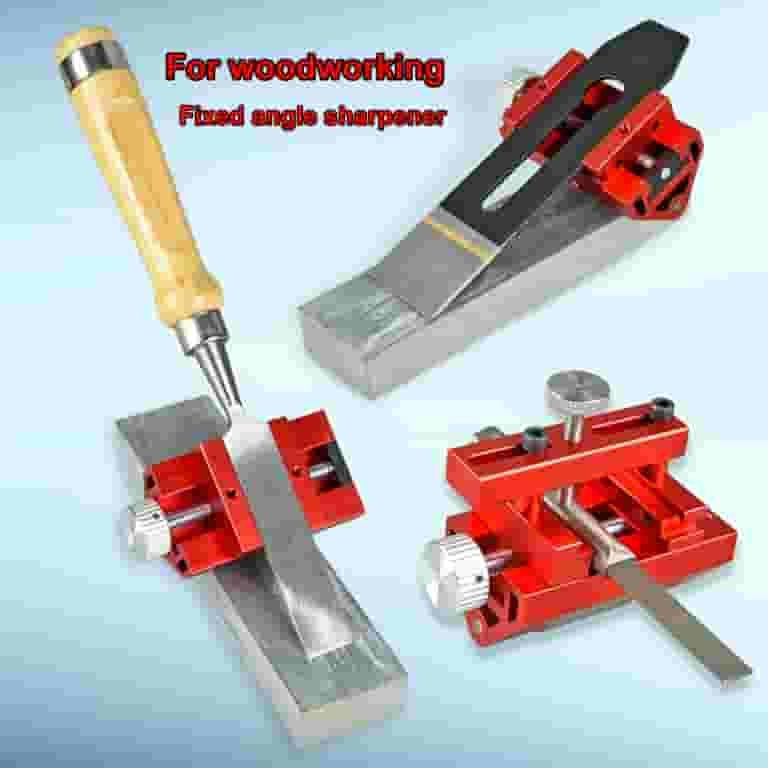
Are your chisels and planes not cutting as smoothly as they used to? Dull tools can make your woodworking frustrating and slow.
But what if you could bring them back to life quickly and easily? Sharpening your chisels and planes is the secret to working smarter, not harder. In this guide, you’ll discover simple, step-by-step methods to sharpen your tools like a pro.
Keep reading, and you’ll soon enjoy cleaner cuts, better control, and projects that look polished and professional every time.
Choosing The Right Sharpening Tools
Sharpening chisels and planes keeps them working well. Picking the right tools makes sharpening easier and better.
Different tools suit different skill levels and needs. Learn about stones, guides, and sharpening types to choose well.
Types Of Sharpening Stones
Sharpening stones come in many kinds. They smooth and sharpen the tool edges.
Common stones include oil stones, water stones, and diamond stones. Each has benefits and uses.
- Oil Stones:Use oil to lubricate. Durable and slow-cutting.
- Water Stones:Use water to lubricate. Cut fast and give a fine finish.
- Diamond Stones:Have diamond grit. Very hard and last long.
Using Honing Guides And Jigs
Honing guides and jigs hold your tools steady. They keep the sharpening angle correct.
These devices help beginners get a straight, even edge. They also speed up the sharpening process.
- Honing guides clamp the blade tightly.
- Jigs offer adjustable angles for different tools.
- Both improve accuracy and consistency.
Power Vs. Manual Sharpening
Power sharpeners use motors to grind edges quickly. Manual sharpening needs your hands and stones.
Power tools save time but can remove too much metal fast. Manual sharpening gives more control and detail.
- Power Sharpeners:Fast, good for rough sharpening.
- Manual Sharpening:Slower, better for fine tuning.
- Choose based on your skill and tool condition.

Credit: woodworkersinstitute.com
Preparing Your Chisels And Planes
Before sharpening your chisels and planes, you must prepare them properly. This makes sharpening easier and safer.
Proper preparation helps you get a clean, sharp edge quickly. It also protects your tools from damage.
Cleaning And Inspecting The Blades
Start by cleaning the blades with a soft cloth to remove dirt and dust. Check for any damage like chips or cracks.
Look closely at the blade edge to see if it needs sharpening or repair. Make sure the blade is flat and not bent.
- Wipe blades with a cloth or paper towel
- Use a mild cleaner if blades are greasy
- Check edges for chips, cracks, or bends
- Inspect the blade body for rust or damage
Removing Old Burrs And Rust
Old burrs on the blade edge can stop your tool from cutting well. Remove them gently with a fine sharpening stone or sandpaper.
Rust weakens the blade and makes sharpening hard. Use steel wool or a rust remover to clean the blade surface carefully.
- Use a fine stone or sandpaper to remove burrs
- Apply rust remover if blades have rust spots
- Rub with steel wool to clean stubborn rust
- Dry blades fully before sharpening
Sharpening Techniques For Chisels
Sharpening chisels makes woodworking easier and safer. A sharp chisel cuts cleanly and needs less force.
Learning the right techniques keeps your tools ready and extends their life. Follow these key steps for good results.
Establishing The Bevel Angle
The bevel angle affects how the chisel cuts and how long it stays sharp. Most chisels have a bevel angle between 25 and 30 degrees.
- Check the manufacturer’s recommended bevel angle for your chisel.
- Use a bevel gauge to measure and mark the angle on the blade.
- Keep the angle consistent during sharpening for best results.
- A lower angle gives a sharper edge but dulls faster.
- A higher angle lasts longer but may cut less smoothly.
Grinding And Honing Steps
Start with grinding to reshape the edge, then hone to refine it. Use coarse stones or belts for grinding and finer stones for honing.
- Secure the chisel blade firmly in a clamp or jig.
- Use a coarse grinding stone or belt to form the bevel angle.
- Move the blade evenly across the stone to avoid uneven edges.
- Switch to a medium grit stone to remove scratches from grinding.
- Finish with a fine grit stone to smooth the surface.
Creating A Polished Edge
A polished edge cuts cleaner and lasts longer. Stropping helps remove any last burrs and shines the blade.
| Polishing Step | Purpose |
| Use a leather strop | Remove burrs and polish the edge |
| Apply polishing compound | Enhance shine and smoothness |
| Pull blade away from edge | Protect the sharp edge during stropping |
| Repeat 20 to 30 times | Ensure thorough polishing |

Credit: www.amazon.com
Sharpening Techniques For Planes
Sharp plane blades make woodworking easier and cleaner. Keeping blades sharp improves your work and tool life.
Sharpening involves setting the right angle, flattening the back, and honing the edge carefully. Each step matters.
Setting The Correct Blade Angle
Choose the right blade angle based on your project. Most planes work well with a 25 to 30-degree bevel angle.
- Remove the blade from the plane carefully.
- Use a honing guide to keep a steady angle.
- Sharpen the bevel side first.
- Check the angle often with a protractor or angle guide.
Flattening The Back
The back of the blade must be flat for a sharp edge. Flattening removes small bumps and scratches.
| Tool | Purpose |
|---|---|
| Flat stone | Remove high spots on blade back |
| Sandpaper on glass | Fine flattening and polishing |
| Water or oil | Lubricate surface to reduce friction |
Rub the blade back on the flat stone or sandpaper in a circular motion. Keep the surface wet to avoid heat damage.
Honing For A Razor Sharp Edge
Honing refines the edge after sharpening and flattening. It creates a smooth, razor-sharp finish.
- Start with a medium grit honing stone.
- Use a light touch and consistent angle.
- Move the blade forward and back evenly.
- Switch to a fine grit stone or leather strop.
- Polish the edge until it feels sharp and smooth.
Maintaining Sharp Edges
Keeping chisels and planes sharp is key for smooth woodworking. Sharp edges make cutting easier and safer.
Regular care extends the life of your tools and improves your work quality.
Regular Honing Practices
Honing keeps the cutting edge smooth and sharp between major sharpenings. Use a fine honing stone or leather strop.
- Clean the blade before honing to remove dirt and resin.
- Hold the blade at the correct angle, usually 25 to 30 degrees.
- Use light, even strokes along the stone or strop.
- Hone both sides evenly to maintain a balanced edge.
- Finish by stropping to polish the edge and remove burrs.
Storage Tips To Preserve Sharpness
Proper storage stops blades from dulling or getting damaged. Keep tools dry and protected.
| Storage Method | Benefit |
|---|---|
| Blade guards or covers | Protects edges from knocks and moisture |
| Separate compartments | Prevents blades from rubbing against each other |
| Dry storage area | Stops rust and corrosion |
| Light oil coating | Prevents oxidation on metal surfaces |
When To Resharpen
Knowing when to resharpen avoids damage and keeps tools effective. Watch for these signs:
- Blade slips or skids instead of cutting cleanly.
- Wood surface shows tear-out or rough cuts.
- More force is needed to push the tool.
- Visual nicks or chips on the blade edge.

Credit: woodworkersinstitute.com
Troubleshooting Common Issues
Sharpening chisels and planes can be tricky. Small problems often affect the tool’s performance.
Fixing these issues helps keep your tools sharp and safe to use. Here are common problems and how to fix them.
Fixing Chipped Or Damaged Edges
Chipped edges make cutting uneven and rough. You must remove the damaged part to restore a sharp edge.
Use a coarse sharpening stone or a grinder. Gently grind the edge until the chips disappear and the edge is straight.
- Start with a coarse grit stone or wheel
- Keep the blade angle steady
- Check the edge often for chips
- Finish with finer stones for smoothness
Dealing With Uneven Sharpening
Uneven sharpening causes rough cuts and poor tool control. It happens if you apply uneven pressure or angle.
Use a flat stone and keep a consistent angle. Move the blade evenly across the stone. Check both sides of the edge.
- Hold the tool at the correct angle
- Apply equal pressure on both sides
- Use a sharpening guide if needed
- Check the edge for evenness often
Avoiding Overheating During Sharpening
Overheating can ruin the blade’s temper. It happens when you sharpen too fast or press too hard.
Sharpen slowly and use light pressure. Cool the blade often by dipping it in water or letting it rest.
- Sharpen at a steady, slow pace
- Use light pressure on the blade
- Pause to cool the blade regularly
- Watch for color changes on the metal
Frequently Asked Questions
How Often Should Chisels And Planes Be Sharpened?
Chisels and planes need sharpening when their edges dull. This varies by use, but typically every few hours of work. Regular sharpening ensures clean cuts and safer handling. Check edges frequently to maintain optimal performance and extend tool life.
What Tools Are Best For Sharpening Chisels?
Whetstones or sharpening stones are ideal for chisels. Use a coarse stone first, then a finer one for polishing. Honing guides help maintain the correct angle. Avoid electric sharpeners as they may damage the edge. Always finish with a leather strop for a razor-sharp blade.
How To Maintain The Correct Bevel Angle When Sharpening?
Use a honing guide to keep a consistent bevel angle. Most chisels require a 25 to 30-degree angle. Mark the bevel with a pencil to track progress. Maintaining the angle prevents uneven edges and improves cutting efficiency. Practice steady, even strokes during sharpening.
Can I Sharpen Plane Blades The Same Way As Chisels?
Yes, plane blades sharpen similarly to chisels. Remove the blade and flatten the back first. Then sharpen the bevel on a stone, keeping the correct angle. Finish by honing for a smooth, sharp edge. Proper sharpening ensures better planing results and longer blade life.
Conclusion
Sharpening chisels and planes keeps your tools working well. It takes practice but becomes easier over time. Use the right angle and keep the blade clean. Regular sharpening saves effort and improves your cuts. Remember, sharp tools make woodworking safer and more fun.
Try these steps often to see better results. Your projects will look neater and finish faster. Keep your tools sharp, and enjoy every woodworking task. Simple care makes a big difference.
