Are you tired of your wood projects warping, twisting, or cracking over time? You’re not alone.
Wood movement is a common challenge that can ruin even the most carefully crafted pieces. But what if there was a simple, effective way to keep your wood stable and strong? Using clamps correctly might be the secret you’ve been missing.
You’ll discover how clamps can help prevent wood movement and keep your projects looking perfect for years to come. Keep reading to learn the tips and tricks that will transform the way you work with wood.

Credit: 100things2do.ca
Why Wood Moves
Wood is a natural material that changes size and shape. These changes happen because wood reacts to its environment. Understanding why wood moves helps in using clamps to keep wood steady.
Wood movement can cause problems in furniture and building projects. Knowing the causes helps prevent damage and keeps wood strong.
Moisture And Wood Expansion
Wood absorbs and releases moisture from the air. When wood gains moisture, it expands. When it loses moisture, it shrinks. This change can cause wood to warp or crack.
- High humidity makes wood swell
- Low humidity causes wood to dry and shrink
- Wood tries to balance moisture with the air
Seasonal Changes Impact
Seasons affect air moisture levels. Wood changes size more in spring and fall. Summer and winter usually bring less change. These cycles make wood move regularly.
| Season | Humidity Level | Wood Movement |
| Spring | High | Expansion |
| Summer | Moderate | Stable |
| Fall | High | Expansion |
| Winter | Low | Shrinkage |
Wood Grain Direction Effects
Wood moves differently based on its grain direction. It expands and shrinks most across the grain. Movement along the grain is much smaller. This difference is key to using clamps well.
| Grain Direction | Amount of Movement |
|---|---|
| Across the grain | High |
| Along the grain | Low |
| Radial (from center out) | Medium |
Types Of Clamps For Woodworking
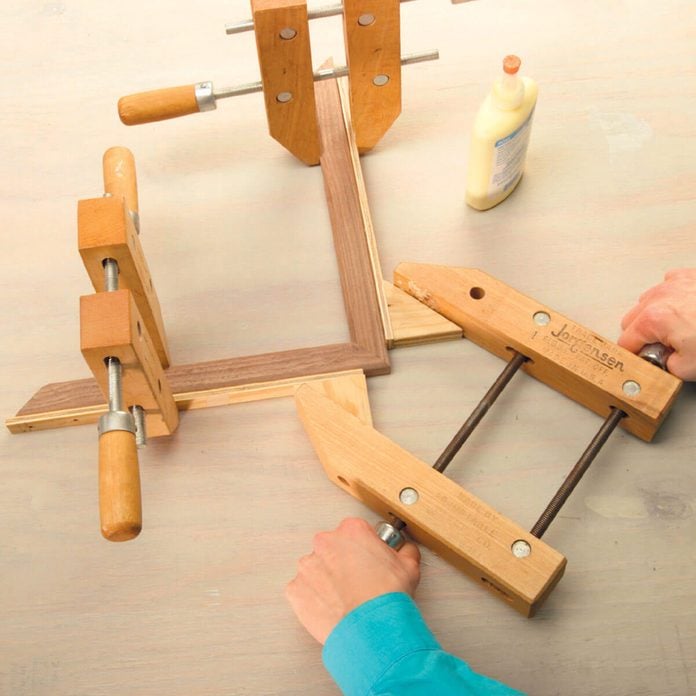
Clamps hold wood pieces firmly to stop movement during work. Using the right clamp helps keep joints tight and wood straight. Different clamps fit different needs in woodworking projects.
Below are common clamps used to prevent wood movement. Each type has unique features and uses.
Bar Clamps
Bar clamps have a long metal bar with adjustable arms. You slide one arm to fit the wood size and tighten it in place. They provide strong, even pressure for gluing and assembly.
Pipe Clamps
Pipe clamps use a metal pipe as the bar. You can change the pipe length to clamp large or small pieces. They are strong and good for wide panels or frames.
- Adjustable length by changing the pipe
- Strong clamping force
- Good for wide boards and panels
- Easy to store and transport
C-clamps
C-clamps have a fixed frame shaped like the letter C. You turn a screw to tighten the clamp on the wood. They are useful for holding small pieces or when you need strong pressure in a tight spot.
Spring Clamps
Spring clamps work like clothespins. They have strong springs that hold wood quickly. These clamps are light and easy to use for small tasks or temporary holds.
| Clamp Type | Best Use | Key Feature |
| Bar Clamps | Gluing, Assembly | Long metal bar, adjustable arm |
| Pipe Clamps | Large panels, frames | Changeable pipe length |
| C-Clamps | Small pieces, tight spots | Fixed C-shape, screw tightener |
| Spring Clamps | Quick, light holding | Strong spring, easy grip |
Clamping Techniques To Minimize Movement
Wood moves as it dries and changes with humidity. Using clamps properly helps control this movement. Clamping keeps the wood tight and stable during gluing and drying.
Different clamping methods reduce gaps and warping. These methods focus on even pressure and support across the wood.
Applying Even Pressure
Clamps must apply steady and even pressure to the wood. Uneven pressure can cause dents or gaps. Use enough clamps to spread the force along the joint.
- Place clamps at regular intervals along the joint.
- Tighten clamps slowly and evenly.
- Check pressure by hand to avoid over-tightening.
- Use pads or scrap wood to protect the surface.
Clamping Across The Grain
Wood expands and contracts mostly across the grain. Clamping across the grain stops boards from shifting sideways. This prevents gaps and keeps the joint tight.
| Clamping Direction | Effect on Wood |
| Along the Grain | Allows lengthwise movement, less control over width changes |
| Across the Grain | Restricts width movement, keeps boards aligned |
Using Cauls For Distribution
Cauls are straight pieces of wood used with clamps. They spread clamping pressure evenly over a wider area. This protects the wood from dents and helps hold boards flat.
- Use softwood cauls to avoid damaging the project.
- Wrap cauls with plastic or wax paper to prevent glue sticking.
- Apply clamps over the cauls, not directly on the wood.
- Check that cauls remain straight during clamping.

Credit: www.familyhandyman.com
Preparing Wood Before Clamping
Using clamps helps keep wood pieces together as glue dries. Preparing wood properly makes clamping more effective. This prevents wood movement later on.
Taking time to prepare wood reduces problems like warping and cracking. It ensures a strong, lasting bond between parts.
Acclimating Wood
Acclimating wood means letting it adjust to the room’s temperature and humidity. This helps wood reach a stable state before clamping.
Place the wood in the workspace for several days. This reduces the chance of wood shrinking or expanding after clamping.
Moisture Content Checks
Check the wood’s moisture content before clamping. Wood with too much moisture can move or warp as it dries.
Use a moisture meter to get accurate readings. Ideal moisture content depends on your local climate but usually ranges from 6% to 8% for indoor projects.
- Moisture too high: wood may shrink after clamping
- Moisture too low: wood might absorb moisture and swell
- Consistent moisture helps maintain wood stability
Surface Preparation
Clean and smooth surfaces allow clamps to hold wood tightly. Remove dust, dirt, and rough spots before clamping.
Sanding edges and faces helps glue bond better. Make sure surfaces fit well together to avoid gaps.
Common Mistakes When Using Clamps
Using clamps is essential to keep wood pieces steady. But mistakes with clamps can cause problems.
Knowing what not to do helps you avoid damage and get better results in woodworking.
Overtightening Damage
Clamping too tight can crush the wood fibers. This damage weakens the wood and leaves marks.
Overtightening can also squeeze out glue, making joints weaker. Use just enough pressure to hold pieces firmly.
- Check pressure often to avoid crushing wood
- Use clamps with padded jaws to protect surfaces
- Tighten slowly and stop when pieces are secure
Uneven Clamping Pressure
Applying uneven pressure can cause joints to misalign. Some parts may be loose while others are too tight.
This mistake leads to weak bonds and warped wood. Always try to distribute pressure evenly across the joint.
- Use multiple clamps spaced evenly
- Check alignment before tightening fully
- Adjust clamps gradually for balanced pressure
Ignoring Wood Grain Direction
Wood moves more across the grain than along it. Clamping without considering grain causes cracks and gaps.
Align clamps so they allow natural wood movement. This prevents stress and damage over time.
- Position clamps parallel to the grain when possible
- Avoid clamping in ways that block wood expansion
- Use flexible glues to help with wood movement
Maintaining Clamps For Best Results
Clamps help keep wood steady and stop it from moving. Taking care of your clamps keeps them working well.
Good maintenance makes your clamps last longer and hold wood tightly. This prevents damage during projects.
Regular Cleaning
Dirt and dust can reduce clamp strength. Clean clamps after each use to keep them in top shape.
Use a dry cloth to wipe off sawdust and debris. For sticky spots, a mild soap and water solution works well.
- Remove sawdust from threads and pads
- Wipe metal parts dry to prevent rust
- Clean plastic or wooden handles gently
Lubricating Moving Parts
Lubricate clamp screws and joints to keep them moving smoothly. This stops parts from sticking or breaking.
Use light machine oil or silicone spray. Apply a small amount and wipe off the extra oil.
- Oil screw threads regularly
- Lubricate pivot points and handles
- Avoid over-oiling to prevent mess
Proper Storage
Store clamps in a dry, cool place to avoid rust and damage. Keep them off the floor and away from moisture.
Hang clamps or place them on shelves. This keeps clamps organized and ready for use.
- Hang clamps by their handles
- Use racks or pegboards for storage
- Keep clamps away from damp areas
Credit: www.familyhandyman.com
Frequently Asked Questions
How Do Clamps Prevent Wood Movement?
Clamps stabilize wood by applying pressure, minimizing natural expansion and contraction. They hold pieces tightly together, reducing gaps and ensuring a firm bond during glue-ups. This helps maintain the wood’s shape and integrity over time, especially in fluctuating humidity and temperature conditions.
What Type Of Clamps Are Best For Woodworking?
Bar clamps and pipe clamps are ideal for woodworking. They provide strong, even pressure across surfaces, ensuring tight joints. Parallel clamps are also excellent for maintaining uniform pressure, while C-clamps are useful for smaller projects. Choose based on your specific woodworking needs and project size.
Can Clamps Completely Stop Wood Movement?
Clamps minimize, but cannot completely stop, wood movement. Wood naturally expands and contracts with humidity and temperature changes. Properly using clamps during construction helps reduce movement, but it’s essential to consider wood type and environmental conditions for optimal results.
How Long Should Wood Be Clamped?
Typically, wood should be clamped for at least 30 minutes to an hour. This duration allows glue to set properly. However, for full strength, it’s advisable to leave clamps on for 24 hours. Always follow the glue manufacturer’s instructions for best results.
Conclusion
Using clamps helps keep wood pieces tight and stable. This stops wood from shifting or warping over time. Clamps hold the wood firmly while glue dries. They make your project stronger and longer lasting. Remember to choose the right clamp size and type.
Apply even pressure to avoid marks or dents. Small steps like these improve your woodworking results. Clamps are simple tools but very useful. They protect your work and save time fixing problems later. Keep clamps close during your next project to help wood stay put.