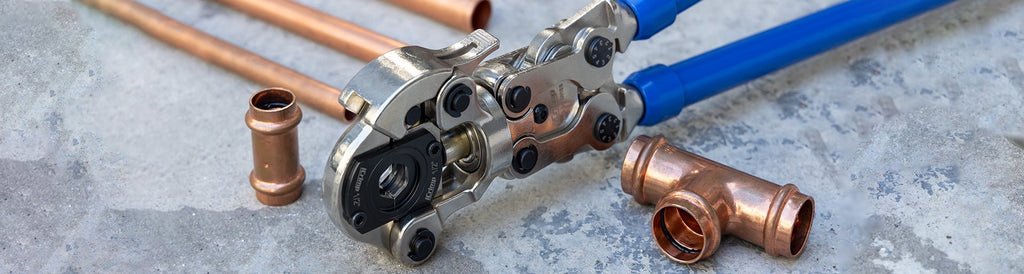
Are you struggling to get a perfect fit when working with pipes? Using a pipe expansion tool correctly can make all the difference in your project’s success.
If you want your pipes to connect smoothly without leaks or damage, understanding the right way to use this tool is key. You’ll discover simple steps and tips that save you time, effort, and frustration. Keep reading to learn how to make your pipe work stronger and cleaner with the right technique.

Credit: www.sharkbite.com
Choosing The Right Expansion Tool
Using the correct pipe expansion tool is important for safe and effective work. The right tool helps expand pipes without damage.
Choosing the right tool depends on the pipe type, size, and material. This guide explains how to select the best expansion tool.
Types Of Pipe Expansion Tools
Different tools expand pipes in different ways. Common types include manual, electric, and hydraulic tools.
- Manual toolsuse hand force to expand pipes. They are simple and low-cost.
- Electric toolsuse a motor to expand pipes faster and with less effort.
- Hydraulic toolsuse fluid pressure to expand pipes smoothly and evenly.
Matching Tool To Pipe Material
Not all expansion tools work well with every pipe material. Match the tool to the pipe for best results.
Soft materials like copper need gentle tools. Hard materials like steel require stronger tools.
- Use manual or electric tools for copper and plastic pipes.
- Use hydraulic tools for steel and stainless steel pipes.
- Check tool specifications for compatibility with pipe material.
Size And Capacity Considerations
Choose an expansion tool that fits the pipe size. Using a wrong size can cause pipe damage.
Check the tool’s capacity to expand pipes of your needed diameter. Tools have limits on pipe size.
| Tool Type | Typical Pipe Size Range |
|---|---|
| Manual Expansion | 1/2 inch to 2 inches |
| Electric Expansion | 1/2 inch to 4 inches |
| Hydraulic Expansion | 2 inches to 12 inches or more |
Preparing Pipes For Expansion
Using a pipe expansion tool needs careful preparation. Properly preparing pipes helps avoid damage and ensures a good fit.
Cleaning, marking, and aligning pipes are key steps before expanding them. Each step must be done with care.
Cleaning And Inspecting Pipes
Clean pipes remove dirt and rust that can cause leaks or weak spots. Use a brush or cloth to wipe the inside and outside.
Check pipes for cracks, dents, or corrosion. Damaged pipes should not be expanded as they may break.
- Use a wire brush for rust removal
- Wipe pipes with a clean cloth
- Look for visible damage or corrosion
- Replace pipes if damaged
Marking Expansion Points
Mark where the pipe will expand to guide the tool. This helps control how far the pipe stretches.
Use a pencil or marker that shows on metal. Mark both the start and end points of expansion.
- Mark the exact spot for expansion
- Make clear, visible lines
- Check marks before starting
- Adjust if needed before expansion
Ensuring Proper Pipe Alignment
Align pipes straight to avoid uneven expansion. Misalignment can cause leaks or damage.
Use clamps or supports to hold pipes steady. Check alignment from different angles before expanding.
- Set pipes on a flat surface
- Use tools to hold pipes in place
- Check alignment visually and with measuring tools
- Correct any tilt or twist
Step-by-step Expansion Process
Using a pipe expansion tool helps connect pipes securely. Following the right steps ensures a proper fit and avoids leaks.
This guide covers how to secure the pipe, control the expansion, and check the quality after expanding.
Securing The Pipe And Tool
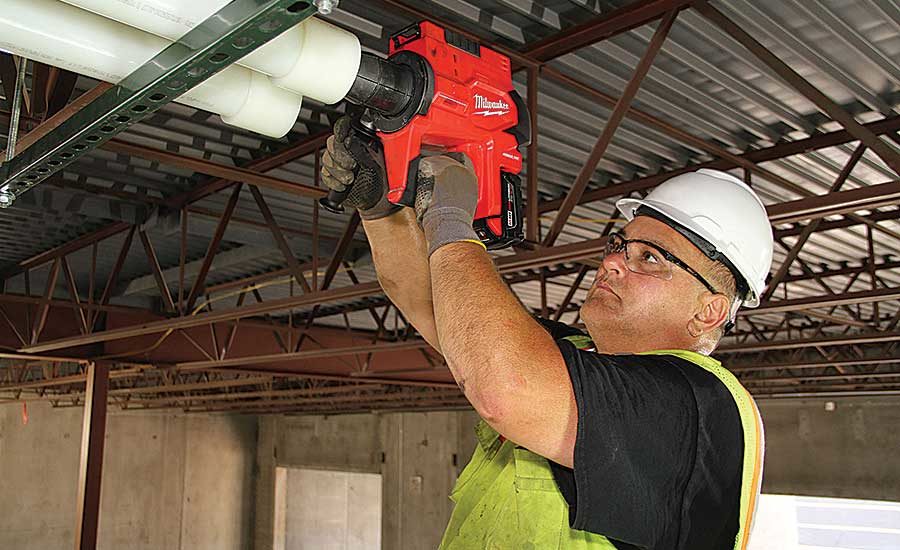
Before expanding, fix the pipe firmly to stop movement. Attach the expansion tool tightly to the pipe end. This prevents slippage and uneven expansion.
- Clean the pipe end to remove dirt.
- Use clamps or supports to hold the pipe steady.
- Check that the tool fits the pipe size exactly.
- Tighten all tool parts before starting.
Controlling Expansion Speed
Expand the pipe slowly and evenly. Fast expansion can damage the pipe or cause cracks. Use steady pressure during the process.
- Begin expanding at a slow pace.
- Monitor the tool’s movement carefully.
- Pause if you notice resistance or unusual sounds.
- Continue until the pipe reaches the needed size.
Checking Expansion Quality
After expansion, inspect the pipe to ensure a correct fit. Look for uniform diameter and no cracks or thinning.
| Check Point | What to Look For |
| Pipe Diameter | Consistent size around the expansion area |
| Surface | No cracks, tears, or rough spots |
| Fit | Pipe slides smoothly onto the next piece |
| Tool Marks | Minimal or no damage from the tool |
Credit: www.supplyht.com
Common Mistakes To Avoid
Using a pipe expansion tool can make your plumbing tasks easier. Still, mistakes can cause damage or injury. Avoiding these errors helps get the job done right.
Below are common mistakes to watch for when using a pipe expansion tool. Learning these will improve your safety and results.
Overexpanding Pipes
Expanding a pipe too much can weaken or crack it. Pipes have limits on how far they can stretch safely.
Applying too much force or expanding beyond the needed size causes leaks or pipe failure.
- Check the pipe’s maximum expansion size before starting
- Expand slowly and measure often
- Stop if the pipe feels too thin or shows signs of stress
Using Incorrect Tool Sizes
Choosing the wrong size tool can damage pipes or make the job harder. The tool should match the pipe’s diameter and type.
Using a too-large or too-small expander leads to uneven expansion or breaks.
- Measure your pipe before picking the tool
- Use tools designed for your pipe material
- Replace worn or damaged tools to keep accuracy
Ignoring Safety Precautions
Not following safety rules can cause injuries or accidents. Always protect yourself and others.
Wear gloves and eye protection. Keep your workspace clear and stable. Handle tools with care.
- Wear safety goggles to protect your eyes
- Use gloves to avoid cuts and pinches
- Work in a clean, dry area to prevent slips
- Read the tool’s manual before use
Maintenance And Care For Expansion Tools
Using a pipe expansion tool properly is key to its long life. Regular care keeps it working well. Follow simple steps to maintain your tool.
Cleaning, checking, and storing the tool right helps avoid damage. It also ensures safety during use.
Cleaning After Use
Clean the tool after each use to remove dirt and debris. Use a soft cloth to wipe all parts carefully. Avoid using water on metal parts to prevent rust.
- Remove any grease or oil with a mild solvent
- Dry the tool completely before storing
- Check for stuck dirt in moving parts and clean thoroughly
Regular Inspections
Inspect your expansion tool regularly to catch issues early. Look for cracks, worn parts, or loose screws. Tighten or replace parts as needed.
| Inspection Area | Check For | Action Needed |
| Handle | Cracks or looseness | Tighten or replace |
| Expansion Head | Wear or damage | Replace if worn |
| Moving Parts | Smooth movement | Clean and lubricate |
| Screws and Bolts | Tightness | Tighten securely |
Storage Tips
Store your tool in a dry place away from moisture and dust. Keep it in a case or hang it on a tool rack to avoid damage.
- Keep tool dry and clean
- Store in a protective case or cover
- Avoid stacking heavy items on the tool
- Place tool where it won’t fall or get knocked

Credit: manuals.plus
Troubleshooting Expansion Issues
Using a pipe expansion tool can sometimes lead to issues during the process. These problems may cause uneven pipe expansion or damage. Knowing how to spot and fix these issues helps maintain pipe integrity and tool performance.
This guide covers common problems with pipe expansion. It explains how to deal with uneven expansion, fix pipe deformation, and address tool malfunctions effectively.
Dealing With Uneven Expansion
Uneven expansion can weaken pipes and cause leaks. It often happens when the tool pressure is not balanced or the pipe is not positioned correctly.
- Check the tool’s alignment before expanding the pipe.
- Apply pressure slowly and evenly to avoid sudden bursts.
- Use a pipe support to hold the pipe steady during expansion.
- Inspect the pipe surface for damage or dirt that may cause uneven force.
- Calibrate the tool regularly to maintain even pressure output.
Fixing Pipe Deformation
Pipes can deform if the expansion tool is overused or applied incorrectly. Deformations may cause leaks or weak spots in the system.
| Type of Deformation | Cause | Fix |
| Oval Shape | Uneven pressure or wrong tool size | Use a pipe reshaper or replace the pipe section |
| Cracks | Over-expansion or damaged pipe material | Cut out the damaged section and install a new piece |
| Wrinkles | Too fast expansion or low-quality pipe | Slow down expansion speed or use a better pipe |
Addressing Tool Malfunctions
Tool malfunctions can stop the expansion process or cause damage to pipes. Common problems include leaks, pressure loss, and mechanical jams.
- Check hydraulic fluid levels before use.
- Inspect hoses and connections for leaks or cracks.
- Clean and lubricate moving parts regularly.
- Test the pressure gauge to ensure accurate readings.
- Replace worn or damaged parts immediately.
Frequently Asked Questions
What Is A Pipe Expansion Tool Used For?
A pipe expansion tool enlarges pipe ends to fit other pipes or fittings. It ensures a tight, leak-free connection in plumbing or HVAC systems.
How Do You Use A Pipe Expansion Tool Safely?
Wear safety gear and follow manufacturer instructions. Insert the tool carefully, expand the pipe gradually, and avoid over-expanding to prevent damage.
Can Pipe Expansion Tools Work On All Pipe Materials?
Most tools work on copper, aluminum, and thin steel pipes. Check compatibility before use, as some materials may require specialized expansion tools.
How Do I Maintain My Pipe Expansion Tool?
Clean the tool after each use and lubricate moving parts. Store it in a dry place to prevent rust and ensure long-term performance.
Conclusion
Mastering the use of a pipe expansion tool ensures efficient repairs. Proper handling prevents accidents and extends tool life. Always choose the right tool size for the job. Follow safety guidelines to protect yourself and your surroundings. Regular maintenance keeps your tool in top condition.
Practice makes perfect, so keep honing your skills. With these tips, you’ll handle pipe expansions confidently. Precision and care lead to successful outcomes. Your projects will benefit from your attention to detail. Happy expanding!