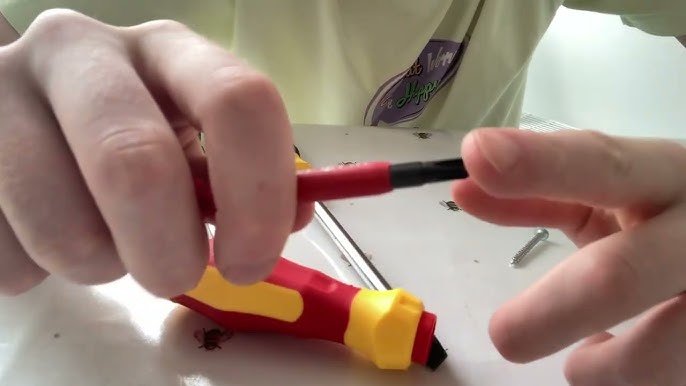
When you’re working with electrical equipment, your safety should always come first. Using the right tools can make all the difference between a quick job and a dangerous accident.
That’s where insulated screwdrivers come in. These tools are specially designed to protect you from electric shocks while you work. If you want to keep yourself safe and avoid costly mistakes, understanding how and why to use insulated screwdrivers is crucial.
Keep reading to discover how this simple tool can be a game-changer for your safety every time you handle electrical tasks.
Importance Of Insulated Screwdrivers
Insulated screwdrivers protect people from electric shocks. They have special handles that stop electricity from reaching the user.
Using the right tools is key to working safely with electrical devices. Insulated screwdrivers help prevent accidents and injuries.
Role In Electrical Safety
Insulated screwdrivers keep electricity from flowing through the handle. This protects workers from electric shock.
They are tested to meet safety standards. This ensures they can handle high voltage without breaking down.
- Protect users from electrical currents
- Reduce risk of short circuits
- Help maintain safe working conditions
- Prevent accidents during electrical repairs
Differences From Regular Screwdrivers
Regular screwdrivers do not have insulation. Their metal parts can conduct electricity and cause shocks.
Insulated screwdrivers have thick, non-conductive handles. This stops electrical current from passing to your hand.
| Feature | Insulated Screwdrivers | Regular Screwdrivers |
|---|---|---|
| Handle Material | Non-conductive plastic or rubber | Wood, plastic, or bare metal |
| Safety Rating | Tested for electrical safety | No electrical safety testing |
| Use | Safe for electrical work | Not safe for live electrical circuits |
| Cost | Usually higher | Usually lower |

Credit: www.canadiantire.ca
Choosing The Right Insulated Screwdriver
Using insulated screwdrivers helps protect you from electric shocks. Choosing the right one is important for your safety.
This guide explains what to look for when picking an insulated screwdriver. Focus on certification, materials, size, and type.
Certification And Standards
Look for screwdrivers tested to meet safety standards. These tools must have proper certification to ensure protection.
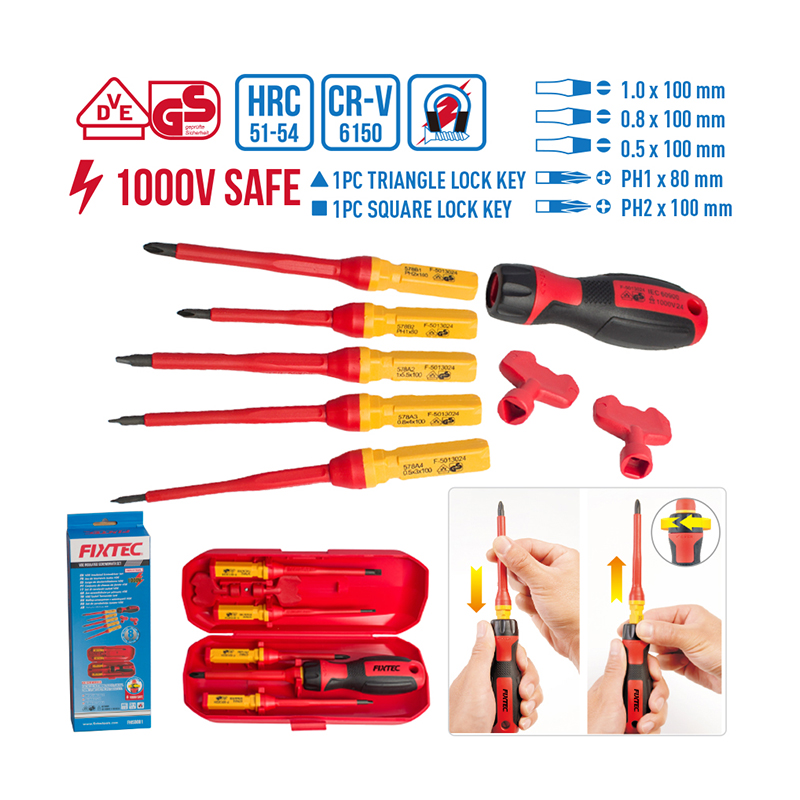
Common certifications include VDE and IEC 60900. Certified tools are checked for insulation quality and electrical safety.
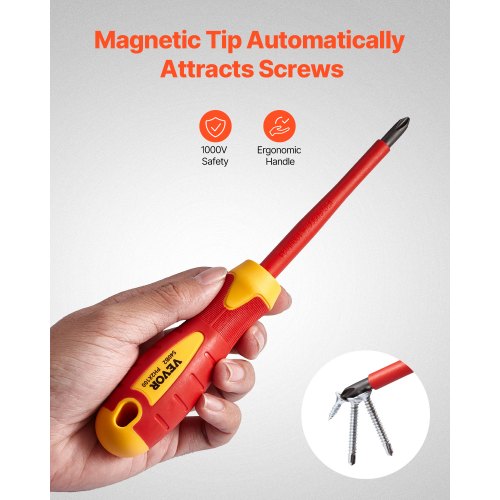
- VDE certification means tested for electrical safety up to 1000 volts
- IEC 60900 is an international standard for insulated hand tools
- Check for clear markings showing the certification on the tool
Handle And Blade Material
Handles must be made of strong insulating materials. These keep electricity from reaching your hand during use.
The blade should be made of durable steel with a smooth finish. It needs to fit screws well and resist wear.
- Handle materials often include plastic or rubber for insulation
- Blade steel is heat-treated for strength and corrosion resistance
- Non-slip handles improve grip and control
Size And Type Selection
Choose the size and type of screwdriver based on your tasks. Using the right tool prevents damage and improves safety.
Common types include flathead and Phillips screwdrivers. Pick sizes that match the screws you work with often.
- Small sizes are for electronics and fine work
- Larger sizes suit home repairs and heavy-duty tasks
- Keep a set of different sizes for various jobs
Safe Handling Practices
Using insulated screwdrivers helps protect you from electric shocks. It is important to handle these tools safely.
Follow simple rules to avoid accidents and keep yourself safe while working.
Inspecting Tools Before Use
Check your insulated screwdriver before starting any work. Look for cracks or damage on the handle and blade.
Make sure the insulation is clean and not worn out. Do not use damaged tools as they can cause injury.
- Look for cracks or chips on the insulation
- Check if the handle is secure and not loose
- Ensure the blade is straight and not bent
- Clean dirt or grease from the tool
Proper Grip And Positioning
Hold the insulated screwdriver by the handle only. Keep your fingers away from the metal parts.
Position your body so you have good balance and control. Use your other hand to steady your work if needed.
- Grip the handle firmly but not too tight
- Keep your hand dry and free from oil
- Face the work area directly for better control
- Avoid awkward positions that strain your wrist
Avoiding Common Mistakes
Never use an insulated screwdriver if the insulation is damaged. Do not use the tool for prying or hammering.
Do not touch live wires or parts with bare hands. Always use the right tool for the job.
- Do not use damaged or worn tools
- Do not use insulated screwdrivers as chisels or pry bars
- Do not touch live circuits without protection
- Always choose the correct size screwdriver
Credit: www.vevor.ca
Maintenance And Storage Tips
Using insulated screwdrivers safely requires regular care. Proper maintenance extends their life and keeps them reliable.
Storing these tools correctly prevents damage and ensures they work when you need them most.
Cleaning And Inspection Routine
Clean insulated screwdrivers after each use to remove dirt and grime. Check for cracks, chips, or worn insulation.
- Wipe handles and shafts with a dry cloth
- Look for any damage to the insulation
- Test the screwdriver’s grip and tip for wear
- Replace any tool that shows damage or wear
- Keep the metal parts free of rust
Storing To Prevent Damage
Store insulated screwdrivers in a dry, cool place away from direct sunlight. Avoid stacking heavy tools on top of them.
| Storage Tip | Reason |
| Use a tool rack or pouch | Keeps tools organized and prevents damage |
| Keep away from heat sources | Heat can weaken insulation |
| Avoid damp areas | Moisture causes rust and insulation damage |
| Inspect storage area regularly | Ensures no new hazards affect tools |
Recognizing Signs Of Wear And Damage
Using insulated screwdrivers helps protect you from electric shock. It is important to check these tools often. Look for signs of damage before each use.
Worn or broken insulated screwdrivers can be dangerous. Knowing how to spot problems keeps you safe on the job.
Visual Indicators
Look closely at the screwdriver’s insulation coating. Cracks, cuts, or worn areas mean the tool is unsafe. Also check the handle for damage.
- Cracked or chipped insulation
- Discoloration or melting signs
- Loose or broken handle parts
- Exposed metal on the shaft
- Rust or corrosion on the metal tip
When To Replace Tools
Replace your insulated screwdriver if you find any damage. Do not use it if the safety features are missing or broken. Using a damaged tool risks electric shock.
- Insulation is cracked or missing
- Handle is cracked or loose
- Metal tip is bent, chipped, or rusted
- Tool fails safety inspection tests
- Tool is old and worn beyond repair
Additional Safety Measures
Using insulated screwdrivers helps protect against electric shock. Still, other safety steps are important to stay safe.
These extra safety measures reduce risks and prevent accidents during electrical work.
Using Personal Protective Equipment
Wear the right personal protective equipment (PPE) to protect your body. PPE acts as a barrier against electric shocks and injuries.
Common PPE includes insulated gloves, safety glasses, and flame-resistant clothing.
- Insulated gloves prevent electric current from reaching your hands
- Safety glasses protect your eyes from sparks and debris
- Flame-resistant clothing lowers burn risk from electrical faults
Working With Power Off
Always turn off the power before starting any electrical work. This step removes the main danger source.
Use a voltage tester to confirm the power is off before touching wires or devices.
- Switch off the circuit breaker or main power switch
- Lock out and tag the power source to avoid accidental turn-on
- Check with a voltage tester to ensure no electricity flows
Training And Awareness
Learn how to handle insulated screwdrivers safely. Proper training helps prevent mistakes and injuries.
Stay aware of your surroundings and follow safety rules at all times.
- Attend electrical safety courses regularly
- Understand the limits of insulated tools
- Keep work areas clean and organized
- Report hazards or unsafe conditions immediately
Credit: www.fixtectools.com
Frequently Asked Questions
What Are Insulated Screwdrivers Used For?
Insulated screwdrivers protect users from electric shocks. They are designed for working on live electrical circuits safely. Their insulated handles prevent electrical current from passing through to the user. This makes them essential for electricians and anyone handling electrical components.
How Do Insulated Screwdrivers Enhance Safety?
They provide a protective barrier between the user and electricity. The insulated coating resists electrical current, reducing shock risk. This helps prevent injuries during electrical repairs or installations. Using insulated tools is a key safety practice in electrical work environments.
Can Insulated Screwdrivers Handle High Voltage?
Yes, insulated screwdrivers are rated for specific voltage levels. Most are tested up to 1000 volts or more. Always check the tool’s voltage rating before use. Using the correct rating ensures protection against electric shocks during tasks.
Are Insulated Screwdrivers Durable For Regular Use?
Insulated screwdrivers are built with strong materials for durability. Their handles resist wear, heat, and electrical damage. High-quality insulation remains intact over time. This makes them reliable for daily electrical work and long-term use.
Conclusion
Insulated screwdrivers keep you safe while working with electricity. Their special design prevents electric shocks. Always choose the right tool for the job. Check the insulation for any damage before using. A small inspection can prevent big accidents. These tools are essential for both professionals and DIY enthusiasts.
Prioritize safety by investing in quality insulated screwdrivers. Proper care ensures they last longer and work effectively. Remember, safety first. Your well-being is worth it. Always handle electrical work with caution.