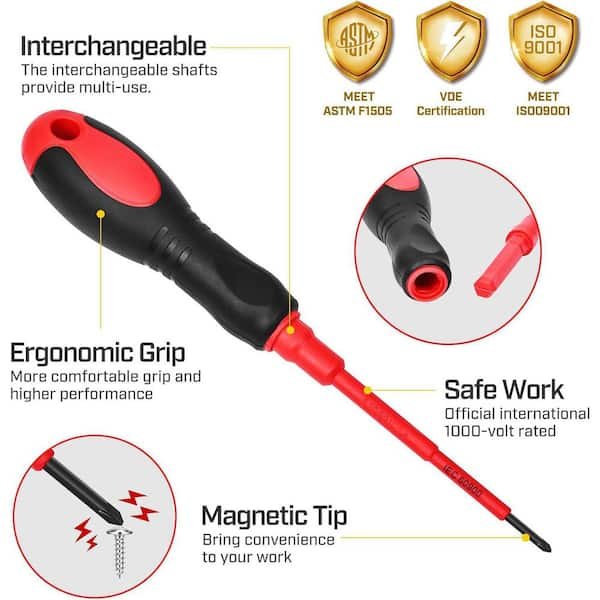
When you’re working with electrical tools, safety isn’t just important—it’s essential. Using insulated screwdrivers is one of the best ways to protect yourself from electric shocks.
But do you know how to use them correctly to keep yourself safe? You’ll discover simple, practical tips that can prevent accidents and keep your hands secure every time you pick up a screwdriver. Keep reading to learn how to handle insulated screwdrivers safely and confidently.
Your safety depends on it.

Credit: www.amazon.com
Why Insulated Screwdrivers Matter
Insulated screwdrivers protect people from electric shocks. They have a special cover that stops electricity.
Using these tools is important for safety when working with electrical parts or wires.
Electrical Hazard Risks
Electricity can cause serious injuries or death. A small mistake can lead to shocks or burns.
Using normal screwdrivers near live wires can let electricity pass through your body.
- Electric shock can cause muscle spasms.
- High voltage can burn skin or organs.
- Electric arcs can start fires or explosions.
Benefits Of Insulation
Insulation blocks electricity from reaching your hand. It keeps you safe during electrical work.
Insulated screwdrivers also help you work faster and with more confidence.
- Protects against electric shock up to certain voltage levels.
- Keeps tools from slipping on wires.
- Makes it easier to reach tight electrical spots safely.
Choosing The Right Insulated Screwdriver
Using insulated screwdrivers keeps you safe when working with electricity. Picking the right one helps prevent shocks and accidents.
Not all insulated screwdrivers are the same. You must know what to look for before buying or using one.
Insulation Ratings To Know
Insulated screwdrivers have ratings that show how much voltage they can handle safely. Check these ratings before use.
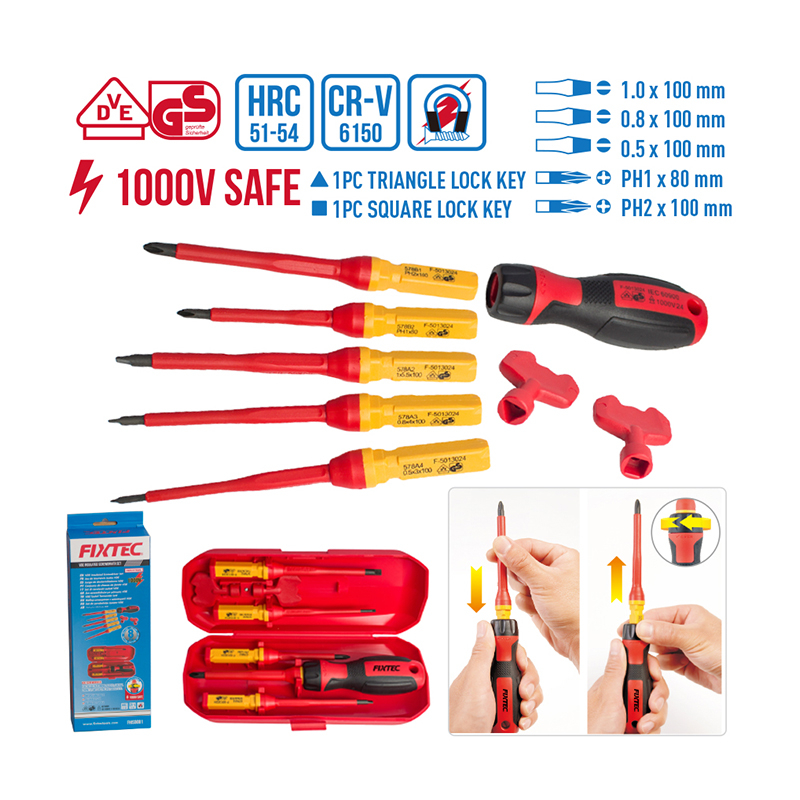
The most common rating is 1000 volts. This means the screwdriver can protect you up to 1000 volts of electricity.
- VDE certification means the tool meets European safety standards.
- IEC 60900 is an international standard for insulated tools.
- Look for clear markings on the screwdriver handle or blade.
Handle Design And Comfort
The handle should feel comfortable in your hand. It helps you work longer without pain or slipping.
Choose handles that offer a good grip and are made of non-conductive materials for safety.
- Ergonomic shapes reduce hand fatigue.
- Rubber or soft plastic grips improve control.
- Look for handles with textured surfaces to prevent slipping.
Blade Types And Sizes
Screwdrivers come with different blade types. Each type fits specific screws and jobs.
Using the correct blade size helps avoid damage to screws and tools.
- Flathead blades work on slotted screws.
- Phillips blades fit cross-shaped screws.
- Choose blade sizes that match your screws for a tight fit.
- Longer blades reach deeper screws; shorter blades offer more control.
Proper Inspection Before Use
Using insulated screwdrivers safely starts with a careful inspection. Check the tool before each use to avoid electric shocks.
Inspecting the screwdriver helps find problems early. This ensures your safety and the tool’s effectiveness.
Checking Insulation Integrity
Look closely at the insulation on the screwdriver handle and shaft. The insulation must cover all metal parts fully.
- Check for cracks or cuts in the insulation.
- Feel for any soft or sticky spots on the handle.
- Make sure the insulation is firmly attached and does not move.
- Verify the insulation rating matches your work voltage.
Identifying Wear And Damage
Wear or damage can weaken the screwdriver. Look for signs that the tool is unsafe to use.
| Damage Type | What to Look For | Action Needed |
| Worn Tip | Rounded or chipped edges | Replace screwdriver |
| Loose Handle | Handle moves or spins | Do not use, repair or replace |
| Rust or Corrosion | Visible rust on metal parts | Clean or replace tool |
| Insulation Damage | Cracks, cuts, or missing parts | Reject tool immediately |
Safe Handling Techniques
Using insulated screwdrivers safely is important to avoid accidents. Proper handling keeps you protected from electrical shocks.
Follow clear steps to ensure you use these tools the right way every time.
Correct Grip And Pressure
Hold the insulated screwdriver with a firm but gentle grip. This control helps you turn screws without slipping.
Do not press too hard. Too much pressure can damage the screw or tool and cause accidents.
- Use your dominant hand for better control
- Keep your wrist straight to avoid strain
- Apply steady, even pressure when turning screws
- Release pressure if the tool slips
Avoiding Contact With Live Circuits
Never touch live wires or parts when using insulated screwdrivers. This reduces the risk of electric shock.
Always check the tool’s insulation before use. Damaged insulation makes the tool unsafe for electrical work.
- Turn off power before starting work
- Use insulated screwdrivers only for electrical tasks
- Keep your hands dry and clean
- Inspect tools for cracks or damage regularly
Maintenance And Storage Tips
Using insulated screwdrivers safely means keeping them clean and stored correctly. Proper care helps keep the insulation strong. It also prevents damage that can cause accidents.
Follow simple steps to maintain your tools. Store them in a dry and safe place. This keeps the tools ready for use and extends their life.
Cleaning Insulated Tools
Clean your insulated screwdrivers regularly to remove dirt and grease. Use mild soap and water, then dry them with a soft cloth. Avoid harsh chemicals that can harm the insulation.
- Wipe the handle and metal parts with a damp cloth
- Use mild soap for tough stains
- Do not soak the screwdriver in water
- Dry completely before storing
- Check insulation for cracks after cleaning
Storing To Prevent Damage
Store insulated screwdrivers away from heat and sharp objects. Keep them in a tool box or on a rack to avoid scratches. Avoid placing heavy items on top of them.
| Storage Tip | Reason |
| Keep in a dry place | Prevents rust and insulation damage |
| Use tool holders or racks | Keeps tools organized and safe |
| Avoid exposure to direct sunlight | Protects insulation from cracking |
| Do not store with sharp tools | Prevents cuts on insulation |
| Check tools before storage | Ensure no damage or wear |

Credit: drpd.cc
Common Mistakes To Avoid
Using insulated screwdrivers helps protect you from electric shocks. Many people make simple mistakes that reduce this safety. Avoid these errors to stay safe and work better.
This guide covers two common mistakes: using non-insulated tools and ignoring tool condition. Learn what to watch for and how to fix these issues.
Using Non-insulated Tools
Some workers use regular screwdrivers on live wires. This is very dangerous. Non-insulated tools do not stop electricity from passing through the handle.
- Do not use metal tools without insulation near electricity.
- Always check that the screwdriver has a clear insulated grip.
- Replace tools that do not have a visible insulation layer.
- Use only tools rated for electrical work.
Ignoring Tool Condition
Even insulated screwdrivers can fail if they are damaged. Cracks or worn grips can let electricity through. Check your tools often to keep them safe.
| Tool Problem | Risk |
| Cracked insulation | Electric shock |
| Loose handle | Loss of control |
| Worn tip | Slipping from screws |
| Dirty or oily grip | Slippery hold |
Fix or replace tools with these problems. Never use a screwdriver with visible damage on electrical tasks.
Credit: www.fixtectools.com
Frequently Asked Questions
What Are Insulated Screwdrivers Used For?
Insulated screwdrivers protect users from electric shocks during electrical work. They feature insulated handles and shafts. This prevents current flow through the tool. They are essential for working safely on live circuits or wiring.
How To Identify A Quality Insulated Screwdriver?
Check for certifications like VDE or IEC standards. High-quality insulated screwdrivers have rated insulation tested up to 1000 volts. The handle should be made of non-conductive, durable materials. Look for clear markings indicating voltage rating and manufacturer details.
Can Insulated Screwdrivers Be Used On Live Wires?
Yes, insulated screwdrivers are designed for live electrical work. They prevent electric current from passing to the user. However, always verify the tool’s insulation rating matches the voltage of the circuit. Follow safety protocols and wear protective gear.
How To Maintain Insulated Screwdrivers Safely?
Regularly inspect for cracks or damage in insulation. Clean handles with a dry cloth; avoid solvents. Store tools in a dry place away from chemicals. Replace any screwdriver with compromised insulation to ensure user safety.
Conclusion
Safety is key when using insulated screwdrivers. Always check for damage before use. Ensure the tool’s insulation is intact. It protects against electric shock. Wear appropriate safety gear like gloves and goggles. Keep your workspace tidy. A clean area prevents accidents.
Store tools properly after use. This prolongs their lifespan. Remember to follow these safety tips. They help avoid injury and equipment damage. Stay safe and make informed choices with your tools. Your safety should always come first.