If you’re serious about woodworking, you know how important precision is. Making the same cut over and over can be tricky and time-consuming.
But what if there was a way to make those repeatable cuts faster and more accurate every single time? Using a router table could be the game-changer your workshop needs. You’ll discover how a router table can simplify your work, save you time, and help you achieve professional results with ease.
Keep reading, and you’ll learn practical tips that will transform how you handle your projects.
Credit: www.routerforums.com
Benefits Of Router Tables
Router tables help woodworkers make cuts that are the same every time. They hold the router steady and guide the wood for better results.
Using a router table makes your work easier and safer. It also helps you finish projects faster and with less waste.
Enhanced Accuracy
Router tables keep the router fixed in one place. This stability helps you make precise and repeatable cuts.
The fence on the table guides the wood along a set path. This makes sure every cut is the same size and shape.
- Consistent cut depth
- Steady movement of wood
- Better edge control
Improved Safety
Router tables reduce the chance of slips and accidents. Your hands stay away from the spinning bit during cuts.
The table holds the router firmly, so it does not move unexpectedly. This lowers the risk of injury.
- Hands stay clear of the cutter
- Stable router setup
- Better control over workpiece
Increased Efficiency
With a router table, you can work faster by repeating the same cut many times. This saves time on measuring and adjusting.
The table setup helps you handle larger pieces easily. You spend less time moving and adjusting wood for each cut.
- Faster setup for repeated cuts
- Less measuring between cuts
- Easier to work with big pieces

Credit: lazyguydiy.com
Choosing The Right Router Table
Using a router table helps make cuts that are the same every time. Picking the right router table is important for good results.
Look at the table size, fence quality, and dust collection before buying. These features affect your work and safety.
Table Size And Surface
The table size should fit your workspace and the materials you use. A bigger surface gives more support for large pieces.
Choose a flat, smooth surface to keep your work steady. Materials like laminated MDF or aluminum work well for flatness.
- Large table supports bigger wood pieces
- Flat surface prevents workpiece movement
- Durable material resists dents and scratches
Fence Quality
The fence guides your wood for straight cuts. A solid, adjustable fence helps you make repeatable cuts with ease.
Look for fences that lock firmly in place. Some fences have built-in measuring scales for better accuracy.
- Strong fence keeps wood steady
- Adjustable fence allows different cut sizes
- Locking feature prevents fence movement
Dust Collection Features
Router tables make a lot of dust. Good dust collection keeps your workspace clean and reduces health risks.
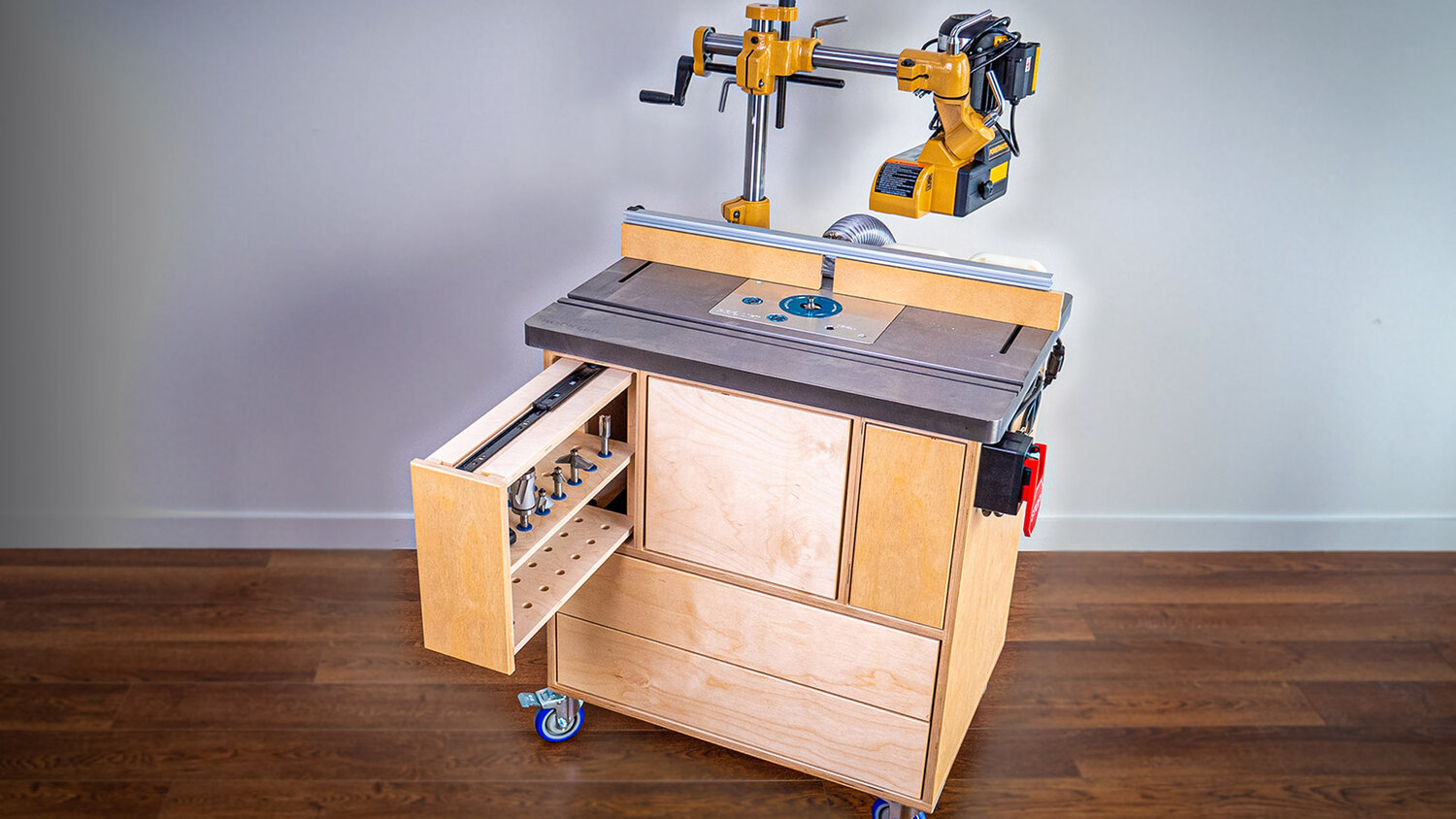
Choose a table with dust ports to connect a vacuum. Some tables have built-in dust chutes to capture debris close to the bit.
- Dust ports connect to shop vacuums
- Dust chutes catch debris near the router bit
- Reduces mess and improves air quality
Essential Router Table Accessories
Using a router table helps make cuts that are the same every time. To get the best results, you need the right accessories. These tools keep your work safe and accurate.
Here are some important router table accessories that improve your cutting tasks. They help you work faster and with better control.
Featherboards And Hold-downs
Featherboards keep your wood pressed firmly against the router fence or table. They stop the wood from moving sideways during cuts. Hold-downs keep the wood flat on the table, preventing it from lifting.
Both tools increase safety and help you make clean, repeatable cuts. They reduce the risk of kickback and improve accuracy.
- Featherboards guide wood evenly against the fence
- Hold-downs keep wood flat on the table surface
- Both help prevent accidents and poor cuts
- Adjustable parts fit different wood sizes
Router Bits Selection
Choosing the right router bit affects the quality of your cuts. Different bits make different shapes and edges. Use sharp bits for clean cuts and smooth finishes.
Select bits based on the type of cut you want and the material you work with. High-quality bits last longer and give better results.
- Straight bits for simple, straight cuts
- Round-over bits for smooth edges
- Flush-trim bits for trimming edges
- Rabbeting bits for cutting grooves
Measuring And Marking Tools
Accurate measurements and markings are key for repeatable cuts. Use rulers, squares, and marking knives to plan your cuts well. Mark the wood clearly before routing.
Good measuring tools help you set up the router table fence and stops. This reduces errors and saves time during cutting.
- Steel rulers for precise length measurements
- Combination squares for right angles
- Marking knives or pencils for clear lines
- Calipers for measuring thickness and depth
Credit: craftedworkshop.com
Setting Up For Repeatable Cuts
Using a router table helps make the same cut many times. Setting it up right saves time and keeps your work accurate.
Focus on three main parts: the fence, the bit height, and holding your workpieces firmly. Each step helps repeat cuts with ease.
Calibrating The Fence
The fence guides your wood for straight cuts. Check that it is square to the table and parallel to the bit. Use a ruler or square tool to measure the distance from the bit to the fence.
- Loosen the fence locks.
- Move the fence close to the bit without touching.
- Check the distance with a ruler or gauge.
- Tighten the locks to hold the fence in place.
Adjusting Bit Height
Set the bit height to control how deep the cut will be. Small changes can affect the fit and look of your pieces. Use the height adjustment knob or wrench on your router.
| Height Setting | Cut Depth |
| Low | Shallow cut, less material removed |
| Medium | Standard cut depth for most work |
| High | Deep cut, good for heavy shaping |
Securing Workpieces
Hold your wood firmly to avoid movement during cutting. Use clamps or hold-downs to keep pieces from shifting. This helps keep cuts consistent and safe.
- Use push blocks to keep hands safe.
- Clamp larger pieces to the table.
- Check tightness before each cut.
- Avoid forcing the wood through the bit.
Techniques For Consistent Results
Using a router table helps make many cuts that look exactly the same. This is very useful for projects that need parts to fit well together.
To get repeatable cuts, you need good techniques. These keep your work steady and accurate every time.
Using Stop Blocks
Stop blocks help you make the same cut length many times. Attach a block on the fence to stop the wood at the right spot.
They save time and reduce errors. You do not have to measure each piece again. Make sure the stop block is tight and does not move.
- Use clamps or screws to fix the stop block
- Check the block position before each cut
- Use a scrap piece to test the stop block
Maintaining Steady Feed Rate
Feed the wood into the router at a steady speed. Moving too fast can cause rough cuts. Moving too slow can burn the wood.
Keep your hands steady and push the wood evenly. Practice the right speed to get clean, smooth edges every time.
- Hold the wood firmly but not too tight
- Use push blocks for safety and control
- Watch the cut quality and adjust speed if needed
Checking Cut Accuracy
After cutting, check the size and shape of your pieces. Use a ruler or caliper to measure the cuts. Make sure they match your plan.
Check the edges for smoothness and evenness. Fix any small errors before making more cuts to keep all pieces consistent.
- Measure each piece after cutting
- Compare pieces to find differences
- Adjust the fence or stop block if needed
Common Mistakes To Avoid
Using a router table can help you make many cuts that look the same. But some mistakes can cause problems with your work.
Paying attention to details is important for good results. Avoid these common errors for better cuts every time.
Improper Clamping
Not clamping your workpiece correctly can cause it to move. This leads to uneven cuts and unsafe work conditions.
Make sure the clamps hold the wood tightly and do not block the router bit or fence.
- Use clamps that fit your workpiece size
- Check that clamps do not shift during cutting
- Keep clamps away from moving parts
Ignoring Bit Wear
Router bits wear out after many uses. Dull bits cause rough cuts and can burn the wood.
Check your bits often and replace or sharpen them when needed. This keeps cuts clean and safe.
- Dull bits increase the chance of kickback
- Sharp bits make smoother edges
- Inspect bits before starting a project
Skipping Test Cuts
Not doing a test cut can waste material and time. A test cut helps you check settings and bit placement.
Always cut a scrap piece first. This lets you fix mistakes before working on your real project.
- Test cuts show if the fence is set right
- Check the depth of the cut on scrap wood
- Adjust settings as needed before the main cut
Maintenance Tips For Router Tables
Using a router table needs regular care to work well. Proper maintenance keeps cuts precise and safe.
Simple steps like cleaning, checking parts, and replacing old pieces help your table last longer.
Cleaning And Lubrication
Keep your router table free of dust and debris. Clean the surface and moving parts often.
Use a soft cloth to wipe the table and apply light machine oil to metal parts. This stops rust and keeps parts moving smoothly.
- Remove dust after every use
- Wipe with a damp cloth, then dry
- Apply lubricant to bearings and hinges
- Avoid using too much oil to prevent buildup
Inspecting Components
Check your router table parts regularly for wear and damage. Look at the fence, insert plate, and power switch.
Make sure all screws and bolts are tight. Loose parts can cause bad cuts or accidents.
- Look for cracks or bends in the fence
- Check the insert plate for flatness
- Test the power switch for proper function
- Ensure all fasteners are secure
Replacing Worn Parts
Replace parts that are damaged or worn out. Old parts reduce accuracy and can be unsafe.
Use parts made for your router table model. This keeps your cuts consistent and your work safe.
- Change the router bit when dull
- Replace cracked or chipped fences
- Swap out worn insert plates
- Use original or compatible replacement parts
Frequently Asked Questions
What Are The Benefits Of Using A Router Table For Cuts?
A router table offers precision and stability for repeatable cuts. It improves accuracy and speeds up woodworking projects. The table allows hands-free control, enhancing safety and consistency in each cut, ideal for producing identical pieces efficiently.
How Do I Set Up A Router Table For Repeatable Cuts?
To set up, secure the router in the table and adjust the fence. Use a stop block for consistent length cuts. Ensure the bit height and fence position are locked firmly to maintain repeatable accuracy.
What Safety Tips Should I Follow When Using A Router Table?
Always wear eye and ear protection. Keep hands clear of the bit and use push sticks. Ensure the router is off before adjustments. Maintain a clean workspace to avoid slips and distractions during operation.
Can A Router Table Improve Woodworking Efficiency?
Yes, a router table significantly boosts efficiency by enabling quick, consistent cuts. It reduces setup time and minimizes errors. This allows woodworkers to complete projects faster with professional-quality results.
Conclusion
A router table makes repeatable cuts easy and precise. Its stability ensures consistent results every time. Woodworkers can achieve clean edges with less effort. This tool saves time and increases efficiency in any project. It helps maintain uniformity in multiple pieces.
Safe operation is key; always follow guidelines. With practice, you’ll gain confidence using this tool. A router table is a valuable addition to your workshop. It simplifies complex tasks and enhances your woodworking skills. Start exploring its potential and improve your projects today!