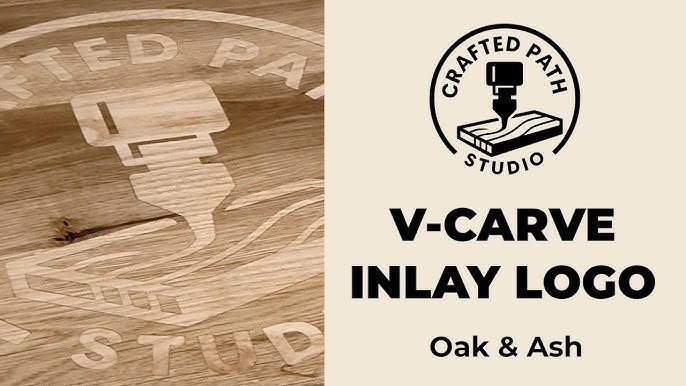
Have you ever admired a beautiful piece of woodwork and wondered how those intricate designs are made? Carving inlays in wood can transform a simple project into a stunning work of art.
If you want to add a personal touch to your woodworking, learning how to carve inlays is a skill you don’t want to miss. In this guide, you’ll discover easy-to-follow steps that will help you create precise and eye-catching inlays, even if you’re new to woodworking.
Ready to turn your plain wood into something extraordinary? Keep reading, and you’ll be carving like a pro in no time.

Credit: www.youtube.com
Choosing The Right Wood
Carving inlays in wood requires careful wood selection. The right wood affects the look and durability of your inlay.
Picking wood with good contrast and workability makes carving easier and results better.
Best Woods For Inlay
Some woods carve cleanly and show detail well. These woods are popular for inlays.
- Maple: Light color and smooth grain
- Walnut: Dark color and fine grain
- Cherry: Reddish tone and easy to carve
- Ebony: Very dark and dense wood
- Boxwood: Fine grain and hard texture
Matching Wood Colors And Grains
Matching colors and grains improves the final look. Wood with similar textures blends better.
| Wood Type | Color Tone | Grain Pattern | Use in Inlay |
|---|---|---|---|
| Maple | Light cream | Fine, straight | Background or contrast |
| Walnut | Dark brown | Wavy, straight | Accent or main design |
| Cherry | Reddish brown | Fine, smooth | Warm tones inlay |
| Ebony | Black | Very fine | Bold contrast |
| Boxwood | Light yellow | Very tight | Detailed carving |

Credit: sokolowskistudios.com
Essential Tools And Materials
Carving inlays in wood requires specific tools and materials. Using the right items makes the process easier and the results better.
This guide covers the main carving tools and the materials to choose for your inlays.
Carving Tools You Need
You need sharp and precise tools to carve wood for inlays. These tools help you cut clean shapes and details.
- Chisels with different blade sizes
- Carving knives with sharp, pointed tips
- Gouges for scooping wood
- Small mallet for gentle tapping
- Fine sandpaper for smoothing edges
- Marking tools like pencils or scribes
- Clamps to hold wood steady
Inlay Materials Selection
Choose materials that fit well and contrast nicely with the wood. Common inlay materials add color and texture.
| Material | Description | Common Uses |
| Wood Veneers | Thin slices of wood with varied colors | Classic wood-to-wood inlays |
| Shell (Mother of Pearl) | Shiny, iridescent material from shells | Decorative accents and highlights |
| Metal (Brass, Copper) | Thin strips or sheets of metal | Bold lines and shapes |
| Stone | Small pieces of semi-precious stone | Colorful, natural inlays |
| Resin | Colored or clear synthetic material | Fill gaps or add bright colors |
Preparing Your Design
Carving inlays in wood starts with a clear design plan. Preparing your design carefully helps you work neatly and accurately. This stage saves time and reduces mistakes later.
Good preparation means you understand the pattern and how it fits on your wood piece. It also guides you in cutting the inlay perfectly.
Sketching The Pattern
Begin by drawing your pattern on paper. Use simple shapes and clear lines. This sketch will act as your guide for the inlay.
- Choose a design that matches the wood’s size and shape.
- Use pencil for easy changes.
- Keep the pattern symmetrical if needed.
- Check the design fits well in the space.
- Mark the areas where the inlay will go clearly.
Transferring Design To Wood
After sketching, you transfer your design to the wood surface. This step helps you cut the inlay and the wood base precisely.
| Method | Description |
| Carbon Paper | Place under the design and trace with a pencil to copy. |
| Direct Drawing | Draw the pattern directly on the wood with pencil. |
| Stencil | Cut out the pattern on paper and trace around it on wood. |
| Transfer Tape | Use adhesive tape to move the design from paper to wood. |
Cutting The Inlay Cavity
Cutting the cavity for an inlay is a careful process. It needs precision to hold the inlay tightly. You must remove the wood cleanly and evenly. This ensures the inlay fits well and looks good.
Using the right tools and techniques helps you cut the cavity accurately. Take your time to avoid mistakes and get a smooth finish. This step sets the base for your inlay work.
Techniques For Precise Carving
Start by marking the cavity outline clearly on the wood surface. Use a sharp knife to score the edges before cutting deeply. This creates a clean boundary and prevents slips.
- Use a sharp chisel that fits the cavity size
- Work slowly, removing small wood layers at a time
- Keep your tools steady and angled correctly
- Check the depth often with a ruler or caliper
- Clean out wood chips frequently for better visibility
Avoiding Common Mistakes
Many beginners cut too deep or unevenly. This can cause the inlay to sit too low or not fit at all. Also, rushing makes the edges rough and uneven.
| Mistake | Effect | Prevention |
| Cutting too deep | Loose inlay fit | Measure depth frequently |
| Uneven edges | Gaps around the inlay | Score edges before carving |
| Using dull tools | Rough surface and splinters | Keep tools sharp and clean |
| Rushing the work | Poor control and mistakes | Work slowly and steadily |
Creating The Inlay Pieces
Carving inlays in wood starts with making the pieces that fit into your base wood. These inlay pieces add beauty and detail to your project.
Careful shaping and sizing ensure the inlays fit perfectly. This helps the final piece look smooth and professional.
Shaping And Sizing Inlays
First, cut your inlay material slightly larger than the design. This gives room to adjust the shape.
Use carving tools or a small saw to shape the inlay. Make the edges clean and smooth for a better fit.
- Start with a rough cut close to the design size
- Use files or sandpaper to refine edges
- Keep checking the shape against the inlay cavity
- Trim little by little to avoid removing too much
Fitting Inlays Perfectly
Test fit the inlay piece in the wood cavity often. The goal is a tight fit without forcing it in.
Adjust the cavity or the inlay piece by sanding or carving small amounts. This ensures the inlay stays secure and looks neat.
- Place the inlay piece gently into the cavity
- Check for gaps or loose spots
- Sand edges or carve cavity to improve fit
- A perfect fit means less glue and a cleaner finish

Credit: mark-85079.medium.com
Gluing And Securing Inlays
Gluing wood inlays needs care and the right adhesive. Proper glue keeps the inlay tight and strong.
Securing the inlay during drying is important to avoid gaps or movement. Clamps help hold pieces firmly.
Choosing The Right Adhesive
Use an adhesive that bonds well with wood and dries clear. The glue should not soak the wood too much.
- Wood glue (PVA) is strong and easy to clean up with water.
- CA glue (super glue) works fast but can be brittle.
- Epoxy is good for filling gaps but needs mixing.
- Avoid glues that stain or darken the wood.
Clamping And Drying Tips
Use clamps or weights to keep the inlay pressed firmly while glue dries. Avoid moving it during this time.
| Tip | Reason |
| Use soft pads under clamps | Protect inlay surface from marks |
| Apply even pressure | Prevent gaps and ensure good bond |
| Allow full drying time | Glue reaches full strength |
| Remove excess glue quickly | Keep surface clean and smooth |
Finishing Touches
Finishing your wood inlay project is very important. It makes the inlay look smooth and complete.
The right finishing steps bring out the beauty of both the wood and the inlay.
Sanding And Smoothing
Sanding removes rough spots and helps the wood feel smooth. Use fine-grit sandpaper for best results.
Sand gently to avoid damaging the inlay or the wood around it. Check often to keep the surface even.
- Start with 220 grit sandpaper
- Finish with 320 or 400 grit for smoothness
- Use a sanding block for flat areas
- Remove dust with a soft cloth after sanding
Applying Finish For Contrast
Applying a finish protects the wood and highlights the inlay design. Choose a finish that enhances color differences.
Use finishes like oil, varnish, or shellac to add shine and depth. Test the finish on a scrap piece first.
- Apply finish with a clean brush or cloth
- Wipe off excess to avoid blotches
- Let each coat dry fully before adding more
- Multiple thin coats give better contrast and protection
Troubleshooting Common Issues
Carving inlays in wood is a delicate process. Small problems can affect the final look. Knowing how to fix these issues helps keep your work clean and precise.
This guide covers common problems like gaps and lifting. You will learn easy ways to fix and prevent them.
Fixing Gaps And Imperfections
Gaps between the inlay and wood can happen if the fit is loose. Filling these gaps gives a smooth finish. Use wood filler or glue mixed with sawdust to match the wood color.
- Clean the gap area well before filling.
- Apply filler carefully with a small tool or toothpick.
- Let it dry fully to avoid shrinkage.
- Sand the area lightly to blend with the wood.
- Repeat if needed for larger gaps.
Preventing Inlay Lifting
Inlay lifting happens when glue fails or wood moves. Proper glue and clamping help keep the inlay in place. Avoid excess moisture and sudden temperature changes to reduce lifting risks.
| Cause | Prevention | Fix |
| Weak glue bond | Use high-quality wood glue, clamp firmly | Re-glue with clamps and weights |
| Wood movement | Seal wood, avoid moisture changes | Remove inlay, dry wood, re-glue |
| Surface contamination | Clean surfaces before gluing | Sand and clean, then re-glue |
Advanced Techniques
Carving inlays in wood can add beauty and detail to your projects. Advanced methods allow more creativity and precision.
This guide covers multi-layer inlays and using exotic materials. Both techniques raise the quality of your work.
Multi-layer Inlays
Multi-layer inlays add depth by stacking different woods or materials. This creates a 3D effect in the design.
- Plan the design with separate layers for each color or texture.
- Cut each layer precisely using a router or chisel.
- Glue layers carefully, ensuring they align perfectly.
- Sand the surface smoothly after all layers are set.
- Finish with oil or varnish to protect and enhance the look.
Using Exotic Materials
Exotic materials add unique colors and textures to inlays. These can include shells, metals, or special woods.
| Material | Properties | Tips |
| Mother of Pearl | Shiny, iridescent | Use thin slices to avoid cracking |
| Brass | Strong, gold color | Cut with metal tools, polish well |
| Ebony Wood | Dark, dense | Sand carefully for smooth finish |
| Turquoise Stone | Blue-green color | Embed in resin for stability |
Frequently Asked Questions
What Tools Are Essential For Carving Wood Inlays?
Essential tools include a sharp chisel, carving knives, a router, and fine sandpaper. A coping saw and wood glue are also helpful for precise cuts and secure fitting.
How Do You Prepare Wood For Inlay Carving?
Start by selecting contrasting wood pieces. Mark the inlay design on the base wood. Carefully cut the recess before fitting the inlay piece.
What Techniques Ensure Accurate Inlay Fitting?
Use precise measurements and slow, steady cuts. Test fit the inlay frequently and adjust edges with fine sandpaper for a snug fit.
How Can I Avoid Wood Splitting During Inlay Carving?
Work slowly with sharp tools and avoid forcing cuts. Use a backing board to support the wood and minimize splitting risks.
Conclusion
Carving inlays in wood is a rewarding craft. With patience, anyone can create beautiful designs. Start with simple patterns. Gradually, move to complex ones. Use proper tools for best results. Practice regularly to improve your skills. Safety is crucial, so wear protective gear.
Mistakes happen, but they’re part of learning. Enjoy the process and embrace imperfections. Each piece tells a unique story. Share your creations with others. Inspire and get inspired. Woodworking connects us to nature. It’s a timeless art form. Keep exploring and honing your craft.
Happy carving!