
When it comes to precision work, every detail matters—and so does the tool you choose. Have you ever struggled with materials slipping or shifting just when you needed them steady?
Using clamps can be the simple game-changer your projects need. Imagine holding your work firmly in place, freeing your hands to focus on the fine details that make all the difference. You’ll discover how clamps can boost your accuracy, save you time, and make your tasks easier than ever before.
Ready to take your precision work to the next level? Keep reading to learn the secrets behind mastering clamps.
Credit: www.reidsupply.com
Types Of Clamps For Precision
Clamps hold materials firmly while you work on them. They help keep parts steady and exact.
Using the right clamp type improves your work’s accuracy and quality. Different clamps fit different needs.
Bar Clamps
Bar clamps have a long metal bar and adjustable jaws. They hold large or wide pieces tightly.
These clamps are good for woodworking and metal projects. You can adjust the jaw to fit many sizes.
C-clamps
C-clamps look like the letter “C”. They have a screw that tightens the clamp.
They work well for small to medium tasks. You get strong pressure and good control with a C-clamp.
Spring Clamps
Spring clamps use a spring to push the jaws together. They open easily and close fast.
These clamps are best for light jobs. They hold pieces gently without damaging them.
Toggle Clamps
Toggle clamps lock quickly with a lever. They keep parts steady with strong pressure.
These clamps are great for repetitive tasks. You can clamp and release fast and safely.
Credit: www.vevor.ca
Choosing The Right Clamp
Clamps help hold materials firmly during precise work. Picking the right clamp makes your task easier and safer.
You must think about the clamp’s material, size, jaw design, and strength. These factors affect the clamp’s performance.
Material Considerations
Clamp materials affect durability and grip. Steel clamps are strong and last long. Aluminum clamps are light but less strong.
Plastic or nylon clamps protect delicate surfaces. Choose the material based on your project needs and tool care.
Size And Capacity
Clamps come in many sizes. The size must fit your workpiece. Too small clamps won’t hold well. Too large clamps may be hard to handle.
Check the clamp’s capacity. It shows the largest opening the clamp jaws can reach. Choose a clamp with enough capacity for your work.
Jaw Design
Jaw design affects how well the clamp grips. Flat jaws work well on flat surfaces. Curved jaws hold round objects better.
Padded jaws protect delicate materials from marks. Some jaws have quick-release features for fast adjustments.
- Flat jaws for boards and panels
- Curved jaws for pipes and rods
- Padded jaws for soft materials
- Quick-release jaws for easy use
Clamp Strength
Clamp strength shows the pressure it can apply. Higher strength means better hold but may damage soft materials.
Choose strength based on the material and work type. Use moderate strength for delicate tasks and strong clamps for heavy jobs.
Setting Up Clamps For Accuracy
Using clamps correctly helps keep your work steady. Accuracy depends on how well you set up the clamps.
Each part of the setup matters, from where you place the clamp to how tight you make it. This guide covers key points for precise clamping.
Positioning Techniques
Place clamps close to the work area that needs holding. This reduces movement and improves control.
Align clamps so pressure is even across the parts. Avoid angles that can cause shifting or gaps.
Avoiding Slippage
Slippage can ruin accuracy and damage your project. Use these tips to stop clamps from slipping:
- Clean clamp surfaces before use
- Tighten clamps just enough to hold firmly
- Use rubber pads to increase grip
- Check clamps often during work
Even Pressure Application
Apply pressure evenly to avoid bending or warping the workpiece. Use multiple clamps if needed.
| Clamp Type | Pressure Distribution |
| C-Clamp | Good for spot pressure |
| Bar Clamp | Spreads pressure evenly |
| Spring Clamp | Light and even pressure |
Using Soft Jaws
Soft jaws protect delicate surfaces from clamp marks. You can make them from wood, rubber, or leather.
Benefits of Soft Jaws:
- Prevent dents and scratches
- Improve grip on smooth surfaces
- Distribute pressure more gently
Common Precision Clamping Mistakes
Using clamps for precision work needs care and attention. Many people make simple mistakes that harm their project quality.
These mistakes can cause damage or misalignment. Knowing them helps you avoid problems and get better results.
Overtightening Risks
Too much pressure from clamps can damage your workpiece. Overtightening may cause cracks or dents in delicate materials.
It also risks bending or warping parts that need to stay flat. Use just enough force to hold the piece firmly without crushing it.
- May break fragile materials
- Can leave permanent marks
- Causes warping or bending
- Damages finishes or coatings
Misalignment Issues
Improper clamping can shift parts out of place. This leads to poor fit and weak joints in your work.
Check alignment before and after tightening clamps. Use guides or stops to keep pieces in the correct position.
- Parts may move during clamping
- Uneven pressure causes slips
- Misaligned joints weaken structure
- Repeated checks improve precision
Ignoring Surface Protection
Clamps can scratch or dent surfaces if not protected. Hard clamp jaws often leave marks on soft materials.
Use pads or soft covers between the clamp and your workpiece. This protects the surface and keeps the finish clean.
- Clamp pads prevent scratches
- Soft covers avoid dents
- Clean surfaces before clamping
- Protect finishes and paint
Clamping Tips For Different Materials
Clamps hold materials firmly during work. Using the right clamp method helps keep things steady. Different materials need different clamping care.
Choosing the proper clamp and technique avoids damage. This guide covers tips for woodworking, metalworking, and plastics.
Woodworking
Wood can dent or split if clamped too tight. Use clamps with padded jaws to protect the surface. Spread pressure evenly to avoid marks.
Use multiple clamps for longer pieces. Tighten slowly and check the wood for any bending or warping during the process.
- Use wood clamps with soft pads
- Apply even pressure along the piece
- Do not overtighten to avoid damage
- Use cauls to spread clamp force
- Check alignment before final tightening
Metalworking
Metal is strong but can slip if clamped wrong. Use clamps with a firm grip and rough pads to prevent movement. Avoid scratching by protecting surfaces.
For welding, use clamps that hold parts tightly without shifting. Magnetic clamps can help with small steel pieces.
- Choose clamps with strong, non-slip jaws
- Use protective covers to avoid scratches
- Magnetic clamps work well on steel
- Check clamps often during welding
- Align parts before tightening fully
Plastic And Composites
Plastics and composites can crack under high pressure. Use clamps with wide, soft pads to spread pressure. Avoid quick tightening to reduce stress.
Heat can change plastics, so clamp after cooling. Use adjustable clamps for uneven surfaces to keep parts steady.
- Use clamps with wide, soft jaws
- Tighten clamps slowly and gently
- Clamp only after plastic cools if heated
- Adjust clamps for uneven surfaces
- Check for cracks during clamping

Credit: www.youtube.com
Enhancing Accuracy With Accessories
Using clamps helps keep materials steady during work. This stability improves the accuracy of cuts and joins.
Adding the right accessories to your clamps can make your work more precise. This guide covers useful tools for better results.
Clamping Blocks
Clamping blocks protect your workpiece from damage. They also distribute pressure evenly across the surface.
Using blocks helps hold pieces at exact angles. This keeps parts aligned and improves joint strength.
- Use soft wood or plastic blocks to avoid marks
- Cut blocks to fit your project size
- Place blocks between clamp jaws and workpiece
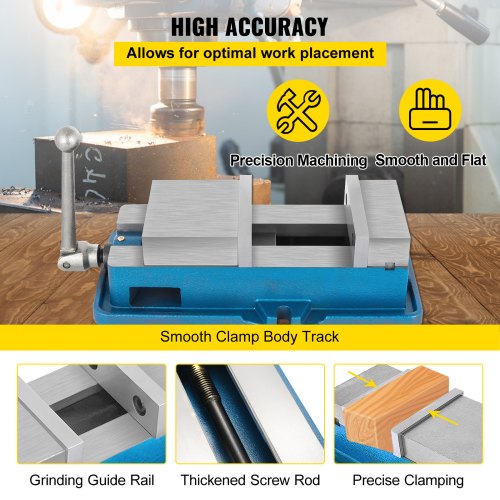
Vises And Fixtures
Vises hold items firmly in place for detailed work. They free your hands and keep parts from moving.
Fixtures help position pieces precisely during assembly. They ensure consistent angles and spacing every time.
- Choose vises with adjustable jaws for flexibility
- Use fixtures that match your project design
- Secure vises and fixtures to your workbench
Measuring Tools Integration
Combining clamps with measuring tools boosts precision. It helps you check alignment and spacing as you work.
Tools like rulers and squares fit well with clamps. They guide cuts and keep parts true to your plans.
- Attach rulers to clamps for quick measurements
- Use squares to check right angles before gluing
- Mark pieces clearly before clamping them down
Maintenance For Reliable Clamps
Clamps hold materials tightly to help you work precisely. To keep them strong and accurate, you must care for them well. Proper maintenance makes clamps last longer and work better.
Regular cleaning, checking for damage, and storing clamps right all help keep them ready. These simple steps save time and prevent problems during your projects.
Cleaning And Lubrication
Dirt and dust can block clamp parts. Clean your clamps often to stop this. Use a dry cloth or soft brush to remove debris from all surfaces.
Lubricate moving parts like screws or joints to keep them smooth. Use light machine oil or a silicone spray. Avoid heavy grease that can attract dirt.
- Wipe off dust and dirt regularly
- Apply oil to screws and sliding parts
- Remove old grease before applying new lubricant
- Use a dry cloth to prevent rust
Inspecting For Wear
Check clamps for damage before and after use. Look for cracks, bent parts, or stripped threads. These issues reduce clamp strength and safety.
Test the clamp’s grip by tightening it fully. It should hold firm without slipping. Replace or repair clamps that do not work well.
- Look for cracks or breaks in the frame
- Check screw threads for damage
- Make sure jaws close evenly
- Test clamp pressure before use
Storage Best Practices
Store clamps in a dry, clean place to stop rust and dirt buildup. Hang clamps on hooks or keep them in a toolbox to avoid damage.
Keep clamps separate from heavy tools that may bend or scratch them. Organize your clamps by size or type for easy access.
- Use wall hooks or racks for hanging clamps
- Keep clamps in a dry area away from moisture
- Separate clamps from heavy or sharp tools
- Group clamps by size and type for quick use
Frequently Asked Questions
What Types Of Clamps Are Best For Precision Work?
Bar clamps, C-clamps, and spring clamps are ideal for precision tasks. They offer firm grip and control without damaging materials. Choose clamps based on project size and material type for best results.
How Do Clamps Improve Accuracy In Woodworking?
Clamps hold pieces securely, preventing movement during cutting or gluing. This stability ensures clean edges and tight joints. Using clamps minimizes errors and enhances overall project precision.
Can Clamps Be Used On Delicate Materials?
Yes, clamps with padded jaws protect delicate surfaces. Soft grips prevent dents or scratches while maintaining a secure hold. Always adjust clamp pressure to avoid damaging fragile materials.
How To Choose The Right Clamp Size For Projects?
Select clamps slightly larger than your workpiece thickness. Proper size ensures even pressure and prevents slippage. Using too large or small clamps can reduce precision and damage materials.
Conclusion
Clamps ensure precision in your work. They offer stability and control. You can achieve cleaner cuts and more accurate measurements. This tool is essential for various projects. From woodworking to metalworking, it is vital. Choosing the right clamp is important.
Consider the size and type for your task. Practice using them regularly for better results. They save time and reduce errors. Investing in quality clamps pays off. They last longer and perform better. So, keep them handy for your projects.
Precision becomes easier with the right clamp.
