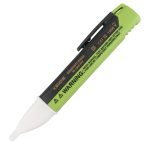
Are you about to use a voltage tester pen but worry about doing it safely? Handling electricity can be risky if you don’t take the right precautions.
With the right know-how, you can protect yourself and make sure your work is accurate every time. You’ll learn simple, clear steps to use a voltage tester pen safely. Keep reading to avoid common mistakes that could put you in danger and to gain confidence in checking electrical circuits like a pro.
Your safety is too important to leave to chance—let’s get it right.

Credit: scccltd.com
Choosing The Right Voltage Tester Pen
Using a voltage tester pen helps you check if wires have electricity. Picking the right tester is key for safety and accuracy.
This guide shows you different types, what to look for, and safety certifications.
Types Of Voltage Tester Pens
There are several voltage tester pens. Each works for different jobs and environments.
- Non-contact Voltage Tester:Detects voltage without touching wires. Good for quick checks.
- Contact Voltage Tester:Requires touching the wire. Gives precise voltage reading.
- Multifunction Tester Pen:Combines voltage detection with other features like continuity testing.
Key Features To Look For
Choose a tester pen that fits your needs. Check these important features before buying.
| Feature | Description |
| Voltage Range | Make sure the pen covers the voltage you will test. |
| Display Type | LED lights or digital screens show voltage levels clearly. |
| Power Source | Batteries should last long and be easy to replace. |
| Durability | Look for shockproof and waterproof designs for safety. |
| Size and Grip | Comfortable to hold and easy to use in tight spaces. |
Certifications And Safety Standards
Safety is important. Certified tester pens meet strict rules and protect you during use.
- CE Marking:Shows the pen meets European safety rules.
- UL Certification:Means it passed tests by the Underwriters Laboratories.
- CAT Ratings:Category ratings (CAT II, III, IV) tell you where it is safe to use.
- IEC Standards:International rules for electrical equipment safety.

Credit: gladkart.com
Preparing For Safe Testing
Using a voltage tester pen safely starts with good preparation. You must check your tools and surroundings before testing.
Following safety steps helps avoid accidents and ensures correct results. Learn how to prepare by inspecting the tester pen, wearing protective gear, and working safely.
Inspecting The Tester Pen
Before use, check the voltage tester pen for damage or wear. Look for cracks, loose parts, or missing caps. Make sure the battery is charged and the pen lights up properly.
- Check the pen’s tip for dirt or damage
- Test the pen on a known live wire to confirm it works
- Replace the battery if the light is weak or flickering
- Do not use the pen if it looks broken or faulty
Wearing Protective Gear
Protective gear lowers the risk of electric shock and injury. Always wear the right equipment before testing electrical circuits.
| Protective Gear | Purpose |
| Insulated gloves | Stop electric current from passing through your hands |
| Safety glasses | Protect eyes from sparks or debris |
| Rubber-soled shoes | Reduce risk of grounding and shock |
| Flame-resistant clothing | Prevent burns from electrical sparks |
Working In A Safe Environment
Make sure your workspace is free of hazards. Clear clutter and avoid wet or damp areas. Good lighting helps you see clearly.
- Turn off power when possible before testing
- Use insulated mats or platforms to stand on
- Keep tools organized and away from water
- Have a clear exit path in case of emergency
Proper Usage Techniques
Using a voltage tester pen safely is important to avoid accidents. This tool helps check if wires or devices have electricity.
Follow clear steps to use the tester pen correctly. This protects you and makes sure you get the right results.
Correct Handling Methods
Hold the voltage tester pen by its insulated handle. Avoid touching the metal tip or the test area.
Keep your fingers away from the tip during testing. This reduces the risk of electric shock.
- Turn off power before connecting the tester if possible
- Hold the pen steady during the test
- Use one hand to reduce electrical path through your body
- Wear rubber-soled shoes for extra safety
Testing Different Electrical Sources
Test voltage on wires, outlets, and switches with care. Each source may need a slightly different approach.
Check the tester’s instructions for guidance on testing AC or DC power. This ensures accurate readings.
- For outlets, insert the pen tip into the slot
- For wires, touch the exposed metal part carefully
- For switches, test terminals while the switch is on
- Always test a known live source first to check the pen’s function
Avoiding Common Mistakes
Do not rely on the pen if it shows no voltage without double-checking. The pen might be faulty or have dead batteries.
Never test voltage on wet surfaces or with wet hands. This can cause electric shock or damage to the tester.
- Do not use the tester on high voltage beyond its range
- Replace batteries regularly to keep the pen working
- Read the user manual before use
- Do not test damaged wires or equipment
Interpreting Tester Pen Results
Using a voltage tester pen is a simple way to check electrical circuits. Understanding the signals it shows is important for safety.
This guide explains how to read indicator signals, confirm voltage presence, and know when to check again or use other tools.
Reading Indicator Signals
Voltage tester pens use light or sound to show results. Different signals mean different things. Learn these signals before testing.
- A steady light usually means voltage is present.
- A blinking light may show weak or fluctuating voltage.
- No light often means no voltage or a dead battery in the tester.
- A beeping sound indicates voltage detection in many models.
Confirming Voltage Presence
After seeing a signal, confirm voltage presence by testing again. Use these tips to avoid mistakes.
| Action | Reason |
| Test a known live circuit | Check tester works properly |
| Test on different points | Verify voltage is consistent |
| Use tester’s battery check | Ensure battery is good |
| Wear insulated gloves | Stay safe during testing |
When To Recheck Or Use Additional Tools
Sometimes, the tester pen may not give clear results. Recheck if signals are weak or unclear.
- If the light is dim or flickering, test again after a short pause.
- Use a multimeter to measure exact voltage if unsure.
- Check tester pen battery and connections before concluding.
- Consult a professional for complex or high-voltage circuits.
Maintaining Your Voltage Tester Pen
Taking care of your voltage tester pen keeps it working well and safe to use. Simple maintenance helps the tool last longer.
Regular checks and cleaning make sure the pen gives correct readings. Store it properly to avoid damage.
Regular Cleaning And Storage
Clean your voltage tester pen after each use. Dirt and dust can block the sensors and affect performance.
Use a soft, dry cloth to wipe the pen. Avoid water or harsh chemicals that can harm it.
- Wipe the tip gently to remove any dust
- Keep the tester pen in a dry place
- Use a protective case for storage
- Do not store near strong magnets or heat sources
Battery Replacement Tips
Check the battery regularly to keep your tester pen working right. A weak battery can give false readings.
Replace batteries with the type recommended by the manufacturer. Use fresh batteries to avoid leakage.
- Open the battery compartment carefully
- Remove old batteries and dispose of them properly
- Insert new batteries following the correct polarity
- Close the compartment tightly to prevent dust entry
When To Replace The Tester Pen
Replace your voltage tester pen if it stops working correctly. Faulty tools can be dangerous and unreliable.
Signs to replace include cracked casing, broken parts, or inconsistent readings. Do not ignore safety warnings.
- Tester pen does not turn on
- Readings are unstable or wrong
- Physical damage like cracks or broken buttons
- Battery compartment is damaged or corroded
Emergency Procedures And Precautions
Using a voltage tester pen safely requires knowing what to do in emergencies. It also means taking steps to prevent accidents. This guide covers key safety tips and actions.
Always be alert and prepared. Understanding emergency procedures can save lives and reduce injury risks during electrical work.
Responding To Electrical Shocks
If someone gets an electrical shock, act fast but safely. Do not touch the person if they are still in contact with the electrical source.
- Turn off the power at the main switch or circuit breaker.
- Use a non-conductive object, like a wooden stick, to move the person away from the source.
- Call emergency services immediately.
- Check the person’s breathing and pulse.
- Perform CPR if trained and necessary.
- Keep the person calm and still until help arrives.
Avoiding Hazards During Testing
Prevent accidents by following safety rules while using a voltage tester pen. Always check the tool before use and wear safety gear.
- Inspect the voltage tester pen for damage before use.
- Wear rubber gloves and insulated shoes.
- Stand on a dry, non-conductive surface.
- Keep your hands dry and avoid touching metal parts.
- Test the pen on a known live circuit first to ensure it works.
- Never use the tester in wet or damp conditions.
Knowing When To Call A Professional
Some electrical issues need expert help. Do not risk injury or damage by trying to fix complex problems yourself.
| Signs to Call a Professional | Reason |
| Frequent circuit breaker trips | Possible wiring faults or overloads |
| Burning smells or scorch marks near outlets | Risk of fire or damaged wiring |
| Voltage tester pen shows no power but lights work | Possible tester fault or hidden wiring issues |
| Unfamiliar or complex electrical systems | Requires licensed electrician knowledge |
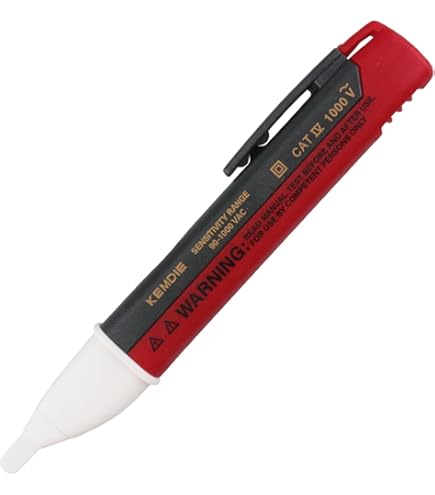
Credit: www.amazon.com
Frequently Asked Questions
What Is A Voltage Tester Pen Used For?
A voltage tester pen detects electrical voltage safely without contact. It helps identify live wires quickly, preventing electrical shocks. It’s essential for electricians and DIYers to verify power presence before working on circuits.
How Do I Use A Voltage Tester Pen Safely?
First, ensure the tester pen is working by testing it on a known live source. Hold the pen by its insulated handle. Bring the tip close to the wire or outlet without touching metal parts. Follow manufacturer instructions carefully for safe use.
Can Voltage Tester Pens Detect All Voltage Types?
Most voltage tester pens detect AC voltage commonly found in homes. Some advanced models detect DC voltage as well. Always check the tester’s specifications before use to ensure it matches your voltage type requirements.
What Safety Precautions Should I Take With Voltage Tester Pens?
Always wear insulated gloves and avoid wet conditions. Never rely solely on the tester; confirm with a second testing device if possible. Inspect the pen for damage before use. Follow all electrical safety guidelines to prevent accidents.
Conclusion
Using a voltage tester pen safely is crucial for home projects. Always check the pen before use. Ensure it’s working correctly to avoid mistakes. Follow safety guidelines to protect yourself. Pay attention to your surroundings. Avoid wet areas when testing.
Keep your hands dry. Prioritize safety over speed. Double-check readings to confirm accuracy. A voltage tester pen is a handy tool. But using it correctly is key. Practice these steps for safer electrical testing. This ensures peace of mind during projects.
Remember, safety first in every task.