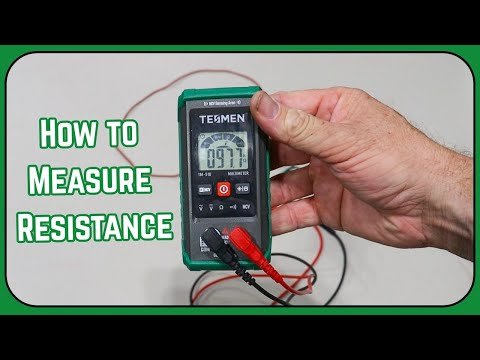
Are you struggling to get the exact resistance value of your wire? Knowing how to measure wire resistance accurately can save you time, prevent errors, and improve your projects.
Whether you’re working on electronics, wiring repairs, or DIY tasks, a precise reading makes all the difference. You’ll discover simple, effective techniques to measure wire resistance with confidence. Keep reading to unlock the secrets that professionals use and avoid common mistakes that could cost you.
Your next project deserves the best results—let’s make sure you get them!
Factors Affecting Wire Resistance
Wire resistance is the opposition to electric current flow. It depends on several key factors. Understanding these helps measure resistance accurately.
Knowing what affects wire resistance lets you control and predict how wires perform in circuits.
Material Properties
The type of material in a wire changes its resistance. Metals like copper and silver have low resistance. Others like iron have higher resistance.
Conductivity measures how easily electricity flows through a material. Higher conductivity means lower resistance.
- Copper has low resistance and high conductivity
- Aluminum is lighter but has more resistance than copper
- Steel wires have higher resistance due to lower conductivity
Wire Length And Diameter
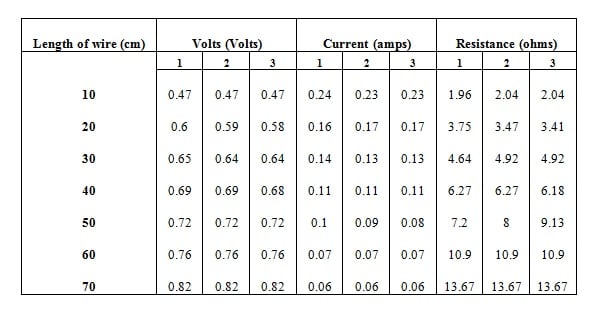
Resistance grows as wire length increases. Longer wires make it harder for current to flow.
Thicker wires have lower resistance. Larger diameter means more space for current to pass.
- Double the length doubles the resistance
- Doubling the diameter cuts resistance significantly
- Use short, thick wires to reduce resistance
Temperature Influence
Temperature changes affect wire resistance. Most metals increase resistance as temperature rises.
Cold wires have lower resistance. Warm wires show higher resistance. This can affect measurement accuracy.
- Higher temperature causes atoms to vibrate more
- More vibration blocks electron flow, increasing resistance
- Keep wires cool for more stable resistance readings
Connection Quality
Poor connections can add extra resistance. Loose or dirty contacts increase resistance readings.
Good connections ensure accurate measurement. Clean and tight contacts reduce resistance errors.
- Check for corrosion or dirt at connection points
- Use proper tools to tighten connections
- Test connections before measuring wire resistance
Credit: owlcation.com
Essential Tools For Measurement
Measuring wire resistance accurately needs the right tools. Using proper instruments helps get precise results.
This guide explains key tools that improve your resistance measurement quality.
Multimeter Selection
Choose a multimeter with high accuracy and low resistance range. A digital multimeter is best for wire resistance.
Check the resolution and measurement limits before buying. Some multimeters have a special mode for low resistance.
- Look for 4-wire measurement support
- Choose models with low test current for sensitive wires
- Check for auto-calibration features
Four-wire Kelvin Method
The Kelvin method uses four wires to measure resistance. It removes lead and contact resistance from the result.
Two wires carry current, and two sense voltage. This setup gives a more accurate reading for low resistance wires.
- Use a source to send current through the wire
- Measure voltage drop with separate sensing wires
- Calculate resistance using Ohm’s law
Using Lcr Meters
LCR meters measure inductance, capacitance, and resistance. They are useful for precise wire resistance checks.
These meters apply AC signals and measure response. They provide accurate resistance values even in complex circuits.
- Choose meters with good low resistance sensitivity
- Check if the meter supports four-wire measurements
- Use proper test frequencies for your wire type
Temperature Compensation Devices
Wire resistance changes with temperature. Use temperature compensation tools to get accurate readings.
Devices like temperature probes help adjust resistance values. This correction ensures measurements reflect true wire resistance.
- Attach temperature sensors near the wire
- Use formulas to adjust resistance by temperature
- Record temperature during measurement for accuracy
Preparing Wire For Testing
Measuring wire resistance accurately needs careful preparation. The wire must be ready to avoid errors.
Clean and handle the wire correctly. Avoid damage that can affect the test results.
Cleaning Contact Surfaces
Dirty or corroded contact points cause poor connections. Clean surfaces improve test accuracy.
- Use a soft cloth or fine sandpaper to remove dirt.
- Apply a small amount of contact cleaner if needed.
- Make sure surfaces are dry before testing.
Ensuring Proper Wire Handling
Hold the wire carefully to avoid adding resistance. Use tools designed for wire grips or clips.
| Handling Method | Benefit |
| Use alligator clips | Secure grip without damage |
| Hold by insulation | Prevents adding resistance |
| Avoid twisting wire | Maintains wire integrity |
Avoiding Mechanical Stress
Stress can change wire resistance. Avoid bending or stretching the wire during the test.
- Do not pull the wire tightly.
- Keep the wire straight and relaxed.
- Handle gently to prevent internal damage.
Step-by-step Measurement Techniques
Measuring wire resistance accurately is important for many electrical projects. You need the right tools and method to get good results.
This guide explains clear steps to measure wire resistance with precision and care.
Setting Up The Equipment
Start by gathering a reliable multimeter, test leads, and the wire sample. Make sure the multimeter has fresh batteries for steady readings.
Place the wire on a clean, dry surface. Avoid touching the wire with bare hands to reduce extra resistance.
Connecting The Leads Correctly
Attach the multimeter leads firmly to the wire ends. Correct contact is key for accurate resistance measurement.
- Use the multimeter’s resistance mode (Ω).
- Connect the red lead to one wire end.
- Connect the black lead to the other wire end.
- Hold the leads steady to avoid fluctuating readings.
Performing Multiple Readings
Take several readings to ensure consistent data. This step helps to spot errors or bad contacts.
- Measure the resistance three times or more.
- Record each reading carefully.
- Check if the readings are close to each other.
- If readings vary widely, clean the wire ends and try again.
Recording And Analyzing Data
Write down your resistance values clearly. Use a table to compare your results and find the average.
| Trial | Resistance (Ohms) |
| 1 | 0.75 |
| 2 | 0.78 |
| 3 | 0.76 |
| Average | 0.76 |
Minimizing Common Errors
Measuring wire resistance accurately is important for many electrical tasks. Errors can cause wrong readings and affect results.
Some common mistakes happen due to contact resistance, parasitic effects, and temperature changes. Avoiding these helps get precise data.
Reducing Contact Resistance
Contact resistance can add extra resistance and change measurements. It happens at points where probes touch the wire.
- Use clean and smooth contact surfaces
- Apply firm but not excessive pressure on probes
- Use four-wire (Kelvin) measurement method to cancel contact resistance
- Check and replace corroded connectors
- Avoid twisting or bending the wire near contacts
Avoiding Parasitic Inductance And Capacitance
Parasitic inductance and capacitance can affect resistance readings at higher frequencies. They come from wire loops and nearby conductors.
| Cause | Effect | How to Reduce |
|---|---|---|
| Large wire loops | Higher inductance | Keep wires straight and short |
| Close parallel wires | Increased capacitance | Space wires apart |
| Nearby metal objects | Unwanted coupling | Use shielding or isolate wires |
Accounting For Temperature Variations
Temperature changes can affect wire resistance. Resistance usually rises with temperature.
- Measure temperature during testing
- Use temperature compensation formulas or charts
- Allow wire to reach stable temperature before measuring
- Avoid measuring near heat sources or in direct sunlight
- Use wires with low temperature coefficient if possible

Credit: wiki.analog.com
Advanced Tips For Precision
Measuring wire resistance accurately is important for many electrical projects. Small errors can cause big problems in circuits.
Use these advanced tips to get precise resistance readings. They help reduce mistakes and improve your results.
Using Bridge Circuits
Bridge circuits balance electrical paths to find unknown resistance. They compare the wire resistance to known values.
This method reduces errors from wire length and contact resistance. Wheatstone bridges are common for this purpose.
- Connect the wire in one arm of the bridge
- Adjust known resistors until the meter shows zero
- Calculate the unknown resistance from the balanced settings
Implementing Averaging Techniques
Taking multiple resistance readings improves accuracy. Small changes in conditions can affect one reading.
Average the results to reduce random errors and get a reliable value. This works well for unstable signals.
- Measure resistance several times in the same setup
- Write down all the results carefully
- Add all readings and divide by the number of measurements
- Use the average as the final resistance value
Calibrating Instruments Regularly
Calibration keeps your measuring tools accurate. Instruments can drift over time and give wrong readings.
Check your meter against known resistors often. Adjust or service your device as needed to keep precision.
- Use standard resistors with certified values for calibration
- Calibrate before important measurements
- Follow manufacturer instructions for calibration procedures
- Keep a log of calibration dates and results
Credit: www.keysight.com
Frequently Asked Questions
What Tools Are Needed To Measure Wire Resistance Accurately?
To measure wire resistance accurately, use a digital multimeter or an ohmmeter. Ensure the device is calibrated and set to the correct resistance range. Use proper test leads and avoid touching them during measurement to prevent errors.
How Does Wire Length Affect Resistance Measurement?
Wire resistance increases with length because longer wires have more material for current to pass through. Always measure resistance over a known length for accuracy. Use consistent units and avoid coiling wire during measurement.
Why Is Temperature Important In Wire Resistance Measurement?
Temperature affects wire resistance; higher temperatures increase resistance. Measure resistance at a stable temperature or apply temperature correction factors. This ensures your readings reflect the wire’s true resistance under normal conditions.
How To Minimize Contact Resistance During Measurement?
Use clean, tight connections and proper probes to minimize contact resistance. Avoid oxidized or dirty wire ends. Applying consistent pressure on test leads helps reduce errors and improves measurement reliability.
Conclusion
Accurate wire resistance measurement ensures reliable electrical systems. Use proper tools for precision. Practice safety when dealing with electricity. Calibration of equipment is crucial. Always follow manufacturer guidelines. Regular checks prevent costly errors. Consistency in methods aids in accuracy. Understanding resistance helps in troubleshooting.
Learning these basics improves your skills. Keep practicing for better results. Happy measuring!