Are you tired of dealing with noisy pipes or leaks that just won’t stop? The right plumbing pipe clamps can make all the difference in keeping your pipes secure and your home safe.
Whether you’re a DIY enthusiast or just want to understand what’s holding your plumbing together, this guide will walk you through everything you need to know. From choosing the best clamps for your needs to simple tips for installation, you’ll gain the confidence to handle your plumbing like a pro.
Ready to stop worrying about faulty pipes? Let’s dive in and discover how the right pipe clamps can save you time, money, and stress.

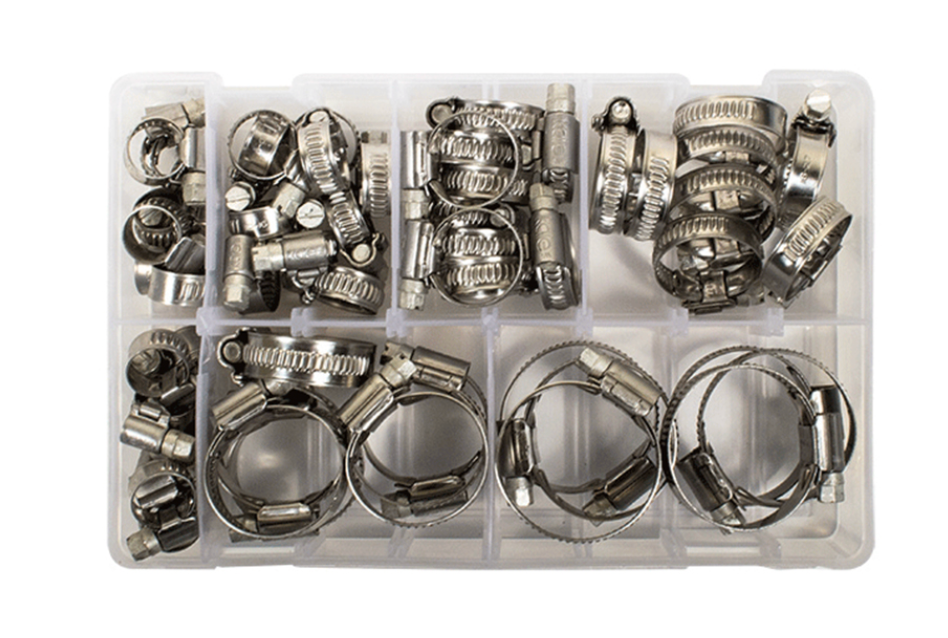
Credit: www.thehosemaster.co.uk
Types Of Plumbing Pipe Clamps
Plumbing pipe clamps hold pipes in place securely. They prevent movement and reduce noise. Different clamps suit various pipe types and installation needs.
Choosing the right clamp helps protect pipes and ensures a stable plumbing system. Here are common types used in plumbing work.
Standard Clamps
Standard clamps are simple bands that wrap around a pipe. They fasten the pipe to a solid surface using screws or bolts. These clamps are common for general plumbing tasks.
U-bolts
U-bolts have a U-shaped design with threaded ends. They fit around pipes and attach to surfaces with nuts. U-bolts are strong and used for heavy or large pipes.
Saddle Clamps
Saddle clamps cover a pipe like a saddle. They have a curved top and flat base. These clamps hold pipes firmly and are often used with smaller pipes.
- Easy to install
- Provide stable support
- Protect pipe surface
Beam Clamps
Beam clamps attach pipes to beams or structural elements. They hook around a beam and hold the pipe below. This clamp type is used in construction and industrial plumbing.
Cushioned Clamps
| Feature | Benefit |
|---|---|
| Rubber lining | Reduces vibration and noise |
| Soft grip | Protects pipe from damage |
| Secure hold | Prevents pipe movement |
Cushioned clamps have a rubber or plastic lining. This lining cushions pipes to lower noise and wear. They are ideal for metal or plastic pipes in homes and buildings.
Choosing The Right Clamp Material
Plumbing pipe clamps hold pipes securely in place. Choosing the right clamp material helps prevent damage and lasts longer.
Different materials work better for certain pipes and environments. Consider strength, corrosion resistance, and cost.
Stainless Steel
Stainless steel clamps are strong and resist rust well. They work great in wet or outdoor areas.
They are durable and fit many pipe types. Stainless steel clamps can handle high pressure and heat.
Plastic And Nylon
Plastic and nylon clamps are lightweight and easy to install. They resist corrosion from water and chemicals.
These clamps suit indoor pipes and low-pressure systems. They are less strong than metal clamps but cost less.
Galvanized Steel
Galvanized steel clamps have a zinc coating that prevents rust. They are affordable and strong enough for many pipes.
These clamps work well in dry or mildly wet places. Avoid using them in very wet or salty environments.
Copper
Copper clamps resist corrosion and conduct heat well. They match copper pipes for a neat, uniform look.
Copper clamps are softer than steel, so they suit low-pressure pipes. They cost more but last long in the right setting.
Sizing Pipe Clamps Correctly
Choosing the right size pipe clamp is essential for secure plumbing. It ensures the pipe stays in place without damage.
Incorrect sizing can lead to leaks or pipe movement. This guide helps you measure and select the correct clamp size.
Measuring Pipe Diameter
Measure the pipe diameter accurately before selecting a clamp. Use a caliper or tape measure for the outside diameter.
- Measure the pipe’s outer diameter (OD).
- Do not use the inner diameter (ID) for clamp sizing.
- Check the measurement twice for accuracy.
- Round up to the nearest standard clamp size.
Allowing For Expansion
Pipes expand and contract with temperature changes. Your clamp must allow room for this movement.
| Material | Expansion Rate | Clamp Fit Recommendation |
| PVC | High | Choose a slightly larger clamp size |
| Copper | Moderate | Allow minimal extra space |
| Steel | Low | Fit clamp snugly |
Weight Support Considerations
Clamps must support the pipe’s weight and contents. Stronger clamps suit heavier pipes and fluids.
- Use heavy-duty clamps for large or metal pipes.
- Space clamps closer together for heavier pipes.
- Check clamp load ratings before purchase.
Tools Needed For Installation
Installing plumbing pipe clamps requires some basic tools. Having the right tools makes the job easier and faster.
This guide covers essential tools for installing pipe clamps safely and correctly.
Wrenches And Screwdrivers
Wrenches help tighten or loosen nuts and bolts on pipe clamps. Screwdrivers secure screws firmly in place.
Use adjustable wrenches for different bolt sizes. Phillips and flathead screwdrivers fit most clamp screws.
- Adjustable wrench for bolts
- Phillips screwdriver for cross-head screws
- Flathead screwdriver for slotted screws
Drills And Anchors
Drills create holes in walls or surfaces to attach pipe clamps. Anchors hold screws tightly in drywall or masonry.
Choose the right drill bit size for anchors. Use plastic or metal anchors based on wall type.
- Electric drill with variable speed
- Drill bits matching anchor size
- Plastic anchors for drywall
- Metal anchors for concrete or brick
Measuring Instruments
Measuring tools help place pipe clamps accurately. They ensure pipes are level and spaced correctly.
Use a tape measure to check distance. A spirit level keeps pipes straight during installation.
- Tape measure for length and spacing
- Spirit level for horizontal alignment
- Marker or pencil to mark drill points
Step-by-step Installation Process
Installing plumbing pipe clamps correctly is important for a secure fit. This guide shows the steps to do it right.
Follow these instructions to place and secure pipe clamps safely and neatly in your plumbing system.
Marking Clamp Positions
Start by deciding where each pipe clamp will go. Mark the exact spots on the surface before drilling.
Place the pipe in position and use a pencil or marker to show where the clamps should be fixed.
- Measure pipe length and spacing between clamps
- Mark points evenly to support the pipe
- Ensure marks align with wall studs or solid surface
Securing Clamps To Surfaces
Drill holes on the marks and attach the clamps using screws or bolts. Use the right tools for a tight hold.
Make sure the clamp base sits flat against the surface to avoid pipe movement or damage.
- Use a drill bit matching screw size
- Insert anchors if mounting on drywall or masonry
- Tighten screws but do not overtighten
Aligning Pipes Properly
Place the pipe into the clamps and check its alignment. Pipes should be straight without bends or gaps.
Adjust the pipe position before tightening clamps fully to keep the plumbing system smooth.
- Check that pipes run parallel or at correct angles
- Ensure pipes rest evenly inside clamps
- Use a level tool for straight alignment
Final Tightening And Inspection
Tighten all clamps firmly around the pipes. Do not overtighten to avoid crushing the pipe.
Inspect each clamp and pipe connection. Make sure everything is secure and stable before use.
- Use a wrench or screwdriver for final tightening
- Check for any pipe movement or looseness
- Confirm clamps are evenly spaced and flush
Common Installation Mistakes To Avoid
Installing plumbing pipe clamps seems simple but often causes problems. Avoiding common mistakes helps keep pipes secure and safe.
This guide covers three key errors many make. Fixing these will improve your plumbing work.
Over-tightening Clamps
Tightening clamps too much can damage pipes. It can cause cracks or deform the pipe shape.
Use just enough force to hold the pipe firmly. Check manufacturer guidelines for torque limits.
- Excess pressure can break plastic pipes
- Metal pipes may dent if clamps are too tight
- Too tight clamps reduce pipe lifespan
Incorrect Clamp Placement
Placing clamps in the wrong spots causes poor support. Pipes may sag or move unexpectedly.
Always place clamps near joints and bends. This prevents stress and keeps pipes stable.
- Clamps too far apart allow pipe sagging
- Placing clamps near flexible sections improves hold
- Avoid placing clamps on pipe insulation
Ignoring Pipe Movement
Pipes expand and contract with temperature changes. Clamps must allow some movement to avoid damage.
Use clamps designed to handle pipe movement. Do not fix pipes rigidly in one position.
- Rigid clamps cause pipe stress and cracks
- Allow small gaps for pipe expansion
- Use cushioned clamps to reduce vibration damage
Maintaining And Inspecting Clamps
Plumbing pipe clamps hold pipes firmly in place. Keeping them in good shape is important for safe plumbing.
Regular checks help catch issues early. This guide covers how to maintain and inspect pipe clamps.
Regular Tightness Checks
Loose clamps can cause pipe movement and leaks. Check the tightness often to avoid problems.
- Use a screwdriver or wrench to test clamp tightness.
- Do not overtighten to avoid damaging pipes.
- Retighten clamps if you find any looseness.
- Inspect clamps after heavy vibrations or shocks.
Signs Of Wear And Corrosion
Clamps can wear out or rust over time. Watch for these warning signs to maintain safety.
- Rust or discoloration on metal parts
- Cracks or bends in the clamp body
- Loose or missing screws
- Unusual noises near the clamp area
Replacing Damaged Clamps
Damaged clamps need quick replacement. Use the right size and type for your pipes.
| Damage Type | Action Needed |
| Rusty clamp | Replace with corrosion-resistant clamp |
| Bent or cracked clamp | Remove and install a new clamp |
| Loose screws | Replace screws or entire clamp if needed |
| Missing parts | Buy matching clamp set for replacement |
Credit: www.familyhandyman.com
Special Considerations For Different Pipe Types
Pipe clamps secure pipes to walls or ceilings. Different pipe materials need different clamp types. Choosing the right clamp keeps pipes safe and prevents damage.
Each pipe type has unique features. Metal, plastic, and composite pipes require special care for clamping. This guide explains key points for each type.
Metal Pipes
Metal pipes are strong but can expand and contract with temperature changes. Clamps must allow some movement to avoid stress on the pipe.
- Use cushioned clamps to reduce metal-to-metal contact.
- Choose clamps with corrosion-resistant coatings.
- Allow space for thermal expansion.
- Secure clamps firmly but avoid over-tightening.
Plastic Pipes
Plastic pipes are lightweight and flexible. They expand more than metal pipes. Clamps need to hold pipes gently to prevent cracks.
| Consideration | Recommendation |
|---|---|
| Expansion | Use clamps that allow sliding or have flexible inserts |
| Pressure | Do not overtighten; use cushioned clamps |
| Support spacing | Place clamps closer together to prevent sagging |
Composite Pipes
Composite pipes combine materials like plastic and metal layers. They need clamps that protect all layers and allow some pipe movement.
- Choose clamps with soft liners to avoid damaging outer layers.
- Check compatibility with both metal and plastic parts.
- Use clamps designed for mixed-material pipes.
- Inspect clamps regularly for wear or damage.
Credit: www.familyhandyman.com
Frequently Asked Questions
What Are Plumbing Pipe Clamps Used For?
Plumbing pipe clamps secure pipes firmly to walls or surfaces. They prevent movement, reduce vibrations, and protect against damage. Clamps ensure proper alignment and support, improving plumbing system stability and longevity.
How To Choose The Right Pipe Clamp Size?
Select a pipe clamp matching your pipe’s diameter. Measure the pipe accurately and pick a clamp with compatible dimensions. Proper size ensures a tight fit without damaging the pipe, enhancing support and safety.
What Materials Are Common For Pipe Clamps?
Pipe clamps come in stainless steel, plastic, and galvanized steel. Stainless steel offers durability and corrosion resistance. Plastic clamps are lightweight and ideal for non-metal pipes. Galvanized steel provides moderate strength and rust protection.
Can Pipe Clamps Prevent Pipe Noise?
Yes, pipe clamps reduce noise by minimizing pipe vibrations. Using cushioned or rubber-lined clamps further dampens sound. Properly installed clamps keep pipes stable, reducing noise caused by movement or water flow.
Conclusion
Understanding plumbing pipe clamps is essential for successful installations. These clamps ensure pipes stay secure and prevent leaks. Choose the right clamp type for your specific needs. Materials, size, and compatibility are key factors. Always prioritize safety when working with plumbing.
Proper installation extends the life of your plumbing system. Now, you have the knowledge to choose wisely. Remember, a small step today can save big troubles tomorrow. Keep this guide handy for future reference. Enjoy the peace of mind with a well-secured plumbing system.