Are you unsure how to measure electrical current safely and accurately? Using a clamp meter is one of the easiest ways to do this without disconnecting wires or turning off power.
But if you’ve never used one before, it can feel confusing and overwhelming. Don’t worry—this guide will walk you through each step clearly and simply. By the end, you’ll feel confident handling your clamp meter and getting precise current readings every time.
Keep reading to discover how to make your electrical measurements quick, safe, and hassle-free.
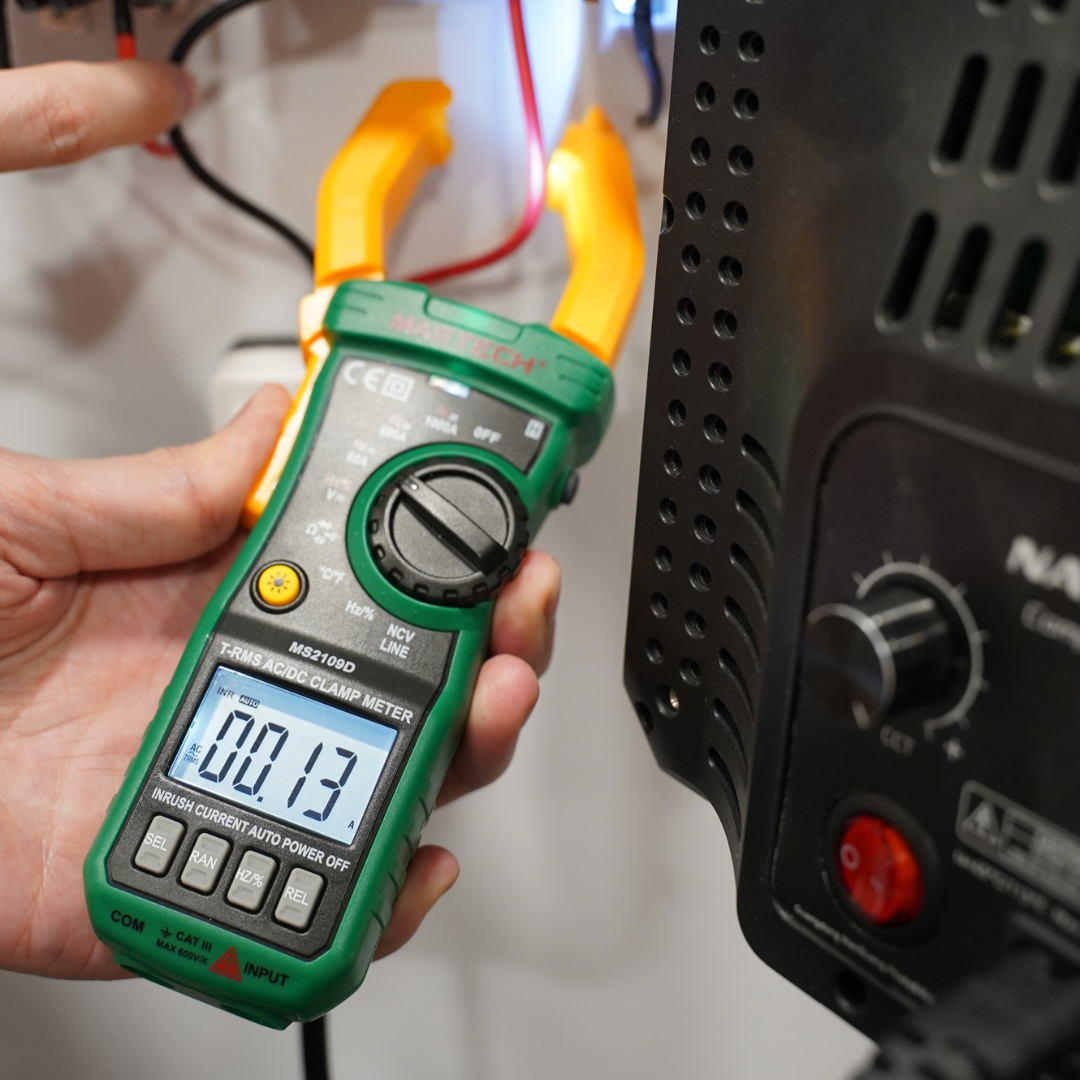
Credit: www.mastech-group.com
Choosing The Right Clamp Meter
Measuring current with a clamp meter is simple and safe. Picking the right clamp meter helps you get accurate results.
There are different types of clamp meters. Key features also matter when choosing the best one for your needs.
Types Of Clamp Meters
Clamp meters come in several types. Each type works best for specific tasks and environments.
- Basic Clamp Meters: Measure AC current only. Good for simple jobs.
- True RMS Clamp Meters: Measure AC and DC current accurately. Best for complex signals.
- Digital Clamp Meters: Show readings on a digital screen. Easy to read and use.
- Analog Clamp Meters: Use a needle display. Less common but useful for quick checks.
Key Features To Consider
Look for important features to get the right clamp meter. They make your work easier and safer.
- Current Range: Choose a meter with a range that covers your expected current.
- Jaw Size: Make sure the clamp jaw fits around the wire or cable size.
- Display Type: Digital displays are easier to read than analog ones.
- Accuracy: Higher accuracy means better measurement results.
- Additional Functions: Some meters measure voltage, resistance, or frequency.
- Safety Ratings: Check for proper safety standards for your work environment.
- Battery Life: Longer battery life helps during extended use.
Preparing For Measurement
Measuring current with a clamp meter needs careful preparation. Proper setup ensures accurate and safe readings.
Follow these guidelines before starting your measurement to avoid mistakes and accidents.
Safety Precautions
Always prioritize safety when using a clamp meter. Electric currents can be dangerous if not handled correctly.
- Wear insulated gloves to protect against shocks.
- Make sure the meter is rated for the current range you expect.
- Check the clamp meter for any damage before use.
- Avoid touching live wires directly.
- Keep your hands dry and stand on a non-conductive surface.
Setting Up The Meter
Proper setup of your clamp meter helps get correct current readings. Follow these steps to prepare the meter.
| Setup Step | Description |
| Power On | Turn on the clamp meter and check the display. |
| Select Mode | Set the meter to measure AC or DC current as needed. |
| Zero the Meter | Adjust to zero if the meter requires calibration. |
| Open Clamp | Make sure the clamp opens fully to fit around the conductor. |
| Check Battery | Confirm the battery level is sufficient for the session. |
Measuring Current Step-by-step
Using a clamp meter to measure current is easy and safe. You do not need to disconnect wires or turn off power.
This guide shows you how to position the clamp and read the display for accurate results.
Positioning The Clamp
Proper clamp placement is important for a correct current reading. Follow these steps to position the clamp meter:
- Turn on the clamp meter and set it to the correct current type (AC or DC).
- Open the clamp jaws by pressing the lever.
- Place the clamp around a single conductor wire only, not a cable with multiple wires.
- Ensure the jaws fully close around the wire without any gaps.
- Avoid clamping around the ground wire or neutral, as this may give incorrect readings.
Reading The Display
After positioning the clamp, check the meter display for the current measurement. The display shows the electric current in amperes.
| Display Element | Description |
| Numeric Value | Shows the current flowing through the conductor. |
| Unit Symbol | Usually “A” for amperes, indicates the measurement unit. |
| Mode Indicator | Shows if the meter is in AC or DC mode. |
| Hold Button | Freezes the displayed value for easy reading. |

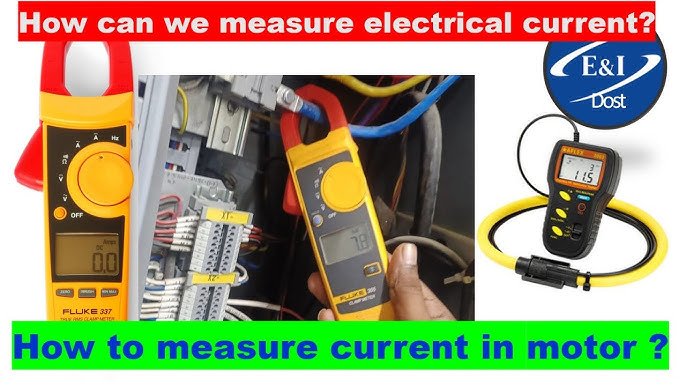
Credit: www.youtube.com
Tips For Accurate Readings
Using a clamp meter to measure current is easy if you follow simple tips. Accurate readings help you understand electrical systems better.
Small mistakes can cause wrong readings. Learn how to avoid these mistakes and keep your meter calibrated for the best results.
Avoiding Common Mistakes
Hold the clamp meter correctly around a single wire. Clamping around multiple wires will give false readings.
Make sure the meter is set to the right current type: AC or DC. Using the wrong setting changes the reading.
- Clamp around one conductor only
- Set meter to AC or DC correctly
- Keep hands steady during measurement
- Do not measure near magnetic fields
- Check battery level before use
Calibrating The Meter
Calibration keeps your clamp meter accurate over time. Follow the manufacturer’s guide to calibrate regularly.
Use a known current source or a calibration device to check the meter’s accuracy. Adjust the meter if readings are off.
- Calibrate at least once a year
- Use a certified calibration tool
- Store meter in a dry, safe place
- Replace batteries before calibration
- Record calibration dates and results
Advanced Techniques
Using a clamp meter to measure current can be simple. Advanced techniques help get accurate results in complex situations.
This guide explains how to measure AC and DC current correctly. It also shows how to use data logging features on clamp meters.
Measuring Ac Vs Dc Current
Clamp meters measure AC current easily because of its changing magnetic field. DC current does not change direction, so it is harder to measure.
Use a clamp meter that supports DC measurement. It often uses Hall effect sensors to detect steady magnetic fields from DC current.
- For AC, clamp the meter around one wire only.
- For DC, ensure the clamp meter supports DC current.
- Clamp around a single conductor, not a cable with multiple wires.
- Zero the meter before measuring DC current to reduce errors.
Using Data Logging Features
Some clamp meters can record current readings over time. This helps track changes and find patterns in electrical systems.
Data logging is useful for spotting intermittent faults or load changes. You can download the recorded data to a computer for analysis.
- Set the logging interval before starting the measurement.
- Clamp the meter on the wire and start logging.
- Leave the meter connected for the needed time.
- Transfer data to software for charts and reports.

Credit: m.youtube.com
Frequently Asked Questions
What Is A Clamp Meter Used For?
A clamp meter measures electric current without disconnecting the circuit. It clamps around a wire and reads current flow safely and quickly.
How Do You Measure Current With A Clamp Meter?
Open the clamp, place it around one conductor, and close it. Set the meter to the correct current range, then read the display.
Can Clamp Meters Measure Ac And Dc Current?
Most clamp meters measure AC current easily. Some advanced models can also measure DC current accurately, but check your meter’s specifications.
Is It Safe To Use A Clamp Meter On Live Wires?
Yes, clamp meters are designed for safe use on live wires. They measure current without direct contact, reducing the risk of electric shock.
Conclusion
Measuring current with a clamp meter is simple and efficient. Anyone can learn this basic skill. Start by selecting the right meter for your needs. Next, follow safety guidelines to protect yourself. Always ensure the meter is set correctly. Properly position the clamp around the wire.
Then, read the current displayed on the screen. Regular practice improves accuracy. With these steps, you gain confidence in using a clamp meter. Troubleshooting electrical issues becomes easier. This tool helps maintain electrical systems safely and effectively. Measuring current becomes less daunting.
You achieve better results every time.