Are you struggling to work with delicate wood without leaving marks or dents? Using a mallet might seem simple, but if you’re not careful, it can easily damage your project.
The good news is, with the right techniques, you can protect your wood and get perfect results every time. You’ll discover easy tips that help you handle a mallet like a pro—keeping your delicate wood safe and your work flawless.
Ready to improve your woodworking skills and avoid costly mistakes? Keep reading!
Credit: www.trivantage.com
Choosing The Right Mallet
Using a mallet with delicate wood needs care and the right tool. Picking the right mallet helps protect the wood from damage. It also gives better control for precise work.
This guide covers types of mallets, material choices, and size and weight factors. These tips help you select a mallet that suits delicate wood projects.
Types Of Mallets For Delicate Wood
There are several mallet types used with delicate wood. Each type offers different softness and impact control. Choosing the right type reduces dents and marks.
- Rawhide Mallets:Soft heads that absorb shock and avoid deep marks.
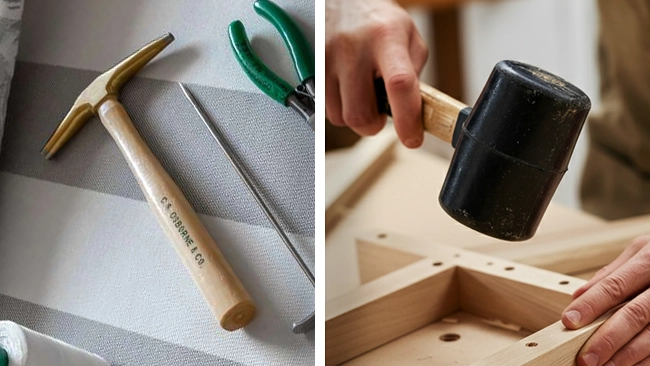
- Rubber Mallets:Provide gentle force and good bounce back.
- Wooden Mallets:Traditional choice, usually made from hardwood with smooth faces.
- Plastic Mallets:Lightweight and gentle, good for small delicate tasks.
Material Considerations
The mallet head material affects how much force transfers to the wood. Softer materials reduce dents and surface damage. The handle material also matters for comfort and control.
| Material | Impact on Wood | Durability |
|---|---|---|
| Rawhide | Very soft, protects delicate surfaces | Moderate, needs care |
| Rubber | Soft, good shock absorption | High, lasts long |
| Wood | Firm, can leave marks if hard | High, sturdy |
| Plastic | Soft to medium, gentle hits | Moderate, can wear |
Size And Weight Factors
Choosing the right size and weight helps control each strike. Too heavy can damage wood, too light may need more hits. Balance is key for delicate work.
- Smaller mallets offer better control on fine details.
- Medium weight mallets deliver steady force without overstriking.
- Longer handles add leverage but can reduce precision.
- Try different sizes to find what fits your hand and project.
Preparing The Wood Surface
Using a mallet with delicate wood requires careful preparation. The wood surface must be ready to avoid dents and marks.
Proper preparation helps protect the wood and makes your work easier and cleaner.
Cleaning And Smoothing
Start by cleaning the wood surface to remove dust, dirt, and oils. Use a soft cloth or brush for gentle cleaning.
- Wipe the wood with a damp cloth and mild soap if needed.
- Dry the surface completely before working.
- Lightly sand with fine-grit sandpaper to smooth rough spots.
- Remove sanding dust with a soft brush or vacuum.
Marking Work Areas
Mark your work areas clearly to guide your mallet strikes. Use pencil marks that are easy to see but light enough to erase.
| Marking Tool | Best Use | Removal Method |
| Pencil | Temporary guidelines | Sandpaper or eraser |
| Chalk | Quick marks for rough work | Brush or cloth |
| Masking Tape | Protect edges and mark borders | Peel off gently |
Using Protective Layers
Protective layers prevent damage from the mallet’s impact. Use soft materials between the mallet and wood.
- Place a thin leather or rubber pad on the wood surface.
- Use a scrap piece of soft wood or cloth as a buffer.
- Check protective layers often and replace if worn.
Proper Grip And Swing
Using a mallet with delicate wood needs care. A good grip and swing keep the wood safe.
Learn simple ways to hold the mallet and control your strikes. This helps avoid damage.
Hand Positioning Techniques
Hold the mallet near the end of the handle. This gives you better control and balance.
- Wrap your fingers firmly but not too tight.
- Keep your thumb along the handle for stability.
- Use your wrist to guide the swing, not just your arm.
Controlling Force And Impact
Delicate wood needs light taps. Too much force can cause dents or cracks.
| Force Level | When to Use |
| Light | Shaping and fine adjustments |
| Medium | Removing small amounts of wood |
| Heavy | Not recommended for delicate wood |
Maintaining Consistent Rhythm
Keep your strikes steady and even. This helps prevent sudden damage to the wood.
Try this simple rhythm practice:
- Hold the mallet with a relaxed grip.
- Tap gently on a soft surface in a steady beat.
- Focus on keeping the taps even in force and timing.
- Slowly increase speed while keeping control.

Credit: m.youtube.com
Preventing Damage To Delicate Wood
Using a mallet on delicate wood needs care and attention. The goal is to avoid any harm to the wood surface or structure.
Small mistakes can cause cracks or splinters. The right technique helps protect the wood while getting the job done.
Avoiding Splintering And Cracks
Splintering and cracks happen when too much force hits the wood. Use a soft mallet head made of rubber or rawhide. This spreads the impact and lowers damage risk.
- Choose mallets with soft, non-marring heads.
- Hold the wood firmly to reduce movement.
- Strike gently and steadily to avoid sharp impacts.
- Check wood grain and strike along it, not against it.
Using Tap And Test Strikes
Tap and test strikes let you feel how the wood reacts. Start with light taps before stronger hits. This shows if the wood can take more force safely.
Listen for changes in sound or watch for shifts in wood. Stop if you see any sign of stress.
Employing Cushioning Methods
Cushioning protects the wood by softening the mallet’s blow. Use materials like leather, felt, or cloth between the mallet and wood.
| Cushion Material | Benefit |
| Leather | Durable and soft, absorbs impact well |
| Felt | Soft layer that reduces shock |
| Cloth | Easy to replace and protects surface |
Maintenance And Care For Mallets
Proper care keeps your mallet in good shape. It also protects delicate wood from damage.
Simple maintenance steps extend the life of your mallet and improve its performance.
Cleaning After Use
Clean your mallet right after use. Remove dirt and wood dust gently with a soft cloth.
- Use a dry cloth to wipe the surface
- For sticky spots, dampen cloth slightly with water
- Avoid using harsh chemicals or soaking the mallet
- Dry the mallet completely before storing
Checking For Wear And Tear
Inspect your mallet regularly. Look for cracks, dents, or loose parts that can affect work.
| Issue | What to Look For | Action |
| Cracks | Lines or splits in the wood | Stop using until repaired |
| Dents | Deep marks on the striking face | Smooth with fine sandpaper |
| Loose Head | Wobbly or shifting mallet head | Tighten or replace handle |
Storing Properly
Store your mallet in a dry place. Avoid areas with high humidity or extreme temperatures.
- Keep mallet off the floor to prevent moisture damage
- Use a tool rack or hang it by the handle
- Cover with a cloth to protect from dust
- Check storage area regularly for pests

Credit: www.youtube.com
Advanced Techniques
Using a mallet with delicate wood needs care and skill. Advanced techniques help protect the wood and improve results.
These tips focus on combining tools, adjusting for wood types, and fixing common problems.
Combining Mallet Use With Other Tools
Pairing a mallet with other tools can increase control. It helps avoid damage to delicate wood.
Use the mallet to gently tap chisels or carving knives. This reduces force and prevents splitting.
- Use a wooden or rubber mallet to soften impact
- Hold chisels at correct angles to guide cuts
- Combine with clamps to hold wood steady
- Use a soft-faced hammer for fine adjustments
Adjusting Techniques For Different Wood Types
Different woods need different mallet techniques. Hard woods require firmer strikes. Soft woods need gentle taps.
Always test on scrap wood before working on the main piece. This helps adjust the force and angle.
- Use softer mallets for softwoods like pine or cedar
- Use heavier mallets for hardwoods like oak or maple
- Adjust strike speed based on wood grain direction
- Work slowly with wet or green wood to avoid dents
Troubleshooting Common Issues
Sometimes mallet use causes problems like dents or splits. Fix these quickly to save your project.
Use light taps to repair small dents. If wood splits, stop and assess before continuing.
- Replace hard mallets with softer ones if dents appear
- Check tool sharpness to reduce force needed
- Use wood filler for minor dents or scratches
- Clamp and glue splits carefully before resuming work
Frequently Asked Questions
What Type Of Mallet Is Best For Delicate Wood?
A rubber or rawhide mallet is ideal for delicate wood. It minimizes impact damage and prevents dents or scratches. These mallets provide controlled force, preserving the wood’s surface and grain during woodworking tasks.
How To Avoid Damaging Delicate Wood With A Mallet?
Use light, controlled taps instead of heavy strikes. Always test on scrap wood first. Ensure the mallet head is clean and smooth to prevent marks. Supporting the wood properly also reduces the risk of damage.
Can I Use A Wooden Mallet On Delicate Wood?
Yes, a wooden mallet can be used if it has a soft, smooth face. Avoid hard or rough wooden mallets, which may cause dents. Choose a mallet with a larger head for better force distribution.
How To Maintain A Mallet For Woodworking?
Keep the mallet head clean and smooth to avoid wood damage. Store it in a dry place to prevent warping. Regularly inspect for cracks or splinters and replace if worn out for consistent performance.
Conclusion
Using a mallet on delicate wood requires care and precision. Always choose a soft mallet to protect the wood’s surface. Practice gentle taps to avoid any damage. Patience is key. Take your time to ensure accuracy. Keep your tools clean and in good condition.
This helps maintain the wood’s integrity. Remember to always work in a well-lit area. Visibility helps prevent mistakes. Respect the wood’s nature and character. Handle it with the sensitivity it deserves. These tips can help achieve beautiful, lasting results with delicate wood projects.