When working with delicate wood, using a mallet might seem tricky. You want to shape or join pieces without leaving dents or cracks.
But how can you apply just the right amount of force every time? You’ll discover simple yet effective tips to handle a mallet with care and confidence. By the end, you’ll feel ready to protect your wood and get the best results on your project.
Keep reading to learn how to make your woodwork smoother and more precise.

Credit: m.youtube.com
Choosing The Right Mallet
Using a mallet on delicate wood needs care. The wrong mallet can damage the wood surface.
Picking the right mallet helps protect the wood and make your work easier.
Types Of Mallets For Delicate Wood
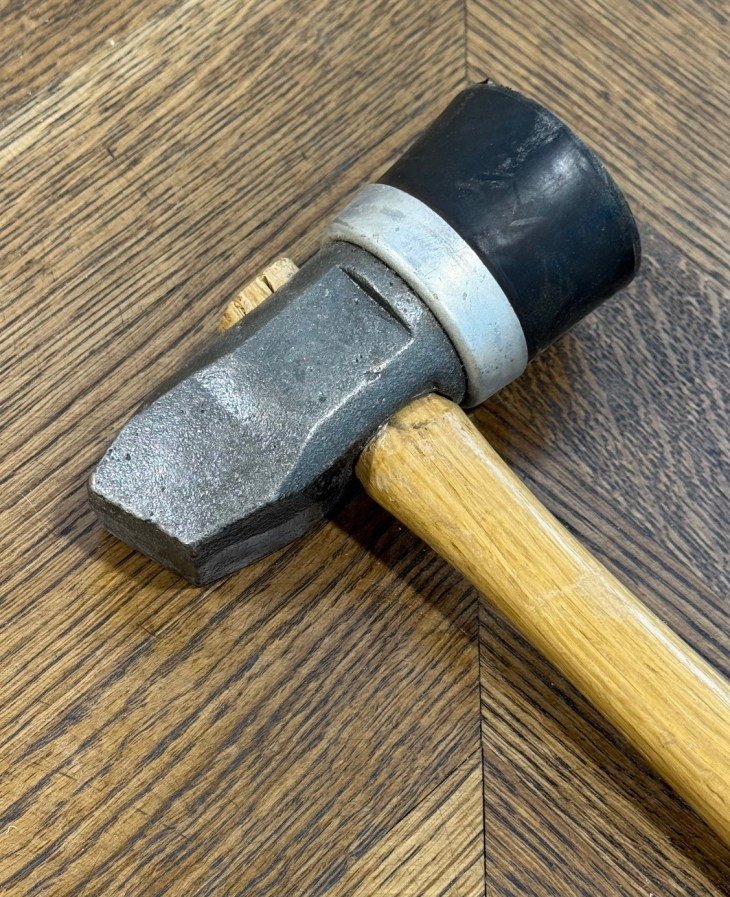
There are different mallet types made for gentle work on wood. Each type suits certain tasks.
- Wooden mallets give soft, controlled hits.
- Rubber mallets reduce marks and dents.
- Rawhide mallets offer a soft strike without damage.
- Plastic mallets are light and gentle on surfaces.
Material Considerations
The mallet material affects how it hits the wood. Soft materials work best on delicate wood.
Hard materials may leave marks or split thin wood pieces.
- Wood is traditional and gentle.
- Rubber absorbs shock and prevents dents.
- Rawhide is soft and less likely to damage wood.
- Plastic mallets are good for light tapping.
Size And Weight Factors
The mallet size and weight change how it hits the wood. A heavy mallet can cause damage.
Choose a mallet that feels comfortable and balanced for your hand and task.
- Smaller heads give more control.
- Lighter mallets reduce the chance of dents.
- Heavier mallets deliver stronger hits but need care.
- Choose a handle size that fits your grip well.
Preparing The Wood Surface
Using a mallet on delicate wood requires care. Preparing the wood surface helps protect it from damage. Clean and check the wood before starting work.
This guide covers cleaning and inspecting, adding protective barriers, and stabilizing the wood. Follow these tips to keep your wood safe.
Cleaning And Inspecting
Remove dust and dirt from the wood surface. Use a soft cloth or brush to clean gently. Check the wood for cracks, dents, or soft spots.
- Use a dry, soft cloth to wipe the surface
- Remove any sticky residue with mild soap and water
- Look carefully for any damage or weak areas
- Note spots that might need extra care during work
Protective Barriers
Place a layer between the mallet and the wood to prevent marks. Soft materials can absorb the impact and protect the surface.
| Material | Description | Use |
| Leather | Soft and durable | Wrap mallet head or place on wood |
| Felt | Cushions impact well | Use as a pad on wood surface |
| Rubber | Provides grip and shock absorption | Cover mallet face |
| Cloth | Easy to adjust and replace | Place between mallet and wood |
Stabilizing The Wood
Keep the wood steady before hitting it. Movement can cause slips and damage the surface or your tool.
- Place wood on a flat, solid surface
- Use clamps to hold the wood firmly
- Add a non-slip mat under the wood if needed
- Check that the wood does not wobble before starting
Proper Striking Techniques
Using a mallet on delicate wood needs care. The right striking method keeps wood safe from dents and cracks.
Good techniques help you control force and angle. This protects the wood and improves your work.
Controlled Force Application
Apply force gently with a mallet to avoid damage. Too much power can split or dent delicate wood.
Start with light taps and increase pressure slowly if needed. This helps you feel the wood’s reaction.
- Use soft mallets made of rubber or rawhide
- Hold the mallet firmly but not too tight
- Tap lightly at first, then adjust force
Striking Angle Tips
Strike the wood surface at the right angle to avoid slipping. A straight hit delivers even force.
Keep the mallet close to perpendicular. Angled hits can cause uneven marks or scratches on wood.
- Hold the mallet handle nearly vertical
- Avoid hitting at sharp angles
- Keep your wrist steady during each strike
Avoiding Surface Damage
Protect wood surfaces by using a soft mallet head or a buffer. This reduces dents and scratches.
Check the wood before and after striking to catch damage early. Fix minor marks with sanding or polishing.
- Place a thin cloth or leather between mallet and wood
- Use a rubber or rawhide mallet head
- Inspect wood surface regularly for marks
Using Accessories For Protection
Protecting delicate wood requires careful use of the right accessories. These tools help prevent dents and scratches while using a mallet.
Choosing the correct protective accessory makes your woodworking safer and keeps wood surfaces smooth and clean.
Leather Or Rubber Mallet Faces
Leather and rubber faces on mallets soften the impact on delicate wood. They reduce marks and damage compared to hard wooden mallet heads.
Leather faces work well for fine finishes. Rubber faces absorb shock and spread the force evenly.
Soft Pads And Blocks
Soft pads and blocks add a layer of protection between the mallet and the wood. They act as cushions to prevent dents.
- Use soft wood blocks to tap joints without damage.
- Place felt or foam pads under the mallet face for extra softness.
- Replace pads regularly to keep them effective.
Temporary Clamps And Supports
Temporary clamps and supports hold wood pieces steady during work. They stop movement that can cause accidental hits or scratches.
| Accessory | Purpose | Example |
| Clamp | Hold pieces firmly | C-clip clamp |
| Support Block | Prevent shifting | Soft wood block |
| Spacer | Protect surfaces | Rubber pad |
Maintaining Your Mallet
Taking care of your mallet keeps it working well for delicate wood projects. Regular maintenance helps avoid damage to both the mallet and wood.
Follow simple steps to clean, check, and store your mallet properly. This extends its life and keeps it safe to use.
Regular Cleaning
Clean your mallet after each use to remove dirt and wood dust. Use a soft cloth to wipe the head and handle gently.
- Avoid soaking the mallet in water to prevent swelling.
- Use mild soap if needed, then dry thoroughly.
- Apply a light coat of wood oil on wooden parts occasionally.
Inspecting For Wear
Check your mallet often for signs of damage. Look at the striking surface and handle for cracks or dents.
| Part | What to Check |
| Head | Cracks, chips, or deep dents |
| Handle | Splits, looseness, or rough spots |
| Joint | Secure fit between head and handle |
Storage Recommendations
Store your mallet in a dry place away from extreme heat or cold. Keep it off the floor to avoid moisture damage.
- Hang the mallet on a pegboard or store in a toolbox.
- Cover it with a cloth to protect from dust.
- Do not place heavy objects on top of the mallet.

Credit: hardwoodfloorsmag.com
Common Mistakes To Avoid
Using a mallet on delicate wood needs care. Small errors can cause damage or poor results.
Learn common mistakes to avoid. This helps protect your wood and improve your work quality.
Overstriking
Overstriking happens when the mallet hits beyond the tool’s handle. It can dent or mark the wood.
This mistake often leads to extra damage on delicate surfaces. It also hurts the tool you use.
- Keep your strikes controlled and focused on the tool handle
- Watch your hand position to avoid hitting wood directly
- Practice light taps before applying full force
Using The Wrong Mallet Type
Not all mallets suit delicate wood. Hard mallets can cause dents and cracks easily.
Soft mallets, like those with rubber or rawhide heads, protect the wood better.
- Choose a mallet with a soft head for delicate wood
- Avoid metal or hard plastic mallets on fragile surfaces
- Match the mallet weight to the task for better control
Neglecting Wood Preparation
Skipping wood preparation can lead to splinters and rough marks. Clean, dry wood works best.
Preparing wood means sanding edges and removing dust. This helps the mallet work smoothly.
- Smooth the wood surface before using the mallet
- Remove any dirt or debris from the work area
- Check for cracks or weak spots to avoid breaking wood
Credit: www.lorddecor.com
Frequently Asked Questions
What Type Of Mallet Is Best For Delicate Wood?
A rubber or rawhide mallet is best for delicate wood. It delivers gentle, controlled strikes. This prevents dents and surface damage, preserving the wood’s integrity.
How To Prevent Damage When Using A Mallet On Wood?
Use light taps instead of heavy blows. Always test on scrap wood first. Choose a mallet with a soft head to minimize impact.
Can I Use A Wooden Mallet On Delicate Wood?
Yes, but ensure it has a smooth, soft face. Wooden mallets distribute force evenly and reduce surface marks. Avoid metal-headed mallets on delicate wood surfaces.
Should I Protect The Wood Before Using A Mallet?
Yes, applying a thin protective layer like cloth or tape helps. It cushions the wood, preventing scratches and dents during mallet use.
Conclusion
Using a mallet on delicate wood requires care and precision. Always select the right mallet type for your task. Soft mallets work best for gentle jobs. Keep your strikes controlled and even. Protect the wood by using a buffer, like a cloth.
Practice makes perfect, so try on scrap wood first. This ensures confidence and skill. Remember, patience is key in woodworking. With these tips, your projects will look smooth and professional. Enjoy the process and craft beautiful pieces with ease.