If you want to make clean, precise cuts with your circular saw, you’re in the right place. Using a circular saw might seem tricky at first, but with the right tips and tricks, you can master it quickly.
Imagine finishing your project with perfect edges that look professional every time. This guide will show you exactly how to use your circular saw to get those sharp, accurate cuts you’ve been aiming for. Keep reading, and you’ll gain the confidence to handle your saw like a pro.
Credit: www.homebuilding.co.uk
Choosing The Right Circular Saw
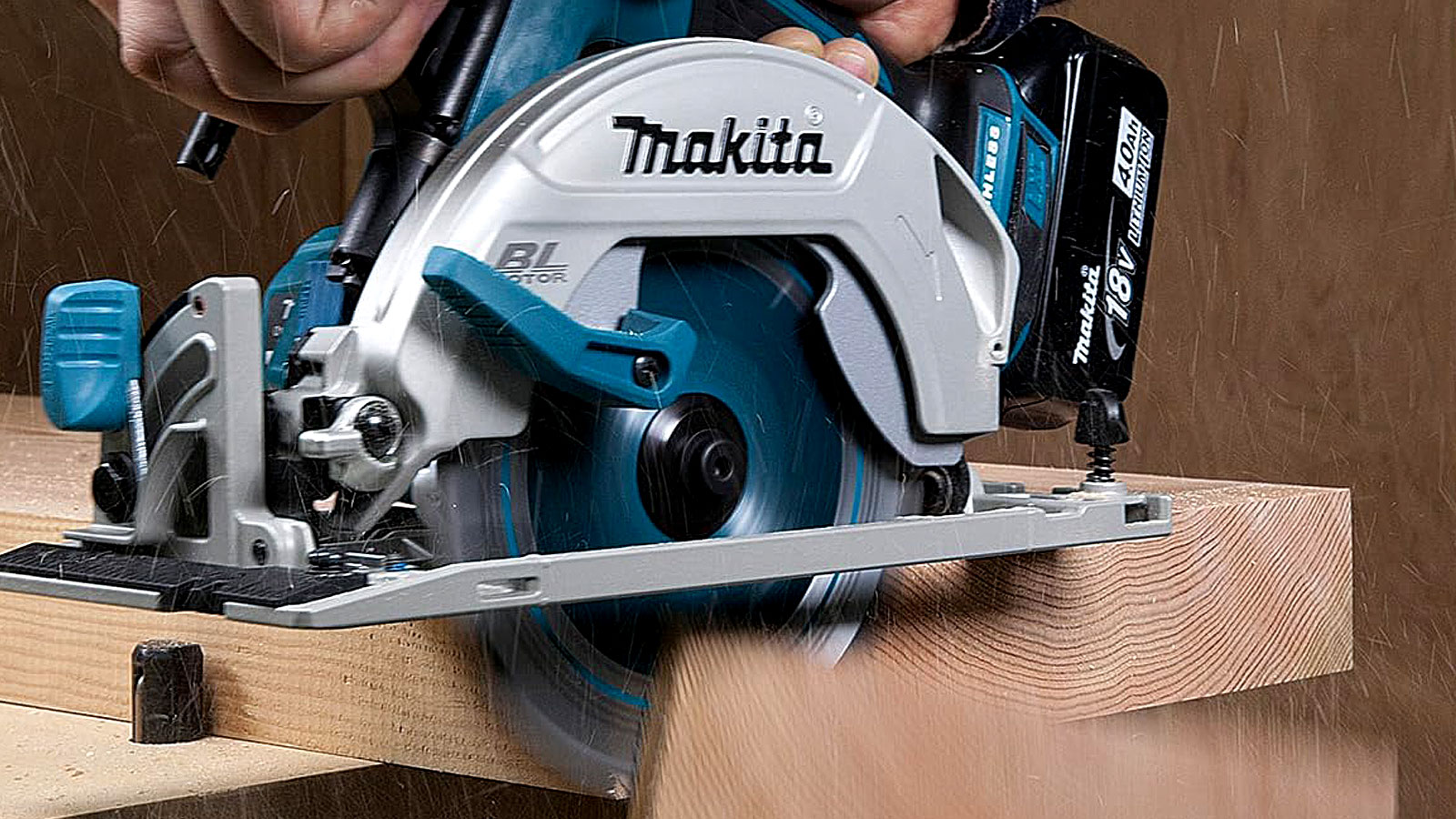
Choosing the right circular saw is key for precise cuts. The correct saw makes your work easier and more accurate.
Consider blade type, power, speed, and safety features before buying. These factors affect your cutting quality and safety.
Blade Types And Sizes
Different blades suit different materials and cuts. Choose the blade size that fits your saw and project.
- Carbide-tipped blades:Last long and cut wood cleanly.
- Steel blades:Cheap but wear out fast.
- Diamond blades:Used for cutting tile or concrete.
- Blade sizes:Common sizes are 6-1/2″, 7-1/4″, and 8-1/4″. Larger blades cut deeper.
Power And Speed Considerations
Power and speed affect how well the saw cuts through materials. Higher power handles tough jobs better.
| Power (Amps) | Best For |
| 10-12 | Light woodworking and small projects |
| 13-15 | General woodworking and home use |
| 16+ | Heavy-duty tasks and professional use |
| Speed (RPM) | Higher RPM cuts faster and smoother |
Safety Features To Look For
Safety features protect you during use. Always check for these before choosing a saw.
- Blade guard:Covers the blade when not cutting.
- Electric brake:Stops the blade quickly after release.
- Anti-kickback features:Prevent the saw from jumping back.
- Ergonomic handles:Help you hold the saw steady.
Credit: www.familyhandyman.com
Preparing For Precise Cuts
Using a circular saw for precise cuts needs careful preparation. Setting up correctly helps you get clean and accurate results.
Focus on marking lines, securing the workpiece, and adjusting the saw. These steps keep your cuts safe and straight.
Marking Accurate Cut Lines
Clear and exact lines guide your saw for precise cuts. Use a sharp pencil or marking knife to make thin lines.
- Measure twice to avoid mistakes
- Use a square or straight edge for straight lines
- Mark both sides if cutting thick material
- Check lines under good light for visibility
Securing The Workpiece
Hold the material steady to stop it from moving. A moving piece can ruin the cut or cause injury.
| Method | Description |
|---|---|
| Clamps | Use clamps to attach the workpiece firmly to a stable surface. |
| Workbench | Place the material on a solid workbench for better support. |
| Support Stands | Use stands or sawhorses to hold long pieces steady on both ends. |
Setting The Depth And Angle
Adjust your saw’s blade depth so it cuts through the material without cutting too deep. Set the angle for bevel cuts if needed.
- Unplug the saw before adjustments
- Set blade depth just past the material thickness
- Use the bevel adjustment to set the angle
- Tighten all knobs securely before cutting
Techniques For Clean Cuts
Using a circular saw correctly helps you make clean, precise cuts. This is important for a professional-looking finish on your projects.
Focus on steady control, the right speed, and using guides to improve your cutting accuracy.
Guiding The Saw Steadily
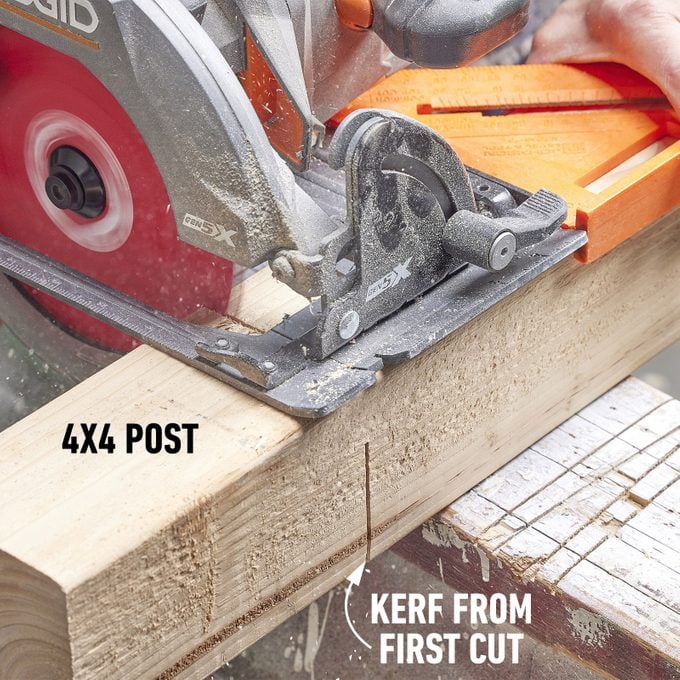
Hold the saw firmly with both hands to keep it steady. A steady hand prevents the blade from wandering off the cut line.
Keep your body balanced and position yourself comfortably. This helps you move the saw smoothly along the line.
Maintaining Proper Speed
Do not rush the cut. Move the saw at a steady, moderate speed to avoid rough edges.
Let the blade do the work. Pushing too fast can cause splintering or uneven cuts.
- Start the saw before it touches the wood
- Keep a steady forward motion
- Pause if the blade gets stuck
Using A Guide Or Fence
Use a straight edge or fence to guide your saw. This keeps the cut line straight and accurate.
Clamp the guide firmly to your workpiece. It helps prevent the saw from slipping during the cut.
- Mark your cut line clearly
- Place the guide along the line
- Secure the guide before cutting
Common Mistakes To Avoid
Using a circular saw can give you clean, precise cuts. Many people make simple mistakes that hurt their results.
Knowing what to avoid helps you get better cuts and stay safe. Here are common errors to watch out for.
Rushing The Cut
Cutting too fast can cause rough edges and uneven lines. The saw blade may bind or kick back if you rush.
Take your time and let the saw do the work. Moving slowly helps you keep control and make straight cuts.
- Start the saw before it touches the wood
- Guide the saw steadily along the cut line
- Don’t force the saw to move faster than it can
Ignoring Blade Maintenance
Dull or dirty blades cause poor cuts and strain the motor. They can also increase the risk of kickback.
Keep your blade clean and sharp. Change it if it is damaged or worn out to ensure smooth cutting.
- Clean pitch and resin buildup regularly
- Sharpen or replace blades when cutting slows down
- Use the right blade type for the material
Overlooking Safety Precautions
Not using safety gear or ignoring safety rules can cause serious injuries. Circular saws are powerful tools.
Always wear safety glasses and hearing protection. Make sure your work area is clear and stable before cutting.
- Keep hands away from the blade path
- Secure the material firmly before cutting
- Disconnect power before changing blades
- Follow all manufacturer safety instructions
Maintenance Tips For Precision
Keeping your circular saw in good shape helps you make precise cuts. Regular maintenance improves safety and performance.
Small checks and cleaning can save time and money by avoiding poor cuts and tool damage.
Cleaning The Blade And Saw
Dirt and resin build-up on the blade reduce cutting accuracy. Clean the blade after each use to keep it sharp.
Also, remove sawdust and debris from the saw body to prevent parts from sticking or overheating.
- Unplug the saw before cleaning
- Use a brush to remove sawdust
- Apply blade cleaner to remove resin
- Wipe with a dry cloth to avoid rust
Checking Alignment Regularly
Check the blade alignment to ensure straight cuts. Misaligned blades cause uneven edges and damage materials.
Use a square or alignment tool to verify the blade is parallel to the base and fence.
- Inspect alignment before each project
- Tighten loose bolts or screws
- Adjust the bevel and depth settings carefully
- Test cuts on scrap wood to confirm accuracy
Replacing Worn Parts
Worn parts lower the saw’s precision and can be unsafe. Replace blades, belts, and brushes as needed.
Keep spare parts ready to avoid delays during work and ensure the saw runs smoothly.
- Replace dull or chipped blades
- Change worn belts to keep motor power steady
- Swap out brushes to maintain motor speed
- Check and replace damaged guards or handles

Credit: www.youtube.com
Frequently Asked Questions
What Safety Gear Is Essential For Circular Saw Use?
Always wear safety glasses, hearing protection, and gloves. Use a dust mask if cutting materials that create fine dust. Proper gear helps prevent injuries and ensures safe, comfortable work with your circular saw.
How Do I Set The Blade Depth For Precision Cuts?
Adjust the blade depth so it extends slightly beyond the material thickness. This minimizes splintering and ensures a cleaner cut. Proper depth control improves cut accuracy and blade longevity.
What Techniques Improve Accuracy With A Circular Saw?
Use a straight edge guide and clamp it firmly. Maintain a steady, slow feed rate and keep the saw base flat. Mark clear cut lines and follow them precisely for best results.
Can I Use A Circular Saw For Angled Cuts?
Yes, most circular saws have adjustable bevel settings. Set the bevel angle according to your project needs. Practice on scrap wood first to master angled cuts accurately and safely.
Conclusion
Mastering the circular saw enhances your woodworking skills. Precision cuts are achievable with practice. Always prioritize safety while handling the saw. Double-check your measurements before cutting. A steady hand ensures smoother results. Choose the right blade for each job. Clean your saw regularly for optimal performance.
These steps make your projects more successful. With patience, your cuts will improve over time. Practice, learn, and adjust your technique. Woodworking can be enjoyable and rewarding. Happy cutting, and stay safe!