When you pick up electrical pliers, your safety should always come first. These handy tools make your work easier, but if you’re not careful, they can also cause serious injuries.
Do you know the simple steps to protect yourself every time you use them? You’ll discover essential electrical pliers safety tips that can keep you safe and confident on the job. Keep reading to learn how small habits can make a big difference in avoiding accidents and working smarter.
Your hands—and your peace of mind—will thank you.
Choosing The Right Pliers
Electrical pliers are essential tools for working with wires and circuits. Choosing the correct pliers makes tasks safer and easier.
Selecting the right type depends on the job, material, and comfort. This guide helps you pick the best pliers for your work.
Types Of Electrical Pliers
Different pliers serve different purposes in electrical work. Knowing their types helps you choose the right one.
- Needle-nose pliers: Good for bending and cutting small wires.
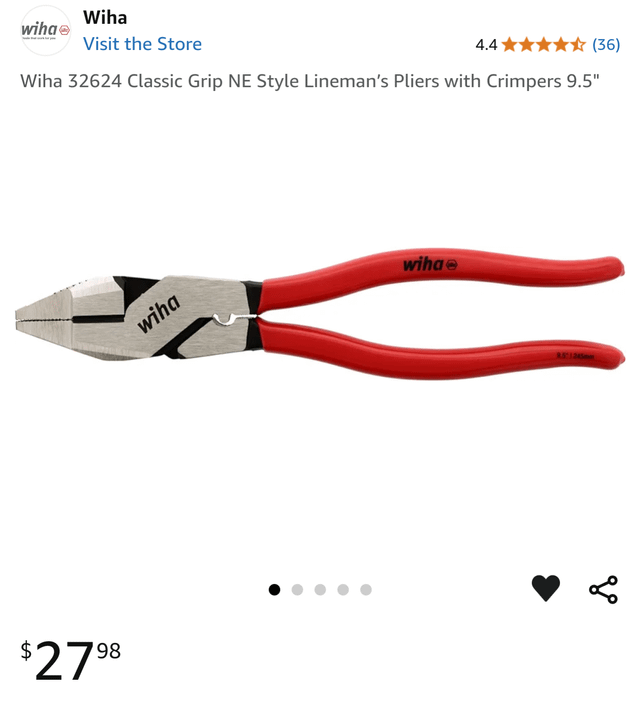
- Linemen pliers: Used for gripping, twisting, and cutting thicker wires.
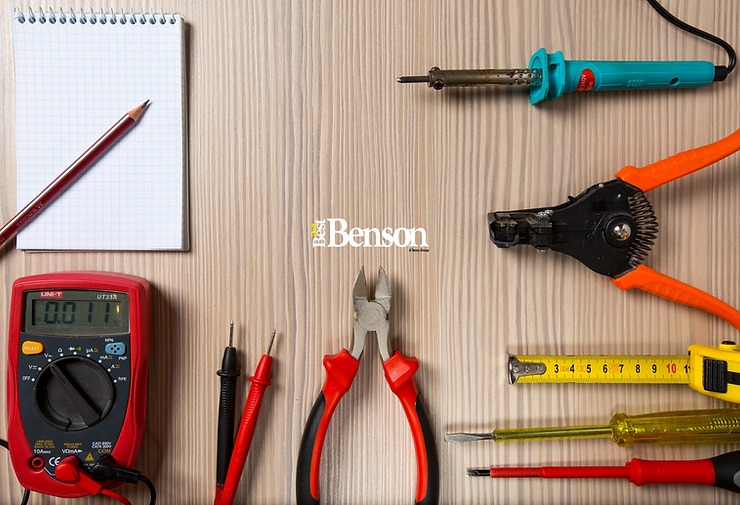
- Diagonal cutting pliers: Designed for clean wire cuts close to surfaces.
- Slip-joint pliers: Adjustable jaws for gripping various sizes of wire or objects.
Material And Insulation
Pliers must have strong materials and proper insulation to protect from electric shock. Look for tools made with steel for strength.
| Feature | Importance | Details |
|---|---|---|
| Steel Construction | Durability | Resists wear and provides firm grip on wires |
| Insulated Handles | Safety | Protects against electric shock up to certain volts |
| Non-slip Coating | Comfort | Prevents slipping during use for better control |
Size And Grip Considerations
Choose pliers that fit your hand well and match the wire size. A good grip reduces hand fatigue and improves safety.
- Check handle length for comfortable reach.
- Look for cushioned grips to avoid blisters.
- Pick pliers with jaws sized for the wire thickness.
- Try the tool before buying to ensure it feels right.
Inspecting Pliers Before Use
Using electrical pliers safely starts with a careful check before use. Inspecting them helps avoid accidents and tool damage.
Look closely at the pliers to make sure they are in good shape. Pay attention to key parts that affect safety and function.
Checking For Damage
Check the pliers for cracks, rust, or worn parts. Damaged pliers can break or slip, causing injury.
- Look for cracks on handles and jaws
- Check for rust or corrosion
- Inspect cutting edges for dullness or chips
- Ensure grips are not loose or torn
Ensuring Proper Insulation
Insulation protects you from electric shocks. Always make sure the pliers have intact insulation.
| Insulation Area | What to Check |
| Handles | No cracks or cuts in the coating |
| Joints | Insulation covers moving parts fully |
| Markings | Voltage rating is clear and readable |
Assessing Joint Movement
The joint must move smoothly. Stiff or loose joints reduce control and increase risk.
Check joint condition by:
- Opening and closing pliers fully
- Feeling for smooth, even movement
- Listening for grinding or clicking sounds
- Ensuring no wobble or looseness in the joint
Safe Handling Techniques
Using electrical pliers safely is very important. Proper handling stops accidents and injuries.
These tips help you hold and use pliers correctly. Stay safe by following simple rules.
Proper Grip And Positioning
Hold the pliers firmly but not too tight. Use your whole hand to grip the handles.
Keep your fingers away from the cutting or gripping edges to avoid pinching.
- Place your thumb on one handle and fingers on the other
- Keep the pliers at a right angle to the work surface
- Position your body to have a clear view of the task
Avoiding Excessive Force
Do not squeeze the pliers harder than needed. Excess force can break the tool or cause slips.
Use the right size pliers for the job. Using small pliers on big wires can cause damage.
- Match pliers size to wire or part thickness
- Stop if you feel resistance and check the tool
- Replace worn or damaged pliers to avoid accidents
Maintaining Focus And Control
Keep your attention on the task when using pliers. Avoid distractions to prevent mistakes.
Move the pliers slowly and steadily. Quick or jerky moves can cause slips or cuts.
- Work in a well-lit area to see clearly
- Keep your hands dry and clean for better grip
- Take breaks if you feel tired or lose focus
Credit: www.bensonguam.com
Protective Gear And Environment
Using electrical pliers safely requires the right gear and a good work area. Protection keeps you safe from electric shocks and injuries.
Focus on wearing the proper gloves, glasses, and working in safe places. These steps reduce risks and improve your work quality.
Wearing Insulated Gloves
Insulated gloves protect your hands from electric shocks. Always wear gloves that meet safety standards for electrical work.
- Check gloves for holes or tears before use.
- Choose gloves rated for the voltage you will work with.
- Keep gloves clean and dry to maintain insulation.
- Replace gloves if they show signs of wear or damage.
Using Safety Glasses
Safety glasses protect your eyes from flying debris and sparks. Use glasses that fit well and have impact-resistant lenses.
| Type of Glasses | Best Use |
| Standard Safety Glasses | General electrical work |
| Wrap-around Glasses | Work with sparks or flying debris |
| Prescription Safety Glasses | Clear vision with protection |
Working In Dry, Well-lit Areas
Dry and well-lit areas reduce hazards when using electrical pliers. Moisture and poor lighting increase the risk of accidents.
Follow these tips to keep your environment safe:
- Make sure floors and tools are dry.
- Work in places with good natural or artificial light.
- Avoid clutter that can cause trips or distractions.
Electrical Hazard Awareness
Working with electrical pliers can be risky if you do not know the dangers. Electricity can cause shocks or burns. Being aware of electrical hazards keeps you safe.
Knowing how to spot live wires, test voltage, and turn off power helps prevent accidents. Always follow safety steps before starting work.
Identifying Live Circuits
Live circuits carry electrical current and can shock you. Look for wires that are connected to power sources. Check for signs like sparking or buzzing sounds.
Never touch wires without knowing if they are live. Use tools and safety gear to avoid contact with electricity.
Using Voltage Testers
Voltage testers help you see if a wire has electric current. They are easy to use and show if a circuit is live or dead. Always test wires before touching them.
- Choose the right tester for your work
- Follow the instructions on how to use it
- Test the tester on a known live source first
- Check wires carefully one by one
De-energizing Before Work
Turn off power before starting electrical work. This is the safest way to avoid shocks. Use circuit breakers or switches to cut the power.
After turning off power, test again with a voltage tester. Make sure no current flows before using pliers or touching wires.
Maintenance And Storage
Proper maintenance and storage of electrical pliers keep them safe and last longer. Taking care of your tools helps avoid accidents and ensures they work well every time.
Simple steps like cleaning, storing correctly, and regular checks can make a big difference in tool safety.
Cleaning And Lubrication
After use, clean electrical pliers to remove dirt and grease. Wipe metal parts with a dry cloth to stop rust. Use a light oil to lubricate moving joints. This keeps the pliers moving smoothly and prevents wear.
Proper Storage Practices
- Store pliers in a dry place to avoid rust.
- Keep them in a toolbox or on a pegboard to prevent damage.
- Do not store pliers with wet handles or blades.
- Separate electrical pliers from other heavy tools.
- Use protective covers if available.
Regular Safety Checks
| Check Item | What to Look For | Action Needed |
|---|---|---|
| Handle Insulation | Cracks or wear | Replace or repair immediately |
| Cutting Blades | Dullness or chips | Sharpen or replace blades |
| Joint Movement | Stiff or loose | Lubricate or tighten screws |
| Rust or Corrosion | Visible on metal parts | Clean and apply rust inhibitor |
Common Mistakes To Avoid
Electrical pliers are useful tools but can be dangerous if used wrongly. Avoiding common mistakes can keep you safe and protect your tools.
Learn how to use electrical pliers correctly by understanding what not to do. This guide covers common errors and how to avoid them.
Using Pliers For Unsuitable Tasks
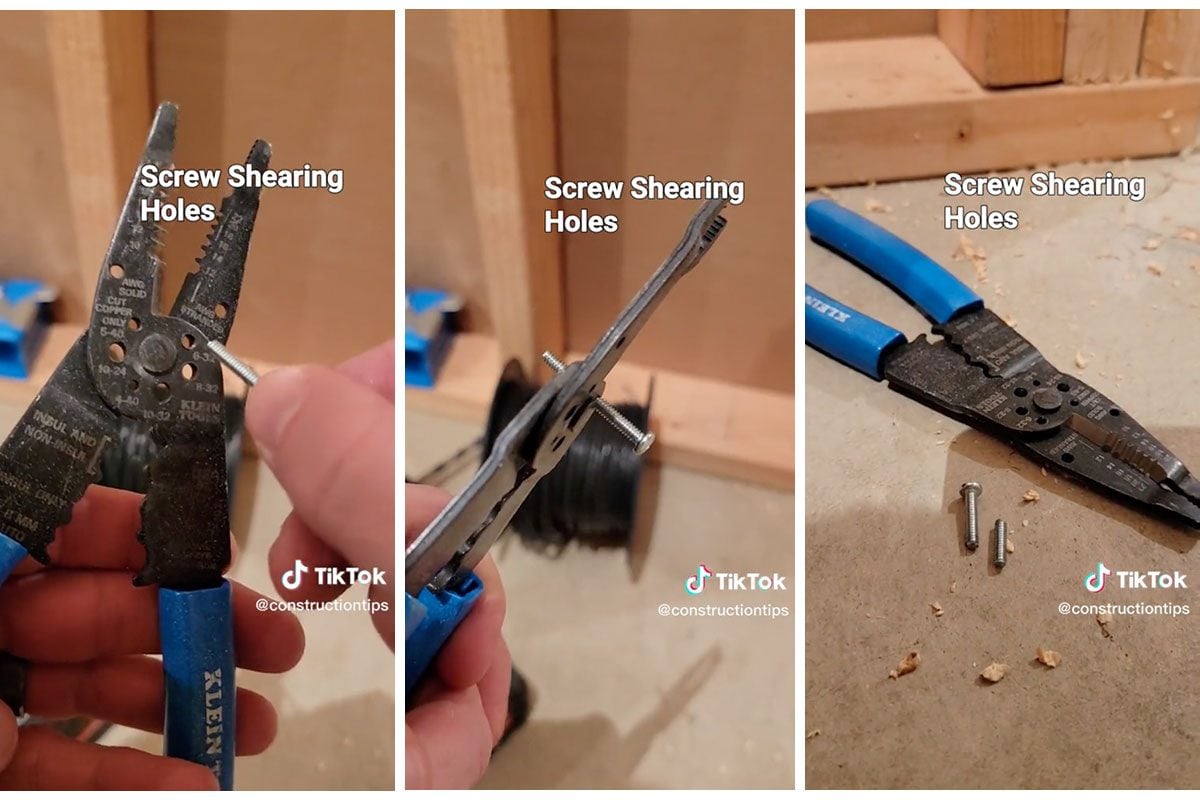
Using pliers for jobs they are not made for can damage the tool and cause injury. Do not use electrical pliers to cut hard materials or twist large bolts.
- Do not use electrical pliers as a hammer.
- Avoid cutting wires thicker than the tool’s capacity.
- Never use pliers to pry open objects.
- Do not use pliers on live electrical wires without proper insulation.
Ignoring Tool Damage
Damaged pliers can slip or break, leading to accidents. Always inspect your tools before use and replace them if worn or broken.
| Damage Type | Risk | Action |
| Rusty Joints | Stiff movement, poor grip | Clean or replace tool |
| Worn Cutting Edges | Slipping, ineffective cutting | Sharpen or replace blades |
| Cracked Handles | Loss of control, injury | Do not use, replace immediately |
| Loose Pivot | Unstable tool movement | Tighten or replace tool |
Neglecting Personal Safety
Personal safety is key when working with electrical pliers. Always wear protective gear and follow safety rules to avoid accidents.
- Wear insulated gloves to avoid electric shocks.
- Use safety glasses to protect your eyes from flying debris.
- Keep your work area dry to prevent slips and shocks.
- Do not wear loose clothing that can get caught in tools.
- Disconnect power before working on electrical circuits.
Credit: www.familyhandyman.com
Credit: www.gz-supplies.com
Frequently Asked Questions
What Are The Essential Safety Tips For Using Electrical Pliers?
Always wear insulated gloves and safety goggles. Check pliers for damage before use. Avoid using pliers on live wires unless rated for electrical work. Keep your workspace dry and organized to prevent accidents.
How Do Insulated Electrical Pliers Enhance User Safety?
Insulated pliers protect against electric shock by providing a non-conductive barrier. They are tested to withstand specific voltage levels. Using them reduces the risk of injury when working with live electrical circuits.
Can Damaged Electrical Pliers Cause Safety Hazards?
Yes, damaged pliers can expose metal parts and increase shock risk. They may slip or break during use, causing injury. Regularly inspect and replace damaged pliers to maintain safety.
Why Is Proper Grip Important When Using Electrical Pliers?
A firm grip prevents slippage and accidental contact with live wires. It improves control and precision during tasks. Proper grip also reduces hand fatigue, enhancing overall safety and efficiency.
Conclusion
Safety with electrical pliers is essential. Always check tools before use. Look for damages or wear. Wear protective gear, like gloves and goggles. Keep tools clean and dry. Work in well-lit areas for better visibility. Never force pliers beyond their limit.
Maintain a firm grip to prevent slips. Store tools properly after use. Practice these tips to ensure safety. Proper care and handling reduce risks. Safe practices lead to efficient work. Stay cautious and aware. Your safety matters most.