If you want your hand planer to glide smoothly and give you clean, precise cuts, sharpening its blade is key. A dull blade can make your work frustrating and leave rough surfaces behind.
But don’t worry—sharpening your hand planer is easier than you think. In this guide, you’ll discover simple steps to bring your blade back to life, improve your woodworking results, and save time on every project. Ready to make your hand planer work like new again?
Let’s get started!
Credit: www.familyhandyman.com
Choosing The Right Tools
Sharpening your hand planer needs the right tools. Picking them carefully helps you get sharp blades fast.
Good tools make sharpening easier and keep your planer working well for a long time.
Essential Sharpening Equipment
You need a few basic tools to sharpen your hand planer blade well. These tools help you get a clean and sharp edge.
- Sharpening stones or whetstones to grind the blade
- Honing guide to hold the blade at the right angle
- Lubricant like water or oil for smooth sharpening
- Leather strop to polish the edge after sharpening
- Safety gloves to protect your hands
Selecting The Correct Grit
Choosing the right grit size for your sharpening stone is important. It affects how sharp and smooth the blade becomes.
| Grit Size | Use |
| Coarse (200-400) | Fix very dull or damaged blades |
| Medium (800-1000) | Sharpen blades needing regular edge touch-up |
| Fine (3000-8000) | Polish the blade for a very sharp finish |
Preparing The Hand Planer
Sharpening a hand planer starts with proper preparation. This process keeps you safe and ensures the blade works well.
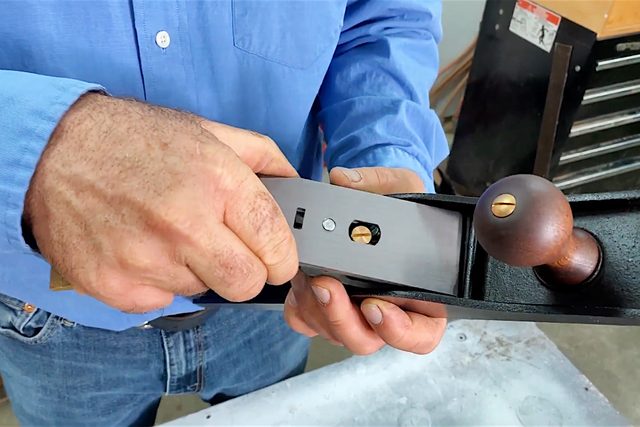
First, remove the blade carefully. Then clean and check the blade for damage before sharpening.
Removing The Blade Safely
Always handle the blade with care. A sharp blade can cut you easily. Use gloves if possible.
- Place the planer on a stable surface.
- Loosen the screws or lever that hold the blade.
- Lift the blade straight out without twisting.
- Set the blade on a clean cloth to avoid damage.
- Keep screws in a safe place for reassembly.
Cleaning And Inspecting The Blade
Cleaning removes dirt and resin. Inspection shows if the blade needs repair or replacement.
| Check Point | What to Look For | Action Needed |
|---|---|---|
| Rust | Surface rust or pitting | Use rust remover or replace blade |
| Edge | Chips or dullness | Sharpen or replace blade |
| Flatness | Bent or warped blade | Do not sharpen; replace blade |
Sharpening Techniques
Keeping your hand planer sharp makes your woodworking easier and cleaner. Sharp blades cut smoothly without tearing the wood.
Use the right sharpening techniques to keep your blade in top shape. This guide covers key steps to sharpen your hand planer blade.
Setting The Correct Angle
Sharp blades need the right angle for effective cutting. Most hand planers work best with a blade angle of 25 to 30 degrees.
Use a protractor or angle guide to set the blade. Keeping this angle steady during sharpening is very important.
Using A Honing Guide
A honing guide holds the blade steady during sharpening. It keeps the blade at the correct angle for even sharpening.
Clamp the blade in the guide and slide it over the sharpening surface. This helps you get a flat and sharp edge.
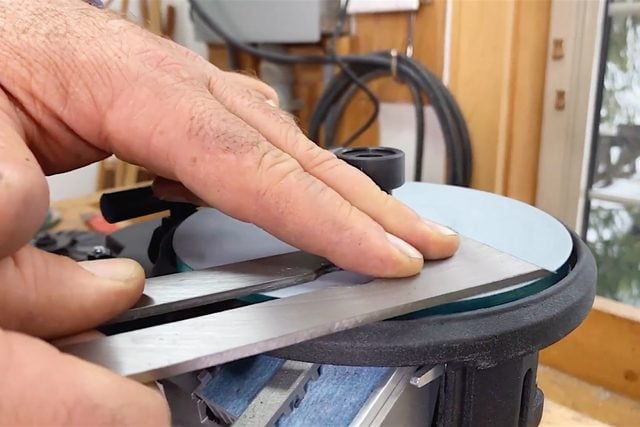
Sharpening On A Whetstone
Whetstones are great for sharpening hand planer blades. Start with a coarse stone to remove nicks and shape the edge.
Move to a finer stone to smooth and sharpen the edge. Use water or oil on the stone to reduce friction and protect the blade.
- Hold the blade flat against the stone
- Push the blade forward in smooth strokes
- Flip and repeat on both sides evenly
- Check the edge often for sharpness
Applying A Strop For A Fine Edge
After sharpening, use a leather strop to polish the edge. Stropping removes tiny burrs and makes the blade very sharp.
Pull the blade backward on the strop with light pressure. Repeat this several times on both sides for a smooth finish.
Credit: www.familyhandyman.com
Testing Blade Sharpness
Checking the sharpness of your hand planer blade is important before use. A sharp blade makes smooth cuts and reduces effort.
There are simple ways to test the blade without special tools. Use visual checks, paper tests, and trial planing on wood.
Visual Inspection
Look closely at the blade edge under good light. A sharp blade has a clean, even edge without chips or dents.
- Check for any nicks or cracks on the cutting edge.
- Look for shiny spots that show wear or dullness.
- Make sure the edge is straight and not bent.
Performing A Paper Cut Test
Use a thin sheet of paper to test the blade’s sharpness. A sharp blade will slice the paper cleanly without tearing.
| Test | Result for Sharp Blade | Result for Dull Blade |
| Cutting Paper | Clean, smooth cut | Torn or ragged edge |
| Effort Needed | Light pressure | More pressure |
Trial Planing On Wood
Test the blade by planing a small piece of wood. A sharp blade produces thin, even shavings and smooth surfaces.
- Hold the planer firmly and push it along the wood grain.
- Look for consistent, thin shavings without tear-out.
- Feel the surface for smoothness and check for any rough spots.
Maintaining Sharp Blades
Sharp blades help hand planers work smoothly. Keeping blades sharp makes your work easier and safer.
Regular care extends the blade life and keeps the planer ready for use. Learn how to maintain sharp blades below.
Regular Honing Practices
Honing keeps the blade edge smooth between sharpenings. Use a fine sharpening stone or honing guide for best results.
Hold the blade at the correct angle and move it evenly across the stone. Repeat until the edge feels smooth and sharp.
- Use a flat, fine-grit sharpening stone
- Maintain the blade’s original bevel angle
- Move the blade evenly and with light pressure
- Hone regularly after every few uses
Proper Storage Tips
Store blades in a dry place to avoid rust. Protect the edge by covering it with a blade guard or wrap.
Keep blades away from moisture and dust. Clean and dry blades before storage to prevent damage.
- Use blade guards to cover sharp edges
- Keep blades in a dry toolbox or drawer
- Wipe blades with oil or rust inhibitor before storing
- Avoid stacking blades directly on each other
When To Replace The Blade
Replace the blade if it is chipped, bent, or worn out. A damaged blade reduces cutting quality and can be unsafe.
If honing no longer sharpens the blade well, it is time to get a new one. Check blades regularly for damage signs.
- Blades with chips or cracks must be replaced
- Blades that lose shape after honing need replacement
- Replace if cutting feels rough or uneven
- Use the right blade type for your planer model

Credit: www.youtube.com
Frequently Asked Questions
How Often Should I Sharpen My Hand Planer Blade?
You should sharpen your hand planer blade after every few uses. Dull blades reduce efficiency and cause rough cuts. Regular sharpening ensures smooth, clean results and extends the blade’s lifespan. Check the blade frequently to maintain optimal performance.
What Tools Do I Need To Sharpen Hand Planer Blades?
To sharpen hand planer blades, you need a sharpening stone or whetstone, honing guide, and oil or water for lubrication. A flat surface and a strop can also help achieve a polished edge. Proper tools ensure precision and safety.
Can I Sharpen Hand Planer Blades Without Removing Them?
Sharpening blades without removal is possible but less effective. Removing blades allows better control and even sharpening. It prevents damage to the planer and ensures the blade’s edge is uniformly sharpened for best results.
How Do I Know When My Hand Planer Blade Needs Sharpening?
Signs include rough or uneven cuts, increased effort during planing, and visible dull edges. If the blade tears wood fibers instead of slicing smoothly, it’s time to sharpen. Regular inspection helps maintain blade sharpness and woodworking quality.
Conclusion
Sharpening hand planers keeps them effective and durable. Regular maintenance ensures smoother woodworking. Dull blades slow down work and cause frustration. A sharp blade cuts more efficiently and cleanly. Use correct tools and follow simple steps. Practice makes sharpening easier over time.
Learning this skill saves money and improves projects. Always handle tools with care for safety. Enjoy the satisfaction of a well-maintained planer. A little effort leads to better results. Keep your hand planer sharp and ready. Your woodworking projects will thank you.