When you pick up a drill, the last thing you want is to struggle with the wrong drill bit. Choosing the right drill bit for wood might seem simple, but it can make a huge difference in how smooth and precise your project turns out.
Imagine drilling a perfect hole without any splintering or wasted time—sounds good, right? You’ll discover exactly which drill bit suits your woodwork needs, so you can work faster, cleaner, and with confidence. Keep reading to avoid common mistakes and get your project done right the first time.

Credit: www.findbuytool.com
Types Of Drill Bits For Wood
Choosing the right drill bit is important for woodworking. Different bits work best for different tasks.
This guide explains common types of drill bits made for wood. Each type has unique features and uses.
Twist Bits
Twist bits are the most common drill bits. They have a spiral shape that helps remove wood chips as you drill.
They work well for small holes and soft wood. Twist bits are easy to find and use for many projects.
Brad Point Bits
Brad point bits have a sharp point in the center. This keeps the bit from slipping when you start drilling.
- Sharp point for accuracy
- Spurs on the edges for clean holes
- Good for hardwood and softwood
- Creates smooth holes without splintering
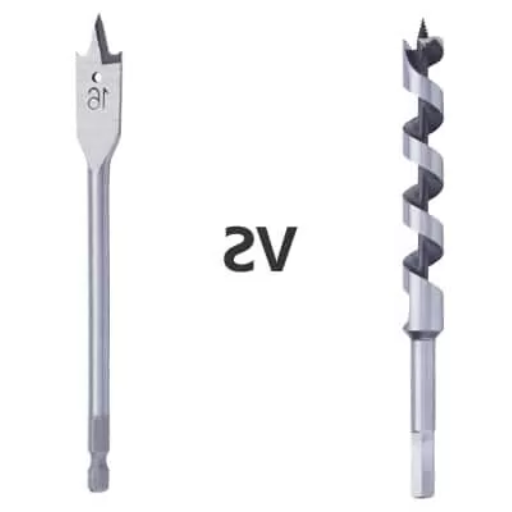
Spade Bits
Spade bits have a flat blade with a sharp point. They cut large holes quickly in wood.
They are best for rough work and do not make very smooth holes. Use them for wiring or plumbing holes.
Auger Bits
Auger bits have a screw tip that pulls the bit through wood. They make deep, clean holes easily.
| Feature | Benefit |
|---|---|
| Screw tip | Drags bit into wood for fast drilling |
| Wide spiral | Removes wood chips efficiently |
| Long shaft | Drills deep holes in thick wood |
| Sharp cutting edges | Produces clean, smooth holes |
Forstner Bits
Forstner bits make flat-bottomed holes with clean edges. They work well for woodworking joints and hardware installation.
These bits cut smoothly but need slower drilling speed and more pressure.
Factors To Consider When Choosing Drill Bits
Picking the right drill bit helps you work better with wood. Different jobs need different bits.
Knowing what to look for saves time and prevents damage to your wood or tools.
Wood Type And Hardness
Wood varies from soft to very hard. Choose drill bits that match your wood type.
Soft woods like pine need less sharp bits, while hardwoods like oak need stronger bits.
- Softwood: pine, cedar, fir
- Medium hardwood: maple, cherry
- Hardwood: oak, walnut, mahogany
Hole Size And Depth
Think about the size and depth of the hole you need. Different bits make different hole sizes.
Long bits help drill deep holes, while shorter bits are better for shallow holes.
- Small holes need small-diameter bits
- Large holes need bigger, stronger bits
- Deep holes need longer bits or extension
Drill Speed And Power
Match the drill bit to your drill’s speed and power. Some bits work better at high speeds.
Hardwood requires slower speeds and more power to avoid burning or breaking the bit.
- High speed: use bits designed for fast drilling
- Low speed: better for tough, hard wood
- Check your drill’s power and adjust speed
Bit Material And Coating
Drill bits come in different materials like steel or carbide. Coatings help bits last longer.
Choose materials and coatings that suit the wood and your drill’s power to get good results.
- High-speed steel (HSS): common, good for soft and medium wood
- Carbide-tipped: best for hard wood, lasts longer
- Titanium coating: reduces heat and wear
- Cobalt bits: strong and heat resistant for tough jobs
Tips For Achieving Clean, Accurate Holes
Choosing the right drill bit for wood is key to making clean, accurate holes. Using the proper technique helps avoid mistakes and damage.
Follow these tips to improve your drilling results. They make your work look professional and save time.
Marking And Positioning
Start by marking the exact spot where you want to drill. Use a pencil or a sharp tool to make a clear mark.
Secure the wood so it does not move during drilling. This helps keep the hole in the right place.
- Use a center punch to create a small dent on the mark
- Clamp the wood to a stable surface
- Double-check the position before drilling
Drilling Technique
Hold the drill steady and straight. Keep the bit perpendicular to the wood for a clean hole.
Start drilling slowly to avoid slipping. Increase speed once the bit grips the wood.
- Use a drill with variable speed control
- Apply steady, moderate pressure
- Pull the bit out occasionally to clear wood chips
Using A Pilot Hole
Drill a small pilot hole before the final size. This guides the larger bit and reduces wood splitting.
Pilot holes make it easier to drill accurately and keep the hole clean.
- Choose a pilot bit smaller than the final bit
- Drill the pilot hole straight and clean
- Use the pilot hole to guide the bigger drill bit
Avoiding Tear-out
Tear-out happens when wood splinters around the hole edge. It makes the hole look rough and uneven.
Use tape or back the wood with scrap to reduce tear-out. Drill slowly near the exit side.
- Place masking tape over the drilling spot
- Clamp scrap wood under the drilling area
- Slow down drill speed when breaking through the wood
Maintaining And Sharpening Drill Bits
Drill bits for wood need care to last longer and work well. Keeping them clean and sharp makes drilling easier and safer.
This guide explains how to clean drill bits after use, spot signs of wear, and sharpen them correctly.
Cleaning After Use
After using drill bits on wood, remove dust and sap to prevent damage. Clean bits stay sharper and drill better.
- Wipe bits with a dry cloth to remove wood dust.
- Use a small brush to clean grooves and flutes.
- If sap sticks, apply a bit of mineral spirits on a cloth.
- Dry the bit fully to stop rust from forming.
Signs Of Wear
Check drill bits often for dullness or damage. Sharp bits cut cleanly and need less force.
| Wear Sign | What It Means | Effect on Drilling |
| Dull edges | Bit has lost sharpness | Slower drilling, more heat |
| Chipped tips | Bit is damaged | Uneven holes, possible wood tear |
| Rust spots | Moisture damage | Weaker bit, rough cuts |
Sharpening Methods
Sharpen bits to restore cutting edges. Use the right tools and follow safe steps.
- Secure the drill bit in a vise or holder.
- Use a fine file or diamond sharpening stone.
- File each cutting edge at the original angle.
- Remove small metal shavings carefully.
- Test the bit on scrap wood to check sharpness.
Common Mistakes To Avoid
Choosing the right drill bit for wood is important. Using the wrong bit can damage your project or tool.
Some mistakes can cause injury or make your work harder. Avoid these common errors for better results.
Using The Wrong Bit
Using the wrong drill bit can split the wood or make a messy hole. Wood drill bits have sharp points and wide spirals for clean cuts.
Metal or masonry bits do not work well on wood. They can cause burning or damage the wood surface.
- Wood bits have a sharp tip for starting holes.
- Twist bits work best for clean wood drilling.
- Spade bits create larger holes but can tear wood if used wrong.
Applying Excessive Pressure
Pushing too hard while drilling can break the bit or damage the wood. Let the bit do the work by applying steady, light pressure.
Too much force makes the drill motor work harder. This causes overheating and dulls the bit quickly.
- Use slow speed and light pressure for softwoods.
- Use moderate pressure for hardwoods.
- Stop drilling if the bit binds or smoke appears.
Ignoring Safety Precautions
Ignoring safety can lead to accidents. Always wear safety glasses to protect your eyes from wood chips.
Secure the wood firmly before drilling. Loose wood can spin or jump and cause injury.
- Wear eye protection at all times.
- Clamp the wood to a stable surface.
- Keep hands away from the drill bit while working.

Credit: www.findbuytool.com

Credit: mafpro.in
Frequently Asked Questions
What Drill Bit Types Are Best For Wood?
For wood, spade bits, brad point bits, and auger bits work best. These bits create clean holes and reduce splintering. Choose based on hole size and wood type for optimal results.
How To Choose The Right Drill Bit Size For Wood?
Select a drill bit slightly smaller than the screw or bolt diameter. This ensures a snug fit and prevents wood splitting. Measure carefully for precise drilling.
Can I Use Metal Drill Bits On Wood?
Metal drill bits can work on wood but may cause rough holes. Wood-specific bits have sharper points and edges for cleaner cuts. Using the right bit improves accuracy and finish.
What Drill Bit Material Is Ideal For Wood Drilling?
High-speed steel (HSS) and carbon steel bits are ideal for wood. They stay sharp longer and resist heat well. Choose coated bits for added durability.
Conclusion
Choosing the right drill bit for wood is essential for success. Different bits suit different tasks. Consider the type of wood and the project at hand. Quality bits enhance precision and durability. Remember, proper maintenance extends their lifespan. Clean and store them carefully.
This ensures they’re ready for your next project. With the right tools, woodworking becomes more enjoyable. Take time to select the best drill bit. It makes a significant difference in your work. Happy drilling!