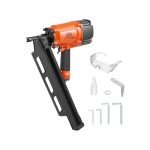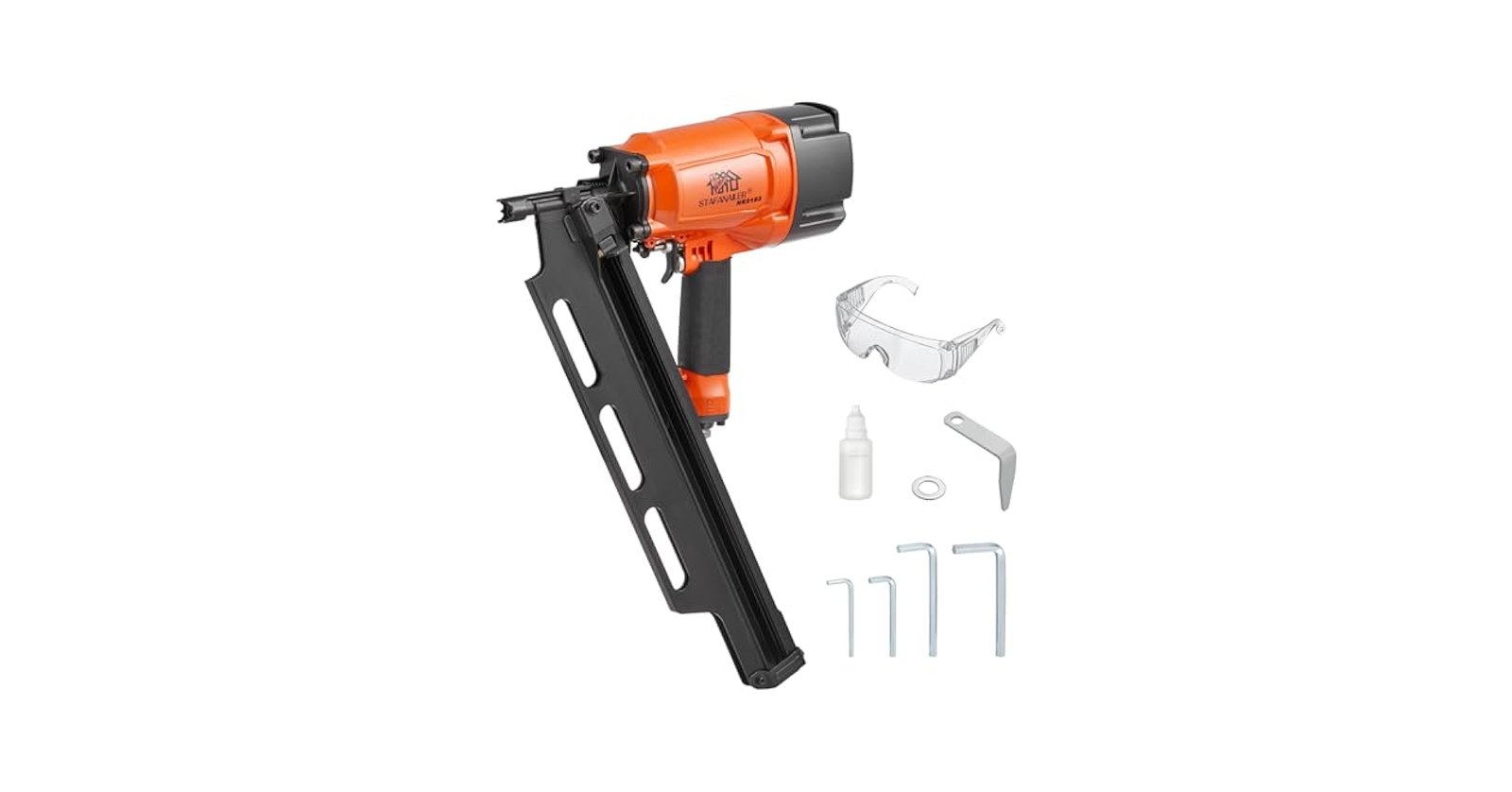
When it comes to tackling your next big building project, having the right tools makes all the difference. Choosing the best framing nailer is one decision that can save you time, effort, and frustration.
You want a tool that fits your needs, feels comfortable in your hand, and delivers reliable performance every time. In this guide, you’ll discover exactly what to look for so you can make a smart choice and get your job done faster and easier.
Keep reading to find out how to pick a framing nailer that works perfectly for you.
Credit: www.craftsman.com
Types Of Framing Nailers
Choosing the right framing nailer can make your work faster and easier. There are several types of framing nailers. Each type has its own power source and uses.
Understanding these types helps you pick the best tool for your projects. Let’s look at the main kinds of framing nailers available.
Pneumatic Nailers
Pneumatic nailers use compressed air to drive nails. They need an air compressor to work. These nailers are strong and reliable for heavy jobs.
- Require an air hose and compressor
- Provide consistent power for deep nail driving
- Usually lighter in weight than cordless models
- Often used by professionals on large projects
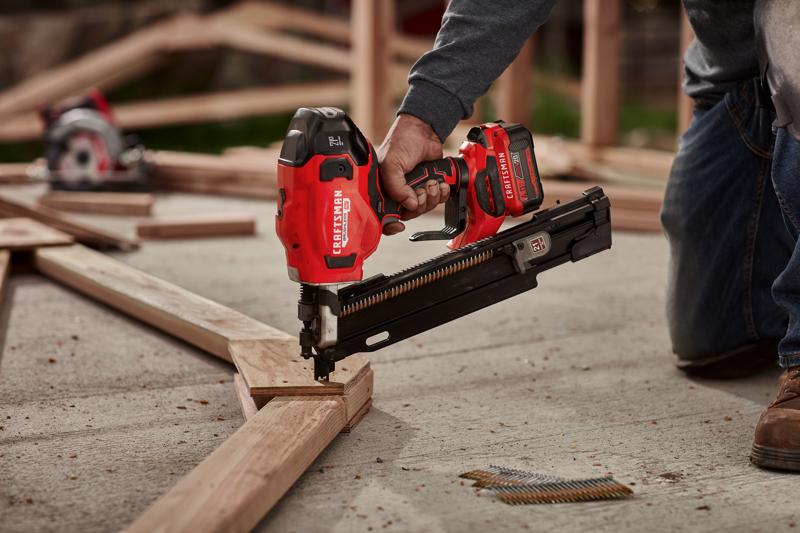
Cordless Nailers
Cordless nailers run on batteries. They offer great freedom of movement. You do not need to connect to air or power cords.
- Battery powered with no air hose needed
- Easy to carry around job sites
- Good for quick or small framing tasks
- May need recharging during long use
Gas-powered Nailers
Gas-powered nailers use fuel cells and batteries. They are very portable and fast. These nailers are good for outdoor work without power access.
| Feature | Benefit |
| Uses fuel cells and battery | Works without cords or hoses |
| Lightweight design | Easy to handle for long periods |
| Quick reload | Less downtime on projects |
| Works well outdoors | Ideal for remote job sites |
Electric Nailers
Electric nailers plug into power outlets. They do not need air or fuel. These nailers are good for light to medium tasks indoors.
- Plug into standard electrical outlets
- Do not require compressors or fuel
- Lower noise than pneumatic models
- Less powerful, best for small projects

Credit: www.amazon.com
Key Features To Consider
Choosing the right framing nailer helps you work faster and safer. Look at the important features before buying.
Each feature affects how well the tool fits your needs and job type.
Nail Size Compatibility
Check what nail sizes the nailer can handle. Different projects need different nail lengths and thicknesses.
- Short nails for light framing and trim work
- Longer nails for heavy framing and construction
- Check if the nailer supports both clipped head and full round head nails
Magazine Capacity
The magazine holds the nails before firing. A bigger capacity means fewer reloads and faster work.
| Magazine Size | Best For |
| 20-30 nails | Small jobs, trim work |
| 40-50 nails | Medium projects, framing walls |
| 60+ nails | Large projects, heavy framing |
Weight And Ergonomics
A lighter nailer reduces arm strain during long use. Look for one with a comfortable grip.
Ergonomic designs help you hold the tool steady and improve accuracy.
Depth Adjustment
Depth adjustment controls how far the nail goes into the wood. This feature helps avoid surface damage.
- Shallow depth for delicate trim or finished surfaces
- Deeper depth for framing where nails must be hidden or strong
- Easy-to-use adjustment helps save time
Jam Clearing Mechanism
Nail jams happen often. A good jam clearing system lets you fix problems fast.
Look for these jam clearing features:
- Quick-release magazine
- Tool-free access panels
- Clear instructions for jam removal
Power Source Options
Choosing the right power source for your framing nailer affects its performance and ease of use. Each power source type has unique needs and benefits. Understanding these can help you pick the best tool for your projects.
We will look at air compressor needs, battery life and charging, and fuel cell use. This guide focuses on these key areas to simplify your decision.
Air Compressor Requirements
Air-powered framing nailers use compressed air to drive nails. They need a compatible air compressor that meets specific pressure and flow rates.
- Check the nailer’s required PSI (pounds per square inch) and CFM (cubic feet per minute).
- Choose an air compressor that can deliver at least the minimum PSI and CFM.
- Consider the compressor’s tank size for longer work times without refilling.
- Look for models with oil-free pumps for easier maintenance.
Battery Life And Charging
Battery-powered framing nailers offer cordless convenience. Battery life and charging speed are key factors to check before buying.
| Battery Feature | Details |
| Battery Type | Usually lithium-ion for better power and lifespan |
| Average Run Time | Varies from 200 to 1000 nails per charge |
| Charging Time | Ranges from 30 minutes to 2 hours |
| Spare Batteries | Having extras reduces downtime |
Fuel Cell Usage
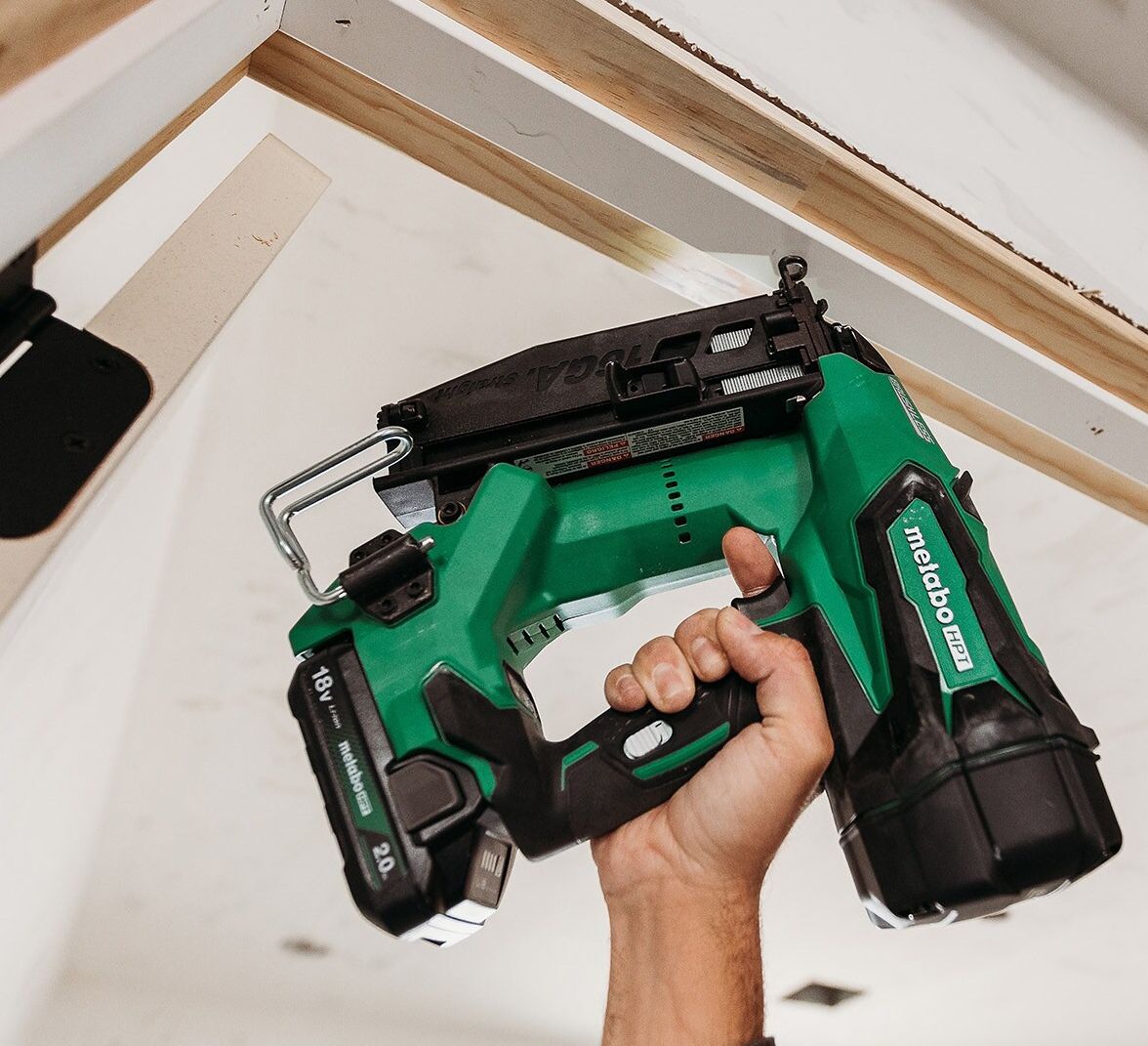
Fuel cell nailers use a small gas canister to power the tool. They offer good power without needing cords or compressors.
Benefits of fuel cell framing nailers:
- Lightweight and portable
- Quick restart after refueling
- Consistent power for heavy tasks
- Requires buying and storing fuel cells
Credit: www.popularmechanics.com
Safety And Comfort
Choosing the right framing nailer helps keep you safe on the job. Comfort also matters to reduce hand fatigue.
Look closely at features that improve control, reduce accidents, and make your work easier.
Trigger Types
Framing nailers have different trigger types. Each affects safety and comfort during use.
- Sequential Trigger:Fires one nail at a time. It lowers the chance of accidental shots.
- Bump Trigger:Fires nails quickly by bumping the nose. It speeds up work but needs careful handling.
- Single Trigger:Combines features of sequential and bump triggers. It offers flexibility and control.
Anti-dry Fire Features
This feature stops the nailer from firing when out of nails. It protects the tool and user.
| Benefit | Reason |
| Prevents Tool Damage | No nails means no dry firing that wears parts. |
| Increases User Safety | Avoids unexpected shots that can cause injury. |
| Saves Time | Alerts you to reload nails instead of wasting time fixing jams. |
Ergonomic Design
Comfort comes from how the nailer feels in your hand. Ergonomic designs reduce strain.
- Soft grip handles reduce vibration and hand fatigue.
- Lightweight frames make it easier to hold longer.
- Balanced weight helps with precise aiming.
- Compact shapes fit better in small spaces.
Noise Levels
High noise can harm hearing and cause discomfort. Choose nailers with lower sound levels.
Wear hearing protection and check decibel ratings before buying. Quieter tools help you work longer safely.
Top Brands And Models
Choosing the best framing nailer depends on your needs and skill level. Different brands offer models suited for professionals, hobbyists, and budget buyers.
We highlight top framing nailers by category. This guide helps you find a reliable tool for your projects.
Best For Professionals
Professional framing nailers need to be durable and fast. They often have features that improve efficiency and comfort.
- DeWalt DWF83PL – Known for power and precision.
- Bostitch F21PL – Lightweight with an adjustable depth control.
- Hitachi NR90AES1 – Offers good balance and a strong motor.
- Paslode 905600 – Cordless model for easy mobility.
Best For Diy Enthusiasts
DIY users want a nailer that is easy to use and versatile. These models provide good control and safety features.
| Model | Weight | Power Source |
| Ryobi P320 | 6.8 lbs | Battery |
| Metabo HPT NR90AES1 | 7.1 lbs | Air Compressor |
| Porter-Cable FN250C | 6.6 lbs | Air Compressor |
Budget-friendly Options
Affordable framing nailers still offer good performance for occasional use. These models balance price and quality well.
Consider these budget options:
- Campbell Hausfeld FN250 – Solid build at a low price.
- NuMax SFR2190 – Comes with safety features and easy loading.
- WEN 61711 – Compact and lightweight for small projects.
Maintenance Tips
Keeping your framing nailer in good shape helps it last longer. Regular care makes it work safely and well every time.
Follow simple maintenance steps to avoid problems and save money on repairs.
Cleaning Procedures
Clean your framing nailer after each use. Dust and debris can cause jams and wear parts faster.
Use a soft brush or compressed air to remove dirt from tight spots. Wipe the outside with a dry cloth.
- Remove nails and disconnect power before cleaning
- Blow out dust from the magazine and trigger area
- Wipe all surfaces to prevent rust and buildup
- Apply light oil to moving parts if needed
Regular Inspection
Check your framing nailer often for signs of wear or damage. Early fixes prevent bigger problems.
Look at the nailer’s body, trigger, and magazine. Make sure all screws are tight and parts move smoothly.
- Inspect the air hose and fittings for leaks
- Check the safety mechanisms work properly
- Look for cracks or dents on the frame
- Test the trigger and nail feeding action
Troubleshooting Common Issues
Your framing nailer may jam or misfire sometimes. Fixing small problems keeps it running well.
Follow these tips to solve frequent issues quickly and safely.
- If nails jam, clear the magazine and remove bent nails
- Check the air pressure if nails do not fire properly
- Lubricate the nailer if it feels stiff or sticky
- Replace worn or broken parts as soon as you notice them
Project Suitability
Choosing the right framing nailer depends on your project type. Different projects need different power and nail sizes.
Understanding which nailer fits your work helps you build faster and safer.
Framing Walls
Framing walls require a nailer that drives large nails quickly and deeply. Look for a tool that handles 3 to 3.5 inch nails. It should be durable to hold up under long use.
Deck Building
Deck building needs a nailer that works well with treated wood. It must drive corrosion-resistant nails and offer adjustable depth control. Portability is a plus for outdoor work.
- Use galvanized or stainless steel nails
- Choose a nailer with depth adjustment
- Pick a lightweight model for ease
Roofing
Roofing requires a nailer designed for thinner nails, usually 1 to 1.5 inches. The tool must be fast and accurate to avoid damaging shingles. A compact nailer helps in tight roof spaces.
Fencing
Fencing projects need a nailer that can handle rough wood and outdoor conditions. It should use nails that resist rust. A model with good balance makes long hours easier.
| Project | Nail Size | Key Features |
| Framing Walls | 3 to 3.5 inches | High power, durability |
| Deck Building | 2.5 to 3 inches | Corrosion resistance, depth control |
| Roofing | 1 to 1.5 inches | Speed, compact size |
| Fencing | 2 to 3 inches | Rust resistance, balance |
Buying Tips
Choosing the right framing nailer makes your work easier and faster. This guide covers key points to help you pick a good tool.
Look at warranty, where to buy, and price versus performance to get the best value for your money.
Warranty And Support
A solid warranty protects you from defects and issues. Check how long the warranty lasts and what it covers.
- Look for at least one year of coverage
- Check if parts and labor are included
- See if customer support is easy to reach
- Find out if there are service centers near you
Where To Buy
Buy from trusted stores or websites. This helps ensure you get a real product and good customer service.
- Local hardware stores offer hands-on advice
- Online retailers provide many choices and reviews
- Check return policies before buying
- Compare prices across sellers
Price Vs. Performance
Price does not always mean better quality. Balance cost with the features and durability you need.
| Price Range | Performance Level | Best For |
| Low ($100 – $150) | Basic tasks | DIY and light framing |
| Mid ($150 – $250) | Good for regular use | Home projects and small jobs |
| High ($250+) | Heavy-duty and fast | Professional contractors |
Frequently Asked Questions
What Is A Framing Nailer Used For?
A framing nailer is a power tool used to drive large nails into wood. It’s ideal for framing walls, building decks, and other heavy-duty construction tasks. It speeds up work and ensures nails are driven consistently and securely.
How To Choose The Best Framing Nailer?
Consider nail size compatibility, power source, weight, and ergonomics. Choose a model that fits your project needs and budget. Look for durability, ease of use, and safety features to ensure efficient and safe operation.
What Power Sources Do Framing Nailers Use?
Framing nailers typically run on pneumatic (air), cordless battery, or gas power. Pneumatic models require an air compressor. Cordless and gas versions offer portability but may need refills or charging.
Are Framing Nailers Suitable For Diy Beginners?
Yes, but beginners should choose lightweight, user-friendly models. Practice safety and follow instructions carefully. Start with smaller projects to build confidence before tackling larger framing jobs.
Conclusion
Choosing the best framing nailer doesn’t have to be difficult. Focus on your specific needs and budget. Consider the nailer’s weight and power. A lightweight model offers comfort for long projects. Ensure it can handle various nail sizes. Check for easy maintenance features.
Look for positive reviews from other users. This ensures reliability and efficiency. Prioritize safety features to prevent accidents. Remember, a good framing nailer saves time and effort. It boosts your project quality. Make an informed choice and enjoy smoother construction tasks.