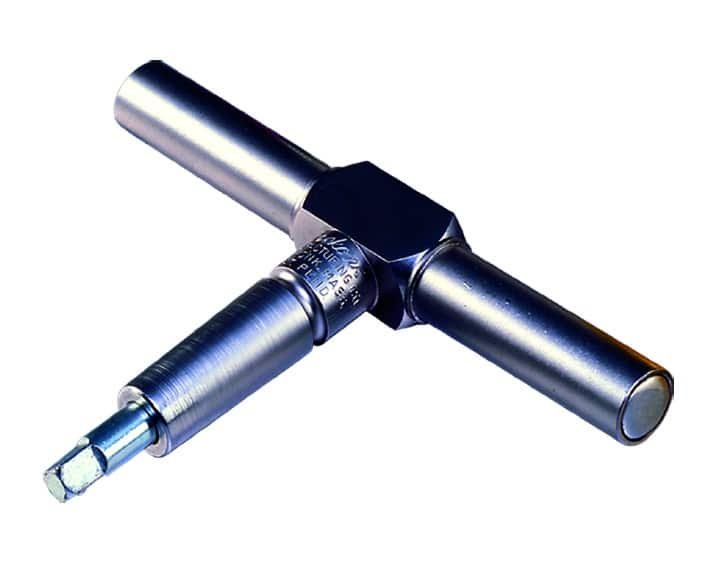
If you’ve ever struggled to tighten or loosen bolts in tight spaces, a T-handle wrench could be your new best friend. But just having the tool isn’t enough—you need to know how to use it right to save time and avoid damage.
In this guide, you’ll discover simple tips and tricks to handle your T-handle wrench like a pro. By the end, you’ll feel confident tackling those tricky jobs with ease and precision. Ready to make your work faster and smoother? Let’s get started!
Choosing The Right T-handle Wrench
Using a T-handle wrench makes turning bolts and screws easier. Picking the right wrench helps you work better and faster.
There are different types and sizes of T-handle wrenches. You also need to check the build quality to get the best tool for your job.
Types Of T-handle Wrenches
T-handle wrenches come in several styles. Each style fits different tasks and tools.
- Hex T-Handle Wrenches:Used for hex bolts and screws.
- Torx T-Handle Wrenches:Designed for star-shaped Torx screws.
- Socket T-Handle Wrenches:Have a socket to fit nuts and bolts.
- Adjustable T-Handle Wrenches:Can fit various sizes with one tool.
Selecting The Correct Size
Choose a T-handle wrench that matches the size of your bolt or screw. Using the wrong size can damage the tool or the fastener.
Check the size markings on the wrench. Always try the wrench on the fastener before starting work.
- Too small: wrench slips and rounds the bolt.
- Too large: wrench won’t fit into tight spaces.
- Right size: fits snugly and turns smoothly.
Material And Build Quality
High-quality materials make the wrench strong and long-lasting. Look for wrenches made from steel or alloy metals.
Good build quality means the handle feels comfortable and the tool won’t bend or break easily.
- Steel:Very strong and durable.
- Chrome Vanadium:Resists rust and lasts longer.
- Plastic or Rubber Handles:Provide a good grip and comfort.
Preparing For Use
Using a T-handle wrench properly starts with good preparation. Taking time before work helps you finish safely and well.
Getting ready means checking your tool, cleaning the area, and wearing the right safety gear.
Inspecting The Tool
Look over the T-handle wrench before you use it. Make sure it is not broken or damaged.
Check the handle and the shaft for cracks or bends. Ensure the wrench fits the bolts or nuts well.
- Check for rust or dirt on the wrench
- Make sure the handle is tight and secure
- Confirm the wrench size matches your task
Cleaning The Work Area
Clear the space where you will work. A clean area keeps you safe and helps you find tools fast.
Remove any dirt, oil, or clutter that could cause slips or distractions during your work.
- Wipe the surface dry and free of grease
- Organize tools nearby for easy reach
- Make sure the floor is clear of obstacles
Wearing Safety Gear
Always wear safety gear to protect yourself. Safety gear reduces the chance of injury while using the wrench.
Use gloves to protect your hands and goggles to shield your eyes from debris.
- Wear sturdy gloves for hand protection
- Use safety glasses or goggles
- Consider wearing closed shoes for foot safety
Proper Grip And Positioning
Using a T-handle wrench the right way helps you work safely and efficiently. Proper grip and positioning improve control and reduce hand strain.
Knowing how to hold and position your body allows you to apply more force without slipping. This guide explains key tips for better use.
Hand Placement Techniques
Place your hands firmly on the T-handle’s crossbar. Your dominant hand should grip the center for control.
The other hand can support one side of the handle to add stability and balance. Avoid holding only one side.
- Keep your grip strong but not too tight to avoid fatigue.
- Use both hands to spread the force evenly.
- Make sure your thumbs wrap around the handle for a secure hold.
Body Position For Maximum Torque
Stand close to the work area with feet shoulder-width apart. This stance keeps you balanced and stable.
Position your body so your arms are aligned with the wrench. This alignment helps you apply force directly and safely.
- Keep your back straight to avoid strain.
- Use your body weight to add pressure, not just your arm strength.
- Face the wrench squarely to avoid twisting your wrist.
Avoiding Common Mistakes
Do not grip the wrench too loosely. This can cause slipping and injury.
Avoid twisting your wrist while turning. This reduces torque and can hurt your arm.
- Do not overreach or stretch your arms too far.
- Never use a T-handle wrench with oily or wet hands.
- Check the wrench size to fit the fastener perfectly before use.

Credit: www.gripedgetools.com
Effective Turning Techniques
Using a T-handle wrench correctly makes tasks easier and safer. It helps you turn fasteners with less effort.
Good turning techniques reduce slipping and damage to fasteners. Focus on steady pressure and control for best results.
Applying Steady Pressure
Apply steady pressure to avoid sudden slips. Push or pull the wrench smoothly without jerking motions.
Keep the pressure consistent to loosen or tighten fasteners evenly. This helps protect the tool and the fastener.
Using Both Hands For Control
Hold the T-handle wrench with both hands for better control. One hand grips the handle, the other guides the shaft.
This grip helps you turn with more power and keeps the wrench steady. It also reduces hand fatigue during long tasks.
- Place your dominant hand on the handle
- Use your other hand near the shaft for stability
- Turn slowly and adjust grip as needed
Dealing With Stuck Fasteners
Stuck fasteners need extra care to avoid damage. Start by applying firm but controlled pressure.
If the fastener does not move, try gentle rocking motions back and forth. This can help break the rust or dirt.
- Use penetrating oil to loosen rust
- Tap the wrench gently with a hammer to loosen
- Avoid forcing too hard to prevent stripping
Maintaining Your T-handle Wrench
Keeping your T-handle wrench in good shape helps it last longer. Proper care makes it easier to use.
Simple maintenance steps prevent rust and damage. These steps keep your wrench working well.
Cleaning After Use
Clean your wrench after every use. Dirt and grease can cause it to wear out faster.
Wipe the wrench with a dry cloth. Use a brush to remove stuck dirt in hard spots.
- Use a soft cloth for wiping
- Apply mild soap and water if very dirty
- Dry completely to avoid rust
Lubrication Tips
Lubricate moving parts to keep the wrench smooth. It reduces friction and wear.
Apply a few drops of light machine oil on the joints. Wipe off extra oil to prevent dust build-up.
- Use oil made for tools
- Lubricate regularly, especially after cleaning
- Check for stiff parts and oil them
Storage Recommendations
Store your wrench in a dry, clean place. Avoid damp areas to stop rust from forming.
Use a toolbox or hang it on a pegboard. Keep it separate from other tools to prevent damage.
- Keep in a toolbox or drawer
- Store away from moisture and dust
- Use protective covers if available

Credit: www.walmart.com
Advanced Tips And Tricks
Using a T-handle wrench can be easy, but using it well takes skill. These tips help you work smarter and faster.
Learn how to add parts, pair with other tools, and fix common problems to improve your work.
Using Extensions And Adapters
Extensions and adapters let you reach bolts in tight spaces. They also change the angle of the wrench.
Choose the right size and type for your wrench to keep control and avoid slipping.
- Use a short extension for small gaps
- Long extensions reach deep bolts
- Adapters help switch between socket sizes
- Check the fit before applying force
Combining With Other Tools
Pair your T-handle wrench with other tools to improve power and control. This helps with tight or stuck bolts.
Use a breaker bar or ratchet with your wrench for better leverage and faster turning.
- Attach a breaker bar for extra torque
- Use a ratchet for quick socket changes
- Combine with pliers for grip on damaged bolts
- Keep tools clean to prevent slipping
Troubleshooting Common Issues
Sometimes the wrench slips or does not fit well. Fix these issues to avoid damage and work safely.
Check for worn parts, wrong socket size, or debris blocking the tool.
- Replace worn sockets and handles
- Use the exact socket size for bolts
- Clean tools and bolts before use
- Apply steady pressure, not sudden force

Credit: www.amazon.co.uk
Frequently Asked Questions
What Is A T-handle Wrench Used For?
A T-handle wrench is used for tightening or loosening fasteners. It provides better grip and torque. It’s ideal for precision work and hard-to-reach places. This tool enhances control and reduces hand fatigue during tasks.
How Do You Grip A T-handle Wrench Correctly?
Grip the T-handle wrench by holding the crossbar firmly. Use both hands if extra torque is needed. Position your hands at the ends for maximum leverage. A proper grip ensures precise control and prevents slipping.
Can A T-handle Wrench Work On All Bolt Sizes?
T-handle wrenches come in various sizes suited for specific bolts. Choose the correct size to avoid damage. Using the right wrench ensures efficient work and prolongs tool life. Always match the wrench size to the fastener.
How To Avoid Stripping Bolts With A T-handle Wrench?
Ensure the wrench fits snugly on the bolt head. Apply steady, even pressure without forcing. Avoid over-tightening, which can strip threads. Using the correct size and technique prevents damage and extends fastener life.
Conclusion
Using a T-handle wrench can make tasks easier. Choose the right size for your job. Hold the handle firmly for better control. Keep your work surface stable to avoid slips. Practice using the wrench to improve your skill. Proper use ensures safety and efficiency.
Remember to clean and store it properly after use. This will extend the life of your tool. With these tips, you can handle any job with confidence. Enjoy the process and happy wrenching!