If you’ve ever struggled to shape wood without leaving marks or damaging your tools, a woodworking mallet might be the simple solution you need. Knowing how to use a woodworking mallet correctly can make your projects smoother, safer, and more precise.
Whether you’re a beginner or looking to improve your skills, this guide will show you exactly how to handle your mallet like a pro. Keep reading to unlock the secret to better control and cleaner results in your woodworking.

Credit: m.youtube.com
Choosing The Right Mallet
Choosing the right woodworking mallet helps you work safely and efficiently. The right mallet protects your tools and wood from damage.
Different types of mallets suit different tasks. Knowing the materials and weight helps you pick one that fits your project.
Types Of Woodworking Mallets
Woodworking mallets come in many styles. Some have wooden heads, others use rubber or rawhide. The shape and size change the force you apply.
- Traditional wooden mallets are light and easy to control.
- Rubber mallets reduce damage on soft surfaces.
- Rawhide mallets provide a softer blow for delicate work.
- Dead blow mallets limit rebound for precise hits.
Materials And Weight Considerations
| Material | Weight | Best Use |
| Hardwood | Medium | General woodworking |
| Rubber | Light | Soft materials and assembly |
| Rawhide | Light to medium | Fine joinery and delicate work |
| Metal with rubber coating | Heavy | Heavy-duty striking |
Selecting Based On Project Needs
Pick your mallet by what you need to do. A light mallet works well for small joints. Heavy mallets fit tough tasks like chiseling hardwood.
- Use hardwood mallets for carving and shaping wood.
- Choose rubber mallets for fitting parts without marks.
- Go for rawhide mallets if you work with soft or fragile wood.
- Heavy mallets help when you need more force and control.

Credit: forgedsteeltools.com
Preparing For Use
Using a woodworking mallet safely starts with proper preparation. This helps you work better and avoid accidents.
Before you begin, check your mallet and workspace carefully. Follow these steps to get ready.
Inspecting The Mallet
Look over the mallet to make sure it is in good shape. Check the head and handle for any cracks or damage.
- Make sure the head is firmly attached to the handle.
- Check for loose parts or splinters on the handle.
- Look for any signs of wear that could cause the mallet to break.
- Clean off any dirt or debris from the mallet before use.
Setting Up Your Workspace
A clean and organized workspace helps you work safely and efficiently. Arrange your tools and materials within easy reach.
| Workspace Item | Purpose | Tips |
| Workbench | Stable surface for your work | Ensure it is sturdy and clear of clutter |
| Lighting | Good visibility | Use bright, even light to reduce shadows |
| Tool Storage | Keep tools organized | Place frequently used tools nearby |
| Waste Bin | Dispose of scraps safely | Empty regularly to avoid pileup |
Safety Precautions
Safety is important before and during mallet use. Follow these precautions to protect yourself.
- Wear safety goggles to protect your eyes from wood chips.
- Use gloves if you need extra grip or protection.
- Keep your workspace free of tripping hazards.
- Make sure others know you are working with tools nearby.
- Always strike the chisel or workpiece with controlled force.
Proper Grip And Handling
Using a woodworking mallet correctly helps you work safely and precisely. Holding the mallet the right way gives you better control.
This guide covers how to grip and handle the mallet for best results and fewer mistakes.
Hand Positioning Techniques
Place your dominant hand around the mallet handle firmly but not too tight. Your thumb should rest along the handle’s side.
- Wrap your fingers fully around the handle
- Keep your thumb on the opposite side of your fingers
- Hold near the end of the handle for better leverage
- Keep your wrist straight to avoid strain
Maintaining Control And Precision
Use smooth, controlled swings rather than fast, wild hits. This helps you hit the wood exactly where needed.
| Tip | How to Do It |
| Keep wrist firm | Hold mallet with steady wrist to guide the blow |
| Use elbow and shoulder | Move arm from elbow and shoulder, not just wrist |
| Focus on target | Look at the wood piece to aim your strike carefully |
| Control force | Adjust swing strength for delicate or strong hits |
Avoiding Common Mistakes
Many beginners hold the mallet too tightly or swing with the wrist only. These habits cause tired hands and less accuracy.
- Do not grip the handle too hard; it causes fatigue.
- Avoid swinging with only your wrist; use your whole arm.
- Do not strike at an angle; hit straight down for best results.
- Keep your fingers away from the mallet head to prevent injury.
Effective Striking Techniques
Using a woodworking mallet properly helps you work safely and precisely. Good striking techniques protect your tools and wood.
Learn how to control your force and use the mallet with chisels. Knowing when to tap or strike makes your work better.
Adjusting Force For Different Tasks
Use light taps for delicate tasks and stronger strikes for heavy work. Adjust your force to avoid damaging the wood or tools.
Start with gentle hits and increase force as needed. This approach helps you control the tool and finish clean cuts.
- Light force for small joints and finishing touches
- Medium force for shaping and fitting parts
- Strong force for splitting or rough shaping wood
Using The Mallet With Chisels
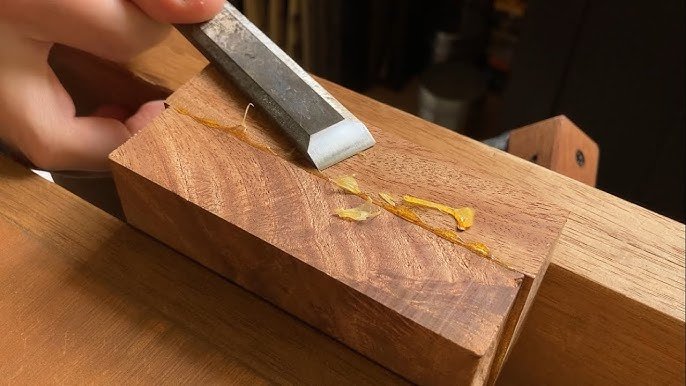
Hold the chisel firmly and strike the mallet on the chisel handle. Use the mallet’s flat face for better control.
Keep your wrist steady to guide the chisel. Strike the handle straight to avoid bending or slipping.
- Grip the chisel near the blade for control
- Hit the mallet squarely on the handle
- Use smooth, controlled strikes for clean cuts
Tapping Vs. Striking
Tapping uses light, gentle hits to adjust or start cuts. Striking uses stronger hits to drive tools deeper or split wood.
Tap when you want precision and control. Strike when you need power and speed.
- Tapping: small, soft hits for fine work
- Striking: firm, strong hits for heavy tasks
- Use tapping to avoid mistakes
- Use striking to speed up tough jobs
Maintaining Your Mallet
Keeping your woodworking mallet in good shape helps it work better and last longer. Regular care stops damage and keeps the wood strong.
Follow simple steps for cleaning, fixing, and storing your mallet. This protects your tool and saves money over time.
Cleaning And Storage Tips
After using your mallet, wipe it with a dry cloth to remove dust and dirt. Avoid soaking it in water to prevent swelling.
- Keep the mallet in a dry place away from moisture.
- Store it where it won’t fall or get knocked around.
- Use a cloth cover or case for extra protection.
- Apply wood oil occasionally to keep the wood from drying out.
Repairing Damage
Small cracks or dents can appear on your mallet after use. Fix these early to avoid bigger problems.
Sand rough spots lightly with fine sandpaper. Use wood glue to fill cracks, then clamp the mallet until dry.
| Damage Type | Repair Method | Tools Needed |
|---|---|---|
| Small Cracks | Apply wood glue and clamp | Wood glue, clamps |
| Dents | Smooth with fine sandpaper | Fine sandpaper |
| Loose Handle | Tighten or re-glue the joint | Wood glue, hammer |
Extending Mallet Lifespan
Regular care helps your mallet last for years. Avoid heavy hits on hard materials to prevent damage.
- Clean and dry the mallet after each use.
- Store it in a stable, dry place.
- Check for damage regularly and repair it fast.
- Apply wood oil every few months.
- Use the mallet only for woodworking tasks.

Credit: www.youtube.com
Advanced Tips For Craftsmanship
Using a woodworking mallet well can improve your skills and results. This guide offers tips beyond basic use. Focus on customizing, joinery, and tool combination.
Each section covers key techniques to help you work with more control and precision. Learn how to adapt your mallet and use it with other tools for fine craftsmanship.
Customizing Your Mallet
Adjusting your mallet can boost comfort and effectiveness. Choose wood types and shapes that fit your hand and project needs. Adding grip can reduce slips and increase control.
- Select hardwood like maple or oak for durability.
- Carve the handle to fit your grip size.
- Sand the mallet head smooth to prevent wood dents.
- Apply linseed oil for protection and better feel.
- Add leather or rubber bands for extra grip.
Incorporating Mallet Use In Joinery
The mallet is key in joinery to assemble parts without damage. Use gentle taps to fit joints tightly. Avoid heavy blows that can split wood. You can also protect the mallet face for soft strikes.
| Joinery Type | Mallet Use Tip |
| Mortise and Tenon | Tap tenon lightly to fit snugly. |
| Dovetail | Use soft mallet face to avoid marking tails. |
| Box Joints | Strike evenly to keep parts square. |
| Dowels | Tap dowels gently to align holes. |
Combining Tools For Precision
Using a mallet with other tools can improve accuracy. For example, pair it with a chisel for clean cuts. The mallet controls force better than a hammer. Use both hands to steady tools and guide blows.
Tips for combining tools:
- Hold the chisel firmly at the right angle.
- Tap the mallet softly to start the cut.
- Increase force gradually for deeper cuts.
- Use a marking gauge with the mallet for layout.
- Keep tools sharp for smooth work.
Frequently Asked Questions
What Is The Primary Use Of A Woodworking Mallet?
A woodworking mallet is mainly used to strike chisels without damaging their handles. It helps apply controlled force for precise carving and joinery tasks. The soft wooden head avoids marring the workpiece, making it ideal for delicate woodworking projects.
How Do You Hold A Woodworking Mallet Properly?
Hold the mallet firmly by its handle near the end. Use a comfortable grip that allows controlled, accurate strikes. Keep your wrist relaxed and swing with your arm for smooth, even force. This improves precision and reduces fatigue during woodworking.
Can A Woodworking Mallet Damage Wood Surfaces?
No, a woodworking mallet is designed to prevent damage. Its wooden head absorbs impact and distributes force evenly. This avoids dents or marks on wood surfaces unlike metal hammers. It is perfect for gentle assembly and delicate woodworking tasks.
What Types Of Wood Are Best For Mallet Heads?
Hardwoods like beech, maple, or oak are ideal for mallet heads. They offer durability and resist splitting during repeated strikes. These woods provide the right balance of hardness and shock absorption for effective woodworking mallets.
Conclusion
Using a woodworking mallet can be straightforward with practice. Start by selecting the right mallet for your project. Hold it firmly and strike with controlled force. This avoids damaging your workpiece. Always maintain a steady grip for precision. Practice makes you more comfortable over time.
Remember to store your mallet properly after use. This ensures its longevity. Regularly check for wear and tear. Replace when necessary to maintain effectiveness. With these simple steps, your woodworking projects will benefit greatly. Happy crafting with your mallet!