
Are you ready to unlock the full potential of your jigsaw? Whether you’re a beginner or have some experience, knowing the best ways to use this versatile tool can save you time and make your projects look professional.
Imagine cutting perfect curves, making precise straight lines, and tackling materials like wood, metal, or plastic with ease. You’ll discover simple tips and clever techniques that will boost your confidence and help you get the job done right every time.
Keep reading, and soon your jigsaw will become your favorite tool in the workshop.
Choosing The Right Jigsaw
A jigsaw is a useful tool for cutting curves and shapes in wood and other materials. Choosing the right jigsaw makes your work easier and more precise.
This guide covers the types of jigsaws, blade choices, and power settings to help you pick the best one for your needs.
Types Of Jigsaws
There are several jigsaw types, each designed for different tasks and user needs. Knowing these helps you select the right tool.
- Corded Jigsaws:Offer constant power without battery limits.
- Cordless Jigsaws:Provide portability but need recharging.
- Orbital Jigsaws:Move the blade in a slight forward and backward motion for faster cuts.
- Top-Handle Jigsaws:Easy to control for detailed work.
- Barrel-Grip Jigsaws:Allow better control for curved cuts.
Blade Selection
Choosing the right blade affects cut quality and tool performance. Different blades suit different materials and cuts.
| Blade Type | Material | Use | Tooth Count |
|---|---|---|---|
| High-Carbon Steel | Wood, Soft Plastics | General cutting | 6-10 TPI |
| Bimetal | Wood, Metal | Durable and versatile | 10-20 TPI |
| Carbide Grit | Tile, Masonry | Cut hard materials | None (grit edge) |
| High-Speed Steel | Metal | Cut thin metal sheets | 20-24 TPI |
Power And Speed Settings
Power and speed control affect how well a jigsaw cuts different materials. Adjust these settings to match your project.
Most jigsaws have variable speed controls, usually in a dial or trigger form. Use lower speeds for metal and plastics. Use higher speeds for wood.
Orbital action settings help with faster cuts but reduce precision. Turn off orbital action for clean and detailed cuts.
Preparing For A Precise Cut
Using a jigsaw requires careful preparation to get clean and accurate cuts. Proper setup helps you avoid mistakes and keeps you safe.
Focus on measuring, securing your material, and wearing safety gear before you start cutting.
Marking And Measuring
Mark the cut line clearly on the workpiece using a pencil or marker. Use a ruler or tape measure to get exact measurements. Double-check your marks before cutting.
- Measure twice, cut once
- Use a straight edge for long lines
- Mark curves with flexible templates
- Ensure marks are visible but thin
Securing The Workpiece
Keep the workpiece steady to prevent slips. Use clamps or a vise to hold it firmly. This helps you control the jigsaw better and cut accurately.
| Method | Description |
| Clamps | Attach workpiece to a workbench or table |
| Vise | Hold smaller pieces tightly in place |
| Non-slip mat | Place under the workpiece to reduce movement |
Safety Gear Essentials
Protect yourself by wearing the right safety gear. This reduces the risk of injury while using the jigsaw.
- Safety glasses to protect your eyes
- Ear protection to reduce noise
- Dust mask to avoid inhaling sawdust
- Gloves for hand protection
Cutting Techniques
Using a jigsaw correctly helps you cut wood and other materials smoothly. Different cutting techniques give you better control and cleaner results.
Understanding how to make straight, curved, and angled cuts can improve your woodworking projects.
Straight Cuts
Straight cuts are the most common use of a jigsaw. To achieve a clean straight cut, guide the saw along a marked line steadily.
Use a straight edge or a guide clamp to keep the blade on track. Keep your speed consistent to avoid rough edges.
- Mark your cutting line clearly
- Clamp a straight edge to the material
- Start the saw before touching the wood
- Move the saw slowly along the guide
- Keep the blade perpendicular to the surface
Curved Cuts
Curved cuts let you create shapes and patterns. Use a fine-toothed blade for smooth curves on wood or plastic.
Cut slowly and follow your marked line carefully. Let the saw do the work without forcing it to avoid blade bending.
- Choose a narrow blade for tight curves
- Draw the curve clearly on your material
- Start cutting slowly along the line
- Keep your hand steady and move with the saw
- Use short strokes for sharp turns
Bevel And Angle Cuts
Bevel and angle cuts add detail to your projects. Adjust the jigsaw base plate to the desired angle before cutting.
Secure the material well and cut slowly to keep the angle precise. Check your angle settings before each cut.
- Set the base plate to the correct angle
- Mark the cut line clearly on the material
- Clamp the material firmly to avoid movement
- Cut slowly and keep the saw steady
- Check the angle after cutting for accuracy
Maintaining Control
Using a jigsaw safely and accurately means keeping good control. Proper control helps you cut shapes and lines neatly.
Focus on your grip, stance, and tools to guide the blade. These tips will improve your cutting experience.
Proper Grip And Stance
Hold the jigsaw firmly but not too tight. A loose grip can cause wobbling, while a stiff grip tires your hand.
Stand with your feet shoulder-width apart. This stance keeps your body balanced and steady during cuts.
- Use your dominant hand to hold the jigsaw handle.
- Place your other hand on the workpiece for extra stability.
- Keep your body weight slightly forward to control the tool.
Managing Blade Drift
Blade drift happens when the blade moves away from your intended line. It can ruin your cut shape.
To reduce drift, use a sharp blade made for your material. Move the jigsaw slowly and steadily along the line.
- Choose the right blade size and tooth pattern.
- Keep the jigsaw base flat on the surface.
- Don’t force the blade; let it cut at its own pace.
Using Guides And Fences
Guides and fences help you cut straight lines with more accuracy. They act as physical stops for the jigsaw.
Clamp a straight edge or fence to your workpiece. Run the jigsaw base along it to keep your cut line true.
- Use a metal ruler or wooden strip as a guide.
- Secure the guide firmly before cutting.
- Check the guide position before starting the jigsaw.
Common Mistakes To Avoid
Using a jigsaw can be easy if you know what to do. Many people make simple mistakes that cause problems. Avoid these common errors to get better results and stay safe.
Here are some common mistakes when using a jigsaw. Learn how to avoid them for smoother work and longer tool life.
Using The Wrong Blade
Choosing the wrong blade can damage your material or the jigsaw. Each blade suits a certain type of cut or material. Using a blade that is too coarse or too fine will cause problems.
- Use blades made for wood on wood only.
- Metal blades work best on metal sheets.
- Use fine-toothed blades for smooth cuts.
- Use coarse blades for fast, rough cuts.
- Change blades if they become dull or bent.
Forcing The Jigsaw
Applying too much pressure on the jigsaw can harm both the tool and your work. The blade needs to move freely through the material. Forcing it slows the blade and can cause it to break.
| What Happens | Why It Is Bad |
| Blade bends or breaks | Too much force on thin blade |
| Motor overheats | Tool works harder than needed |
| Uneven cuts | Blade moves off the cutting line |
| Material splinters | Blade stalls and tears wood fibers |
Neglecting Maintenance
Ignoring routine care reduces your jigsaw’s performance and life. Dust and debris can clog parts. Worn parts cause poor cuts and increase risks.
Follow this simple checklist to keep your jigsaw in good shape:
- Clean dust from vents and blade holder after each use.
- Check blade tightness before starting work.
- Oil moving parts if the manual suggests it.
- Inspect power cord for damage.
- Store the jigsaw in a dry place.
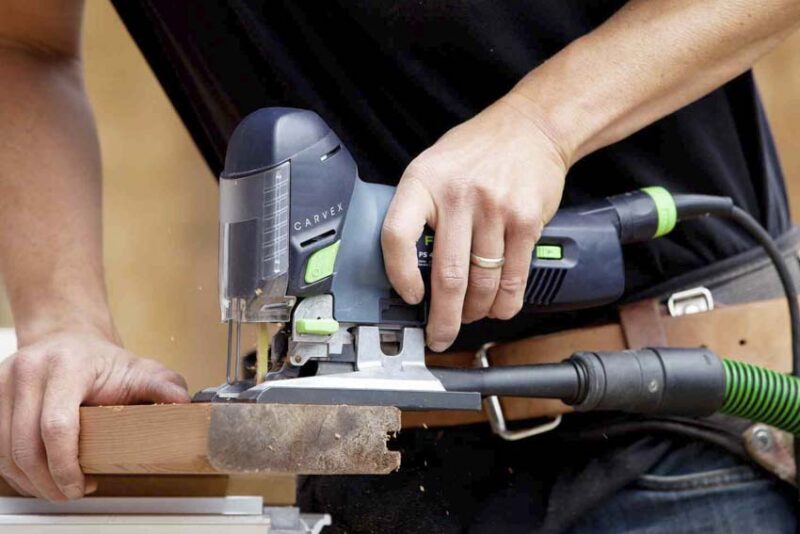
Credit: www.protoolreviews.com
Care And Maintenance Tips
Keeping your jigsaw in good condition helps it work better and last longer. Regular care is simple and saves money on repairs.
Follow these tips on cleaning, blade replacement, and storage to keep your jigsaw ready for every job.
Cleaning The Jigsaw
Clean your jigsaw after every use to remove dust and debris. Dirt buildup can cause the tool to overheat or stop working well.
- Unplug the jigsaw before cleaning.
- Use a brush to clear dust from vents and moving parts.
- Wipe the exterior with a damp cloth and mild soap.
- Dry all parts completely before storing.
- Check for rust and remove it with fine sandpaper if needed.
Blade Replacement
Sharp blades cut better and reduce motor strain. Change blades when they become dull or damaged.
| Signs to Replace Blade | Tips for Blade Replacement |
| Slow cutting speed | Unplug the jigsaw before changing blades |
| Rough or uneven cuts | Use the correct blade type for your material |
| Visible blade damage | Secure the new blade tightly in the clamp |
Storage Best Practices
Proper storage protects your jigsaw from damage and dust. Store it in a dry and safe place.
- Keep the jigsaw in its case or a tool box.
- Store in a cool, dry area away from moisture.
- Remove the blade before storing for long periods.
- Avoid placing heavy items on the tool.
- Check the jigsaw before use if stored for a long time.
Advanced Jigsaw Applications
The jigsaw is a versatile tool used beyond basic cuts. Skilled users apply it in creative and precise ways. This guide explores advanced uses for the jigsaw.
We focus on scroll cutting, inlay work, and cutting various materials. Each section explains techniques and tips to improve your results.
Scroll Cutting
Scroll cutting means making tight curves and detailed shapes. It requires a fine blade and steady hands. This technique is great for decorative projects.
- Use a thin blade designed for curves.
- Go slow to follow the lines precisely.
- Secure your workpiece firmly to avoid movement.
- Practice on scrap wood before cutting your project.
Inlay Work
Inlay work involves cutting shapes that fit into another piece. This adds detail and contrast to woodworking. Accurate cuts are key for a perfect fit.
| Tip | Details |
| Blade Type | Fine-toothed blade for clean edges |
| Cutting Speed | Slow and steady to avoid mistakes |
| Workpiece Support | Use clamps and supports to hold pieces steady |
| Finishing | Sand edges lightly for a smooth fit |
Cutting Different Materials
Jigsaws cut wood, metal, plastic, and more. Each material needs a specific blade and settings. Adjust speed and blade to match the material.
Material Cutting Tips:
- Wood:Use a coarse blade and medium speed.
- Metal:Choose a fine blade and slow speed.
- Plastic:Use a fine blade and cut gently to avoid melting.
- Ceramic Tile:Use a special blade and steady pressure.

Credit: www.yahoo.com
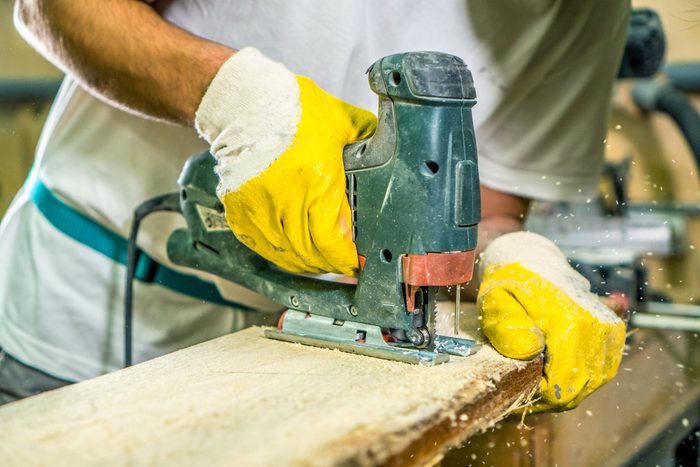
Credit: www.familyhandyman.com
Frequently Asked Questions
What Materials Can I Cut With A Jigsaw?
A jigsaw can cut wood, metal, plastic, and ceramic tiles. Use the correct blade for each material to ensure clean cuts. It’s ideal for curved and intricate cuts, making it versatile for various DIY projects and professional work.
How Do I Choose The Right Jigsaw Blade?
Select a blade based on material type and desired cut quality. Fine-toothed blades suit metal, while coarse blades work well on wood. Blade length and thickness also affect precision. Always match the blade to your project for best results.
Can A Jigsaw Make Straight Cuts Effectively?
Yes, a jigsaw can make straight cuts with a guide or fence. Using a straight edge or clamp helps maintain accuracy. While not as precise as a circular saw, a jigsaw is great for straight cuts in tight spaces.
How To Prevent Splintering When Using A Jigsaw?
Use painter’s tape along the cut line to reduce splintering. Cut on the waste side of the line and use a fine-toothed blade. Cutting slowly and steadily also helps achieve a cleaner edge without damage.
Conclusion
Using a jigsaw can enhance your DIY projects. Safety and precision are key. Start with simple cuts to build confidence. Practice makes perfect. Keep your tools sharp for cleaner cuts. Choose the right blade for each material. Always wear safety gear.
Focus on steady hands and smooth motions. Don’t rush, take your time. You’ll create beautiful pieces with patience. Remember, every expert was once a beginner. Enjoy the process and happy cutting!
