
Are you ready to take your woodworking skills to the next level? Understanding wood joinery techniques is the key to creating strong, beautiful, and lasting pieces.
Whether you’re building furniture, crafting decor, or fixing something around the house, knowing how different joints work will save you time and frustration. You’ll discover simple yet powerful methods that anyone can learn and use right away. Get ready to unlock the secrets that make your wood projects not just good, but truly impressive.
Keep reading—you won’t want to miss these essential tips!

Credit: www.youtube.com
Basic Wood Joinery Types
Wood joinery is a key skill in woodworking. It helps connect pieces of wood securely. There are many types of joints for different projects.
Each joinery type has its own strength and use. Understanding these basic joints helps you choose the right one for your work.
Butt Joints
Butt joints are the simplest wood joints. Two pieces of wood are joined by simply butting their ends together. This joint is easy but not very strong.
Lap Joints
Lap joints overlap two pieces of wood. Part of each piece is cut away to fit together. This increases the surface area for glue and adds strength.
Dado Joints
Dado joints use a groove cut into one piece of wood. The other piece fits into this groove. This joint is strong and good for shelves and cabinets.
| Wood Piece A | Wood Piece B | Purpose |
| Has groove (dado) | Fits into groove | Strong connection for shelves |
Rabbet Joints
Rabbet joints have a notch cut along the edge of one piece. The second piece fits into this notch. This joint is common in box and frame construction.
- Simple to make with basic tools
- Increases glue surface
- Gives neat corner appearance
Advanced Joinery Methods
Wood joinery techniques help connect pieces of wood securely. Advanced methods create strong and lasting joints. These techniques require skill and precision.
This guide covers four important joinery types. Each has a unique shape and purpose. Understanding them improves woodworking projects.
Mortise And Tenon
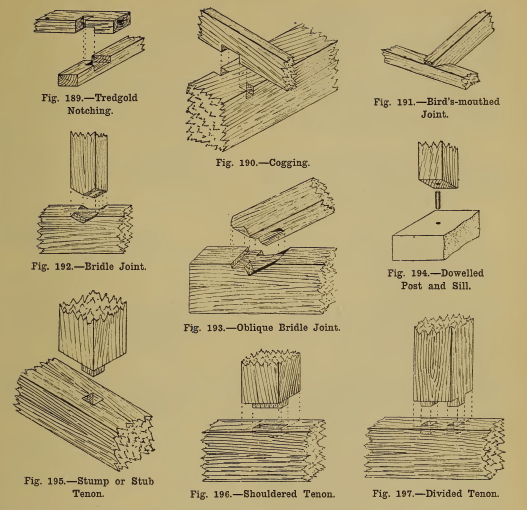
The mortise and tenon joint fits a peg-like tenon into a hole called a mortise. It is strong and often used in furniture making. This joint can be glued or pinned for extra strength.
Dovetail Joints
Dovetail joints have interlocking wedge shapes that resist pulling apart. They are common in drawer construction. This joint does not need nails or screws.
- Tail and pin shapes lock tightly
- Provide strong mechanical grip
- Offer decorative appearance
- Require precise cutting
Box Joints
Box joints use square pins and tails that fit together. They are easier to cut than dovetails but still very strong. These joints are often used for boxes and drawers.
| Feature | Box Joint | Dovetail Joint |
|---|---|---|
| Shape | Square pins and tails | Wedge-shaped pins and tails |
| Strength | Strong, good for boxes | Very strong, resists pulling |
| Difficulty | Easier to cut | Requires precise cutting |
| Appearance | Simple, clean look | Decorative and traditional |
Finger Joints
Finger joints have long, thin fingers that interlock. They add strength along the length of boards. This joint is common in wood furniture and frames.
Finger joint benefits:
- Increases glue surface
- Improves joint strength
- Allows longer boards
- Easy to machine with jigs
Tools For Precision Joinery
Precision joinery needs the right tools to ensure tight and strong joints. Good tools help woodworkers cut, shape, and fit pieces accurately.
This guide covers hand tools, power tools, and measuring tools essential for precise wood joinery.
Hand Tools Essentials
Hand tools give control and fine detail in joinery work. They are perfect for fitting and adjusting joints carefully.
- Chisels: Cut and clean joint edges precisely.
- Hand saws: Make straight and fine cuts in wood.
- Mallets: Tap chisels gently without damage.
- Marking knives: Score clean lines for cutting guides.
- Hand planes: Smooth and flatten wood surfaces.
Power Tools For Joinery
Power tools speed up joinery tasks and improve accuracy with sharp blades and steady guides.
| Tool | Use |
| Router | Create grooves, dados, and decorative edges. |
| Table Saw | Make precise rip and crosscuts. |
| Band Saw | Cut curves and resaw thick boards. |
| Drill Press | Drill straight holes for dowels and screws. |
| Jigsaw | Cut irregular shapes and tight curves. |
Measuring And Marking
Accurate measuring and marking are key for tight-fitting joints. Use quality tools to avoid errors.
- Combination square: Check angles and mark lines.
- Tape measure: Measure lengths and widths.
- Marking gauge: Mark consistent lines parallel to edges.
- Pencil or marking knife: Mark cut lines clearly.
- Calipers: Measure thickness and depths accurately.
Choosing The Right Wood
Choosing the right wood is key in wood joinery projects. The wood type affects strength, look, and durability.
Knowing basic wood types and their qualities helps pick wood that fits your project needs.
Hardwood Vs Softwood
Hardwood comes from broad-leaf trees. Softwood comes from conifers. Each type has different uses and traits.
- Hardwood:Dense, durable, often used for furniture and flooring.
- Softwood:Lightweight, easier to cut, used in construction and framing.
- Cost:Hardwoods usually cost more than softwoods.
- Workability:Softwoods are simpler to shape and nail.
Grain Patterns And Strength
Wood grain affects the look and strength of joinery. Straight grain offers better strength and stability.
| Grain Type | Appearance | Strength |
|---|---|---|
| Straight Grain | Lines run parallel | High strength, easy to work with |
| Cross Grain | Lines intersect | Weaker, can split easily |
| Wavy Grain | Curved or irregular lines | Decorative but less stable |
Wood Moisture Considerations
Wood moisture impacts joinery quality. Too wet or too dry wood can cause problems like warping or cracking.
- Store wood in dry places before use.
- Use a moisture meter to check wood before cutting.
- Ideal moisture content for indoor wood is around 6-8%.
- Seal wood to protect from moisture changes after joinery.
Tips For Stronger Joints
Strong joints make wood projects last longer and hold better. Using the right techniques helps prevent weak spots.
Good joinery needs care in clamping, choosing adhesives, and surface prep. These tips will guide you for better results.
Clamping Techniques
Clamps hold pieces tight while glue dries. Proper clamping stops gaps and keeps joints aligned. Use enough pressure but do not squeeze too hard.
- Use clamps that fit your project size
- Place scrap wood between clamp and workpiece to avoid marks
- Apply even pressure across the joint
- Check alignment before glue sets
- Remove clamps only after glue fully cures
Adhesives And Fasteners
Choose adhesives based on wood type and joint use. Some joints also need nails or screws for extra strength. Match fasteners with wood hardness.
| Type | Use | Drying Time |
|---|---|---|
| Wood Glue | Most wood joints | 30 minutes to 1 hour |
| Epoxy | Heavy-duty joints | 5 to 30 minutes |
| Nails | Temporary hold or framing | Instant |
| Screws | Strong mechanical hold | Instant |
Surface Preparation
Clean and smooth surfaces help glue stick better. Remove dust, grease, and old finishes before joining. Sand surfaces lightly for a tight fit.
Surface Prep Tips:
- Use a clean cloth to wipe dust
- Sand edges with fine-grit paper
- Remove any oil or wax with mineral spirits
- Fit pieces together before gluing to check gaps
Common Joinery Mistakes
Wood joinery is a skill that needs care and accuracy. Many beginners make simple mistakes that can weaken their work. Understanding common errors helps improve the quality of joints.
This guide covers three frequent joinery problems. Learn about misalignment, glue issues, and cutting errors to avoid them in your projects.
Misalignment Issues
Misalignment happens when two pieces do not fit together properly. This can cause gaps or uneven surfaces. It often results from poor measuring or clamping.
- Check measurements twice before cutting
- Use clamps to hold pieces firmly in place
- Test fit pieces before gluing
- Work on a flat, stable surface
Weak Glue Bonds
Glue bonds can fail if the surfaces are not clean or if the wrong glue is used. Too little glue or moving the pieces too soon also weakens the joint.
| Common Causes | How to Fix |
| Dirty surfaces | Sand and clean before gluing |
| Wrong glue type | Choose glue for wood and project type |
| Insufficient glue | Apply enough glue to cover the joint evenly |
| Premature handling | Clamp and wait for full drying time |
Inaccurate Cuts
Inaccurate cuts cause poor fitting joints. This problem comes from dull blades, wrong tools, or rushing the job. Careful cutting improves joint strength.
Tips for accurate cuts:
- Use sharp blades and proper tools
- Measure twice, cut once
- Secure wood firmly before cutting
- Cut slowly and steadily
Finishing Techniques For Joinery
Wood joinery is the art of connecting pieces of wood. Finishing joinery makes the wood look good and last longer.
Finishing techniques protect the joints and improve the wood’s strength and appearance. Let’s explore key finishing steps.
Sanding And Smoothing
Sanding removes rough spots and makes the wood smooth. It helps the finish stick well to the surface.
Use fine-grit sandpaper to avoid scratches. Sand along the grain for best results.
- Start with medium grit (120-150) to smooth edges
- Finish with fine grit (220-320) for a soft surface
- Clean dust before applying any finish
Staining And Sealing
Staining adds color to the wood. It brings out the natural grain and makes the joinery more visible.
Sealing protects the wood from moisture and dirt. It helps keep the wood strong over time.
- Apply stain evenly with a brush or cloth
- Let the stain dry completely before sealing
- Use a clear sealer like varnish or polyurethane
- Apply multiple thin coats for better protection
Protecting The Joints
Protecting joints stops them from weakening or coming apart. It adds to the joinery’s strength.
Use wood glue or epoxy for extra hold. Cover joints with finish to seal and shield them.
- Apply glue inside joints before assembly
- Clamp joints tightly until glue dries
- Seal joints with finish to block moisture
- Check joints regularly for damage

Credit: www.youtube.com
Joinery Projects For Practice
Wood joinery is a key skill for making strong wooden items. Practicing joinery helps you build confidence and accuracy.
Try simple projects to learn different joinery techniques. These projects fit well for beginners and can improve your skills.
Simple Box Construction
Building a simple box is a great way to start joinery. It uses basic joints like butt joints and rabbet joints.
This project helps you practice measuring, cutting, and joining pieces accurately.
- Cut four sides and a bottom panel
- Join sides using butt or rabbet joints
- Use clamps to hold pieces while glue dries
- Sand edges for a smooth finish
Furniture Frame Assembly
Furniture frames use stronger joints like mortise and tenon or dowel joints. These joinery types hold weight well.
Try assembling a small chair or table frame to practice these joints. It teaches precision and strength in joinery.
- Cut frame parts to size
- Create mortise holes and tenon ends
- Fit joints tightly for strength
- Clamp and glue pieces securely
Decorative Woodwork
Decorative woodwork uses detailed joinery like dovetail and finger joints. These joints look good and hold well.
Try making a drawer or small box with these joints. It helps improve your cutting and fitting skills.
- Mark and cut precise dovetail or finger joints
- Fit pieces tightly without gaps
- Use glue for extra strength
- Sand and finish to highlight the joint design
Credit: paleotool.com
Frequently Asked Questions
What Are The Most Common Wood Joinery Techniques?
Common wood joinery techniques include dovetail, mortise and tenon, finger joints, lap joints, and biscuit joints. Each offers different strength and aesthetics for woodworking projects.
How Do Dovetail Joints Enhance Woodwork Durability?
Dovetail joints interlock like puzzle pieces, providing strong resistance to pulling forces. They are ideal for drawers and boxes, ensuring long-lasting durability.
Which Joinery Method Is Best For Beginners?
Butt joints and lap joints are easiest for beginners. They require minimal tools and skills, making them perfect for simple woodworking projects.
Why Is Mortise And Tenon Joinery Popular?
Mortise and tenon joints offer excellent strength and stability. They are widely used in furniture making due to their ability to handle heavy loads.
Conclusion
Wood joinery is both art and skill. Each technique offers unique benefits. Choosing the right one depends on your project needs. Some are simple, ideal for beginners. Others, more complex, require practice. With time, skills improve. Explore different methods. Experiment with designs.
Building with wood becomes rewarding. Understanding joinery enhances craftsmanship. It also adds strength and beauty. Create lasting pieces with these techniques. Whether furniture or small projects, quality joinery matters. Enjoy the process. Happy crafting!
