
If you want your belt sander to work smoothly and last longer, knowing how to maintain it is key. Imagine tackling your sanding projects without interruptions, with your tool running just like new every time.
You can save time, avoid frustration, and get better results by taking simple steps to care for your sander. You’ll discover easy tips and tricks that will keep your belt sander in top shape. Ready to make your sanding more efficient and hassle-free?
Let’s dive in!

Credit: www.vevor.ca
Choosing The Right Belt Sander
A belt sander is a powerful tool for smoothing wood and other surfaces. Picking the right one helps you work faster and better.
Consider the types and key features before buying. This guide will help you make a smart choice.
Types Of Belt Sanders
There are several belt sanders. Each fits different jobs and skill levels. Here are the main types:
- Handheld Belt Sanders:Portable and good for small to medium jobs. Easy to control.
- Stationary Belt Sanders:Fixed to a workbench. Best for heavy sanding and precise work.
- Electric Belt Sanders:Powered by electricity. They offer more power and speed.
- Air Belt Sanders:Use compressed air. Often used in automotive or metalwork.
Key Features To Consider
| Feature | Why It Matters | What to Look For |
| Belt Size | Affects sanding area and control. | Choose size based on project size. |
| Power | Determines speed and ease of use. | Higher power for tough materials. |
| Speed Control | Allows adjusting sanding speed. | Variable speed is best for different tasks. |
| Dust Collection | Keeps work area clean and safe. | Look for built-in dust bags or ports. |
| Ergonomics | Comfort affects precision and fatigue. | Choose a sander with good grip and balance. |
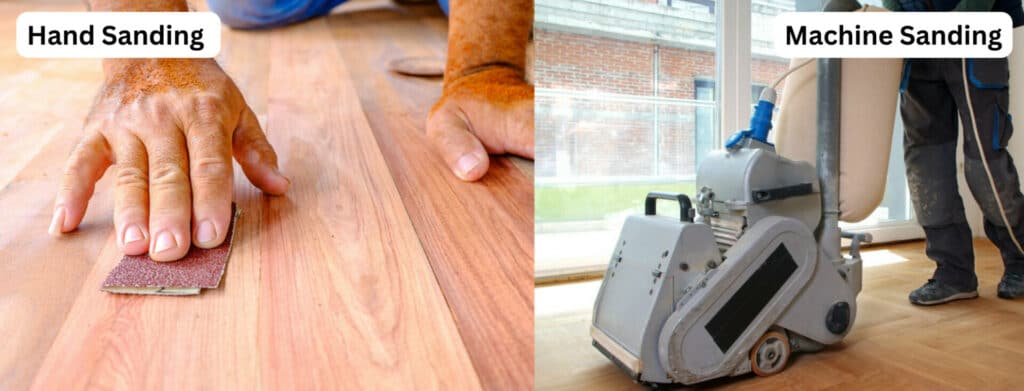
Credit: mrsander.co.uk
Daily Cleaning Routine
Keeping your belt sander clean each day helps it work better. A clean sander lasts longer and sands smoothly.
Daily cleaning removes dust and dirt that can block parts. This keeps the belt moving without problems.
Removing Dust And Debris
Turn off the sander and unplug it before cleaning. Use a brush or cloth to clear dust from all surfaces.
Check vents and motor areas. Dust can stop air flow and cause overheating.
- Use a soft brush to clean vents and motor areas
- Wipe the sander body with a dry cloth
- Blow compressed air to remove dust in tight spots
Cleaning The Belt And Rollers
Inspect the sanding belt for dust and glue buildup. Clean the belt and rollers to keep them turning well.
Use a rubber belt cleaner or a soft brush to clean the belt surface. Wipe rollers gently to remove stuck debris.
- Remove the sanding belt carefully
- Brush or rub the belt with a rubber cleaner
- Wipe the rollers with a clean cloth
- Reinstall the belt and check tension
Inspecting The Belt
Inspecting the sanding belt is important for good sanding results. A worn or damaged belt can cause poor finishes and damage to the workpiece.
Check the belt regularly before use to keep your belt sander working well and safely.
Checking For Wear And Tear
Look closely at the sanding belt for signs of wear. A worn belt may have smooth spots or tears that reduce sanding power.
Also check if the belt edges are frayed or if the belt is slipping. These issues affect the sanding quality and can damage the sander.
- Smooth or shiny areas mean the grit is gone
- Tears or holes weaken the belt
- Frayed edges can catch and tear the material
- Slipping belts may need tightening or replacement
Replacing The Sanding Belt
Replace the sanding belt if you see damage or heavy wear. Using a good belt keeps sanding smooth and safe.
To replace the belt, unplug the sander first. Then release the tension lever to remove the old belt. Fit the new belt in place and lock the tension again.
- Unplug the sander before changing the belt
- Release the tension lever to loosen the belt
- Remove the old belt carefully
- Place the new belt in the correct direction
- Lock the tension lever to secure the belt
- Test the belt for proper tracking before use
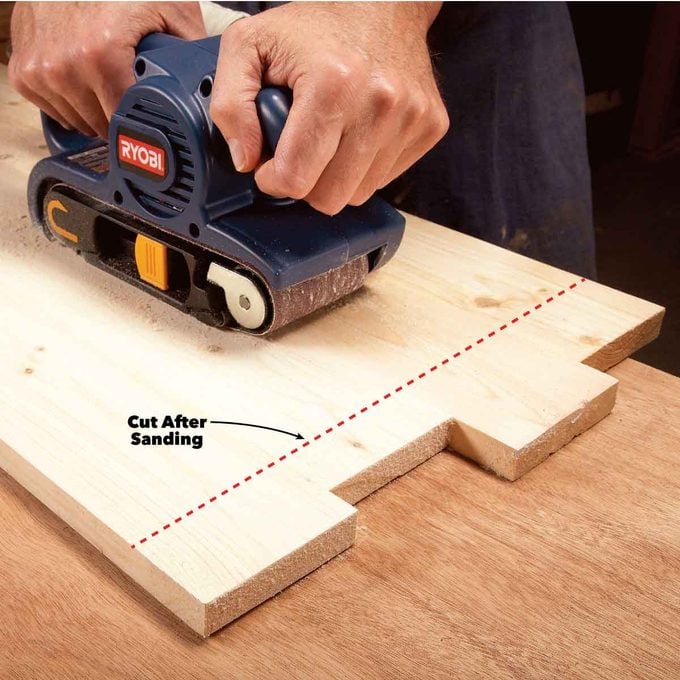
Credit: www.familyhandyman.com
Lubrication And Moving Parts
Keeping a belt sander in good shape helps it work better and last longer. Lubrication plays a big role in this process.
Moving parts need regular care to reduce wear and keep the sander running smoothly.
Identifying Parts That Need Lubrication
Focus on parts that move or spin when using the sander. These parts often need oil or grease to work well.
- Bearing assemblies hold the belt rollers and need lubrication.
- The drive belt pulleys should be checked for smooth movement.
- Roller shafts are key points where friction happens.
- Motor parts with moving joints may require lubrication.
- Any metal-on-metal contact areas can benefit from oil.
Check your belt sander’s manual to find exact lubrication spots.
Recommended Lubricants
Use lubricants made for power tools. These keep parts moving without causing damage.
- Light machine oil works well for small bearings and shafts.
- Grease is best for larger parts like roller bearings.
- Silicone spray can help protect parts from dust and moisture.
- Dry lubricants reduce sticky buildup on belts and rollers.
- Avoid heavy oils that can attract dirt and cause clogs.
Always clean parts before applying lubricant. This keeps your sander running smoothly.
Adjusting Belt Tension And Tracking
Keeping your belt sander in good shape helps it work well. Adjusting the belt tension and tracking is key to smooth sanding.
Correct tension stops the belt from slipping. Proper tracking keeps the belt centered on the rollers.
Setting Proper Tension
Check the belt tension before each use. Too loose or too tight tension can cause problems.
Adjust the tension by turning the tension knob or lever on your sander. Follow the tool’s instructions for the right tightness.
- Loosen the tension to remove or replace the belt
- Tighten the tension until the belt feels firm but not stiff
- Test the belt by pressing lightly; it should not slip
Aligning The Belt For Smooth Operation
Tracking adjustment keeps the belt centered on the rollers. This prevents the belt from slipping off during use.
Use the tracking knob or dial to move the belt left or right. Make small adjustments while the sander runs at low speed.
- Turn the tracking knob slowly
- Watch the belt move toward the center of the rollers
- Stop adjusting when the belt runs straight and smooth
Electrical And Safety Checks
Maintaining your belt sander includes regular electrical and safety checks. These checks help keep the tool working well and prevent accidents.
Check all electrical parts and safety features before you start sanding. This keeps you safe and the sander efficient.
Inspecting Power Cords And Switches
Look closely at the power cord for cracks or cuts. A damaged cord can cause electric shocks or stop the sander from working.
Test the power switch to make sure it turns on and off smoothly. A faulty switch can be dangerous and cause the tool to run unexpectedly.
- Check for frayed or exposed wires on the power cord
- Make sure the plug is not loose or broken
- Press the switch several times to confirm proper function
- Replace damaged cords or switches immediately
Ensuring Safety Features Are Functional
Safety features like blade guards and emergency stops must work correctly. These parts protect you during sanding.
Check that guards move freely and cover moving parts well. Test emergency stops to make sure they shut off power fast.
- Verify the belt guard covers the sanding belt fully
- Confirm the dust collection system is attached and clear
- Test emergency stop buttons or switches
- Fix or replace any broken safety parts before use
Storage Tips For Longevity
Keeping your belt sander in good condition helps it work well for years. Proper storage plays a big role in this.
This guide covers ideal storage conditions and ways to protect the sander from damage.
Ideal Storage Conditions
Store your belt sander in a dry place with stable temperature. Avoid areas with high humidity or extreme heat.
- Keep the sander away from direct sunlight to prevent plastic parts from warping.
- Choose a spot with good ventilation to stop moisture build-up.
- Store it in a clean area, free from dust and dirt.
- Use a storage case or cover to protect from airborne particles.
Protecting The Sander From Damage
Protecting your belt sander helps avoid damage and keeps it ready for use.
| Protection Method | Details |
| Use a padded case | Reduces impact and prevents scratches during storage or transport |
| Disconnect power | Prevents accidental starts and electrical hazards |
| Wrap the cord | Prevents tangling and wire damage |
| Remove sanding belts | Prevents belt deformation and damage when stored long-term |
Troubleshooting Common Issues
Using a belt sander can speed up your sanding work. Sometimes, the sander may not work well. This section helps you fix common problems.
Fixing these issues keeps your belt sander running smoothly. It also helps you get better sanding results.
Dealing With Belt Slippage
Belt slippage happens when the sanding belt moves out of place. This makes sanding uneven and slows down work.
Check the belt tension first. If it is loose, tighten the tension knob or lever. Also, clean the rollers and belt to remove dust.
- Make sure the belt is the right size for your sander.
- Replace worn or stretched belts.
- Keep the rollers free from dirt and debris.
- Adjust tension to keep the belt tight but not too tight.
Fixing Uneven Sanding
Uneven sanding leaves rough spots on your workpiece. It can happen if the belt is damaged or the sander is not held flat.
Check the sanding belt for tears or worn areas. Change the belt if needed. Keep the sander flat and move it evenly across the surface.
- Use a new or smooth belt for best results.
- Hold the sander flat against the surface.
- Move the sander steadily without pressing too hard.
- Check the tracking and alignment of the belt regularly.
Frequently Asked Questions
How Often Should I Clean My Belt Sander?
You should clean your belt sander after every use. Regular cleaning prevents dust buildup and maintains sanding efficiency. Use compressed air and a brush to remove debris from the belt and motor area.
What Type Of Sandpaper Is Best For Belt Sanders?
Choose sandpaper that matches your sanding project and sander specifications. Use coarse grits for heavy material removal and fine grits for finishing. Ensure the sandpaper fits tightly on the belt sander.
How Do I Replace The Sanding Belt On A Belt Sander?
To replace the belt, unplug the sander first. Release the tension lever, remove the old belt, and install a new one aligned properly. Then, re-engage the tension and test the belt’s tracking.
Why Is Belt Sander Maintenance Important?
Proper maintenance extends the tool’s lifespan and improves sanding quality. It prevents overheating, motor damage, and uneven sanding. Regular checks and cleaning keep the sander running smoothly and efficiently.
Conclusion
Keeping a belt sander in good shape is simple. Clean it regularly and check for wear. Tighten loose parts for smooth operation. Always replace worn belts promptly. Store it in a dry place to avoid rust. Regular maintenance boosts performance.
A well-maintained sander works efficiently. Less frustration, more productivity. Safety should be your priority. Follow these tips for longer tool life. Happy sanding!