Are you eager to master the art of precision cutting with a hand saw? Whether you’re a seasoned woodworker or a passionate DIY enthusiast, understanding how to use a hand saw for fine detail can elevate your projects to a professional level.
Imagine the satisfaction of crafting intricate designs with your own hands, achieving results that rival those of high-end tools. In this guide, you’ll discover practical tips and techniques to harness the full potential of your hand saw. Get ready to transform your woodworking skills and bring your creative visions to life with precision and finesse.
Curious to learn more? Let’s delve into the secrets of fine detail sawing that will change the way you approach your projects.
Choosing The Right Hand Saw
Using a hand saw for fine detail work needs the right tool. Picking the right saw helps you cut small shapes and curves with ease.
This guide explains what to look for when choosing a hand saw for detailed projects. You will learn about saw types, blade sizes, and handle designs.
Types Of Hand Saws For Detail Work
Detail work uses saws designed for precision and control. Common types include coping saws, fret saws, and dovetail saws. Each has a unique blade shape and use.
- Coping Saw:Thin blade for cutting curves and shapes.
- Fret Saw:Smaller blade than coping saw, for very fine cuts.
- Dovetail Saw:Small saw with fine teeth, good for straight cuts.
Blade Size And Tooth Count
Blade size affects the type of cuts you can make. Smaller blades fit tight curves. Tooth count means how many teeth are on each inch of blade.
More teeth per inch (TPI) give smoother cuts but cut slower. Fewer teeth cut faster but rougher. Choose based on your project needs.
| Blade Size | Teeth Per Inch (TPI) | Best For |
|---|---|---|
| 3 to 6 inches | 20 to 32 TPI | Fine curves and detailed cuts |
| 6 to 10 inches | 14 to 20 TPI | Straight cuts and medium detail |
| 10+ inches | 8 to 14 TPI | Longer straight cuts, less detail |
Handle Design And Comfort
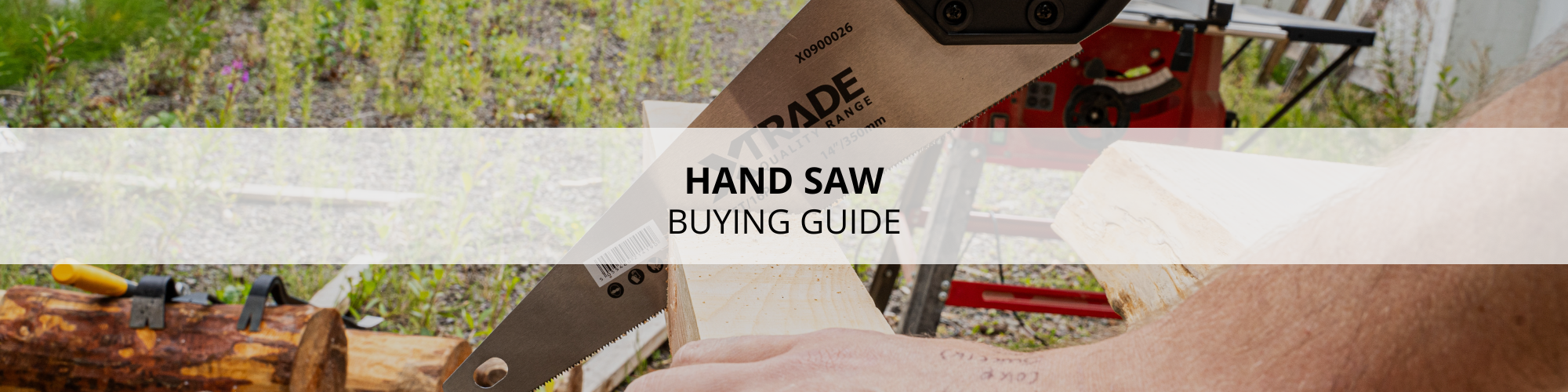
Comfortable handles help you control the saw better. Look for handles that fit your hand size and grip style. Some handles have soft grips or ergonomic shapes.
Wood handles give a classic feel but can be hard on the hands. Plastic or rubber handles offer more comfort and reduce slipping. Choose what feels best for long use.
Credit: www.toolstop.co.uk
Preparing For Precision Cuts
Making fine detail cuts with a hand saw requires careful preparation. Taking time to set up improves accuracy and safety.
Focus on choosing the right wood, marking cuts clearly, securing the work, and creating a good workspace.
Selecting The Wood And Marking Cuts
Use wood with a smooth surface and tight grain for detailed cuts. Avoid wood with knots or cracks.
- Pick hardwoods like maple or cherry for fine work.
- Use a sharp pencil or marking knife for clear cut lines.
- Mark both sides of the wood to guide your saw.
- Check measurements twice before cutting.
Securing The Workpiece
Keep the wood steady to make smooth and safe cuts. Use clamps or a vise to hold the piece firmly.
| Tool | Purpose | Tip |
| Clamps | Hold wood to table | Use padded clamps to avoid marks |
| Vise | Secure small pieces | Adjust pressure to prevent damage |
| Workbench | Stable surface | Keep it clean and clear |
Setting Up A Comfortable Workspace
Arrange your workspace to reduce strain and improve control. Good lighting and seating matter.
- Use a sturdy workbench at waist height.
- Sit or stand with good posture.
- Keep tools within easy reach.
- Ensure bright, even lighting to see cut lines clearly.
- Wear safety glasses to protect your eyes.
Mastering Saw Techniques
Using a hand saw for fine detail requires care and skill. You must control the saw to make clean, precise cuts. This guide covers key techniques to help you work safely and accurately.
Focus on your grip, body position, and how you start and maintain cuts. These basics improve your cutting results and reduce mistakes.
Proper Grip And Body Position
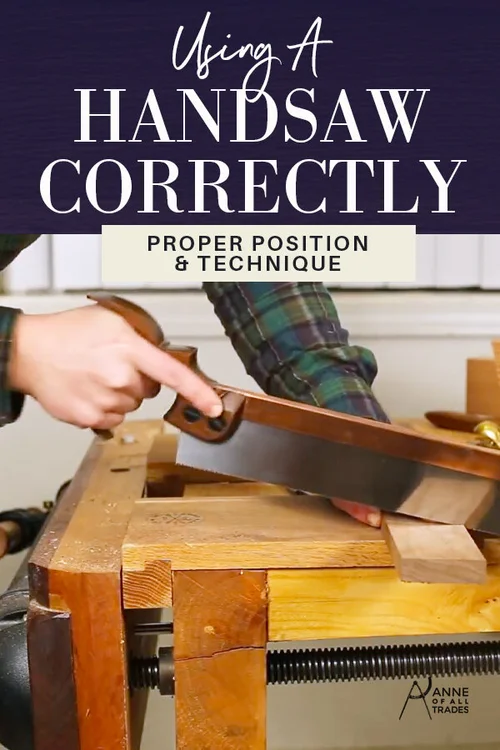
Hold the saw handle firmly but not too tight. Your grip should allow the saw to move smoothly without slipping. Stand with your feet shoulder-width apart for balance.
- Keep your wrist straight to avoid strain.
- Position your body so you can see the cut line clearly.
- Use your arm and shoulder to guide the saw, not just your wrist.
- Lean slightly forward to apply even pressure.
Starting A Cut Smoothly
Begin the cut with slow, light strokes to create a guide groove. This helps the saw follow the line without slipping off. Keep the saw blade flat against the wood at first.
| Tip | Reason |
| Use gentle forward strokes | Prevents the blade from jumping |
| Keep blade angle low | Helps start a straight cut |
| Hold wood steady | Stops movement during cutting |
Maintaining Control Through The Cut
Keep a steady rhythm and pressure as you saw through the wood. Avoid forcing the saw, which can cause rough edges or mistakes. Focus on smooth, even strokes.
- Watch your cutting line and adjust if needed.
- Keep your grip firm but relaxed.
- Use your whole arm to move the saw, not just your wrist.
- Pause if you feel resistance and check your angle.

Credit: www.anneofalltrades.com
Tips For Fine Detail Cutting
Cutting fine details with a hand saw takes patience and skill. Careful techniques help make clean and accurate cuts.
Using the right methods will reduce mistakes and improve your results. Focus on control and precision.
Using Guide Lines And Marks
Draw clear guide lines on your wood before cutting. Use a pencil or marking knife for sharp marks.
- Mark the cut line on the wood surface
- Use a square or ruler to keep lines straight
- Double-check measurements before sawing
- Highlight lines with chalk for better visibility
Sawing Slowly And Steadily
Move the saw slowly to keep control. Fast sawing can cause rough edges and mistakes.
| Tip | Reason |
| Use light pressure | Prevents wood from splintering |
| Keep saw straight | Keeps cuts clean and accurate |
| Pause to check progress | Helps avoid going off line |
| Keep a steady rhythm | Improves cut smoothness |
Avoiding Common Mistakes
Watch out for errors that can ruin fine detail work. Fixing mistakes takes time.
- Starting the cut at the wrong angle
- Using too much force
- Not following the guide lines
- Ignoring saw blade condition
- Cutting too fast and losing control
Maintaining Your Hand Saw
Keeping your hand saw in good shape helps you cut smoothly and safely. Regular care extends the saw’s life and keeps cuts accurate.
Simple maintenance steps prevent rust and damage. This guide covers cleaning, sharpening, and knowing when to replace the blade.
Cleaning And Storing The Saw
After each use, clean the saw to remove dust and sap. Wipe the blade with a dry cloth to avoid rust.
Store the saw in a dry place. Use a blade guard or wrap it in a cloth to protect the teeth.
- Remove debris with a brush or cloth
- Use light oil to stop rust on the blade
- Keep the saw in a tool rack or toolbox
- Avoid damp or humid storage areas
Sharpening Techniques For Precision
Sharp teeth make clean cuts and reduce effort. Use a fine file to sharpen the saw regularly.
Hold the saw steady and file each tooth at the same angle. Count the strokes to keep teeth even.
- Secure the saw in a vise
- Use a triangular file for crosscut saws
- File each tooth evenly and carefully
- Check the blade’s edge after sharpening
When To Replace The Blade
Replace the blade if it is badly damaged or dull beyond sharpening. A worn blade makes poor cuts.
Also change the blade if it has bent teeth or rust that cannot be cleaned. Using a good blade saves time.
- Blade has deep rust spots
- Teeth are chipped or bent
- Sharpening does not improve cutting
- Blade is cracked or warped

Credit: www.youtube.com
Frequently Asked Questions
What Type Of Hand Saw Is Best For Fine Detail Work?
A fine-toothed saw, such as a dovetail or fret saw, is best. These saws offer precise cuts and control. They minimize splintering and allow for intricate shapes. Choosing the right saw improves accuracy and finish quality in detail projects.
How Do I Hold A Hand Saw For Precise Cutting?
Hold the saw handle firmly but comfortably. Keep your wrist straight and use your forearm to guide the motion. Maintain steady, smooth strokes. This grip and technique prevent mistakes and enhance control during detailed cuts.
What Safety Tips Should I Follow Using A Hand Saw?
Wear safety goggles to protect your eyes. Keep fingers clear of the blade path. Use a clamp to secure your workpiece. Always saw away from your body. These precautions reduce injury risk during fine detail cutting.
How Can I Prevent Wood Splintering With A Hand Saw?
Score the cut line with a sharp knife before sawing. Use a fine-toothed saw blade designed for clean cuts. Saw slowly with light pressure. These steps help achieve smooth edges and reduce splintering on delicate woodwork.
Conclusion
Using a hand saw for fine detail takes practice and patience. Start with the right tools and a steady hand. Follow each cut slowly and carefully. Keep your workspace clean and well-lit. Remember, small mistakes can be fixed with sanding or filing.
Enjoy the process of shaping wood with precision. With time, your skills will improve naturally. Keep practicing, and your detailed cuts will look sharp and neat. Fine woodworking is rewarding and fun. Stay focused and take your time.