
Are you ready to tackle your next plumbing project with confidence? Knowing how to use an adjustable wrench effectively can make all the difference.
Whether you’re fixing a leaky pipe or installing a new faucet, this versatile tool is your best friend. But why does it seem like such a mystery to many? The secret lies in mastering the basics and applying a few simple tricks.
Imagine the satisfaction of completing your project quickly and efficiently, without the frustration of stubborn bolts or fittings. In this guide, you’ll discover how to wield an adjustable wrench like a pro, transforming your plumbing tasks into a breeze. Dive in, and let’s unlock the full potential of this essential tool together.
Choosing The Right Adjustable Wrench
Using the right adjustable wrench helps you complete plumbing tasks easily. It fits different sized nuts and bolts.
Picking the best wrench depends on its type, size, material, and how comfortable it feels in your hand.
Types And Sizes
Adjustable wrenches come in many types. The most common is the standard adjustable wrench with a smooth jaw.
Sizes range from small 4-inch wrenches to large 24-inch ones. Smaller sizes work well for tight spaces.
- Standard adjustable wrench: good for general use
- Pipe wrench style: made for round pipes
- Stubby wrench: fits in tight spaces
- Sizes: 4″, 6″, 8″, 10″, 12″, 18″, 24″
Material And Build Quality
Strong materials make wrenches last longer. Look for steel or alloy metals that resist rust.
A good build means the wrench jaw moves smoothly and holds tight. Loose jaws can slip and cause damage.
- Chrome vanadium steel: strong and rust-resistant
- Forged steel: durable and tough
- Nickel plating: protects from corrosion
- Precision-machined jaws: prevent slipping
Grip And Comfort
A good grip helps you work longer without pain. Look for handles with rubber or textured covers.
Comfortable handles reduce hand strain. Choose a wrench that feels balanced and fits your hand size.
- Rubber grips: prevent slipping and add comfort
- Ergonomic shape: fits the hand well
- Non-slip texture: improves control
- Weight balance: easy to hold and use
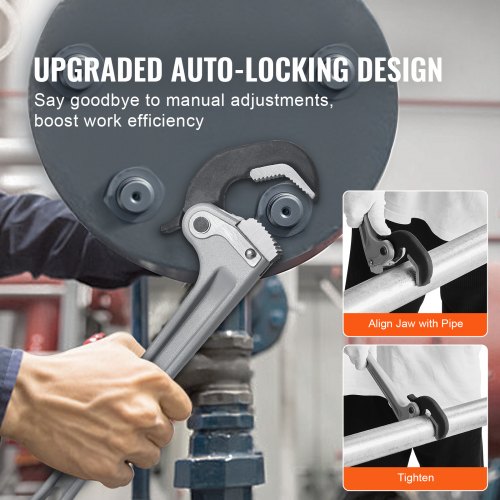
Credit: www.vevor.com
Preparing For Plumbing Tasks
Before using an adjustable wrench for plumbing, get ready properly. Good preparation makes the job easier and safer.
Planning helps avoid mistakes and saves time during plumbing projects.
Assessing The Project Needs
Look closely at what your plumbing task requires. Identify the parts and tools you will use. Know the size of pipes or fittings.
- Check the pipe diameter
- Note the type of fittings
- Understand the repair or installation steps
- Decide if you need extra tools
Safety Precautions
Plumbing work can be risky. Protect yourself by taking safety measures. Wear the right gear and prepare your workspace.
| Safety Item | Purpose |
| Gloves | Protect hands from sharp edges and chemicals |
| Safety Glasses | Shield eyes from debris and splashes |
| Work Clothes | Cover skin and prevent stains |
| Clear Workspace | Reduce tripping hazards |
Gathering Necessary Tools
Collect all tools before starting. This saves time and avoids interruptions during your work.
- Adjustable wrench of proper size
- Pipe wrench
- Plumber’s tape
- Screwdrivers
- Bucket for water spills
- Rags for cleaning
Adjusting The Wrench Properly
Using an adjustable wrench correctly makes plumbing easier. Proper adjustment protects the tool and the parts you work on.
Learn how to set the jaw width, ensure a secure fit, and avoid slippage for best results.
Setting The Jaw Width
Turn the thumbwheel to open or close the jaws. Match the jaw width to the size of the nut or bolt.
The jaws should fit snugly without forcing the wrench on the part.
Ensuring A Secure Fit
A secure fit prevents damage and makes turning easier. Check that the wrench grips the flat sides, not the corners.
- Open the jaws slightly wider than the part.
- Place the wrench on the flat sides of the nut or bolt.
- Turn the thumbwheel until the jaws are tight against the part.
- Test the fit by gently pulling the wrench.
Avoiding Slippage
Slippage can round off nuts and harm your tool. Use these tips to avoid it.
| Tip | Explanation |
| Keep jaws tight | Ensure no gaps between jaws and part |
| Pull, don’t push | Pull wrench toward you to maintain grip |
| Use correct size | Adjust wrench to fit each part precisely |
| Check for wear | Replace wrench if jaws are damaged |
Techniques For Effective Use
Adjustable wrenches are essential tools for plumbing tasks. Using them correctly improves safety and efficiency.
This guide covers key techniques to help you handle adjustable wrenches better during plumbing projects.
Correct Hand Placement
Hold the wrench handle near the end for better control. Keep your wrist straight to avoid strain.
- Place your dominant hand on the handle’s grip.
- Use your other hand to adjust the jaw size if needed.
- Ensure your thumb presses against the fixed jaw.
- Avoid slipping by keeping a firm but comfortable grip.
Applying The Right Pressure
Use steady pressure to turn nuts or bolts. Too much force can damage fittings or the wrench.
| Pressure Level | Effect |
| Light | May slip and not turn fasteners |
| Moderate | Controls turning without damage |
| Excessive | Can strip threads or break tool |
Working In Tight Spaces
Adjustable wrenches fit many sizes, but tight spots need special care.
Tips for tight spaces:
- Use the smallest wrench size possible.
- Position the wrench so the handle moves freely.
- Turn the wrench in small increments.
- Consider removing nearby obstructions if safe.
Common Mistakes To Avoid
Using an adjustable wrench for plumbing work seems simple. But some common mistakes can cause damage or slow your work.
Avoid these errors to keep your plumbing projects smooth and safe.
Over-tightening
Applying too much force with an adjustable wrench can damage pipes and fittings. Over-tightening can crack or deform parts, leading to leaks.
Turn the wrench until it feels snug, then stop. Do not force it beyond that point.
Using Incorrect Size
Adjustable wrenches come in different sizes. Using the wrong size makes gripping harder and can slip off the fastener.
Choose a wrench that fits the nut or bolt closely. Adjust the jaw properly before use.
- Small wrench for tight spaces
- Larger wrench for bigger fittings
- Never force a small wrench on a large nut
Ignoring Tool Maintenance
Dirty or rusty adjustable wrenches do not work well. Dirt and rust can make the jaws sticky or loose.
Clean your wrench after each use. Lubricate the moving parts to keep it working smoothly.
- Wipe off dirt and water
- Use oil on the screw and jaws
- Store in a dry place
Maintaining Your Adjustable Wrench
Keeping your adjustable wrench in good shape helps it last longer. Regular care makes your plumbing projects easier.
This guide explains how to clean, lubricate, and store your wrench properly.
Cleaning After Use
After using your wrench, wipe off any dirt or water. This prevents rust and keeps it working well.
Use a clean cloth to remove grease or grime from the jaws and handle.
- Wipe the wrench with a dry cloth
- Use mild soap and water if very dirty
- Dry it completely before storing
Lubricating Moving Parts
Apply oil to the moving parts to keep the wrench smooth. Lubrication stops parts from sticking.
Focus on the worm gear and the sliding jaw for best results.
- Use light machine oil or a similar lubricant
- Put a few drops on the moving parts
- Work the wrench open and closed to spread oil
- Wipe off extra oil to avoid dirt build-up
Storage Tips
Store your adjustable wrench in a dry place. Avoid moisture to prevent rust and damage.
Keep it in a toolbox or hang it on a pegboard for easy access.
- Use a toolbox with compartments
- Keep the wrench closed to protect jaws
- Store away from damp areas
- Check the wrench regularly for wear
Enhancing Efficiency With Accessories
Using the right accessories with adjustable wrenches makes plumbing work easier. These tools help you fit pipes tightly and reduce damage.
Adding accessories can save time and improve your control during plumbing projects. This guide covers useful tips for better results.
Using Pipe Joints And Fittings
Pipe joints and fittings connect pipes securely. They come in different shapes and sizes to match your project needs. Using the correct fittings helps prevent leaks and keeps the system strong.
- Choose fittings that match your pipe size
- Use thread seal tape for tight joints
- Tighten fittings carefully with an adjustable wrench
- Check for leaks after assembly
Complementary Plumbing Tools
Besides adjustable wrenches, other tools improve your plumbing work. Pliers, pipe cutters, and thread seal tape work well together to enhance your efficiency.
| Tool | Use | Benefit |
| Slip-Joint Pliers | Hold pipes and fittings | Better grip and control |
| Pipe Cutter | Cut pipes cleanly | Reduces pipe damage |
| Thread Seal Tape | Seal threaded joints | Prevents leaks |
Upgrading To Specialty Wrenches
For complex plumbing jobs, specialty wrenches make work faster. They fit specific pipe shapes and tight spaces better than adjustable wrenches alone.
- Pipe wrenches offer strong grip on round pipes
- Basin wrenches reach nuts in tight spots
- Strap wrenches protect delicate surfaces
- Using the right wrench reduces slips and damage
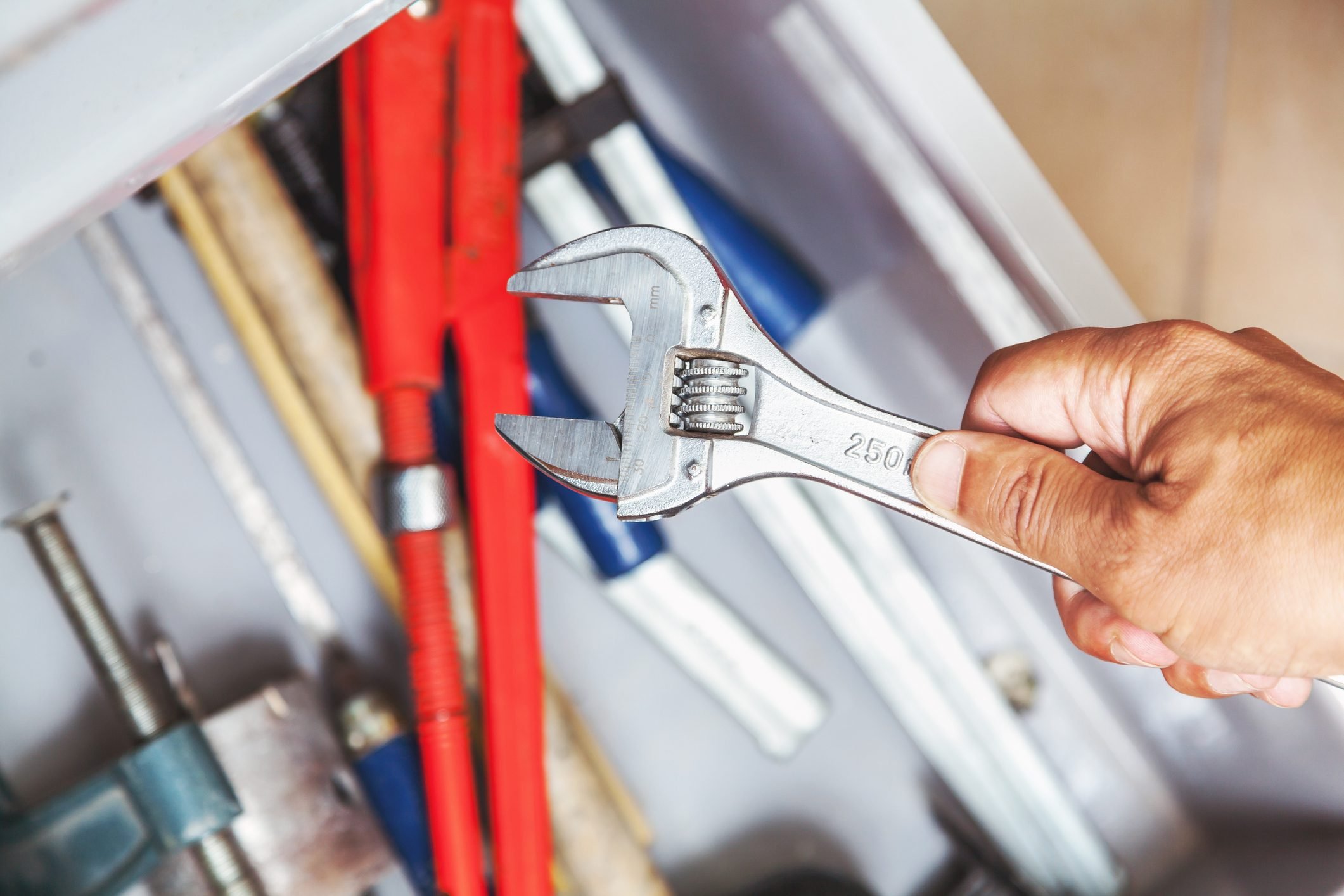
Credit: www.familyhandyman.com
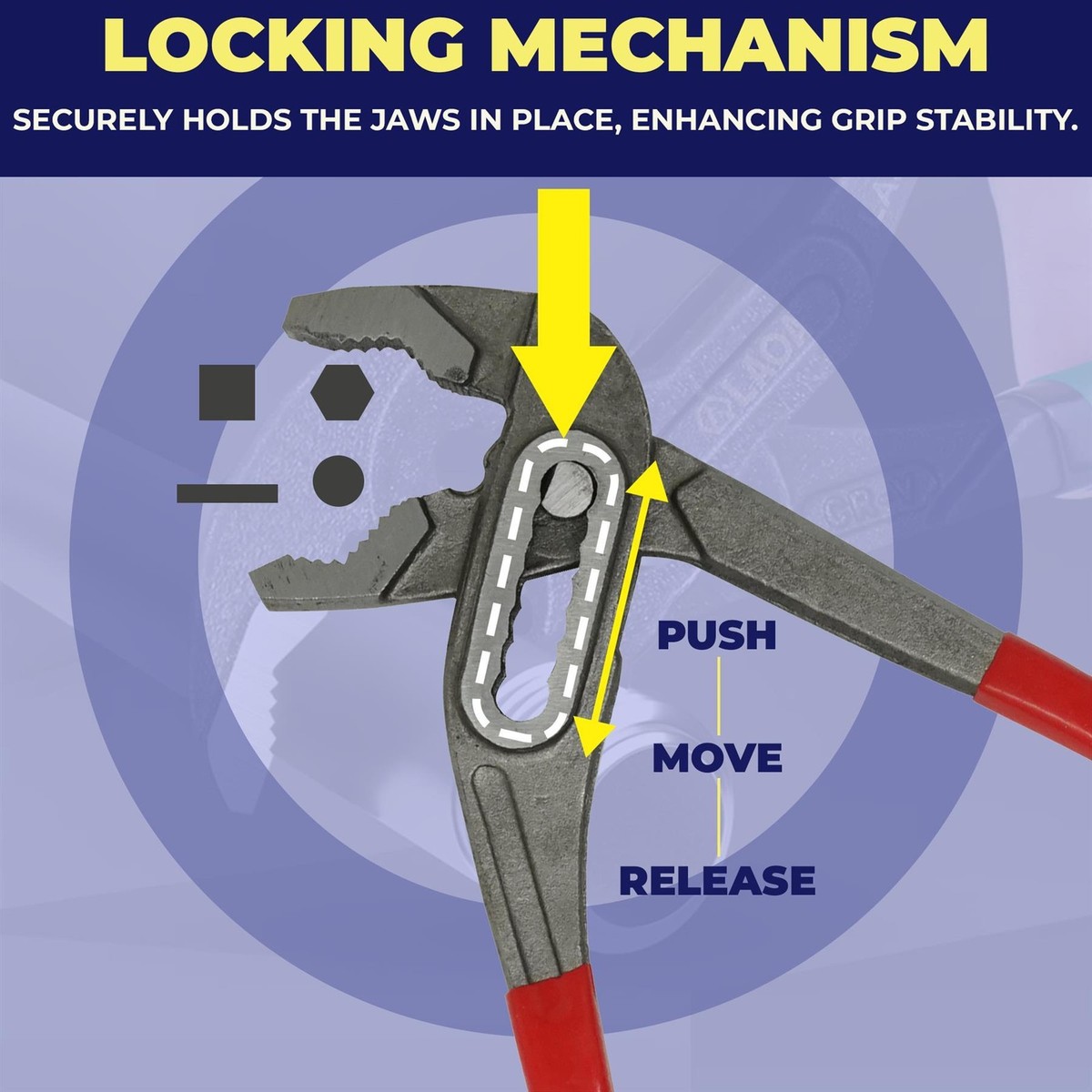
Credit: www.ebay.co.uk
Frequently Asked Questions
What Size Adjustable Wrench Is Best For Plumbing?
A 6 to 12-inch adjustable wrench is ideal for most plumbing jobs. It offers versatility and easy handling. Smaller sizes work well for tight spaces, while larger ones provide more leverage for stubborn fittings.
How Do I Adjust An Adjustable Wrench Properly?
Turn the thumbwheel to open or close the jaws. Fit the wrench snugly around the nut or bolt. Avoid too much gap to prevent slipping and damage. Ensure a firm grip before turning the wrench.
Can Adjustable Wrenches Damage Plumbing Fixtures?
Yes, improper use can scratch or round off nuts. Always use the correct size and apply steady pressure. Avoid excessive force or using worn-out wrenches. Using a protective cloth can also prevent surface damage.
When Should I Use An Adjustable Wrench In Plumbing?
Use it for tightening or loosening nuts, bolts, and fittings. It’s best for irregular sizes where fixed wrenches don’t fit. Ideal for assembling or repairing pipes, faucets, and valves during plumbing tasks.
Conclusion
Adjustable wrenches make plumbing tasks easier and faster. Use the right size to avoid damage. Keep a firm grip for better control. Turn slowly to prevent slipping or stripping bolts. Clean and store your wrench after each use. Practice these simple tips to handle plumbing projects confidently.
Small steps lead to great results. Enjoy fixing things yourself with ease and safety.
