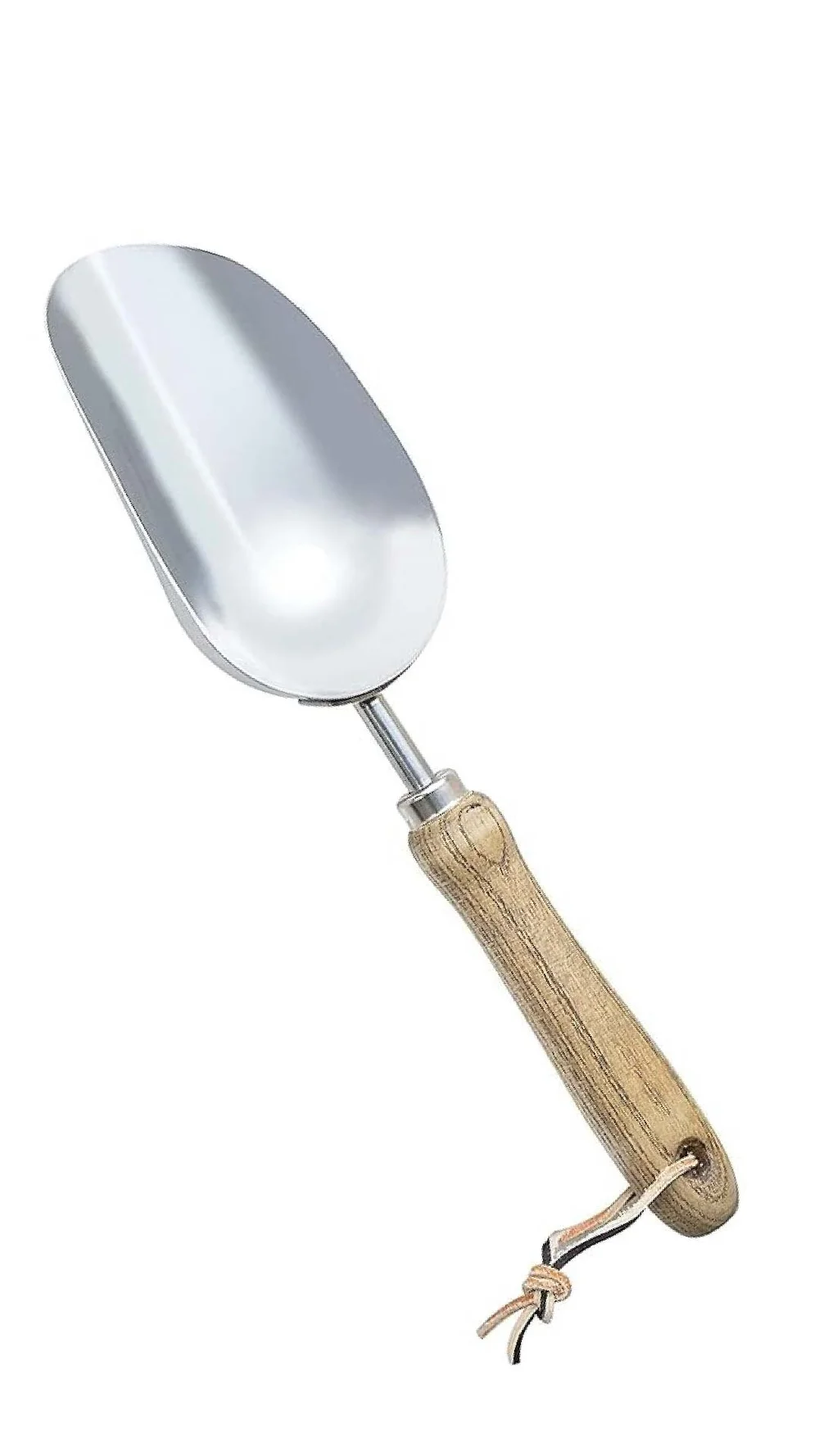
Are you tired of struggling with stubborn soil in your garden? Meet your new best friend: the soil scoop.
This handy tool is a game-changer for gardeners of all levels, and it’s about to make your gardening tasks a whole lot easier. Whether you’re planting new flowers, digging up weeds, or just trying to work with compact soil, a soil scoop can be your secret weapon.
But how exactly do you use it to its full potential? In this guide, you’ll discover everything you need to know about using a soil scoop effectively. Ready to transform your gardening experience and get your hands on the best-kept secret in gardening tools? Keep reading to uncover tips that will make your garden thrive like never before.
Choosing The Right Soil Scoop
Picking the right soil scoop helps you work better in the garden. It makes digging and planting easier.
There are many types of soil scoops. You should think about what suits your needs best.
Types Of Soil Scoops
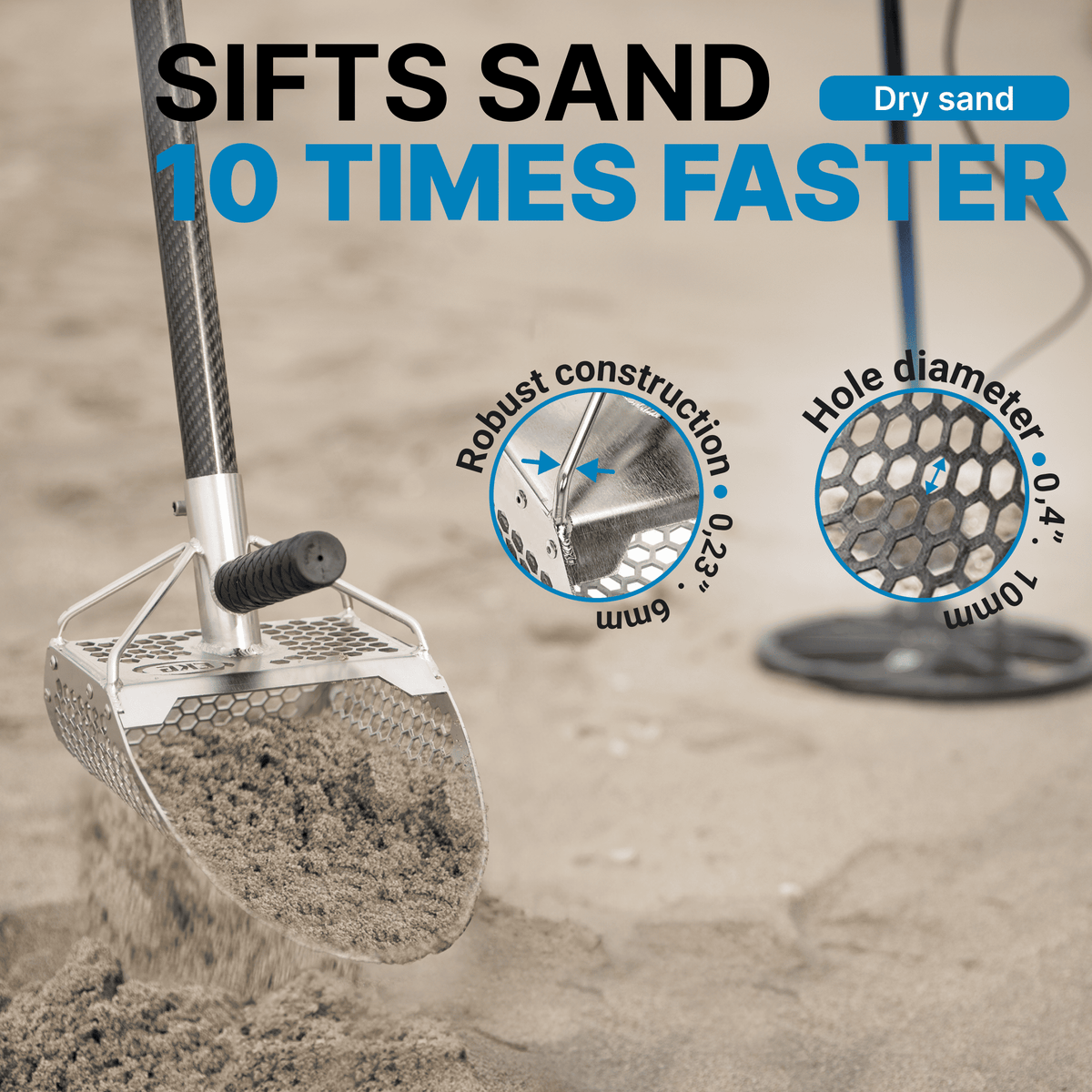
Soil scoops come in different shapes and sizes. Some are narrow for tight spaces. Others are wide for moving more soil.
- Narrow scoops are good for small pots and tight spots.
- Wide scoops help move large amounts of soil quickly.
- Flat scoops work well for scraping and leveling soil.
- Deep scoops hold more soil for bigger jobs.
Materials And Durability
Soil scoops come in materials like plastic, metal, and wood. Choose one that lasts long and fits your work.
- Plastic scoops are light and good for light tasks.
- Metal scoops are strong and last longer.
- Wood handles provide a comfortable grip.
- Rust-resistant materials last better outdoors.
Size And Ergonomics
Size affects how easy the soil scoop is to use. Ergonomic designs reduce hand strain and improve comfort.
- Smaller scoops are easier to handle in tight spaces.
- Larger scoops move more soil but need more strength.
- Look for scoops with comfortable, non-slip handles.
- Lightweight scoops cause less fatigue during long use.
Credit: ckgscoop.com
Preparing Your Garden Soil
Using a soil scoop helps make garden soil ready for planting. It allows you to check and improve your soil easily.
Good soil preparation leads to better plant growth and healthy gardens.
Assessing Soil Quality
First, use the soil scoop to take a sample from your garden. Look for color, texture, and moisture.
- Dark soil usually means it is rich in nutrients.
- Crumbly texture shows good air and water flow.
- Too wet or dry soil needs adjustment before planting.
Loosening Compact Soil
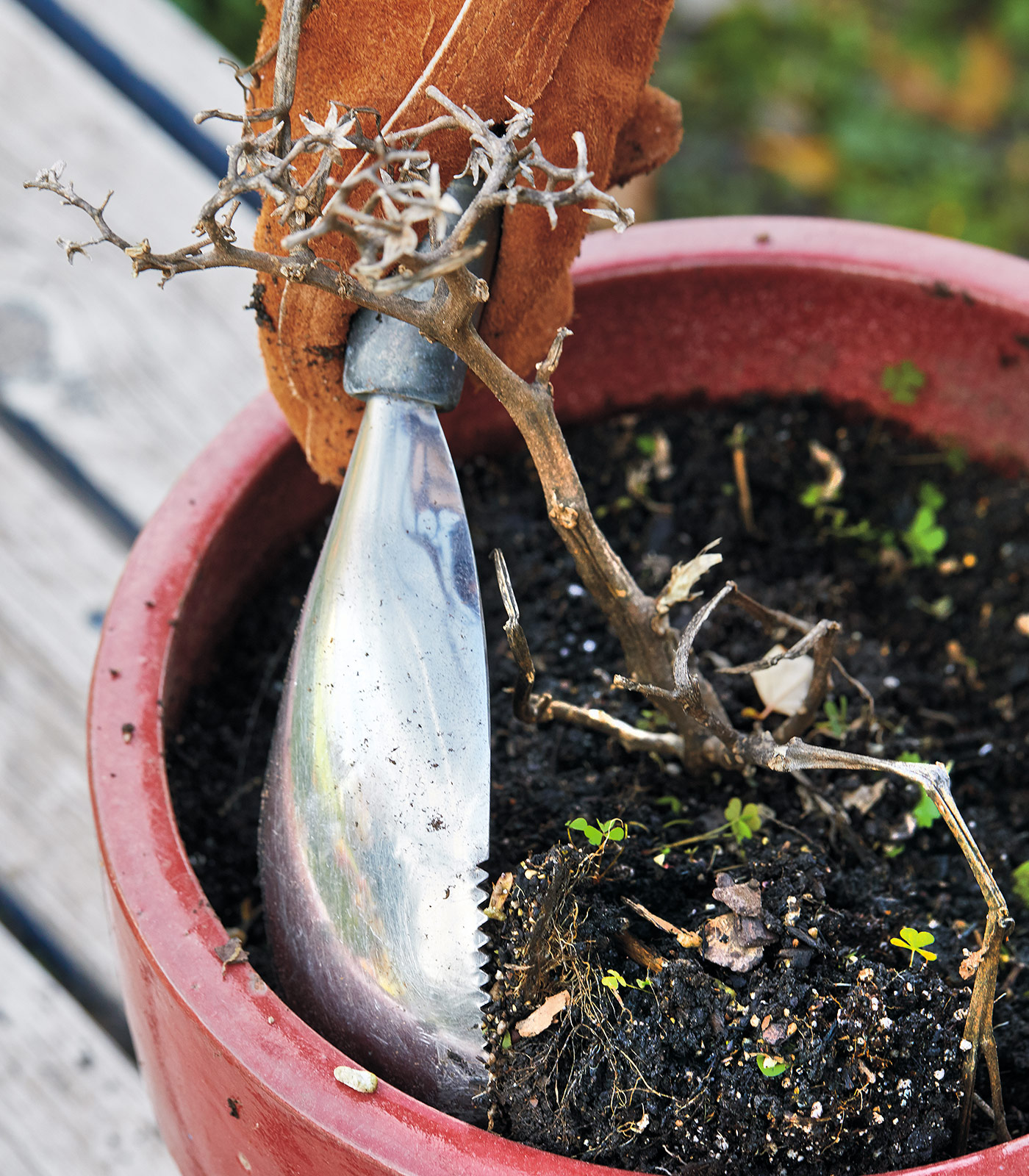
Compact soil blocks roots from growing well. Use the scoop to break soil clumps.
Loosen soil by digging and turning it gently. This improves air and water movement.
| Soil Condition | Action |
| Hard and dense | Break up with soil scoop or fork |
| Dry and cracked | Add water and organic matter |
| Wet and sticky | Let soil dry before working |
Removing Debris
Clear rocks, roots, and old plants from the soil. This makes planting easier.
Use the soil scoop to dig around and pick out unwanted items. Collect them in a bucket or wheelbarrow.
- Remove stones that block roots
- Pick out roots that can grow again
- Clear away old leaves and sticks
Techniques For Effective Scooping
Using a soil scoop correctly helps you work faster and cleaner. Good scooping protects plants and soil quality.
This guide explains how to hold the scoop, handle different soils, and avoid contamination.
Proper Grip And Handling
Hold the soil scoop with a firm but comfortable grip. Keep your wrist straight to avoid strain. Use your whole arm to scoop, not just your wrist.
- Place your dominant hand near the scoop’s base.
- Support the handle with your other hand for balance.
- Keep your fingers away from the scoop’s edge.
- Lift smoothly to avoid spilling soil.
Scooping Methods For Different Soil Types
Soil varies in texture. Use different scooping methods to handle each type well. Soft soil needs gentle scooping. Hard soil may need extra force.
| Soil Type | Best Scooping Method | Notes |
| Loamy | Standard scoop, full depth | Easy to scoop, holds shape well |
| Clay | Use firm pressure, shallow scoops | Sticky and dense, avoid large chunks |
| Sandy | Quick scoops, avoid overfilling | Loose texture, soil falls easily |
| Rocky | Pick around rocks, use angled scoop | Remove stones to prevent damage |
Avoiding Soil Contamination
Keep soil clean by preventing contact with tools and surfaces that hold chemicals or pests. Clean your scoop before use.
- Wash the scoop with water and brush after each use.
- Do not use the scoop in treated or contaminated areas.
- Store the scoop in a dry, clean place.
- Use separate scoops for different soil types to avoid mixing.
Credit: www.gardengatemagazine.com
Using A Soil Scoop For Planting
A soil scoop is a handy tool for planting tasks. It helps you dig, move soil, and shape the planting area easily.
Using a soil scoop makes planting faster and less messy. It works well for small gardens and pots.
Digging Planting Holes
Use the soil scoop to dig holes for your plants. The scoop shape allows you to remove soil precisely without disturbing nearby plants.
Make sure the hole is deep and wide enough for the plant’s roots. The scoop helps control the size of the hole easily.
Transferring Soil And Amendments
The soil scoop is great for moving soil and adding amendments like compost or fertilizer. It lets you transfer small amounts without spilling.
- Scoop soil from your pile or bag
- Carry it carefully to the planting spot
- Drop the soil or amendments directly into the hole
- Repeat until the hole is filled as needed
Leveling And Packing Soil
After placing the plant, use the soil scoop to level the soil around it. The flat edge helps smooth the surface.
| Task | How to Use Soil Scoop |
|---|---|
| Level soil | Use scoop’s flat edge to smooth soil |
| Pack soil | Press soil gently with scoop to remove air pockets |
| Remove excess soil | Scoop out soil to keep plant base clean |
Maintaining Your Soil Scoop
Keeping your soil scoop in good shape helps it last longer. Proper care makes digging and scooping easier every time.
Regular maintenance prevents rust and damage. It also ensures your tool works safely and well.
Cleaning After Use
After each use, remove dirt and debris from the scoop. Clean tools work better and avoid rust.
- Rinse the scoop with water to wash off soil.
- Use a brush to scrub away stuck dirt.
- Dry the scoop completely with a cloth.
- Apply a light coat of oil to metal parts to stop rust.
Sharpening And Repairs
Dull edges make scooping hard. Sharpen the scoop’s blade to keep it efficient.
Check the scoop for cracks or loose handles. Fix these quickly to avoid bigger problems.
| Issue | Solution |
| Dull Blade | Use a metal file to sharpen edges |
| Loose Handle | Tighten screws or replace handle |
| Rust Spots | Sand off rust and oil the metal |
Storage Tips
Store your soil scoop in a dry place. This prevents rust and damage.
- Hang the scoop on a tool rack or hook.
- Avoid leaving it on wet ground or outside.
- Keep it away from chemicals or sharp objects.
- Cover the blade if possible to protect it.
Safety Tips While Using A Soil Scoop
Using a soil scoop helps you work better in the garden. Staying safe while using it is very important. Follow simple tips to avoid accidents and injuries.
These safety tips will help you use your soil scoop the right way. They keep your hands and body protected.
Protective Gear
Wearing the right gear protects your body from cuts and dirt. Gloves, boots, and eye protection are key items.
- Wear sturdy gloves to avoid blisters and cuts
- Use closed-toe boots to protect your feet
- Wear safety glasses to keep dirt out of your eyes
Safe Handling Practices
Hold the soil scoop firmly with both hands. Lift soil carefully to avoid straining your back. Use smooth motions to dig or scoop.
- Keep your back straight when lifting soil
- Do not overload the scoop with too much soil
- Work slowly to avoid sudden movements
- Store the scoop safely when not in use
Avoiding Common Injuries
Injuries happen when you rush or ignore safety rules. Watch out for sharp edges and uneven ground. Take breaks to avoid fatigue.
- Check the scoop for damage before use
- Avoid using the scoop on hard or rocky soil
- Keep your work area clean and free of obstacles
- Stop if you feel pain or tiredness
Common Mistakes To Avoid
Using a soil scoop seems simple but many make errors that slow work down. Avoid these mistakes for better results.
Knowing what to avoid helps you use the scoop safely and effectively in your garden or farm.
Overloading The Scoop
Putting too much soil in the scoop can cause strain and damage. It also makes it hard to carry and dump soil.
Heavy loads increase the chance of dropping soil or hurting your wrist or back.
- Load the scoop only halfway for easier handling
- Lift with your legs, not your back
- Use smaller scoops for heavy or wet soil
Using The Wrong Scoop For The Task
Different scoops suit different tasks. Using the wrong one wastes time and effort.
Choose a scoop size and shape that fits the soil type and job you need to do.
- Small scoops work well for planting pots
- Large scoops suit moving loose soil or compost
- Flat scoops help with digging in hard soil
Ignoring Soil Conditions
Soil changes with weather and location. Ignoring this can make scooping harder or damage tools.
Check if soil is too dry, wet, or rocky before scooping to pick the right method.
- Dry soil may need loosening before scooping
- Wet soil is heavier and sticks to the scoop
- Rocky soil can dull or break the scoop edges
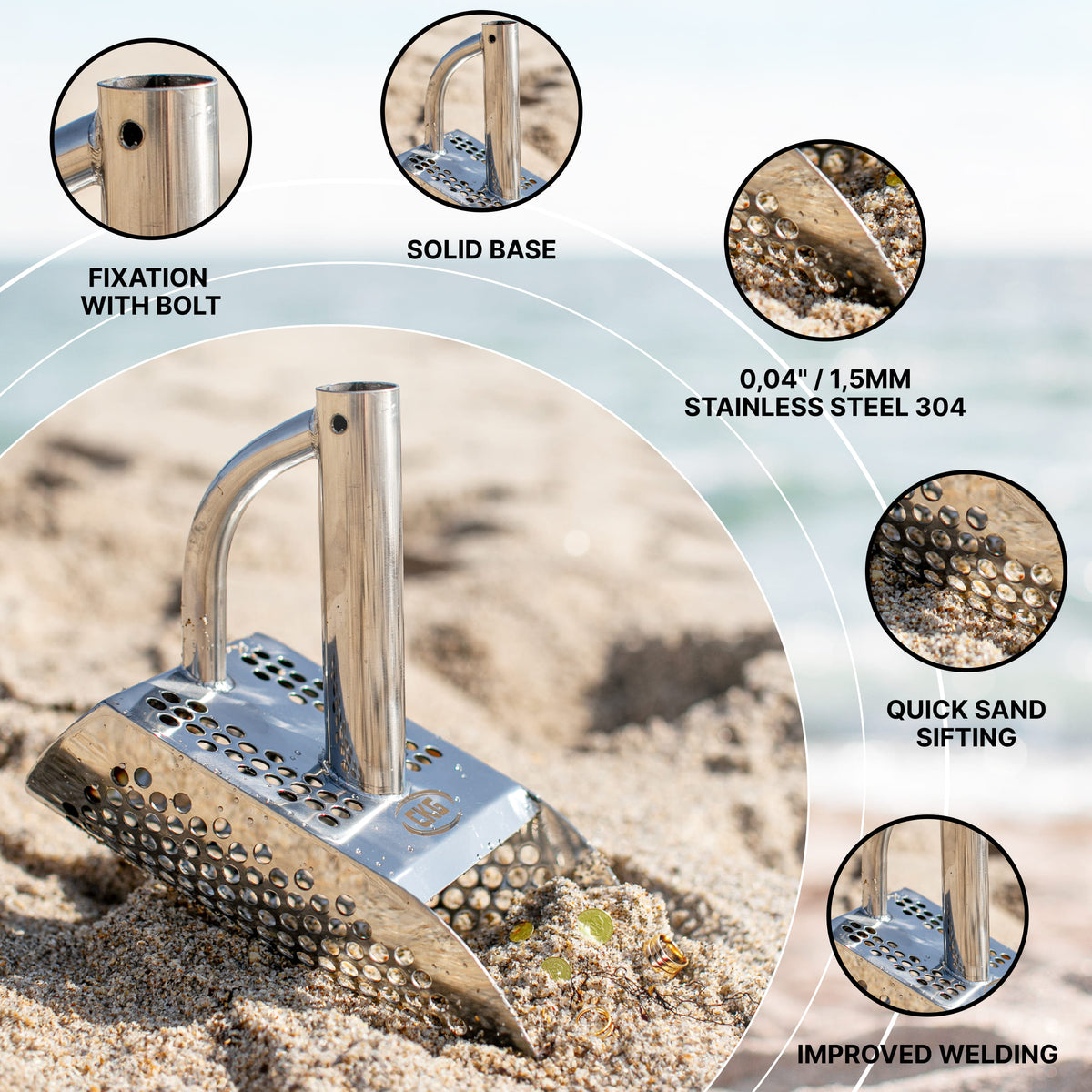
Credit: ckgscoop.com
Frequently Asked Questions
What Is The Primary Use Of A Soil Scoop?
A soil scoop helps gardeners easily dig, collect, and transfer soil. It is ideal for potting plants and moving soil without mess. Its design allows precise handling of small soil amounts, making planting and gardening tasks more efficient and tidy.
How Do I Choose The Right Soil Scoop Size?
Select a soil scoop size based on your gardening needs. Smaller scoops work well for pots and seed trays. Larger scoops are better for garden beds and bigger soil amounts. Consider handle comfort and scoop capacity for best results.
Can A Soil Scoop Improve Planting Efficiency?
Yes, a soil scoop speeds up planting by simplifying soil handling. It reduces hand fatigue and soil spillage. The scoop’s shape aids in accurate soil placement, which helps plants grow better and gardeners work faster.
How Should I Clean And Maintain My Soil Scoop?
Clean your soil scoop after each use with water and mild soap. Dry it thoroughly to prevent rust or damage. Regular maintenance extends its life and keeps it ready for your next gardening task.
Conclusion
Using a soil scoop makes gardening tasks easier and more precise. It helps you dig, plant, and move soil without making a mess. Choose the right scoop size for your needs. Clean it after each use to keep it in good shape.
With regular use, your garden will thrive and grow healthy plants. Simple tools like this save time and effort. Try a soil scoop to enjoy gardening more every day.