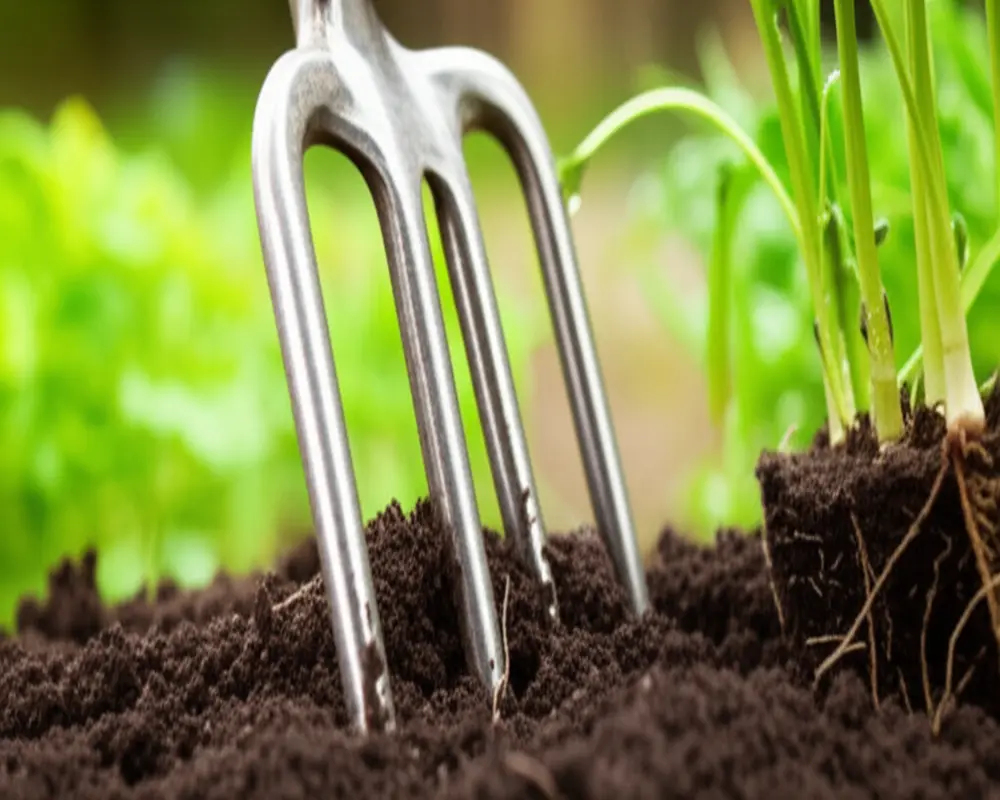
Are your plants struggling to grow despite your best efforts? You might be overlooking a simple yet powerful technique: aerating your soil with a fork.
Think of your garden soil as the lungs of your plants. Just like you need fresh air to breathe, your plants need well-aerated soil to thrive. When soil becomes compacted, it can stifle root growth and limit water absorption, leaving your plants gasping for nutrients.
But don’t worry—there’s an easy fix that doesn’t require fancy tools or complicated techniques. In this guide, you’ll discover how a common kitchen utensil can transform your garden into a lush, thriving oasis. Ready to give your plants the breath of fresh air they deserve? Let’s dig in.
Credit: gardenitemreviews.com
Benefits Of Aerating Soil
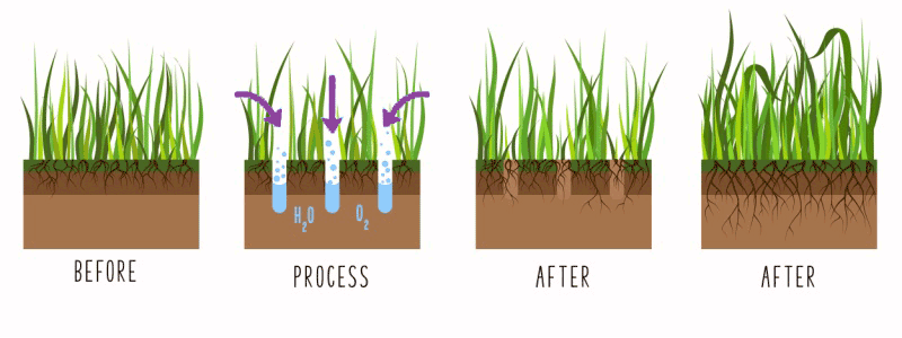
Aerating soil helps plants grow stronger and healthier. It makes the soil less compact and easier for roots to spread.
This simple process improves how soil holds water and nutrients. It also supports better air flow to the roots.
Improved Root Growth
When you aerate soil with a fork, you create space for roots to grow deep. This helps plants anchor better and absorb more nutrients.
Enhanced Water Absorption
Aerated soil soaks up water more easily. This means plants get enough moisture without water pooling on the surface.
- Water reaches deeper layers of soil.
- Reduces water runoff and erosion.
- Helps soil dry out evenly after rain.
Better Nutrient Uptake
Loose soil improves the flow of nutrients to plant roots. This helps plants stay healthy and grow faster.
| Soil Condition | Nutrient Availability |
| Compacted Soil | Low |
| Aerated Soil | High |
Choosing The Right Fork
Aerating soil with a fork helps improve plant health. Picking the right fork makes the job easier.
Not all forks work well for soil aeration. Knowing the types and materials helps you choose the best one.
Types Of Garden Forks
Garden forks come in different styles for various tasks. Some are better for soft soil, others for hard soil.
Digging forks have sharp tines that break tough ground. Border forks are smaller and lighter for gentle work.
- Digging Fork:Strong and sharp, good for hard soil.
- Border Fork:Smaller, good for light aeration.
- Potato Fork:Narrow tines, used for loose soil.
Material And Size Considerations
Forks come in steel, aluminum, or carbon steel. Steel is strong but heavy, aluminum is light but less strong.
The size of the fork affects comfort and control. Choose a size that fits your height and hand size.
- Steel:Durable and strong, good for tough soil.
- Aluminum:Lightweight, easier to use but less strong.
- Carbon Steel:Strong and rust-resistant, a good balance.
- Handle Length:Longer handles give more leverage.
- Tine Length:Longer tines reach deeper soil layers.
Preparing Your Garden
Before aerating soil with a fork, it is important to prepare your garden well. Good preparation helps the soil absorb air and water better.
Preparing your garden makes the aerating process easier and more effective. Two key steps are clearing debris and checking soil moisture.
Clearing Debris
Remove leaves, sticks, and old plants from your garden area. Debris can block the fork from reaching the soil properly.
Clearing debris also helps you see any problem spots in the soil. It keeps the garden clean and ready for aeration.
- Pick up fallen leaves and twigs
- Pull out dead plants or weeds
- Clear stones or large clumps of soil
Checking Soil Moisture
Check if the soil is moist but not too wet. Dry soil is hard to aerate and wet soil can get compacted.
To test moisture, dig a small hole and feel the soil. It should feel damp and crumble easily in your hand.
- Soil too dry: water your garden lightly the day before
- Soil too wet: wait a few days for it to dry
- Ideal soil: moist and crumbly for easy aeration
Credit: www.lawnstarter.com
Step-by-step Aeration Process
Aerating soil helps plants grow better by improving air and water flow. It breaks up hard soil to make roots stronger.
This guide shows how to aerate soil using a fork in simple steps. Follow along to prepare your garden soil well.
Marking The Area
First, decide where you want to aerate. Mark the area clearly to keep your work organized and even.
- Use string or garden hose to outline the space.
- Check for plants or roots to avoid damage.
- Make sure the area is dry but not too hard.
Inserting The Fork
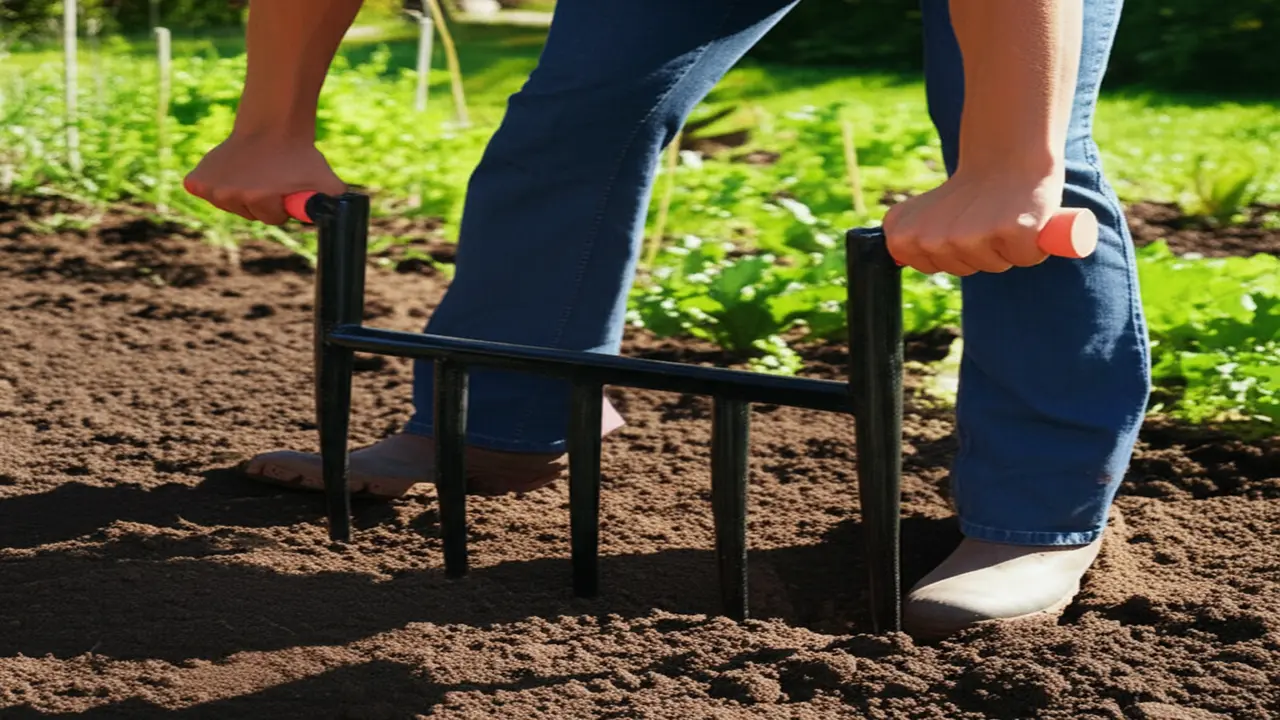
Push the garden fork into the soil straight down. Insert it about 4 to 6 inches deep to reach compacted soil.
Use your foot to press down on the fork handle carefully. This helps the tines go deep without hurting yourself.
Loosening The Soil
| Action | Purpose |
|---|---|
| Rock the fork back and forth | Break up soil clumps |
| Lift soil gently | Allow air and water to reach roots |
| Use fork tines to create holes | Improve drainage and root growth |
Loosen soil carefully to keep plants safe. Avoid pulling too hard on roots or stems.
Repeating The Process
- Move the fork a few inches away after each insertion.
- Repeat inserting and loosening until the whole area is done.
- Water the soil lightly after aeration to help it settle.
- Clean your tools to keep them ready for next use.
Aftercare For Aerated Soil
Aerating soil helps plants grow better by improving air and water flow. After aeration, proper care keeps the soil healthy and supports plant roots.
Following simple aftercare steps ensures your garden stays strong and productive. Pay attention to watering, adding nutrients, and watching plant health closely.
Watering Tips
Water the soil gently after aeration to help new air pockets settle. Avoid heavy watering that might cause soil compaction.
- Water in the early morning or late evening to reduce evaporation.
- Use a gentle spray or drip irrigation for even moisture.
- Keep the soil moist but not soggy for best root growth.
Adding Organic Matter
Adding organic matter improves soil structure and provides nutrients. Compost or well-rotted manure works well after aeration.
| Type of Organic Matter | Benefits |
| Compost | Improves nutrients and soil texture |
| Manure | Increases fertility and moisture retention |
| Leaf Mold | Enhances water holding capacity |
Monitoring Plant Health
Check plants regularly after aerating soil. Look for signs of stress or poor growth that may need attention.
- Watch for yellowing leaves or wilting plants.
- Check for pests or diseases early.
- Adjust watering and fertilizing based on plant response.
Common Mistakes To Avoid
Aerating soil with a fork helps improve air and water flow to roots. Doing it wrong can harm your garden.
Here are common mistakes to avoid when aerating soil by hand. Follow these tips for better soil health.
Aerating Too Often
Aerating soil too often can disturb plant roots and soil structure. It may also dry out the soil too much.
Most gardens need aeration only once or twice a year, usually in spring or fall.
Using The Wrong Tools
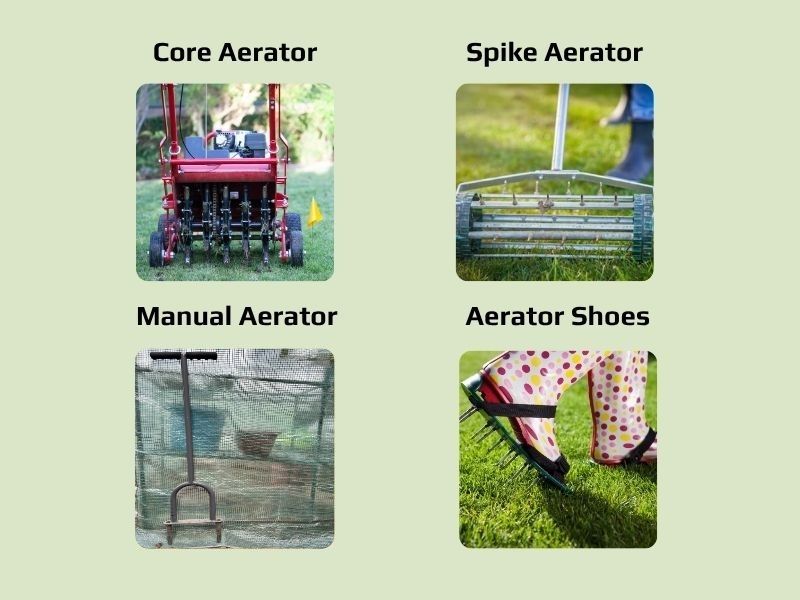
A garden fork is ideal for aerating small areas. Using other tools may damage soil or plants.
- Do not use a spade or shovel for aerating. They cut through roots and compact soil.
- Aeration spikes can cause more compaction below the surface.
- Choose a sturdy fork with strong tines for best results.
Ignoring Soil Conditions
Not checking soil moisture and type can reduce aeration benefits. Too wet or dry soil is hard to aerate well.
| Soil Condition | What to Do |
|---|---|
| Too Wet | Wait until soil is dry but not hard before aerating. |
| Too Dry | Water soil lightly a day before aeration to soften it. |
| Clay Soil | Use a fork to break up clumps and add organic matter after aeration. |
| Sandy Soil | Aerate gently to avoid disturbing soil too much. |
When To Aerate Your Soil
Aerating soil helps plants grow better by improving air and water flow. Knowing the right time to aerate your soil is important for healthy gardens.
This guide explains the best seasons to aerate and how to tell if your soil needs it.
Seasonal Timing
Spring and fall are the best times to aerate your soil. The soil is moist and not too hard during these seasons.
- In spring, aerate before planting new flowers or vegetables.
- In fall, aerate to help roots grow deep before winter.
- Avoid aerating in summer when soil is dry and hard.
- Winter aeration is not recommended because frozen soil is tough to work with.
Signs Soil Needs Aeration
Look for these signs to know if your soil needs aerating:
| Sign | Description |
| Poor Drainage | Water pools on the surface after rain. |
| Hard Soil | Soil feels compacted and hard to dig. |
| Thin Grass | Grass looks weak or patchy. |
| Heavy Foot Traffic | Soil shows wear from walking or playing. |
| Roots Near Surface | Plant roots grow on top instead of deep down. |
Credit: gardenitemreviews.com
Frequently Asked Questions
What Is The Best Time To Aerate Soil With A Fork?
The best time to aerate soil with a fork is during early spring or fall. These seasons provide optimal moisture and temperature for root growth. Avoid aerating when the soil is too wet or dry to prevent damage and ensure effective aeration.
How Deep Should I Insert The Fork For Soil Aeration?
Insert the fork about 6 to 8 inches deep into the soil. This depth loosens compacted soil and improves air, water, and nutrient penetration. Avoid going too deep to prevent disturbing plant roots and maintain soil structure.
Can I Aerate Soil With A Garden Fork Instead Of A Machine?
Yes, a garden fork is an effective manual tool for small to medium garden areas. It helps loosen compacted soil and improves drainage without the need for heavy machinery. This method is eco-friendly and affordable for home gardeners.
How Often Should I Aerate My Garden Soil With A Fork?
Aerate your garden soil with a fork once or twice a year. This frequency helps maintain healthy soil structure and promotes root growth. More frequent aeration is unnecessary and can disrupt soil balance.
Conclusion
Aerating soil with a fork helps plants grow strong and healthy. It improves air, water, and nutrient flow to roots. This simple tool makes gardening easier and more effective. Regular soil aeration prevents compaction and supports good root development. Try this easy method to keep your garden vibrant.
Healthy soil leads to better plants and flowers. Give your soil the care it needs with a fork. Your garden will thank you with lush growth and beauty.