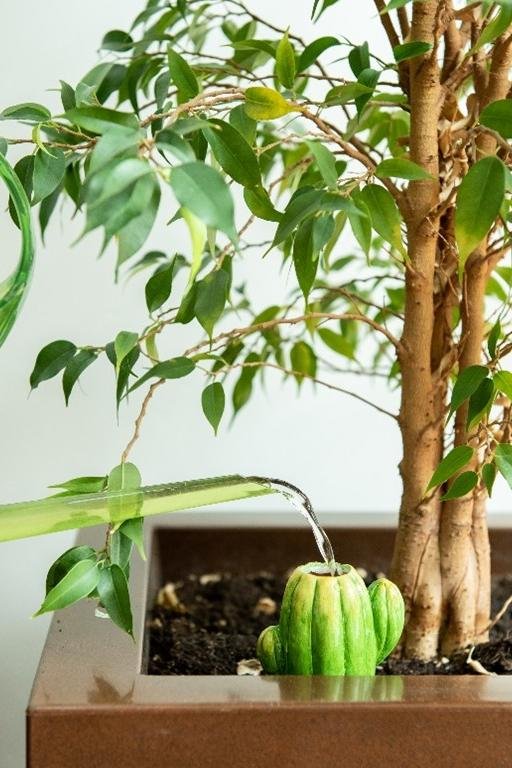
Are your container plants looking a bit droopy or just not thriving as you hoped? You might be surprised to learn that the secret to lush, healthy container plants lies in how deeply you water them.
Imagine transforming your patio or balcony into a vibrant oasis with just a simple change in your watering routine. Deep watering can make all the difference, ensuring that your plants get the moisture they need right down to their roots.
We’ll unravel the mystery of deep watering and show you exactly how to do it. Stick around, because by the end, you’ll have the confidence and know-how to give your plants the boost they need to flourish. Your container garden is about to become the envy of the neighborhood!
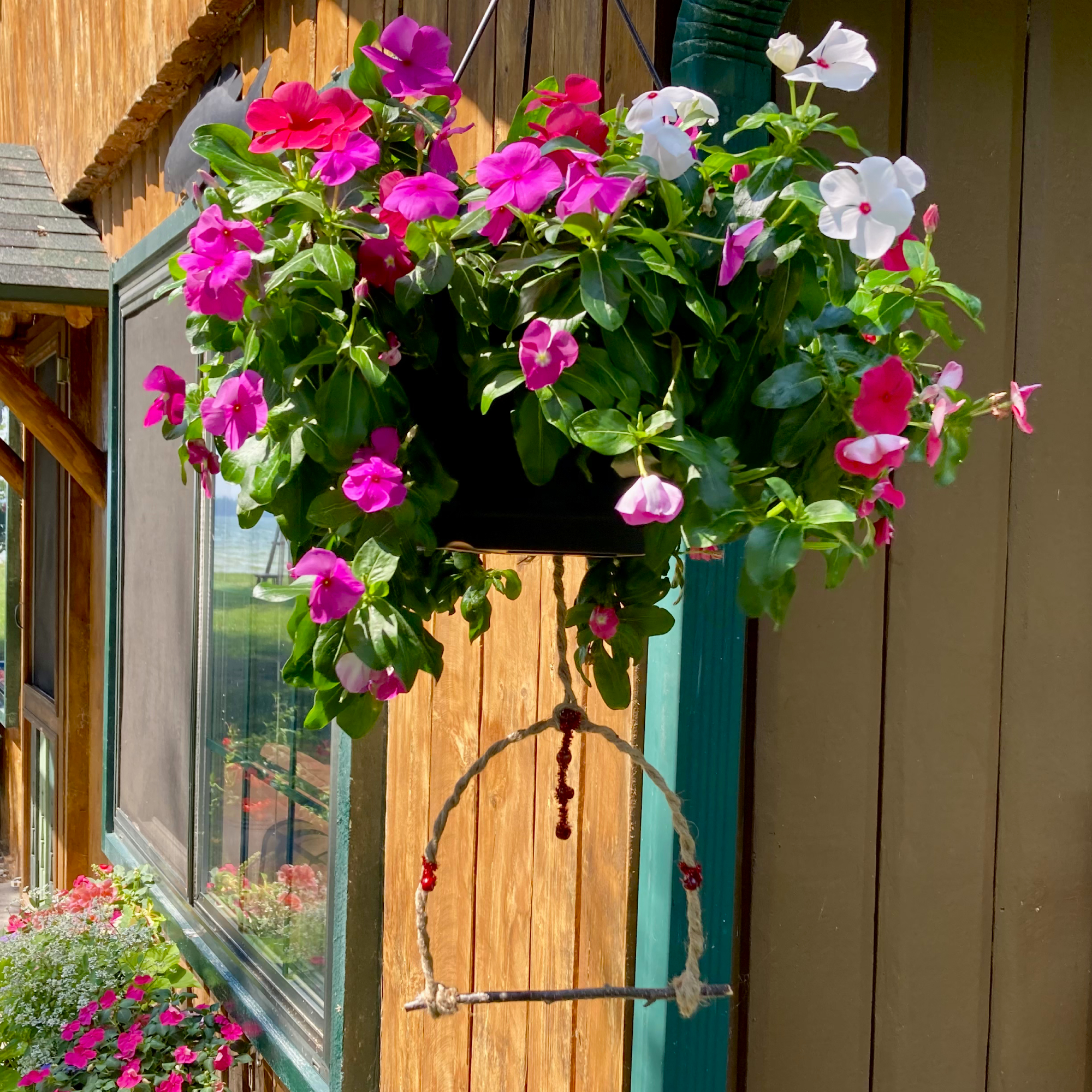
Credit: www.gardeningknowhow.com
Benefits Of Deep Watering
Deep watering helps container plants grow stronger and stay healthy. It means watering the soil well below the surface.
This practice supports roots, nutrients, and reduces plant stress during dry times.
Improved Root Growth
Deep watering encourages roots to grow deeper into the soil. Shallow watering makes roots stay near the surface.
Strong roots help plants get more water and stay firm during wind or heat.
Enhanced Nutrient Absorption
Watering deeply moves nutrients down to where roots can reach them. This helps plants take in more food from the soil.
Plants with good nutrient absorption grow faster and look healthier.
Reduced Water Stress
Deep watering keeps soil moist longer. This lowers stress on plants during hot or dry weather.
Less water stress means plants stay green and bloom better.
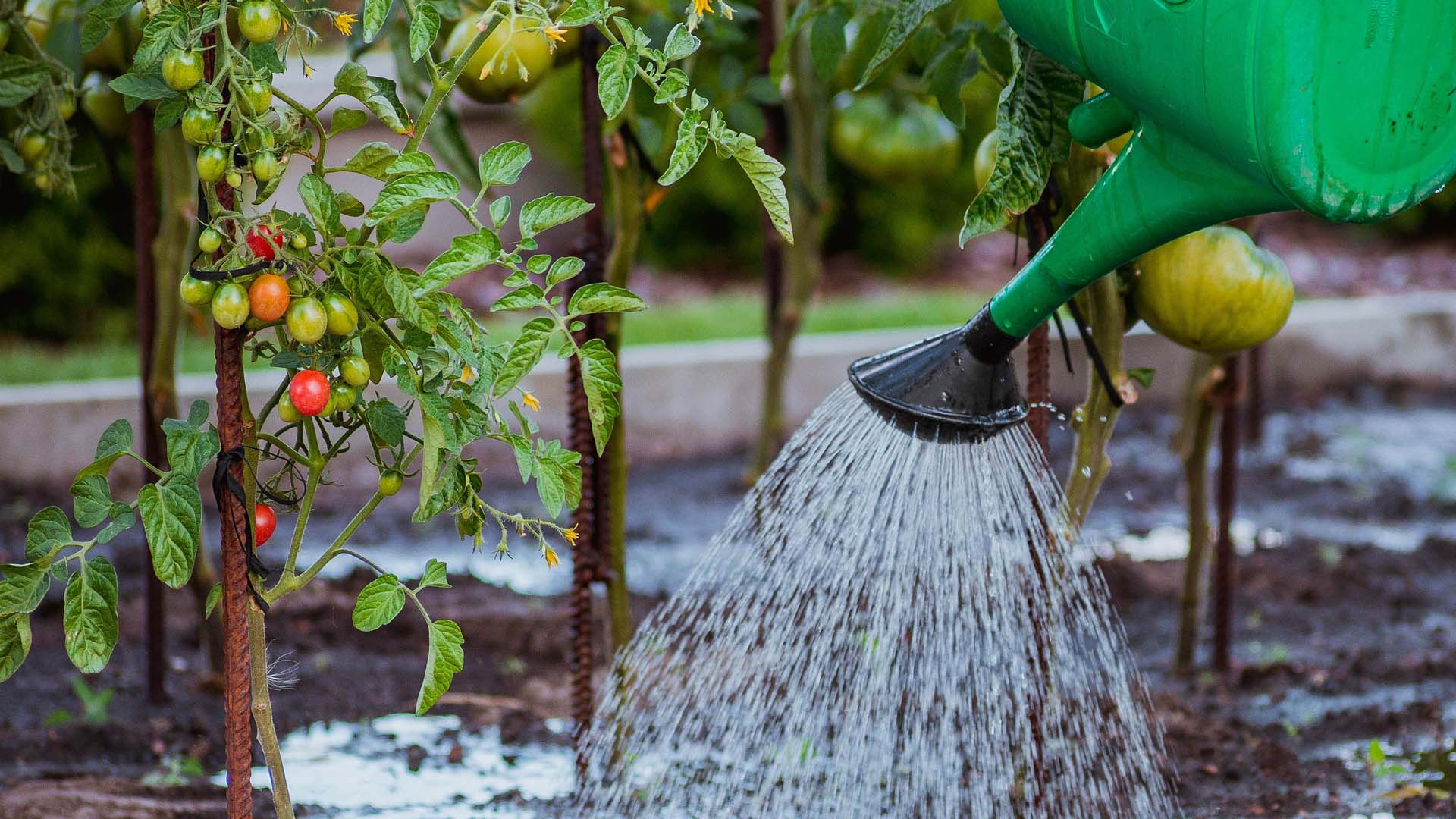
Credit: www.hillier.co.uk
Choosing The Right Containers
Choosing the right containers is key for watering container plants deeply. The container affects moisture levels and root health.
Use containers that help keep the soil moist but allow excess water to drain well. This balance helps plant roots grow strong.
Material Impact On Moisture
Container material changes how water moves through the soil. Some materials dry out faster, while others hold moisture longer.
- Clay pots:They let water evaporate quickly and keep soil dry faster.
- Plastic pots:These hold moisture well and dry slower.
- Metal containers:They heat up fast, which can dry soil quickly.
- Wooden containers:They keep soil cooler and hold moisture moderately.
Size And Drainage Considerations
Container size and drainage holes affect how deeply you can water plants. Too small or poorly drained pots can cause problems.
| Factor | Effect on Watering |
|---|---|
| Small containers | Dry out fast, need frequent watering |
| Large containers | Hold more water, good for deep watering |
| Drainage holes | Prevent water buildup and root rot |
| No drainage holes | Water can pool and harm roots |
Best Soil Mix For Deep Watering
Deep watering helps container plants grow strong roots. The right soil mix makes watering easier and better. It holds water well but also lets air flow.
Choosing soil with good texture and composition helps water reach deep roots. This keeps plants healthy and hydrated longer.
Soil Composition Tips
Use a mix that balances water retention and drainage. Combine organic materials with coarse particles for best results.
- Mix potting soil with compost for nutrients
- Add perlite or pumice to improve air pockets
- Include coconut coir or peat moss to hold moisture
- Avoid heavy clay soils that trap water
Improving Drainage And Retention
Good drainage stops water from pooling and causing root rot. Water retention keeps moisture for dry times.
Use materials that create space for air and water. Layering helps water soak evenly and deeply.
- Add coarse sand or small gravel at the container bottom
- Mix organic matter to absorb and hold water
- Check soil moisture often to avoid overwatering
- Use containers with drainage holes for excess water
Watering Techniques For Depth
Watering container plants deeply helps roots grow strong and healthy. It encourages plants to absorb nutrients better. Proper watering keeps plants from drying out too fast.
Use the right watering methods to reach deep into the soil. This guide explains slow watering, drip systems, and avoiding water waste.
Slow And Steady Watering
Water your plants slowly to let moisture soak deep into the soil. Fast watering makes water run off the surface and wastes water. Use a watering can or hose with a gentle flow.
- Water at the base of the plant.
- Pour water slowly and evenly.
- Allow time for water to soak before adding more.
- Check soil moisture before watering again.
Using Soaker Hoses And Drip Systems
Soaker hoses and drip systems deliver water directly to the soil. These tools save water and reduce evaporation. They keep the soil moist deep down.
| Tool | Water Delivery | Best Use |
| Soaker Hose | Water seeps slowly along the hose | Large container groups |
| Drip System | Water drips at specific spots | Individual pots or precise watering |
Avoiding Surface Runoff
Surface runoff wastes water and can harm plants. Avoid watering too fast or on hard soil. Use these tips to keep water where plants need it.
- Water in short bursts to let water absorb.
- Loosen soil if it is hard or compacted.
- Use mulch to help soil hold moisture.
- Water in the morning or evening to reduce evaporation.
Timing And Frequency
Watering container plants deeply helps them grow strong roots. Proper timing and frequency keep plants healthy. It avoids overwatering or underwatering problems.
Knowing when and how often to water depends on the plant type and weather. This guide explains the best times to water and signs plants need water.
Morning Vs Evening Watering
Watering in the morning lets plants absorb moisture before the heat arrives. It reduces evaporation and risk of disease.
Evening watering can leave plants wet overnight. This may cause mold or fungus. But it works well in hot, dry climates.
- Morning watering saves water by lowering evaporation.
- Evening watering cools plants but may increase disease risk.
- Adjust watering time based on weather and plant needs.
- Water deeply to reach all roots.
Signs Plants Need Water
Container plants show clear signs when thirsty. Watch leaves, soil, and growth for clues.
| Sign | What It Means | Action |
| Wilting leaves | Plant is stressed from lack of water | Water deeply immediately |
| Dry soil surface | Topsoil feels dry but roots may still have moisture | Check soil 1-2 inches deep before watering |
| Slow growth | Plant lacks enough water to grow | Increase watering frequency |
| Leaf edges turning brown | Underwatered or salt build-up in soil | Flush soil with water and water regularly |
Common Mistakes To Avoid
Watering container plants deeply helps roots grow strong and healthy. Many people make mistakes that hurt their plants.
Learning what to avoid can keep your plants thriving and prevent common problems.
Overwatering Risks
Giving too much water causes root rot and fungal diseases. Container plants need good drainage to avoid water buildup.
Overwatering also wastes water and weakens plants by limiting oxygen to the roots.
- Roots can die from constant wet soil
- Leaves may turn yellow or wilt
- Soil stays soggy and smells bad
- Pests like fungus gnats may appear
Shallow Watering Problems
Watering only the surface stops roots from growing deep. Shallow roots make plants weak and dry out quickly.
Plants need water to reach the bottom of the container for strong growth.
- Soil dries out fast at the top
- Roots stay near the surface
- Plants get stressed in hot weather
- Water drains too quickly without soaking
Maintaining Moisture Levels
Watering container plants deeply helps keep soil moist for longer. It supports strong roots and healthy growth.
Maintaining proper moisture levels prevents plants from drying out or getting waterlogged. Careful watering is key.
Mulching Benefits
Mulch covers the soil surface around container plants. It helps keep moisture in the soil.
Mulching also protects roots from temperature changes and reduces weed growth.
- Slows down water evaporation
- Keeps soil temperature stable
- Reduces soil erosion
- Blocks weeds that compete for water
Using Moisture Meters
Moisture meters measure how wet the soil is below the surface. They help you water plants at the right time.
Using a meter prevents overwatering and underwatering. This keeps plants healthy and avoids root problems.
- Insert meter probe into the soil
- Read the moisture level on the meter
- Water plants only when soil is dry
- Check moisture regularly for best results

Credit: gardengram.in
Frequently Asked Questions
How Often Should I Water Container Plants Deeply?
Water container plants deeply once or twice a week, depending on weather and plant type. This ensures roots absorb enough moisture and prevents shallow watering.
What Is The Best Time To Water Container Plants Deeply?
Water container plants deeply early in the morning or late evening. This reduces evaporation and helps plants absorb water efficiently.
How Do I Know If Container Plants Need Deep Watering?
Check soil moisture by inserting a finger 2 inches deep. If dry, it’s time for a deep watering to hydrate roots well.
Why Is Deep Watering Important For Container Plants?
Deep watering encourages strong root growth and healthier plants. It prevents stress and helps containers retain moisture longer.
Conclusion
Watering container plants deeply helps roots grow strong and healthy. It keeps plants hydrated longer and reduces watering frequency. Shallow watering causes weak roots and dry soil. Use enough water to soak the entire root zone. Check soil moisture regularly to avoid overwatering or underwatering.
Deep watering supports vibrant growth and beautiful blooms. Healthy plants need consistent, deep watering to thrive. Try these tips to keep your container plants happy. Your garden will thank you with lush, green foliage. Simple care makes a big difference in plant health.