Are you passionate about keeping your garden in top shape? If so, knowing how to maintain your garden cultivator is crucial.
A well-maintained cultivator ensures your gardening tasks are smooth and efficient, saving you time and effort. Imagine effortlessly turning the soil, preparing the perfect bed for your plants, and achieving a lush, vibrant garden that makes your neighbors green with envy.
We’ll guide you through simple, effective steps to keep your garden cultivator in pristine condition. Whether you’re a seasoned gardener or just starting out, these tips will empower you to take control of your gardening tools. Ready to transform your garden maintenance routine? Let’s dive in and discover the secrets to maximizing the life and performance of your cultivator.

Credit: www.gardenweasel.com
Choosing The Right Cultivator
Choosing the right garden cultivator helps you keep your soil healthy. The right tool makes gardening easier and faster.
Think about the size of your garden and the type of work you need. This helps you pick a cultivator that fits your needs.
Types Of Garden Cultivators
There are several types of garden cultivators. Each type works best for different soil and garden tasks.
- Hand Cultivators:Small tools with three or four tines. Good for small gardens and tight spaces.
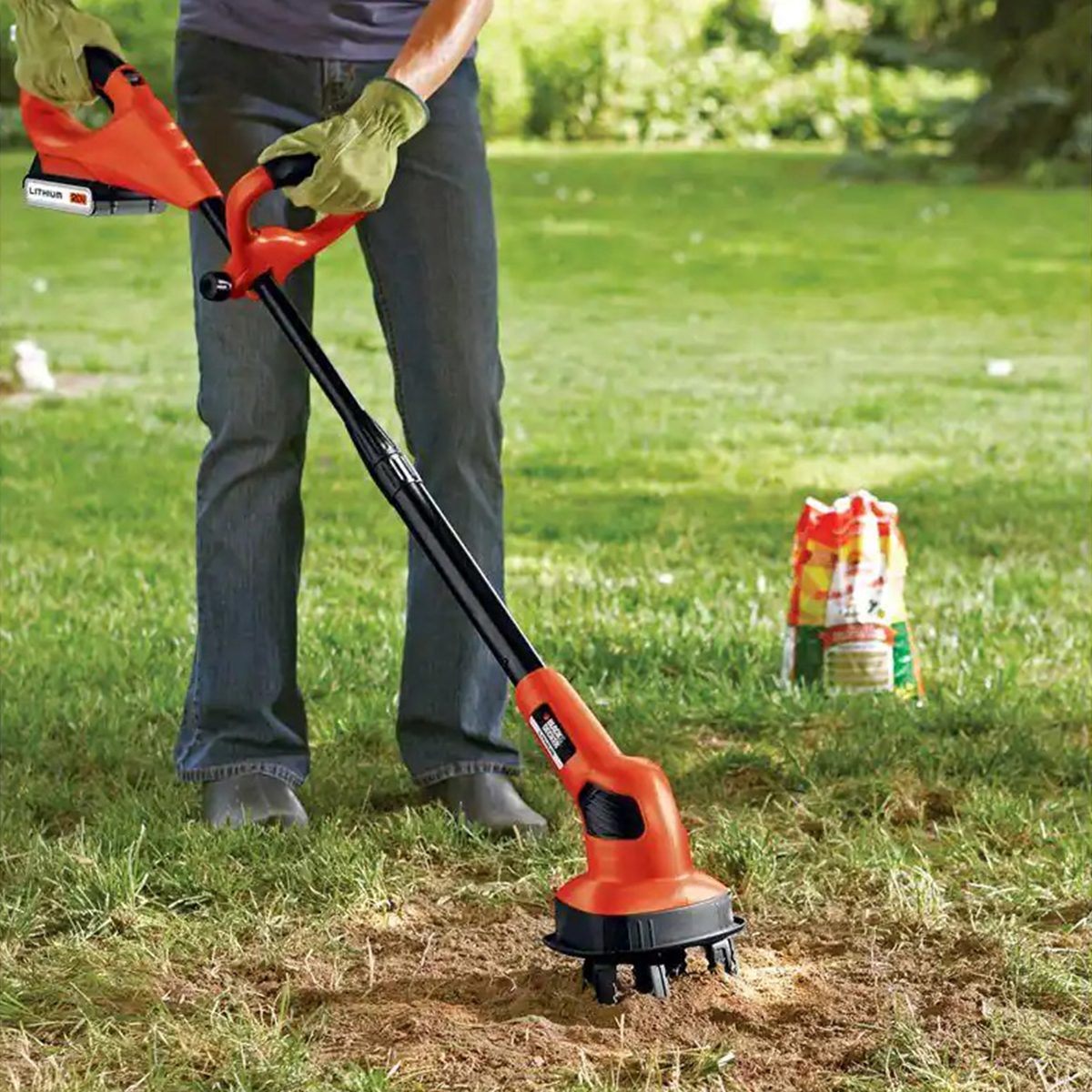
- Electric Cultivators:Powered by electricity. They are lightweight and good for medium-sized gardens.
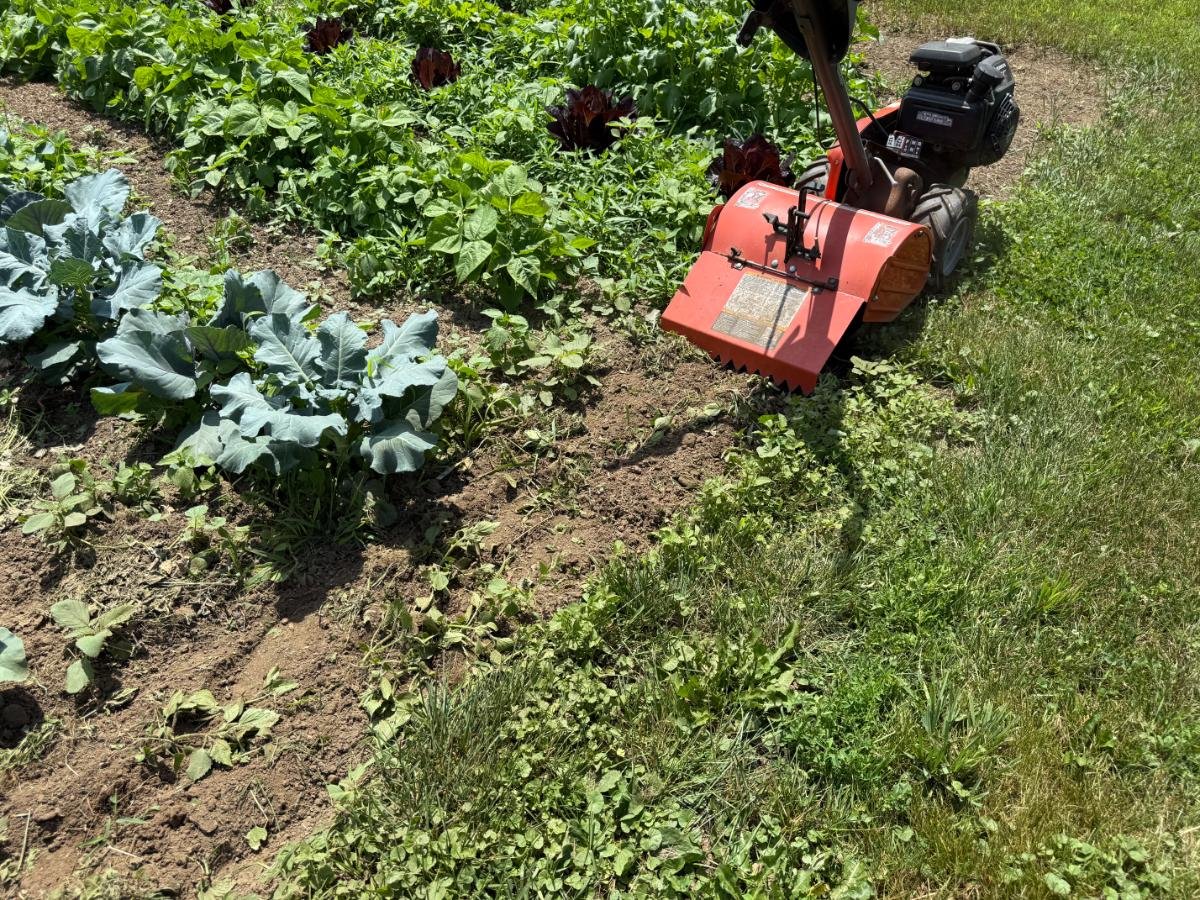
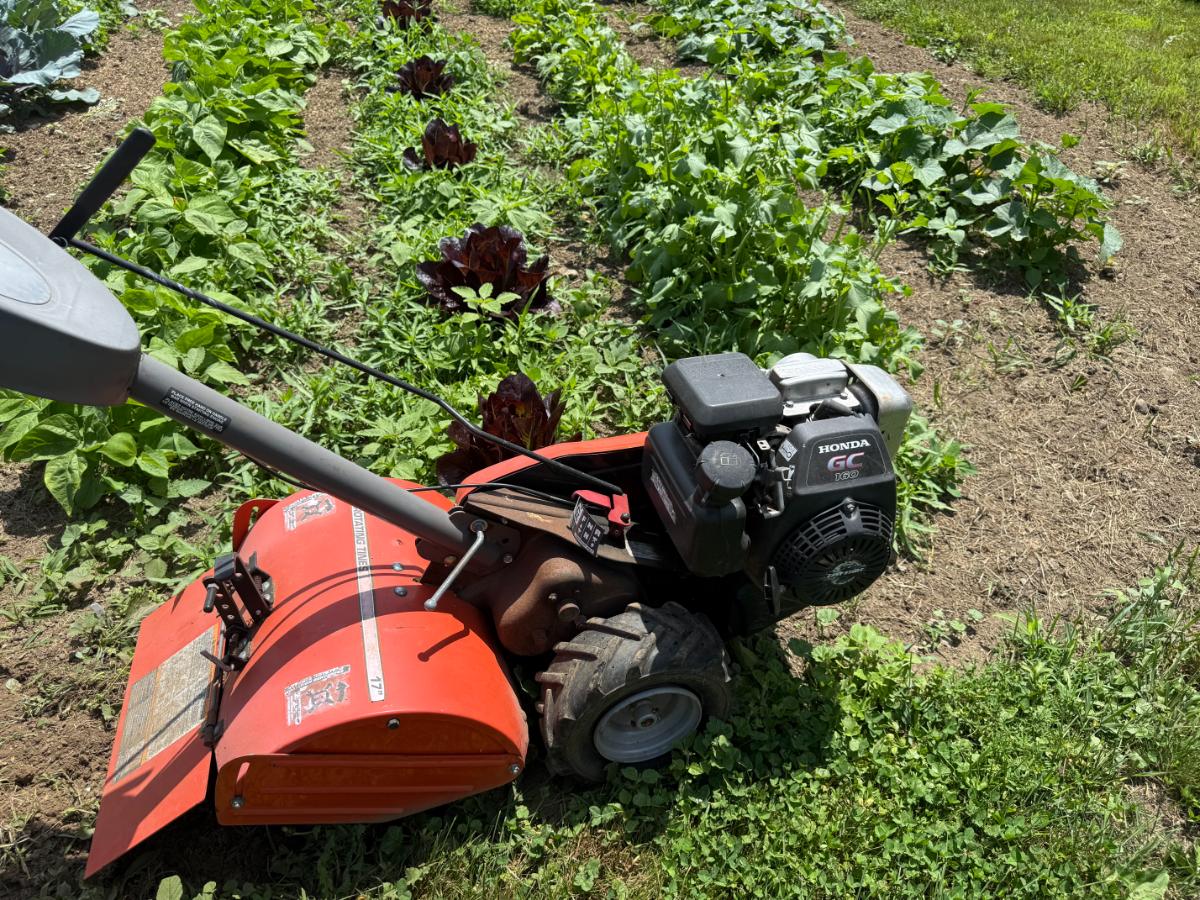
- Gas-Powered Cultivators:Strong machines for large gardens. They handle tough soil and heavy work.
- Tow-Behind Cultivators:Attach to tractors. Best for very large gardens or farms.
Matching Cultivator To Garden Size
Choose a cultivator that fits your garden size. Using the right size saves time and effort.
- Small Gardens:Use hand cultivators for quick and easy soil work.
- Medium Gardens:Electric cultivators work well and are easy to control.
- Large Gardens:Gas-powered cultivators handle bigger areas and tough soil.
- Very Large Gardens or Farms:Tow-behind cultivators attached to tractors are best.
Regular Cleaning Practices
Keeping your garden cultivator clean helps it work well for a long time. Dirt and plant bits can cause damage if left on the machine. Regular cleaning stops rust and keeps parts moving smoothly.
Cleaning your cultivator after every use makes your work easier. It also helps you spot any problems early. Follow these simple cleaning steps to care for your garden tool.
Removing Soil And Debris
Soil and plant debris build up around the cultivator’s frame and wheels. Removing this dirt prevents clogging and rust. Use a brush or cloth to clear off loose soil. For thick dirt, rinse with water but dry the cultivator well to avoid rust.
- Turn off and unplug the cultivator before cleaning.
- Use a stiff brush to remove dried soil.
- Wipe the machine with a damp cloth to clear remaining debris.
- Dry all parts completely with a clean towel.
- Store the cultivator in a dry place.
Cleaning Blades And Tines
Blades and tines cut and turn the soil. Dirt stuck on them reduces their power. Cleaning these parts keeps them sharp and safe. Use a wire brush or scraper to remove mud and plant matter. You can also apply light oil to stop rust and keep blades moving freely.
| Cleaning Tool | Use | Notes |
| Wire Brush | Scrape off hardened dirt | Good for rust and soil |
| Scraper | Remove stuck debris | Use gently to avoid damage |
| Light Oil | Protect from rust | Apply after cleaning |
| Cloth | Wipe blades clean | Use dry cloth to finish |
Lubrication And Oil Maintenance
Keeping your garden cultivator well-lubricated helps it work smoothly. Proper oil maintenance protects the engine and moving parts.
Regular checks and oil changes extend the life of your cultivator. This guide focuses on oiling moving parts and engine oil care.
Oiling Moving Parts
Moving parts need regular oiling to reduce friction and prevent wear. This keeps the cultivator running efficiently.
- Clean parts before applying oil to remove dirt.
- Use a light machine oil for chains, gears, and bearings.
- Apply oil to all pivot points and joints.
- Wipe off excess oil to avoid attracting dust.
- Oil parts every 10 hours of use or as recommended.
Checking And Changing Engine Oil
Engine oil keeps the motor parts lubricated and cool. Check oil levels before each use to avoid damage.
| Task | How Often | Details |
|---|---|---|
| Check Oil Level | Before Every Use | Use dipstick to ensure oil is between marks. |
| Change Oil | Every 25 Hours of Use | Drain old oil and refill with fresh oil type recommended in manual. |
| Use Proper Oil | Always | Choose oil grade suitable for your cultivator engine. |
Credit: www.familyhandyman.com
Inspecting And Replacing Parts
Regular checks keep your garden cultivator working well. Look for worn or broken parts often.
Fixing or changing damaged parts helps your machine last longer. It also keeps it safe to use.
Tine Wear And Damage
Tines dig and turn the soil. They wear down or break after use.
Check the tines for cracks, bends, or thin spots. Replace tines that look weak or broken.
- Remove tines from the cultivator
- Look closely for damage or wear
- Use the right replacement tines for your model
- Install new tines securely
Checking Belts And Bolts
Belts help move parts in your cultivator. Bolts hold everything together.
Check belts for cracks or looseness. Tighten or replace belts if needed. Look at bolts for rust or looseness.
- Tighten loose bolts with a wrench
- Remove rusty bolts and replace with new ones
- Check belt tension and adjust
- Replace belts that are cracked or worn
Proper Storage Techniques
Keeping your garden cultivator in good shape needs the right storage methods. Proper storage protects it from damage and helps it last longer.
Learn how to store your cultivator safely by protecting it from weather and preparing it for the off-season.
Protecting From Weather
Weather can harm your garden cultivator if you leave it outside. Rain, snow, and sun can cause rust and wear. Store your cultivator in a dry, covered place.
- Keep the cultivator under a roof or in a shed.
- Use a waterproof cover if stored outside.
- Store it off the ground to avoid moisture damage.
- Check regularly for signs of rust or wear.
Preparing Cultivator For Off-season
Before storing your cultivator for a long time, clean and inspect it well. This helps avoid problems when you use it again.
| Task | Description | Tools Needed |
| Clean | Remove dirt, mud, and plant debris | Brush, water, cloth |
| Dry | Ensure the cultivator is fully dry | Cloth, air dry |
| Lubricate | Oil moving parts to prevent rust | Machine oil, rag |
| Inspect | Check for worn or damaged parts | Flashlight, wrench |
| Store | Place in a dry, secure location | Storage shed or garage |
Troubleshooting Common Issues
Keeping your garden cultivator in good shape helps it work better. Sometimes, small problems can stop it from running.
Knowing how to fix these common issues saves time and money. Here are tips for two frequent problems.
Starting Problems
Your cultivator might not start if the fuel is old or dirty. Check the fuel tank and fill it with fresh fuel.
Also, look at the spark plug. A dirty or damaged spark plug can stop the engine from firing.
- Use fresh, clean fuel
- Clean or replace the spark plug
- Check the air filter for dirt
- Make sure the choke is set correctly
- Inspect the ignition switch and cables
Unusual Noises And Vibrations
Strange sounds or strong vibrations can mean parts are loose or damaged. Stop using the cultivator if you hear these.
Check the blades and bolts. Tighten loose parts and replace damaged blades to avoid more problems.
- Look for loose nuts and bolts
- Inspect blades for cracks or wear
- Check the engine mounts
- Make sure the handles are secure
- Listen for knocking or grinding sounds
Safety Tips For Maintenance
Maintaining a garden cultivator keeps it working well and lasts longer. Safety is very important during maintenance.
Follow safe habits to avoid injuries and accidents. Use the right tools and protect yourself.
Using Protective Gear
Wear protective gear to keep yourself safe from sharp parts and dirt. Gloves protect your hands from cuts and scrapes.
Safety glasses stop dust and debris from getting into your eyes. Wear sturdy shoes to protect your feet.
- Wear thick gloves when handling sharp parts
- Use safety glasses to protect your eyes
- Put on closed-toe shoes or boots
- Wear long sleeves to protect your arms
Safe Handling Of Tools And Chemicals
Always handle tools and chemicals with care during maintenance. Use tools as they are meant to be used.
Keep chemicals like fuel and oil away from flames. Store them safely and clean up spills quickly.
- Turn off the cultivator before working on it
- Use the right tool for each task
- Keep fuel and oil away from heat and fire
- Store chemicals in a safe, cool place
- Clean up any spills immediately
Credit: gardening.org
Frequently Asked Questions
How Often Should I Clean My Garden Cultivator?
Clean your garden cultivator after every use. Remove dirt and debris to prevent rust and maintain efficiency. Use a brush and mild detergent for thorough cleaning. Dry it completely before storing to avoid moisture damage.
What Type Of Oil Is Best For Garden Cultivator Maintenance?
Use lightweight engine oil or manufacturer-recommended lubricants. Regular oil changes keep the engine running smoothly. Avoid thick oils that can clog parts. Always check the manual for specific oil types and change intervals.
How Do I Sharpen The Cultivator Blades Safely?
Use a metal file or sharpening stone for blades. Wear protective gloves to avoid injury. Remove blades if possible for better access. Sharpen evenly on both sides to maintain balance and efficiency.
When Should I Replace Garden Cultivator Parts?
Replace parts showing visible wear, cracks, or rust. Common parts include blades, belts, and spark plugs. Regular inspection helps identify damage early. Using damaged parts can reduce performance and increase safety risks.
Conclusion
Maintaining a garden cultivator keeps it working well longer. Clean the blades after each use to stop rust. Check bolts and nuts often to keep parts tight. Change the oil regularly for smooth engine work. Store the cultivator in a dry place to protect it.
Small steps now save big repair costs later. A well-kept cultivator makes gardening easier and faster. Take care of your tool, and it will take care of your garden. Simple habits bring great results.