If you work with metal, you know how essential a good pair of welding gloves is. They protect your hands from heat, sparks, and sharp edges.
But, like any tool, they need proper care to last. Have you ever wondered if you’re maintaining your welding gloves the right way? Or do you find them wearing out too quickly, leaving you frustrated and out of pocket? We’ll share simple yet effective tips to extend the life of your gloves.
You’ll discover how a few small changes can make a big difference. Ready to keep your gloves in top shape and save money? Let’s dive in.
Choosing The Right Welding Gloves
Welding gloves protect your hands from heat, sparks, and sharp metals. Picking the right gloves helps you work safely and comfortably.
Different gloves offer various benefits depending on the materials and design. Knowing what to look for makes a big difference.
Material Types And Their Benefits
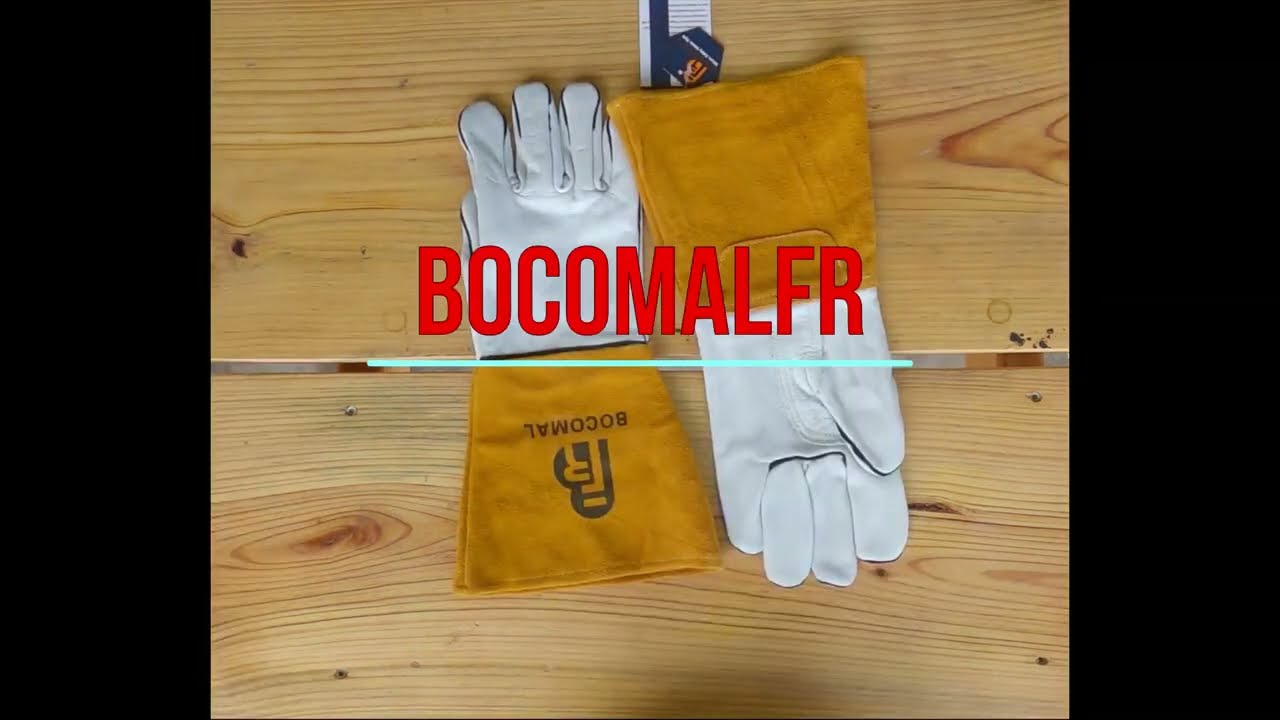
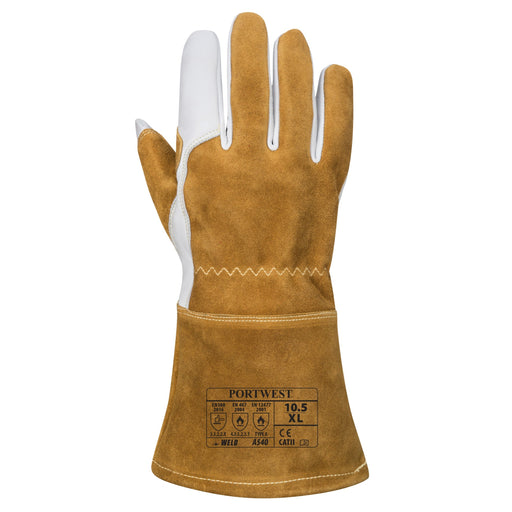
Welding gloves come in several materials. Each type has strengths for different tasks and conditions.
- Leather:Durable and heat-resistant. Commonly used for heavy welding jobs.
- Split Leather:Softer and more flexible. Good for precision work but less heat protection.
- Kevlar:Offers high heat resistance and cut protection. Often used as lining or reinforcement.
- Aluminized Fabric:Reflects heat well. Best for high-temperature welding.
Proper Fit And Comfort
Gloves must fit well to keep hands safe and avoid accidents. Too tight gloves limit movement. Too loose gloves can catch on tools.
| Fit Aspect | Reason |
| Finger Length | Fingers should reach glove tips without extra space. |
| Hand Width | Glove should wrap snugly but not squeeze. |
| Wrist Closure | Secure closure keeps sparks and debris out. |
Heat Resistance Levels
Choose gloves with heat resistance that matches your welding type. Different tasks expose hands to different heat levels.
- Light heat: Thin gloves for quick tasks with low sparks.
- Medium heat: Standard gloves for most welding jobs.
- High heat: Thick or aluminized gloves for intense, long exposure.
Credit: www.youtube.com
Cleaning Welding Gloves
Keeping welding gloves clean helps them last longer and stay safe. Dirt and grime can reduce their protection. Proper cleaning removes harmful substances and keeps gloves comfortable.
Different materials need special care. Leather gloves require gentle cleaning. Knowing how to clean gloves correctly protects your hands during metalwork.
Removing Dirt And Debris
Start by brushing off loose dirt and debris. Use a soft brush or cloth to avoid damaging the glove surface. Removing dust and particles prevents buildup and keeps gloves flexible.
- Brush gloves gently with a soft-bristled brush.
- Shake gloves to remove loose dust.
- Use a damp cloth to wipe stubborn dirt.
- Avoid harsh scrubbing that can wear the material.
Washing Techniques For Leather Gloves
Leather gloves need mild cleaning to keep their texture and strength. Use lukewarm water and a small amount of gentle soap. Avoid soaking leather to prevent stiffness.
| Cleaning Step | Details |
| Prepare Solution | Mix lukewarm water with mild soap |
| Spot Clean | Use cloth dipped in solution to clean spots |
| Wipe Off Soap | Use clean damp cloth to remove soap |
| Do Not Soak | Avoid submerging gloves fully in water |
| Condition Leather | Apply leather conditioner after drying |
Drying Methods To Prevent Damage
Dry gloves carefully to keep their shape and flexibility. Avoid direct heat sources that can dry out or crack the material. Air drying is best to maintain glove quality.
- Lay gloves flat on a clean surface.
- Keep them away from sunlight and heaters.
- Use a fan to speed up air drying if needed.
- Do not twist or wring gloves to remove water.
- Check gloves are fully dry before storing.
Storing Welding Gloves
Proper storage helps keep welding gloves safe and ready to use. Good care extends their life.
Follow some simple tips to store your gloves correctly after each use.
Ideal Storage Conditions
Store welding gloves in a cool, dry place with good air flow. Avoid places that are too hot or too cold.
Keep gloves away from direct sunlight and chemicals. These can damage the leather or fabric.
- Room temperature between 50°F and 75°F (10°C – 24°C)
- Dry area with low humidity
- Well-ventilated space
- Away from sunlight and chemicals
Avoiding Moisture And Heat
Moisture can cause leather gloves to rot or grow mold. Heat can dry out and crack the material.
Always dry gloves fully before storing. Do not leave them near heaters or in damp places.
- Wipe gloves clean and dry after use
- Do not store gloves if they are wet
- Keep gloves away from heat sources like radiators
- Use a moisture absorber if storing long term
Using Protective Containers
Use containers to protect gloves from dust, dirt, and damage. Containers also help keep gloves dry.
Choose breathable containers like cloth bags or ventilated boxes. Avoid airtight plastic bags.
- Use cloth bags or mesh containers
- Avoid sealed plastic bags that trap moisture
- Label containers to find gloves quickly
- Keep containers in a safe, dry place
Credit: www.safetyvestsandmore.com
Inspecting For Wear And Tear
Welding gloves protect your hands from heat and sparks. Regular checks help keep them safe and effective.
Look closely at your gloves before and after each use. This helps find small problems early.
Common Signs Of Damage
Check gloves for cuts, holes, and worn spots. These signs mean the gloves may not protect well.
- Cracks or tears in the leather
- Burn marks or holes
- Loose stitching or seams coming apart
- Stiff or hardened areas
- Discoloration from heat damage
Repairing Minor Issues
Small tears or loose threads can be fixed to extend glove life. Use leather glue or strong thread for repairs.
Follow these tips to repair gloves:
- Clean gloves before repairing.
- Use leather glue on small cuts.
- Sew loose seams with thick thread.
- Let repairs dry fully before use.
- Check repairs often for durability.
When To Replace Gloves
Replace gloves if damage is severe or repairs fail. Worn gloves risk burns and injuries.
| Condition | Action |
| Large holes or tears | Replace gloves immediately |
| Burned or melted areas | Replace gloves immediately |
| Failed or weak repairs | Replace gloves |
| Loss of flexibility and fit | Consider replacement |
Enhancing Glove Longevity
Welding gloves protect your hands from heat and sparks. Taking care of them helps them last longer.
Proper maintenance saves money and keeps you safe during metalwork tasks.
Applying Leather Conditioners
Leather gloves dry out with use. Applying leather conditioner keeps the material soft and flexible.
Use a small amount of conditioner on clean gloves. Rub it evenly and let it absorb before using.
- Choose a conditioner made for leather
- Apply after cleaning gloves
- Do not overuse to avoid stickiness
Avoiding Chemical Exposure
Chemicals can damage the leather and weaken gloves. Keep your gloves away from oils and solvents.
Store gloves in a dry place, away from harsh chemicals to prevent cracks and stains.
- Do not wear gloves when handling strong chemicals
- Clean gloves if they get exposed accidentally
- Check gloves often for signs of damage
Rotating Gloves For Extended Use
Using the same pair every day wears them out faster. Rotate between two or more pairs.
Rotating gloves lets each pair dry and recover after use. This slows down wear and tear.
- Have at least two pairs of gloves
- Use one pair while the other rests
- Inspect gloves regularly for damage
Credit: www.weldshopsupply.com
Frequently Asked Questions
How Often Should I Clean Welding Gloves?
Clean welding gloves after every use to remove dirt and debris. Use a soft brush or mild soap with water. Avoid harsh chemicals that damage leather or fabric. Regular cleaning extends glove life and maintains protection during metalwork.
What Is The Best Way To Dry Welding Gloves?
Air dry welding gloves naturally by laying them flat in a well-ventilated area. Avoid direct sunlight or heat sources like radiators. High heat can cause leather to crack and fabric to weaken, reducing the gloves’ durability and safety.
Can I Repair Torn Welding Gloves?
Small tears in welding gloves can be patched with leather repair kits or heavy-duty fabric patches. For major damage, replacement is safer. Repairing helps maintain protection but always inspect gloves regularly for wear and tear to ensure safety.
How Should I Store Welding Gloves Properly?
Store welding gloves in a cool, dry place away from moisture and chemicals. Use a clean storage bag or container to prevent dust buildup. Proper storage preserves glove material and keeps them ready for safe use in metalwork.
Conclusion
Proper care keeps welding gloves strong and safe to use. Clean gloves after each job to remove dirt and debris. Store them in a dry, cool place to avoid damage. Check gloves often for tears or worn areas. Replace gloves if they no longer protect well.
Good maintenance saves money and improves safety. Take small steps daily. Protect your hands while working with metal. Your gloves will last longer and work better. Simple habits make a big difference. Keep your gloves ready for every weld.